
Views: 222 Author: Tomorrow Publish Time: 12-23-2025 Origin: Site


Content Menu
● Understanding Dishwasher Detergent Pods
● Do You Have to Use Pods in Your Dishwasher?
● Advantages of Using Dishwasher Pods
● Disadvantages of Using Dishwasher Pods
● Comparing Dishwasher Pods vs. Other Detergents
● When Are Pods the Better Option?
● Environmental Impact of Dishwasher Pods
● Tips for Using Pods Effectively
● Common Alternatives to Dishwasher Pods
● How Water Quality Influences Detergent Choice
● Dishwasher Maintenance and Detergent Efficiency
● FAQs
>> 1. Can I use regular dish soap instead of dishwasher detergent pods?
>> 2. Why didn't my dishwasher pod dissolve completely?
>> 3. Are dishwasher pods better than powder?
>> 4. Do dishwasher pods expire or lose effectiveness?
>> 5. Are dishwasher pods environmentally safe?
Modern dishwashers have revolutionized how we clean our dishes, offering convenience and efficiency. Yet, one common debate among users persists: Do I have to use dishwasher detergent pods? With several detergent types available—pods, powders, gels, and tablets—it's natural to wonder whether pods are essential or just one of many options.
This article explores everything you need to know about dishwasher detergent pods: how they work, their pros and cons, when to use them, and whether alternatives might better suit your kitchen routine.
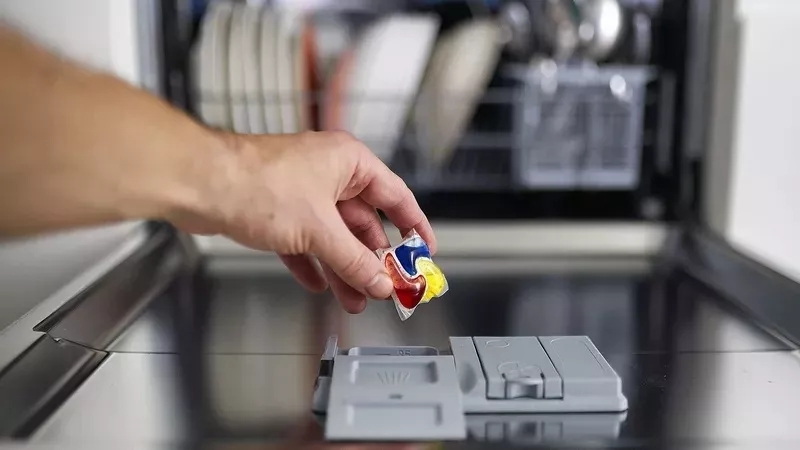
Dishwasher pods—also known as capsules or packs—are pre-measured detergent doses sealed in dissolvable films. Each pod typically contains a mix of detergent, rinse aid, and sometimes other additives such as degreasers, enzymes, or water softeners. The film dissolves during the cleaning cycle, releasing the detergent at the right time for maximum performance.
Pods gained popularity due to their simplicity. Instead of pouring or measuring detergent, you just drop a pod into the dispenser. The goal is consistency—each load gets the same cleaning strength without the risk of overusing or underusing detergent.
However, while convenient, the question remains whether pods are *mandatory* or merely *optional* for good cleaning results.
The short answer: no, you don't have to use dishwasher detergent pods.
Dishwashers are compatible with multiple detergent forms, including powder and gel varieties, as long as they are designed for automatic dishwashers. The performance difference mainly depends on formulation, water hardness, and the dishwasher's operating temperature rather than the detergent's format.
Sometimes, the detergent you choose can even influence the lifespan of your dishwasher. Using high-quality products designed for automatic machines reduces buildup, clogs, and mineral deposits. Hence, while pods offer convenience, they are not a necessity.
Pods have become a household favorite for several reasons:
- Convenience: You don't need to measure detergent manually—just drop one pod and start the cycle.
- Consistency: Each pod contains the same detergent quantity for predictable results.
- Clean storage: Pods eliminate spills and residue around your detergent drawer or countertop.
- Enhanced performance: Premium pods include enzymes and rinse aids that target tough stains like baked-on food or grease.
- Time-saving: They simplify cleanup routines, especially helpful in large or busy households.
They work particularly well in newer dishwasher models designed for precise detergent release and advanced wash cycles.
Despite many perks, detergent pods aren't perfect:
- Higher cost per load: Buying pods can be more expensive than using powder or gel.
- Limited dosing control: The pod's fixed size prevents adjusting detergent amounts for small or heavily soiled loads.
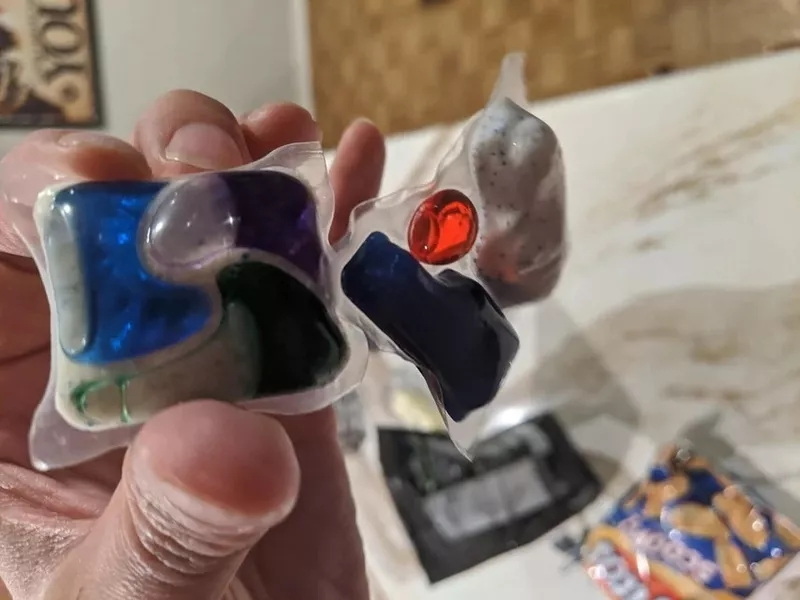
- Dissolving difficulties: In short cycles or with cold water, some pods fail to dissolve completely, leaving residue.
- Environmental concerns: Some films contain polyvinyl alcohol (PVA), which may create microplastic traces if not fully degraded in wastewater.
- Risk of residue and streaking: If a pod lodges in the dispenser or fails to dissolve, dishes may emerge cloudy.
In certain circumstances—such as older dishwashers or eco wash modes—these drawbacks may outweigh the convenience.
Here's how pods stack up against powder and gel detergents across key categories:
| Feature | Pods | Powder | Gel |
|---|---|---|---|
| Ease of use | Excellent | Moderate | Good |
| Cost efficiency | Higher cost per load | Lower | Moderate |
| Adjustable dosage | No | Yes | Yes |
| Residue risk | Low if dissolved | Low | Moderate |
| Contains rinse aid | Usually yes | No | Sometimes |
| Storage convenience | Very high | Moderate | High |
| Eco-friendliness | Moderate | High | Moderate |
| Performance on greasy dishes | Excellent | Good | Moderate |
Overall, pods win for convenience and reliable cleaning. Powder remains the budget-friendly option that allows flexibility. Gel detergents, though easy to pour, can sometimes underperform in hard water or low-heat cycles.
Using pods may be ideal if:
- You wash full loads regularly and value convenience.
- Your dishwasher supports modern pods with timed detergent release features.
- You live in a hard-water area and use multi-action pods with built-in water softeners.
- You dislike mess from loose powder or gel spillage.
- You prefer simple, one-step dishwashing without worrying about measurements.
Busy families or people who prioritize efficiency over cost often find pods worth the investment.
You might avoid pods if:
- You have limited water pressure or colder water temperatures that prevent pod dissolution.
- Your dishwasher is older and runs shorter wash cycles.
- You prefer customizing detergent quantity for small loads.
- You want to minimize ongoing expenses.
- You've noticed undissolved pod residue after previous cycles.
In such households, switching to a quality powdered formula may give equally clean, spot-free dishes at a lower cost.
Sustainability is an increasingly important factor in household choices. Traditional pods often raise concern because their dissolvable film, made from PVA, can partially remain in wastewater streams. Although most PVA films degrade significantly, trace amounts might persist if local sewage treatment doesn't achieve complete breakdown.
Fortunately, eco-friendly brands address this issue by using biodegradable materials, plant-derived surfactants, and minimal packaging. When buying pods, look for certifications such as:
- EPA Safer Choice
- Leaping Bunny (cruelty-free)
- EU Ecolabel
- B Corp or Certified Biodegradable
Always recycle or compost outer cardboard packaging when possible, and store pods away from humidity to reduce waste from clumping.
To achieve consistently clean dishes, follow these best practices:
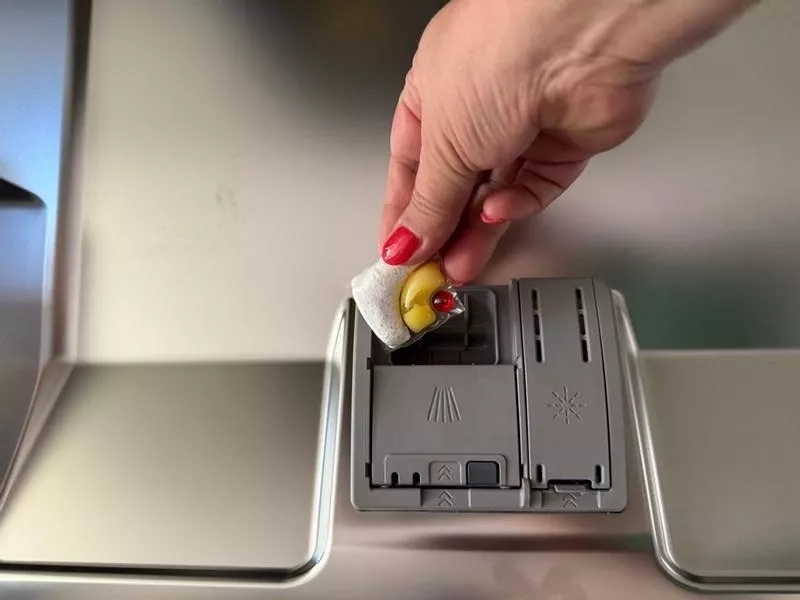
1. Place the pod correctly: Always insert it into the detergent compartment, not directly on the dishes or at the bottom of the machine.
2. Run hot water first: Hot cycles (120°F or above) ensure proper pod dissolution.
3. Avoid overloading: Crowding dishes restricts water flow, leading to inefficient cleaning.
4. Use one pod per cycle: Adding extras doesn't improve performance and may leave residue.
5. Keep pods sealed: Exposure to moisture can cause them to stick together or lose potency.
6. Clean dishwasher filters often: This maintains efficiency and enhances detergent performance.
By maintaining the right balance of water temperature, load size, and cleaning frequency, pods can perform at their absolute best.
If you decide against pods, here are reliable alternatives:
- Powder detergents: Budget-friendly and adjustable for different load sizes. Many powders now contain oxygen-based bleaches for improved cleaning.
- Gel detergents: Easy to pour and usually gentler on delicate glassware.
- Tablets: Similar to pods but often larger and less expensive per use.
- Homemade or natural detergents: Combinations of baking soda, borax, and washing soda—though not always as strong as commercial options.
- Eco-formulated detergents: Brands focusing on plant-based ingredients and recyclable packaging offer a greener solution.
Each type provides flexibility, letting you balance economy, performance, and environmental goals.
Many people overlook how water hardness affects dishwashing results. Hard water—rich in calcium and magnesium—interferes with detergent efficiency, leaving behind spots or film. Softer water, by contrast, may create excessive suds if too much detergent is added.
- In hard water areas, pods with integrated water softeners or “all-in-one” tablets work best.
- In soft water areas, powder detergents let you easily control dosage and reduce over-sudsing.
If unsure about your water quality, check with your local utility provider or buy an inexpensive test kit. Adjusting your detergent choice based on water hardness can substantially improve results.
Even the best detergent will struggle if your dishwasher isn't well maintained. To optimize performance:
- Clean the filter weekly to remove trapped food particles.
- Run a cleaning cycle monthly using vinegar or a dishwasher cleaner to prevent buildup.
- Check spray arms for clogs that block detergent distribution.
- Inspect the detergent dispenser for residue, ensuring pods or powders release properly.
Maintaining your machine ensures that whichever detergent type you use performs efficiently, saving both time and energy.
Appliance experts suggest the following guidelines:
- Use pods if convenience, consistency, and minimal effort are your top priorities.
- Use powder detergents if you prioritize flexibility, cost efficiency, or live in soft-water regions.
- Stick to approved formulas—your dishwasher's manual often lists detergent types that best match its cleaning system.
Additionally, running your dishwasher at optimal temperatures (120–150°F) enhances detergent activation and prevents cloudy glassware.
Dishwasher detergent pods are not mandatory, but they provide an unmatched blend of convenience, precision, and cleaning power. Whether you choose pods, powder, or gel largely depends on your personal preferences, machine type, and water quality.
If you prioritize ease and spotless results without the hassle of measuring detergent, pods can be an excellent choice. But if you value flexibility, cost savings, and environmental sustainability, traditional powders may serve you just as well. The key is understanding your dishwasher's needs and tailoring your detergent accordingly to maintain clean, sparkling dishes with every cycle.
No. Regular dish soap creates excessive bubbles that can overflow and damage your dishwasher. Always use detergent made for automatic dishwashers.
Undissolved pods usually indicate cold water, short cycles, or incorrect placement. Make sure you're running a hot water cycle and placing the pod inside the detergent dispenser.
Pods deliver consistency and convenience, while powder offers flexibility and cost savings. The best choice depends on your machine and cleaning goals.
Yes. Most pods remain effective for about 12 months when stored in a cool, dry place. Moisture weakens their dissolvable film and reduces cleaning strength.
Eco-certified pods made with biodegradable films and minimal packaging are safer options. Choose products labeled “biodegradable” or “eco-friendly” for reduced environmental impact.


