
Views: 222 Author: Tomorrow Publish Time: 12-23-2025 Origin: Site


Content Menu
● Understanding What Finish Pods Are
● How Dishwashers Work with Detergent Pods
● Do Finish Pods Cause Long-Term Damage?
>> 4. Dispenser Door Malfunction
>> 5. Corrosion Misconceptions
● How to Know If Your Dishwasher Is Reacting Poorly to Pods
● Common Mistakes When Using Finish Pods
● Comparing Finish Pods to Other Detergents
● How to Use Finish Pods Safely and Effectively
● What Experts and Manufacturers Say
● Environmental and Safety Considerations
● Maintenance Tips to Extend Dishwasher Lifespan
● Troubleshooting Related Problems
● When to Service or Replace Your Dishwasher
● FAQ
>> 1. Are Finish pods safe for all dishwasher brands?
>> 2. What if a Finish pod doesn't dissolve properly?
>> 3. Can I use Finish pods in older dishwashers?
>> 4. Do Finish pods contain harmful chemicals?
>> 5. How can I prevent residue from forming inside the dishwasher?
Dishwasher pods have transformed the way households handle daily cleaning chores. Their convenience, efficiency, and pre-measured design make them appealing to busy families, saving time and reducing mess. Among the many detergent brands available, Finish has earned a trusted reputation for delivering consistent cleaning results. However, despite their popularity, some users worry about the long-term effects of these pods on dishwashers. The pressing question remains: Do Finish pods damage dishwashers?
This article explores the science behind dishwasher pods, how they interact with machines, what issues can arise from misuse, and how to keep your dishwasher running smoothly for years. We'll also examine expert advice, environmental aspects, and tips for proper maintenance.
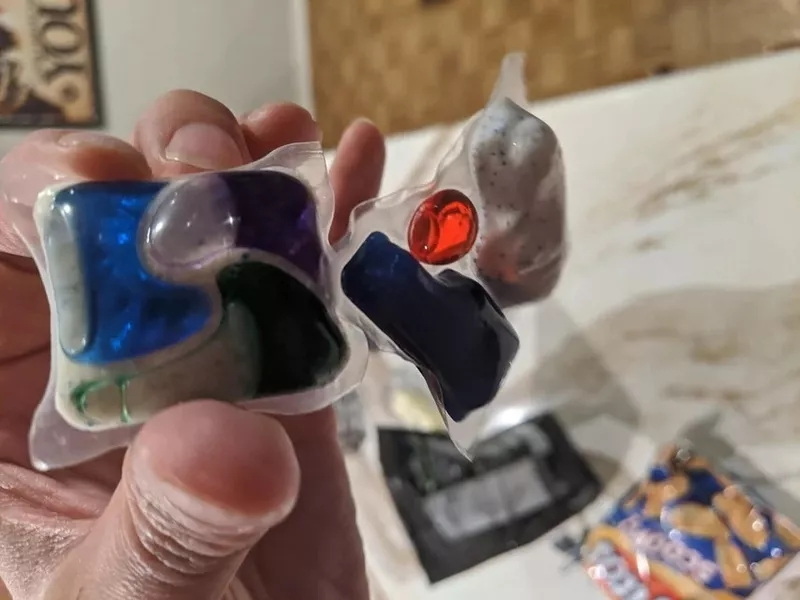
Finish pods—often called detergent tablets or capsules—are compact, individually sealed portions of dishwashing detergent. They contain a carefully balanced mix of cleaning agents, enzymes, and rinse aid in a dissolvable film.
Each pod typically includes:
- Detergents and surfactants: Break down fats and grease effectively.
- Enzymes: Target proteins and starches from food residue.
- Builders: Soften water and enhance cleaning efficiency.
- Rinse aid and anti-spotting agents: Ensure a streak-free, glossy finish on dishes and glassware.
This all-in-one construction allows users to avoid measuring detergent manually, ensuring the correct dosage and reducing waste. The exterior coating, made from polyvinyl alcohol (PVA), is designed to dissolve completely in water.
To understand whether pods can harm dishwashers, it's essential to look at how these machines function. During a wash cycle, the dishwasher fills with water, heats it, and sprays it around dishes through rotating arms. The Finish pod, placed in the detergent dispenser, is released automatically once the cycle reaches the wash phase.
As the PVA film dissolves, detergent and rinse aid mix with hot water to break down stubborn food residue. The rinse phase then removes loosened particles, leaving dishes spotless.
For optimal results, three factors must align:
1. Proper water temperature: Ideally between 120°F (49°C) and 140°F (60°C).
2. Adequate water circulation: Unblocked spray arms ensure detergent disperses evenly.
3. Correct pod placement: The pod must be placed in the detergent dispenser, not thrown loosely inside the dishwasher.
When these elements work together, Finish pods clean efficiently without leaving residue or harming the machine.
In general, Finish pods are designed to be safe for all dishwasher models. The ingredients are tested to minimize corrosion, scale buildup, or wear on machine components. However, improper usage or neglect can create issues that may resemble damage.
Incomplete dissolution can cause detergent residue around the dispenser or in filters. This often results from using eco cycles with cooler water or blocking the dispenser with overpacked dishes.
In areas with hard water, users might notice a cloudy film on dishes or inside the dishwasher. While pods contain water-softening agents, minerals like calcium and magnesium can still accumulate. This is not true “damage” but a maintenance issue that cleaning cycles can fix.
Using more than one pod per wash or running too many cycles daily can lead to detergent saturation, which accelerates rubber and plastic wear. Proper dosing—one pod per load—is vital.
If pods consistently fail to release, detergent residue can build up around the dispenser latch, affecting its movement. Regular cleaning of the door and hinge prevents this.
Some users assume frequent detergent use corrodes interior metal parts. In fact, rust typically comes from exposed steel racks or chips in plastic coatings, not the pod formula.
If your dishwasher begins showing performance issues, it doesn't necessarily mean Finish pods are to blame. Look for these signs and evaluate accordingly:
- White film on dishes: Often mineral deposits, not chemical damage.
- Soap residue: Indicates pods aren't dissolving due to low temperature or improper placement.
- Strange smells or buildup: Usually related to trapped food particles in the filter, not detergent itself.
- Cloudy glassware: May stem from hard water or overuse of pods.
Running maintenance cycles—using vinegar, citric acid, or commercial cleaners—can quickly remedy these problems.
Even the best detergents perform poorly when misused. These are the five most frequent user errors:
1. Placing pods directly at the bottom. They dissolve too soon, before water reaches optimal temperature.
2. Doubling up pods for heavy loads. Overdosing reduces rinse efficiency and can lead to streaks.
3. Running short cycles. Quick cycles don't allow enough time or heat for proper dissolution.
4. Ignoring manufacturer guidelines. Different dishwasher models have unique dispenser designs.
5. Neglecting maintenance. Filters and spray arms require cleaning monthly to prevent buildup.
Avoiding these habits ensures smooth operation and long-term protection for your appliance.
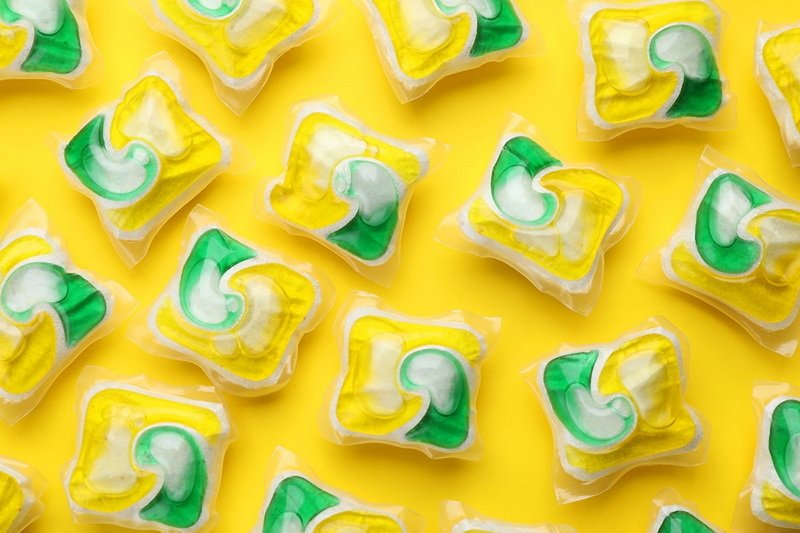
Many homeowners wonder whether pods, powders, or gels are safest for dishwashers. Here's a clear comparison:
| Detergent Type | Pros | Cons |
|---|---|---|
| Pods/Tablets | Convenient, consistent dosage, compact storage | May not dissolve properly in cold water |
| Powder | Cost-effective, customizable usage | Can clump or leave residue if humidity is high |
| Gel/Liquid | Easy to use, dissolves quickly | Less effective for baked-on food |
In terms of cleaning strength and dishwasher safety, pods strike a balance between efficiency and convenience.
Yes, water quality plays a major role. In regions with hard water, Finish pods may struggle to prevent mineral deposits entirely. To counteract this:
- Use Finish Rinse Aid or Finish Dishwasher Cleaner monthly.
- Consider installing a water softening system or adding rinse boosters.
- Ensure regular descaling to maintain spray arm efficiency.
Soft water, by contrast, enhances detergent effectiveness and minimizes spotting.
Following a few practical steps makes all the difference:
1. Load dishes so no plates or pans block the detergent compartment.
2. Place one pod into the dispenser—do not puncture or unwrap it.
3. Select a normal or intensive cycle for full dissolution.
4. Keep your dishwasher filter clean after every few washes.
5. Once a month, run an empty cycle with Finish Machine Cleaner to maintain freshness.
By applying these habits, you protect dishwasher components while ensuring optimal cleaning power.
Major appliance companies like Bosch, Miele, LG, and Whirlpool specifically list Finish detergents as compatible with their models. Manufacturer testing confirms that these pods neither harm heating elements nor corrode stainless-steel interiors.
According to appliance technicians, the root causes of most dishwasher problems include:
- Hard water scaling.
- Blocked or dirty filters.
- Old door seals.
- Consistent neglect of cleaning cycles.
When used properly, Finish pods are safe and can even improve cleaning system longevity by preventing food grease buildup.
Finish pods are continually evolving to meet sustainability targets. The brand has introduced biodegradable PVA films, phosphate-free formulations, and concentrated cleaners that require less packaging. Nonetheless, it's important to use and store them responsibly:
- Keep out of reach of children. The colorful pods can attract toddlers.
- Store in a cool, dry place away from moisture.
- Do not reuse packaging for food storage.
From an ecological standpoint, the reduced water and energy consumption per load—thanks to pods' efficiency—makes them more environmentally favorable than older detergent styles.
Regular dishwasher care extends the life of both the machine and your Finish pods' effectiveness. Follow these maintenance practices:
1. Clean filters weekly. Rinse mesh screens and check for trapped food.
2. Inspect spray arms monthly. Use a needle to remove clogs from nozzle holes.
3. Check seals and gaskets. Wipe with mild soap to prevent mildew.
4. Descale the machine every three months. Use citric acid or a Finish cleaner.
5. Leave the door open after washing. This prevents trapped moisture and odor.
6. Replace damaged racks or seals quickly. Minor rust can spread over time.
A well-maintained dishwasher ensures pods dissolve evenly and perform at peak efficiency.
Even with proper use, occasional performance dips occur. Here's how to handle them:
- Cloudy dishes: Add rinse aid or switch to a longer, hotter cycle.
- Soap residue: Wipe the dispenser, clean spray arms, and confirm water temperature.
- Stuck pods: Ensure that nothing blocks the dispenser door and load dishes with gaps between plates.
- Persistent odor: Clean the drain filter and run an empty cycle with vinegar.
Simple solutions often restore full functionality without service calls.
Dishwashers typically last 9–12 years, depending on usage frequency and care. Replace components like door seals or racks when damaged to prevent leaks and rust. If the motor becomes noisy or cycles begin lasting too long, professional servicing may be necessary. Using Finish pods correctly helps reduce strain on internal components, potentially extending your appliance's lifespan.
Finish pods, by design, are safe for dishwashers when used as directed. They do not corrode interiors, clog systems, or wear down rubber seals under normal conditions. Most problems associated with dishwasher malfunction stem from improper use, water hardness, or neglected maintenance—not from the pods themselves.
By following simple best practices—running regular cleaning cycles, ensuring proper loading, and sticking to one pod per wash—you can enjoy years of sparkling dishes and reliable performance. Finish pods remain a top-tier choice for efficiency, safety, and spotless results across various dishwasher models.
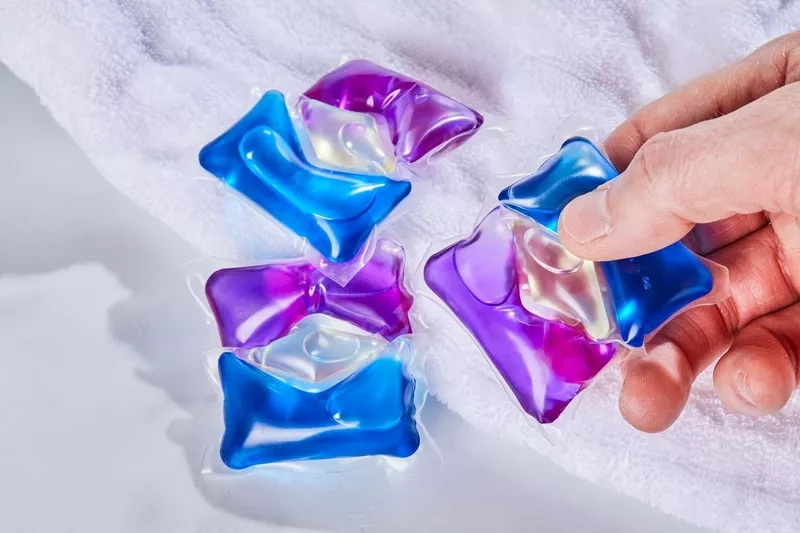
Yes. Finish pods are compatible with nearly every major dishwasher brand, including Bosch, Whirlpool, LG, and Samsung, when used correctly.
Confirm that the water temperature reaches at least 120°F (49°C). If dishes block the dispenser, the pod may not release fully. Clean the dispenser and ensure proper placement.
Yes, but older models may require longer, hotter cycles. Always check the instruction manual or run test loads to verify compatibility.
Modern Finish pods are phosphate-free, and their ingredients meet international safety standards. However, they should be kept away from children and pets.
Run an empty cycle monthly with Finish Machine Cleaner or vinegar. Wipe down filters and seals regularly to remove grease and detergent buildup.


