
Views: 222 Author: Tomorrow Publish Time: 12-23-2025 Origin: Site


Content Menu
● What Are DIY Dishwasher Pods?
● Common Ingredients and Their Roles
● How DIY Dishwasher Pods Work
● The Science Behind Cleaning Power
● Pros of Using DIY Dishwasher Pods
● Cons of Using DIY Dishwasher Pods
● Safety and Environmental Impact
● How to Make DIY Dishwasher Pods
● How to Improve DIY Dishwasher Pod Performance
● Real-World Performance Versus Commercial Pods
● When DIY Pods Might Not Be Ideal
● Troubleshooting Common DIY Dishwasher Pod Problems
● FAQ
>> 1. How long do DIY dishwasher pods last?
>> 2. Can I make dishwasher pods without borax?
>> 3. Why do my homemade pods leave a chalky film?
>> 4. Are DIY dishwasher pods safe for septic systems?
>> 5. Can I customize DIY pods for different water types?
Making your own dishwasher pods at home has become a popular trend among eco-conscious consumers, budget-conscious households, and DIY enthusiasts. Videos and recipes flood social media platforms claiming that these homemade pods perform just as well as brand-name detergents — without the plastic, the cost, or the chemicals. But do DIY dishwasher pods really work as effectively as advertised?
In reality, the answer isn't as simple as “yes” or “no.” Their effectiveness depends largely on your dishwasher type, water hardness, recipe ratios, and how carefully they're made and stored. This article explores what goes into DIY dishwasher pods, how they work, what results you can expect, and how to make them more efficient while avoiding common pitfalls.

DIY dishwasher pods (sometimes called homemade dishwasher tablets or cubes) are compact portions of cleaning powder or paste that dissolve during the dishwashing cycle. They aim to mimic the convenience of commercial pods without synthetic surfactants or non-recyclable packaging. People create them using accessible ingredients like washing soda, baking soda, citric acid, and salt — all known for their cleaning properties.
These pods offer a customizable approach to dishwashing. You can control every component, reduce single-use plastic waste, and modify the recipe based on your local water type. However, not all DIY solutions behave like commercial detergents, which undergo extensive lab testing to balance pH levels, enzyme concentration, and water-softening compounds.
The magic (or science) behind DIY dishwasher pods lies in understanding how various common ingredients interact. Each has a unique chemical function that contributes to cleaning and sanitation:
- Baking soda (sodium bicarbonate): A gentle cleanser that neutralizes odors, removes light stains, and balances pH levels. It's the foundation of most DIY cleaning recipes.
- Citric acid: Responsible for dissolving mineral deposits, hard water stains, and limescale. It also helps break down grease and enhances rinsing performance.
- Washing soda (sodium carbonate): Stronger than baking soda, it acts as a powerful degreaser and water softener. It boosts alkaline properties to handle stuck-on residues.
- Borax: Used in some recipes as a natural disinfectant and stain remover. However, due to toxicity concerns, many people choose to omit it.
- Coarse salt: Prevents cloudy films on glassware and helps regulate the ionic balance in hard water conditions.
- Cornstarch or arrowroot powder: Occasionally added as a natural binder to help the pods hold their shape.
- Essential oils (optional): Add a pleasant scent and mild antibacterial effects. Lemon, tea tree, and eucalyptus are among the most popular choices.
- White vinegar (rinse aid): Though not part of the pod itself, it acts as a natural alternative to commercial rinse aids, ensuring streak-free shine.
While these ingredients are generally effective individually, their combined cleaning action depends on correct ratios and proper mixing. An incorrect balance can lead to residues, excess foam, or reduced cleaning efficiency.
When you start your dishwasher, the pod dissolves once it encounters hot water. The water triggers a chemical reaction between acidic and basic components — primarily between citric acid and washing soda. This reaction releases carbon dioxide, which helps lift food particles and residue from dish surfaces.
During the wash cycle:
1. Baking soda and washing soda loosen dirt, grime, and grease through mild alkalinity.
2. Citric acid fights limescale buildup, neutralizes mineral hardness, and brightens glassware.
3. Salt prevents spots and water marks by neutralizing calcium and magnesium.
4. In some cases, borax or vinegar rinse adds an antimicrobial layer, minimizing bacteria.
While these basic reactions can effectively clean moderately soiled dishes, they often fall short against heavily baked or oily residues. Commercial pods benefit from engineered surfactants and enzymatic agents designed to decompose proteins, starches, and fatty substances — something home chemistry simply can't replicate with household materials.
Dishwasher detergents function primarily through three actions: chemical cleaning, mechanical agitation, and thermal sanitization. DIY pods rely predominantly on the first mechanism. The alkaline nature of washing soda and baking soda helps break down organic matter, while acids such as citric acid lower pH temporarily to tackle limescale. The key challenge is achieving balance — if the mix is too acidic, it reduces degreasing efficiency; too alkaline, and it may leave residues or dull finishes.
Dishwashers also vary in temperature and water distribution patterns. Older models that use more water tend to handle homemade detergents better, while high-efficiency units that use less water often need low-sudsing, formulated agents to avoid buildup or inefficiency.
Understanding these chemical and mechanical dynamics helps you tailor your DIY pods for optimal performance.
There are legitimate advantages to using homemade dishwasher pods, especially for those pursuing sustainable or frugal lifestyles:
1. Significant cost savings: A batch of 20–30 pods often costs less than a few dollars to make.
2. Environmental benefits: Minimal packaging and biodegradable ingredients help reduce landfill waste and microplastic pollution.
3. Ingredient transparency: You have full oversight of every chemical that touches your dishes.
4. Customizable formulas: Adjust ingredients for different water conditions or levels of soiling.
5. Reduced plastic footprint: No single-use pods, no plastic film casings — just reusable storage jars.
6. Low allergen risk: Homemade pods can exclude sulfates, chlorine bleaches, dyes, or fragrances that can trigger sensitivities.
These benefits make DIY dishwasher pods appealing, particularly for people experimenting with green living or cutting down household chemical exposure.
Despite the positives, not everyone finds DIY pods reliable. There are several valid reasons for this:
1. Inconsistent outcomes: Recipes vary across sources, and small measurement differences can affect results.
2. Performance gap: Without specialized surfactants and enzymes, you may notice residual food particles or grease on heavily soiled dishes.
3. Possible buildup: Homemade formulas might leave a white film or haze in dishwashers over time if ratios are off.
4. Storage and stability issues: Moisture can cause premature reactions, making pods soft or crumbly.
5. Extra effort: Commercial pods offer convenience — just pop them in. DIY versions require preparation, drying time, and airtight storage.
It's essential to evaluate whether the trade-off between cost and cleaning performance aligns with your household priorities.
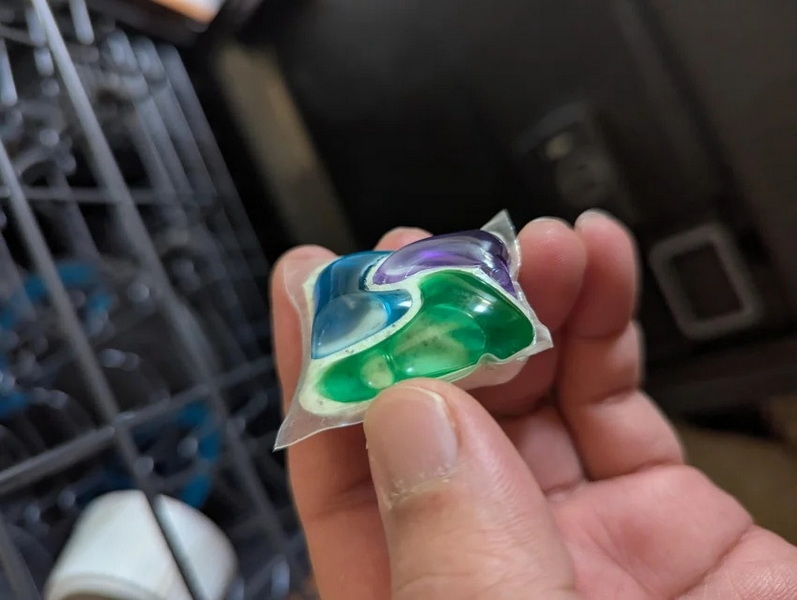
One of the strongest motivations behind the DIY cleaning movement is sustainability. Homemade dishwasher pods can substantially lower your environmental footprint. Most ingredients are non-toxic, biodegradable, and derived from natural mineral salts rather than synthetic surfactants. You can store them in glass jars or metal tins instead of disposable plastic tubs.
However, users should handle certain substances carefully. Borax, though natural, can cause irritation or toxicity if ingested in large quantities or in contact with the skin. Always label storage containers clearly and keep them out of children's reach.
For the most eco-friendly and safe version, stick with baking soda, washing soda, salt, and citric acid only—these are gentle yet effective core ingredients.
Also, keep in mind your septic system or plumbing setup. DIY pods with mild bases and acids are typically safe, but avoid dumping large concentrations of undissolved pods or residues directly into drains.
Here's a simple, well-balanced recipe to help you test how homemade pods perform in your kitchen:
Ingredients:
- 1 cup washing soda
- 1 cup baking soda
- ½ cup citric acid
- ½ cup coarse salt
- 2 tablespoons water (just enough to bind)
- Optional: 10 drops lemon essential oil for fragrance
Instructions:
1. Mix all dry ingredients in a large bowl.
2. Add essential oil if desired.
3. Slowly spritz in water while stirring until the mixture begins to clump (avoid over-wetting).
4. Scoop the mixture into ice cube trays, pressing firmly.
5. Let dry for at least 24 hours until hardened.
6. Store in an airtight glass jar away from humidity.
To use, place one pod in your dishwasher's detergent compartment and run as usual. Add a half-cup of white vinegar in the rinse aid compartment for extra shine.
Several small strategies can improve the results of your homemade detergent:
- Adjust ingredient balance: Increase citric acid in hard water areas to reduce spots; increase washing soda for greasy loads.
- Use hot water cycles: The higher temperature helps dissolve the pods more completely.
- Add vinegar rinse: Pour a few tablespoons into the rinse aid holder for streak-free glassware.
- Clean dishwasher filters regularly: Residue or mineral buildup can reduce cleaning efficiency, no matter what detergent you use.
- Experiment with water hardness: Use test strips to measure water hardness, then fine-tune your recipe.
These tweaks can significantly influence how well your DIY pods perform, turning an average outcome into a truly satisfying one.
In real-world tests, users often report that DIY pods clean lightly soiled dishes effectively but struggle with tougher residues such as baked cheese, curry stains, or greasy pans. Commercial formulations contain specialized enzymes like protease and amylase, which break down proteins and carbohydrates at a molecular level, something ordinary kitchen ingredients can't replicate.
That doesn't mean DIY pods fail entirely — rather, they cater to different expectations. For users whose priority is cost reduction and sustainability, slightly lower cleaning intensity may be an acceptable trade-off. You might also combine strategies, using DIY pods for light, everyday washing and commercial detergent for heavy-duty cycles.
Homemade pods may not suit everyone, particularly those with:
- Extremely hard water: Without commercial-grade softening agents, buildup can occur.
- High-efficiency dishwashers: Designed for specific low-suds detergents that may not align with DIY formulas.
- Large households: Frequent heavy washing may emphasize performance gaps over time.
- Restaurants or catering businesses: Professional cleanliness standards often require powerful, regulated chemicals.
However, for small households or eco-focused individuals, homemade dishwasher pods can work surprisingly well when optimized correctly.
Even with proper ratios, certain issues might arise. Here are quick fixes for frequent problems:
- Pods won't harden: Too much liquid added; allow longer drying time or add more baking soda.
- Residue on dishes: Insufficient citric acid or poor water circulation; adjust acid level or clean spray arms.
- Cloudy glassware: Add vinegar rinse or reduce salt.
- Pod not dissolving: Excess moisture in storage caused pre-reaction; ensure pods are fully dry and airtight.
- Unpleasant odor: Use essential oils or fresh lemon juice in the mixture to neutralize smells.
With small experiments and patience, you can produce consistent, clean results that rival commercial detergents for everyday use.
So — do DIY dishwasher pods work? Yes, they can, but their success depends on how well they're formulated and whether your dishwasher setup suits them. They excel in simplicity, sustainability, and cost-effectiveness but may not achieve the same deep-clean power or polish as enzyme-based commercial pods.
If you enjoy DIY projects, value transparent ingredients, and don't mind tweaking ratios for best results, homemade dishwasher pods are a creative and eco-friendly solution. However, if you prioritize time savings and top-tier performance, store-bought options still lead in science-backed consistency.
Ultimately, DIY dishwasher pods aren't just about clean dishes — they're also about reclaiming control over what goes into your home routine, embracing sustainability, and finding satisfaction in self-made efficiency.
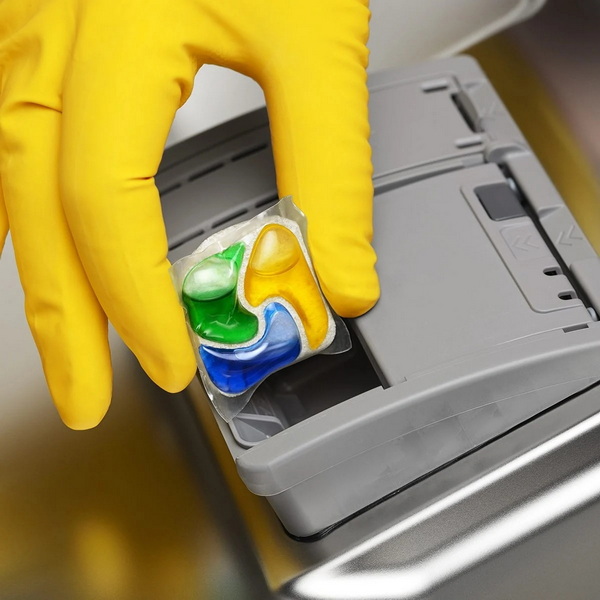
Homemade pods typically last about three months when stored in an airtight glass or plastic container. Keep them dry and out of direct sunlight to prevent moisture reactions.
Absolutely. Replace borax with additional washing soda or baking soda. This version is safer, especially for households with children or pets.
Film often comes from too much washing soda or undissolved residue. Try rinsing dishes with white vinegar or adjusting ratios to include more citric acid.
Yes, they're generally safe because the main ingredients are biodegradable and non-toxic. Avoid heavy borax use to maintain septic balance.
Yes. For hard water, add more citric acid or salt. For soft water, reduce acid slightly to prevent etching or dulling of glassware.


