
Views: 222 Author: Tomorrow Publish Time: 12-23-2025 Origin: Site


Content Menu
● What Are Dishwasher Soap Pods?
● How Dishwasher Soap Pods Dissolve
>> The dissolution process works in four steps:
● What Influences Pod Dissolution
>> 2. Water Pressure and Spray Distribution
>> 5. Humidity and Storage Conditions
● The Chemistry Behind Water-Soluble Films
>> Sustainability benefits of dishwasher pods
● Best Practices for Effective Pod Use
● Troubleshooting Common Pod Problems
>> Pod residue or slime in the dishwasher
>> Detergent stuck in the dispenser door
● Comparing Pods to Other Detergents
● Maintenance Tips for Better Dishwasher Performance
● Safety Tips When Handling Pods
● The Future of Dishwasher Pod Technology
● FAQ
>> 1. Why is my dishwasher pod not dissolving completely?
>> 2. Are all dishwasher pods biodegradable?
>> 3. Can I put the pod directly in the dishwasher instead of the dispenser?
>> 4. Do pods work in all dishwasher models?
>> 5. How can I prevent detergent residue or white films on dishes?
Dishwasher soap pods have transformed the way many of us handle dirty dishes. These small but powerful capsules promise convenience, cleanliness, and the perfect amount of detergent with every wash. Yet if you've ever opened your dishwasher only to find a partially dissolved pod stuck in the corner, you might wonder—do dishwasher soap pods really dissolve completely?
The short answer is yes, they are designed to dissolve fully. However, several factors determine how effectively this happens. This article explores the science behind dishwasher pods, how they work, and what you can do to ensure proper dissolution every time.
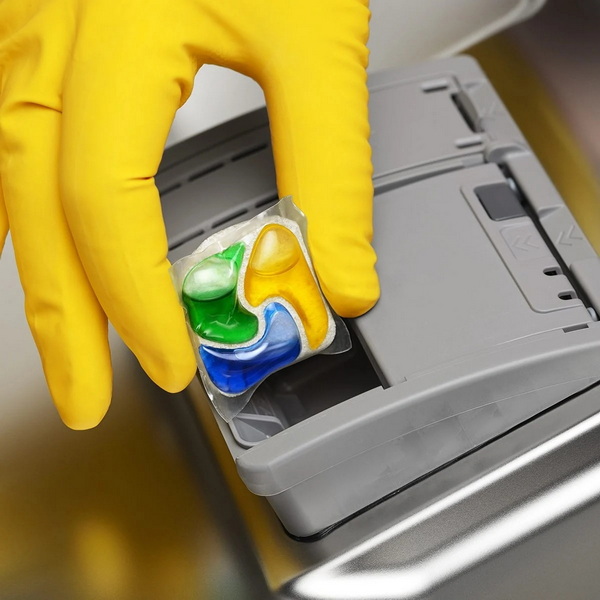
Dishwasher pods—also called tablets or capsules—are single-use detergent doses enclosed in a water-soluble film. Each pod combines multiple cleaning agents that work together to tackle grease, grime, and tough residue. Manufacturers pre-measure these ingredients to remove the need for manual dosage, ensuring consistent performance with every cycle.
Most dishwasher pods contain:
- Surfactants: These reduce the surface tension of water, helping it lift off grease and grime.
- Enzymes: Biological agents that break down protein- and starch-based food particles.
- Oxygen-based bleaches: Chemicals that remove stains and sanitize dishes.
- Rinse aids: Additives that prevent water spots and promote shine.
- Binders and builders: Substances that soften water and enhance cleaning efficiency.
What makes pods appealing is their ease of use—no pouring, measuring, or messy spills. Just load your dishes, insert the pod into the detergent compartment, and start the cycle.
The dissolving process begins as soon as water enters the dishwasher. The pod's outer film, typically made of polyvinyl alcohol (PVA), reacts with moisture. As the film dissolves, it releases the concentrated detergent inside.
1. Initial contact: Water from the prewash spray hits the detergent drawer.
2. Film breakdown: The PVA film dissolves rapidly when exposed to warm water.
3. Detergent release: Enzymes and surfactants mix with water, activating their cleaning action.
4. Rinsing stage: The rinse aid helps remove any leftover residue and promotes drying.
Dishwasher pods are engineered to dissolve completely under specific temperature and flow conditions—usually between 120°F and 160°F (49°C to 71°C). If those conditions aren't met, pods may not fully dissolve, leading to leftover film or clumps.
Although pods are designed to work universally, real-world factors such as water quality, dishwasher design, and detergent age can interfere. Let's explore the most common influences.
Cold water is the number one reason pods remain undissolved. The PVA film requires warmth to melt properly. If your home's water heater is set below 120°F, it might prevent full dissolution. Running the dishwasher after other hot water usage—like showers or laundry—can also result in cooler cycles.
For proper pod activation, your dishwasher's spray arms must deliver sufficient water force and coverage. Clogged or obstructed nozzles disrupt flow, preventing the pod from dissolving completely. Regularly clean spray arms to maintain even distribution.
When plates, bowls, or pans block the detergent door, the pod may not get enough water exposure. Always place large items away from the detergent compartment to ensure unobstructed spray.
Short or eco-friendly cycles conserve water and energy but use lower temperatures. While good for sustainability, they may not always dissolve pods fully. For heavy loads or greasy dishes, opt for a full or intensive wash.
Exposure to air or moisture can prematurely weaken the pod's film. Store pods in a cool, dry place, ideally in an airtight container. Avoid keeping them under the sink, where humidity tends to be high.
The magic of detergent pods lies in polyvinyl alcohol, a synthetic polymer that dissolves seamlessly in water. It's transparent, flexible, and completely safe for home use. When water molecules interact with the PVA's hydroxyl groups, they break down its structure into biodegradable fragments.
- Molecular structure: PVA molecules have strong hydrogen bonds that resist dissolution until they reach a specific temperature threshold.
- Biodegradability: Once dissolved, PVA can be decomposed by naturally occurring microorganisms in wastewater treatment systems.
- Safety: It's non-toxic and approved for use in household cleaning and food packaging applications.
Modern pods use multi-chamber PVA designs, which isolate certain ingredients like enzymes and bleaching agents until needed. This timed-release mechanism prevents chemical interference and maximizes cleaning power.
Despite their convenience, detergent pods raise environmental debates. The main concern revolves around whether PVA film fully biodegrades after wastewater discharge.
Studies show that while most municipal wastewater systems can break down PVA efficiently, incomplete treatment in certain areas may allow trace quantities to persist. However, the environmental footprint of pods is generally far lower than traditional liquid detergents because they minimize chemical waste and packaging material.
- Reduced packaging waste: Each pod replaces multiple ounces of bottled detergent.
- Optimized dosing: Prevents chemical overuse and water pollution.
- Smaller carbon footprint: Compact size reduces shipping and storage impact.
If sustainability is your concern, choose eco-certified brands that use plant-based ingredients and biodegradable PVA films. Several manufacturers also produce pods certified by EU Ecolabel or EPA Safer Choice standards.
Proper usage ensures full dissolution and spotless dishes every time. Consider the following best practices:
1. Start with hot water: Run your kitchen tap for 30 seconds before starting the dishwasher to guarantee hot water flow at the beginning of the cycle.
2. Place the pod correctly: Always insert it into the detergent dispenser, not directly on the rack or tub bottom.
3. Avoid overloading: Too many dishes reduce water circulation, which can trap pod residue.
4. Clean filters and spray arms: Regular maintenance keeps the water flow unrestricted.
5. Use the right cycle: For heavy loads or greasy cookware, select a long, hot wash for optimal pod performance.
6. Add a rinse aid: It promotes faster drying and reduces detergent spots caused by mineral deposits.
Following these steps will extend your dishwasher's life and ensure that your pods dissolve completely, leaving no waste behind.
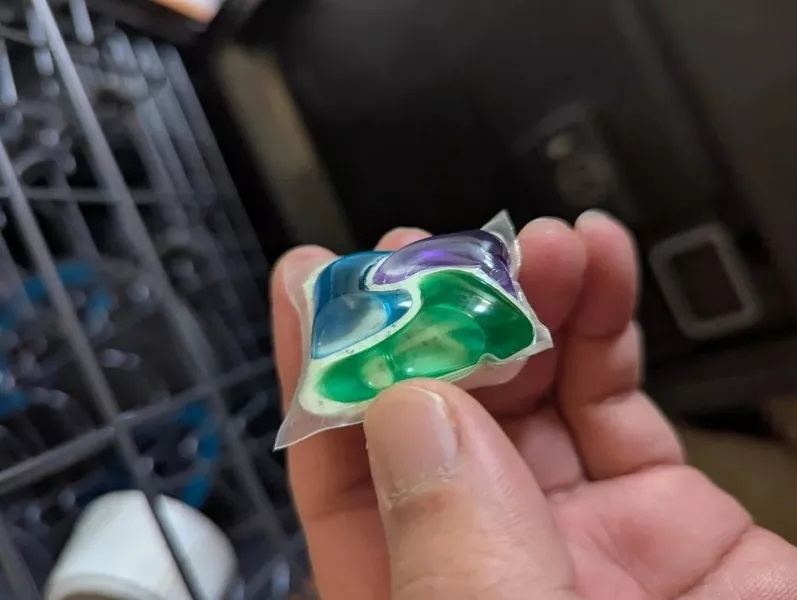
Even with proper care, problems can arise. Here's how to address them:
Check water temperature first. If it's below 120°F, increase the heater setting. Clean the filter and dispenser to remove buildup that could restrict water spray.
Blocked dishes can cause the door to fail to open at the right time. Reorganize the load so the compartment remains clear.
Hard water minerals often cause this. Use a rinse aid or water softener to improve solubility and shine.
Store detergents in a sealed container away from humidity. Avoid touching pods with wet hands.
Addressing these small issues promptly ensures consistent washing outcomes and preserves dishwasher performance.
Dishwasher pods aren't the only cleaning option. Depending on your dishwasher, water quality, and preferences, you may explore other detergent forms.
| Type | Advantages | Disadvantages |
|---|---|---|
| Pods | Consistent dosing, easy to use, effective in all temperatures | More expensive, risk of incomplete dissolving |
| Powders | Adjustable dosing, great for hard water | Can clump if exposed to moisture |
| Liquids/Gels | Dissolve quickly, safe for short cycles | Harder to measure accurately, can over-suds |
| DIY natural cleaners | Eco-friendly, inexpensive | Not always as effective on grease or baked-on food |
Among all types, pods offer the best combination of convenience and cleaning power. They simplify dishwashing while reducing waste caused by over-pouring detergent.
Your dishwasher's efficiency directly affects how well pods dissolve. Routine maintenance keeps it running smoothly.
- Clean filters monthly: Food debris can block water flow.
- Descale regularly: Hard water can leave mineral buildup, interfering with heating elements.
- Inspect spray arms: Remove and rinse them if nozzles appear clogged.
- Check seals and gaskets: Mold can accumulate, trapping odors.
- Run an empty hot cycle with vinegar: This natural cleaner removes detergent residue and buildup.
Clean machines allow pods to dissolve completely and ensure that your dishes come out sparkling every time.
Dishwasher pods contain concentrated chemicals and should be handled responsibly:
- Keep out of reach of children and pets.
- Avoid touching with wet hands, as moisture can cause premature film activation.
- Never puncture, cut, or unwrap a pod.
- Store them in their original, sealed container.
If accidental ingestion occurs, contact poison control immediately. Although pods are safe for dishwashers, they are not meant to be handled excessively.
Manufacturers continue improving pod formulations with enzyme optimization, low-temperature solubility, and plant-based cleaners. Future designs may include smart dissolving technology that adapts to wash conditions, ensuring full activation even in lower heat or shorter cycles.
The shift toward zero-waste packaging and fully compostable films also signals progress. As materials science evolves, the answer to whether dishwasher pods dissolve won't just be “yes”—it'll be “yes, cleanly and sustainably.”
Do dishwasher soap pods dissolve? Absolutely—when used correctly. Their PVA-based films melt in warm water, releasing a potent mix of detergents that cut through grease, food residue, and stains. Problems typically arise from cold water, blocked compartments, or short cycles rather than faulty pod design.
By maintaining your dishwasher, storing pods properly, and using full-temperature wash cycles, you can enjoy flawless cleaning results every time. Dishwasher pods represent smart chemistry meeting everyday convenience—a small innovation that continues to redefine household hygiene for busy modern lives.
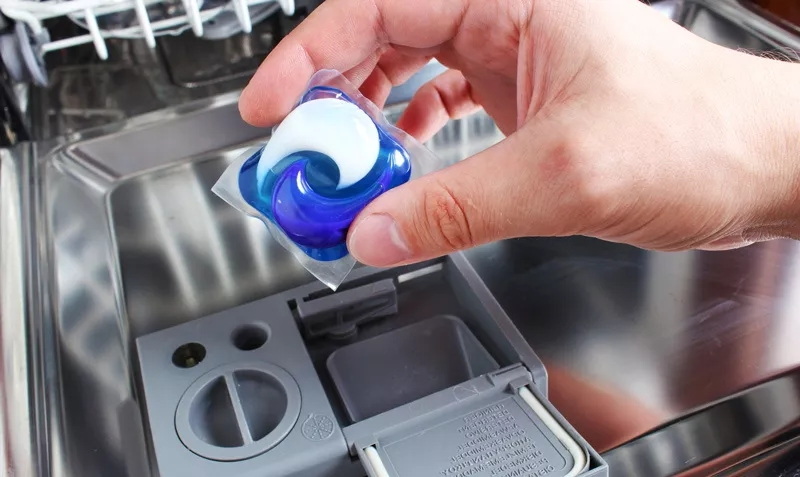
Incomplete dissolution is often due to low water temperature or obstructed spray arms. Ensure your dishwasher reaches at least 120°F and that dishes don't block the dispenser door.
Most premium pods use biodegradable PVA films and plant-based ingredients, but biodegradability depends on local wastewater treatment capabilities. Choose eco-certified brands when possible.
No. The detergent drawer times the pod's release for maximum cleaning efficiency. Placing it directly in the tub can cause early dissolution and poor results.
Yes, but performance varies with design and spray pattern. Check your manufacturer's guidelines to determine the recommended detergent type.
Maintain proper water temperature, use rinse aids, and clean filters regularly. Hard water users should consider installing a softener for best results.


