
Views: 222 Author: Tomorrow Publish Time: 12-21-2025 Origin: Site


Content Menu
● How Dishwasher Pods Differ from Liquids and Powders
● The Chemistry Behind Dishwasher Pods
● Benefits of Using Dishwasher Pods
>> 5. Environmentally improved options
● Environmental Impact of Dishwasher Pods
● Best Practices for Using Dishwasher Pods
● Comparing Pod Brands and Performance
● Are Dishwasher Pods Worth the Cost?
● The Science of Water Hardness and Pod Efficiency
● Innovations in Dishwasher Pod Design
● FAQ
>> 1. How do dishwasher pods clean dishes so effectively?
>> 2. Can dishwasher pods damage my machine?
>> 3. Are dishwasher pods environmentally friendly?
>> 4. What should I do if a pod doesn't dissolve properly?
>> 5. Can dishwasher pods be used for handwashing?
Modern kitchens have embraced convenience, efficiency, and sustainability—and one small but significant contributor to that evolution is the dishwasher pod. These tidy, pre-measured packets of detergent promise spotless dishes with minimal effort. Yet, some consumers still wonder: Do dishwasher pods really work better than traditional liquids or powders?
To answer this confidently, we need to look beyond marketing claims and analyze how pods actually function, their chemistry, benefits, drawbacks, and environmental impact. Let's explore whether they truly deliver superior results in everyday use.
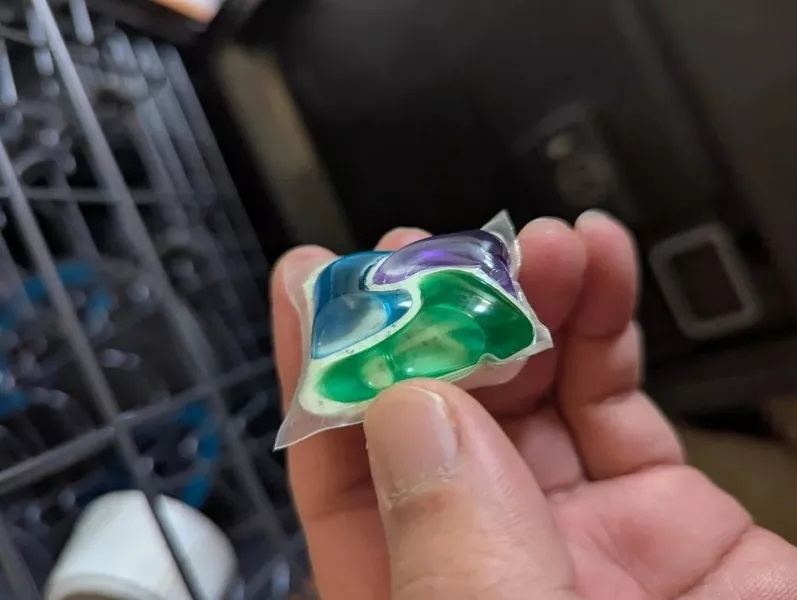
Dishwasher pods, also called tablets or detergent capsules, are compact cleaning units designed to simplify dishwashing. They typically contain a blend of detergent, enzymes, and rinse aid packed in a water-soluble film that dissolves during the wash cycle.
A standard pod includes:
1. Detergent agents – break down food particles, fats, and grease.
2. Enzymes – help target organic residues, such as proteins and carbohydrates.
3. Oxygen-based bleach – removes stains from coffee, tea, and sauces.
4. Rinse aid – prevents water spots and speeds up drying.
This combination means each pod delivers a balanced, multi-step cleaning process. It ensures consistency across loads, regardless of the user's measuring habits.
Traditional detergents like liquid or powder cleaners have served households for decades. However, they require manual measuring, which can lead to product waste, residue buildup, or reduced cleaning power.
Dishwasher pods, in contrast, are pre-dosed for precision—they release an optimized amount of detergent for one full load. For newer dishwashers designed with low-water cycles, this measured control prevents the formation of excess suds, which can harm cleaning efficiency.
Moreover, multi-chamber pods dissolve in stages, ensuring each ingredient activates during the most effective phase of the wash. In comparison, liquid detergents often release all components at once, leading to potential inefficiencies in long or high-temperature cycles.
The sophisticated chemistry inside these pods plays a major role in their superior performance. When the dishwasher begins filling with water, the pod's film dissolves completely, releasing its contents in a timed sequence.
- Enzymes break down protein- and starch-based residues at moderate temperatures (around 40–60°C).
- Surfactants lift away oils and greasy films from dish surfaces.
- Bleaching agents oxidize and eliminate tough stains that enzymes cannot handle.
- Rinse aids promote sheeting action, minimizing water droplets and streaks on glassware.
Together, these reactions produce dazzling results, especially in hard water conditions. Some advanced pods even include water softening agents that prevent calcium and lime buildup on dishes and machine components.
The rise in popularity of dishwasher pods is no coincidence. Their benefits extend beyond mere convenience.
No measuring or guessing—just place a pod into the detergent compartment and start the cycle. This ease appeals to busy households that value simplicity.
Each pod contains the ideal amount of detergent, ensuring uniform cleaning quality and preventing under- or overuse.
Pods come in compact packaging, which requires less storage space and reduces clutter compared to bulky detergent bottles.
Because pods include multiple cleaning agents and rinse aids, they reduce leftover spots and streaks, particularly on glassware and stainless steel.
Many brands now offer phosphate-free and biodegradable pods, aligning better with environmental concerns than earlier detergent formulas.
Pod technology has advanced to produce premium cleaning outcomes even in low-water and energy-efficient dishwashers, making them practical for eco-conscious consumers.
Despite their efficiency, dishwasher pods are not without limitations.
- Higher cost: On a per-load basis, pods are usually pricier than powders or liquids.
- Temperature sensitivity: In cooler cycles or older machines, pods sometimes fail to dissolve completely, leaving residue.
- Child safety risks: Their small, colorful appearance can be mistaken for candy, making them hazardous if ingested.
- Limited load customization: When washing half loads or lightly soiled dishes, there's no way to adjust the detergent quantity.
In short, while dishwasher pods simplify cleaning, they work best when paired with the right appliance and wash settings.
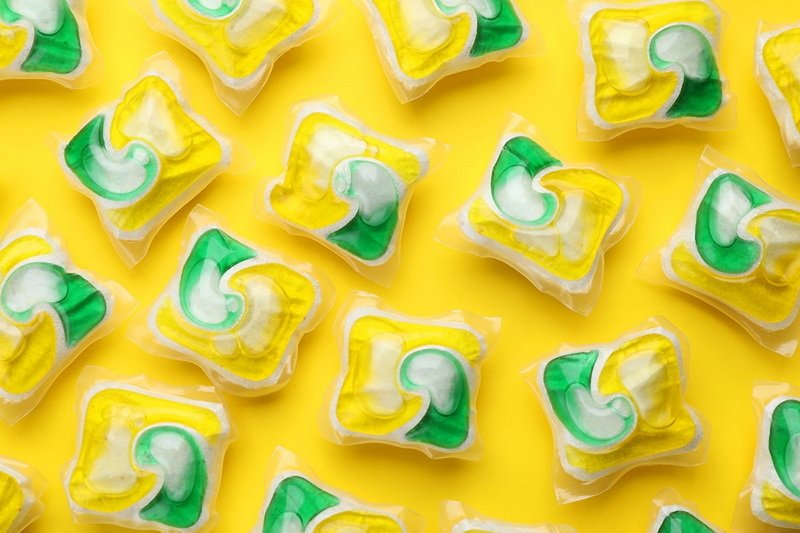
There is ongoing debate about whether dishwasher pods are truly “green.” The core issue lies in the PVA (polyvinyl alcohol) film used to wrap most pods. Although marketed as dissolvable and biodegradable, some studies suggest PVA may not completely degrade in natural aquatic systems unless processed under industrial conditions.
Leading brands like Finish, Cascade, and Ecover have made progress toward eco-responsibility by developing biodegradable formulations, compostable packaging, and phosphate-free cleaners. Still, to reduce your footprint, check for eco-labels such as EPA Safer Choice or EU Ecolabel to confirm sustainable manufacturing practices.
Moreover, using your dishwasher efficiently—running full loads, maintaining the filter, and choosing energy-saving modes—can significantly lower both water and energy use, offsetting the slight environmental cost of the pods' materials.
To unlock the full potential of dishwasher pods, proper handling and usage are key.
1. Load dishes correctly. Avoid overloading and ensure that dishwasher spray arms are unobstructed.
2. Use hot water cycles. Pods dissolve more effectively at temperatures above 120°F (49°C).
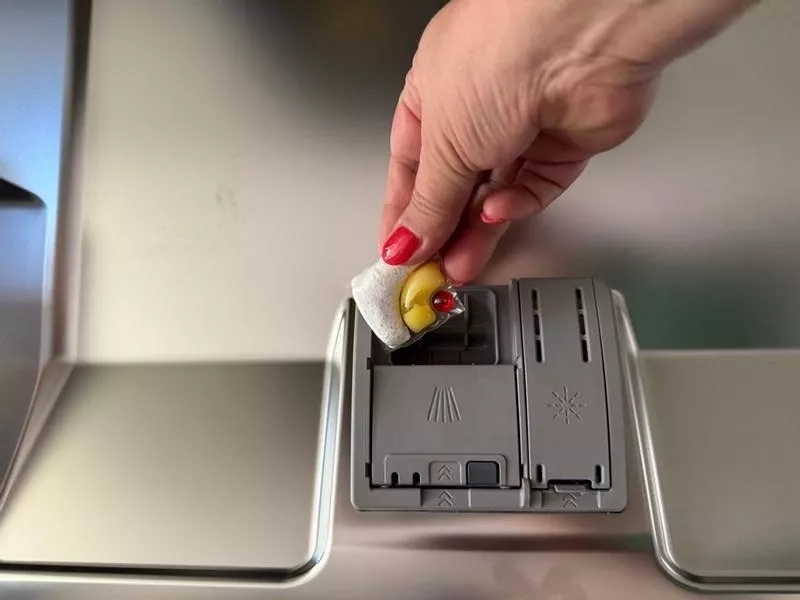
3. Place pods in the dispenser. Avoid tossing them directly into the bottom of the dishwasher, where early water contact may dissolve them prematurely.
4. Keep pods dry before use. Moisture or humidity can damage their protective film.
5. Store in original packaging. This ensures protection from air exposure and helps maintain product freshness.
Applying these practices consistently can maximize cleaning performance and extend your dishwasher's lifespan.
Several premium and budget brands dominate the dishwasher pod market. While they all share similar concepts, small formulation differences can impact results depending on your local water conditions and dishwasher model.
| Brand | Strengths | Limitations |
|---|---|---|
| Cascade Platinum | Excellent grease-cutting and quick dissolving; ideal for busy households. | Highest price per load. |
| Finish Quantum | Performs well in hard-water regions; strong against tea/coffee stains. | Can leave film on glassware if overused. |
| Ecover | Biodegradable, eco-friendly, gentle on hands. | May struggle with baked-on residue. |
| Seventh Generation | Plant-based, fragrance-free, non-toxic; safe for families. | Slightly less effective on heavy grease. |
| Kirkland Signature (Costco) | Affordable and reliable for everyday cleaning. | Limited rinse aid capabilities. |
Selecting the right pod involves balancing performance, eco-friendliness, and price. Trying two or three top-rated brands can help determine which one fits your preferences best.
When evaluating detergent choices, it's important to look beyond shelf price and consider actual cost per load. Dishwasher pods typically cost $0.20–$0.50 per use, while powders or liquids average $0.10–$0.25. However, because pods prevent overuse and reduce the need for re-washing, they can save time, water, and energy in the long run.
In households where dishwashers run daily—and especially with dishes that accumulate grease or burnt-on residue—pods offer excellent value and consistency. For occasional or light use, traditional detergents may remain more economical.
Water hardness significantly affects how well dishwasher pods perform. Hard water, containing high mineral levels (usually calcium and magnesium), can leave white spots or films on dishes.
Many pod manufacturers address this issue by incorporating chelating agents that bind mineral ions, preventing them from depositing on surfaces. If your home has extremely hard water, pairing pods with a dedicated rinse aid or installing a water softener can greatly enhance results.
Conversely, soft water regions may require less detergent strength, but pods remain effective thanks to their balanced, all-in-one composition.
In recent years, manufacturers have refined pod technology to improve dissolvability, reduce chemical waste, and enhance performance precision. Examples include:
- Multi-layer pods that release detergent and rinse aid at optimal phases.
- Plastic-free pods made from biodegradable cellulose film instead of PVA.
- Cold-water compatible formulas designed for low-energy cycles.
- Fragrance-free variants suitable for sensitive users and allergy sufferers.
These innovations continue to redefine dishwasher efficiency and align with modern environmental standards.
So, do dishwasher pods work better? In most cases—yes. They offer convenience, consistent cleaning, reduced detergent waste, and advanced stain removal compared to traditional products. While they cost slightly more and can face minor dissolution challenges, their performance and user-friendly design make them an excellent choice for contemporary households.
Ultimately, the “best” dishwasher detergent depends on your priorities. If you value efficiency, cleanliness, and simplicity, pods are hard to beat. For those seeking custom control or maximum affordability, powders or liquids remain reliable alternatives.
With ongoing advancements in eco-friendly formulas and packaging, dishwasher pods are likely to dominate the future of dishwashing, combining modern convenience with environmental responsibility.
They use a timed release of detergent, enzymes, bleach, and rinse aid that breaks down food, grease, and stains in stages, ensuring spotless dishes and minimal residue.
Not when used correctly. Always place them in the detergent dispenser. Misplacing them or using multiple pods can cause residue buildup or system errors.
Many modern brands are improving sustainability with biodegradable wrappers and phosphate-free formulas. Look for eco-certifications like “EPA Safer Choice” for environmentally responsible options.
Ensure that the wash cycle uses hot enough water (at least 120°F), check for overloading, and keep pods dry before use. You can also run a cleaning cycle to remove any residue build-up.
No. Dishwasher pods contain concentrated chemicals that are unsafe for skin contact and may cause irritation or burns. They are intended exclusively for machine washing.


