
Views: 222 Author: Tomorrow Publish Time: 12-21-2025 Origin: Site


Content Menu
● How Dishwasher Pods Dissolve and Work
● Why Some People Think Pods Clog Pipes
● Comparing Dishwasher Pods with Other Detergents
● How Plumbing Systems Handle Dishwasher Waste
● Practical Tips to Avoid Dishwasher Clogs
● Common Misconceptions About Dishwasher Pods
● How to Identify and Fix Dishwasher Clogs
● Environmental Considerations
● Balancing Convenience and Maintenance
● FAQ
>> 1. Do dishwasher pods dissolve completely?
>> 2. Can cold water prevent pods from dissolving?
>> 3. What should I do if a pod doesn't dissolve?
>> 4. Are dishwasher pods safe for septic systems?
>> 5. Can dishwasher pods damage rubber seals or plastic parts?
Dishwasher pods have reshaped how people clean their dishes, offering convenience and precise dosing without any mess. However, one persistent question concerns homeowners and plumbing professionals alike: do dishwasher pods really clog pipes? While some users report drainage or residue issues, the truth is more nuanced and depends on several factors including water temperature, detergent quality, dishwasher maintenance, and plumbing conditions.
To understand whether pods are truly to blame for pipe clogs, it's important to see how they function, dissolve, and interact with household plumbing systems. Once these dynamics are clear, you'll see that pods themselves rarely cause lasting plumbing trouble—proper use and maintenance make all the difference.
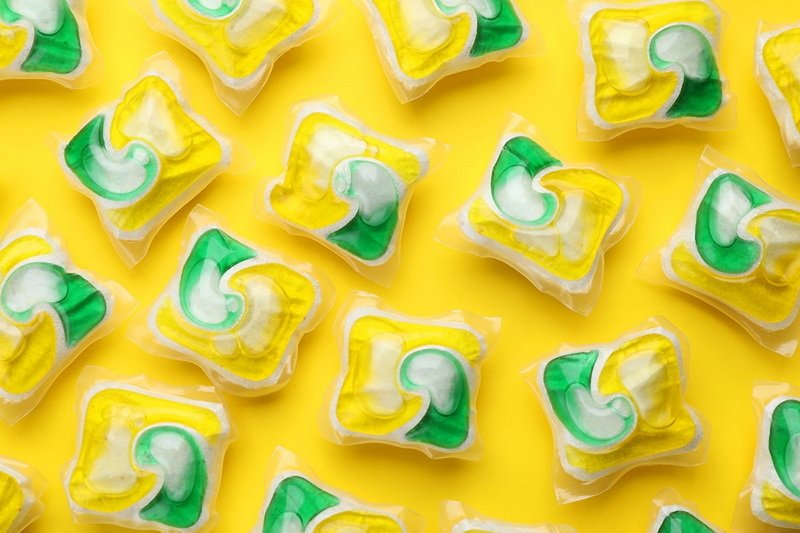
Dishwasher pods, sometimes called tablets or capsules, are small units that contain a blend of detergent, rinse aid, and other cleaning agents sealed within a dissolvable film. Most pod casings are made of polyvinyl alcohol (PVA) or polyvinyl alcohol hydrolate (PVOH), both of which are water-soluble and designed to break down completely during a hot wash cycle.
This innovation simplifies dishwashing. Rather than measuring powder or liquid detergent, users can simply drop a pod into the dispenser, close the door, and start the cycle. Each pod delivers consistent cleaning power, minimizing waste and preventing detergent overuse that can leave residue on dishes.
Dishwasher pods begin dissolving once exposed to the hot, pressurized water inside your machine. During the initial phase of the wash, the PVA film softens and then breaks apart, releasing the cleaning agents inside. These agents mix with water to create a powerful solution that cuts through grease and food debris.
The pod's ingredients typically include:
- Surfactants that loosen food particles.
- Enzymes that break down proteins and starches.
- Oxygen-based bleach for stain removal.
- Rinse aids that prevent spots and streaks.
A fully dissolved pod doesn't leave visible residue, as the dissolved film eventually biodegrades into harmless compounds like carbon dioxide and water. However, the dissolution process depends heavily on water temperature, spray pressure, and the dishwasher's internal cleanliness.
If the machine's spray arms are blocked, the dispenser door malfunctions, or the water is too cool, the pod might not dissolve fully, resulting in clumped detergent and a gummy residue that could collect near the drain over time.
Many homeowners notice slow draining or water collection inside the dishwasher and assume the pod has caused a blockage. In reality, the pod is rarely at fault. Most of the time, other underlying issues create conditions that make the residue harder to flush out.
Common contributing factors include:
1. Low water temperature.
If the water entering your dishwasher is below 120°F (50°C), the pod's film dissolves too slowly. This can leave behind undissolved fragments that mix with grease and food particles.
2. Overloading the racks.
Placing dishes too close together can block the spray arms from distributing water properly, preventing the pod from dissolving evenly.
3. Faulty detergent dispenser.
If the detergent door releases the pod too late or not at all, the pod might remain stuck in its compartment until the end of the cycle, only partially melting.
4. Food and grease buildup in the drain.
Residues from detergent can stick to existing grease, creating small clogs in hoses or filters.
5. Hard water deposits.
Minerals such as calcium and magnesium can build up around filters and pipes, trapping leftover detergent particles.
6. Improper maintenance.
Dishwashers require periodic cleaning to remove hidden debris and detergent residue that might accumulate inside pipes or pump mechanisms.
In short, the pod's formula is rarely the source of the problem—most cases blame operational or maintenance mistakes rather than the pod itself.
Before dishwasher pods gained popularity, most people used either liquid or powder detergents. Let's look at how these alternatives compare when it comes to potential clog risks.
| Type | Dissolution | Ease of Use | Risk of Residue | Clog Potential |
|---|---|---|---|---|
| Pods | Excellent when water is hot and circulation is strong. | Very high—no measuring required. | Low, if used correctly. | Minimal with proper temperature and maintenance. |
| Liquids | Quick and uniform. | Moderate—easy to overuse. | Medium—overuse leads to suds and residue. | Possible when detergent builds up in pipes. |
| Powders | Depends on humidity and dosage. | Moderate—requires careful measuring. | Medium to high in humid environments. | Possible if clumped powder fails to dissolve. |
Pods are engineered for precision, which means they often perform better if the dishwasher is functioning as intended. Liquids and powders require human accuracy when measuring, which introduces the risk of overuse and residue buildup.
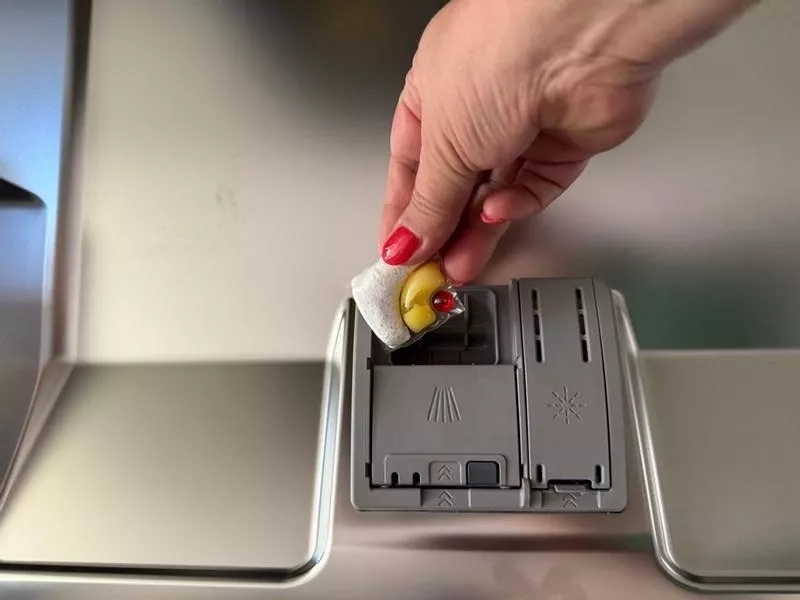
Understanding how your plumbing system processes wastewater helps clarify why pods alone rarely cause issues. After each wash cycle, dirty water containing detergent remnants, grease, and food particles flows through a short drain hose into either a garbage disposal or directly into the sink drain piping.
From there, the mixture travels down into larger home wastewater lines, where it's diluted with other types of wastewater. These broader pipes are several inches wide—far too large for pod-related clogs to occur unless the clogs were already forming from grease, scale, or other obstructions.
This means that even if a pod dissolves imperfectly, the residue doesn't have sufficient mass to block your plumbing. The real danger lies in repeated poor dishwasher maintenance, not the pod's chemistry.
Keeping your dishwasher and pipes clear requires a mix of good technique and routine care. Follow these preventive measures to minimize risk:
1. Run your sink's hot water for 30 seconds before starting a cycle. This ensures hot water enters the dishwasher immediately, allowing pods to dissolve completely.
2. Clean the filter every two to four weeks. Remove trapped food particles that restrict drainage and combine with detergent residue.
3. Wipe spray arms monthly. Clear blocked holes with a small brush or a toothpick to maintain water pressure.
4. Don't overload dishes. Make sure there's enough space between items for water spray to reach every surface.
5. Use a quality detergent pod. Reputable brands follow strict safety standards, whereas cheap knockoffs may contain low-quality films that dissolve poorly.
6. Occasionally use a dishwasher cleaner or vinegar rinse. This helps dissolve grease, soap scum, and hard-water deposits.
7. Inspect hoses and drains. Replace any kinked or brittle hoses that could restrict wastewater flow.
If issues persist after maintenance, a quick plumbing inspection can identify deeper drainage problems that might be unrelated to detergent use.
There's no shortage of online opinions claiming pods are harmful to plumbing or the environment. Let's clear up some myths:
- Myth 1: Dishwasher pods don't dissolve completely.
In reality, with adequate water temperature and pressure, PVA film dissolves entirely within a few minutes.
- Myth 2: Pods leave microplastics in pipes.
Most major detergent brands use biodegradable films that break down through microbial action, leaving no persistent plastic.
- Myth 3: Liquid detergent is automatically safer.
Liquids can actually be more harmful when overused, leading to excess suds that overload pump systems.
- Myth 4: Pods damage septic systems.
Properly formulated pods are septic-safe and meet environmental safety standards.
- Myth 5: Dishwasher pods create grease-based residue.
The residue observed in some machines usually comes from grease and mineral buildup, not from the pods themselves.
Understanding these realities helps consumers make informed choices and use dishwasher pods confidently without worrying about harming their plumbing systems.
If your dishwasher doesn't drain properly, take the following logical steps before assuming the pods caused the issue:
1. Check the filter first. It's the most common source of blockages caused by trapped food and soap residue.
2. Clear the spray arms. Clogged nozzles reduce water circulation, preventing detergent from rinsing away completely.
3. Examine the drain hose. A kinked hose or blockage where it connects to the sink or garbage disposal is a frequent issue.
4. Run a hot empty cycle with vinegar or baking soda. This natural cleaning method removes built-up grime inside the drain path.
5. Inspect the air gap (if your system has one). Blockages there can slow the draining process.
6. Call a professional plumber if the dishwasher still drains slowly—especially if multiple fixtures in your kitchen also drain poorly, which indicates a deeper plumbing issue.
These methods typically solve more than 90% of drainage complaints attributed to pods.
Today's leading dishwasher pods undergo strict environmental testing to ensure biodegradability and low toxicity. The polyvinyl alcohol film used in these products is designed to dissolve completely and degrade naturally, minimizing its environmental footprint.
Moreover, using pods can actually be more eco-friendly than traditional detergents because they:
- Reduce overuse of detergent, conserving resources.
- Limit packaging waste compared to large detergent bottles.
- Perform efficiently with less water, especially in modern energy-rated dishwashers.
Choosing EPA Safer Choice or EcoLogo-certified pod brands ensures you're using a product that's gentle on both your plumbing system and the environment.
The main reason dishwasher pods have replaced other detergent formats is convenience. They save time, reduce clutter, and eliminate the guesswork of dosing. However, convenience shouldn't replace proper care. Regular maintenance—cleaning the filter, checking water temperature, and monitoring rinse performance—ensures your dishwasher remains efficient for years.
Like any household appliance, a dishwasher benefits from active attention. When maintained, the system easily handles dissolved pod residue without issue, keeping your plumbing safe and functional.
So, do dishwasher pods really clog pipes? The answer is no, provided they're used correctly and your dishwasher operates within normal conditions. The majority of clog complaints stem from maintenance issues—such as cold water, blocked filters, grease accumulation, or improper loading—not from the pods themselves. Dishwasher pods dissolve completely when hot water and strong water pressure are present, leaving no solid material behind to obstruct pipes.
By ensuring regular cleaning, using high-quality pods, and maintaining proper water temperature, homeowners can enjoy spotless dishes, longer-lasting appliances, and a plumbing system free of unnecessary clogs.
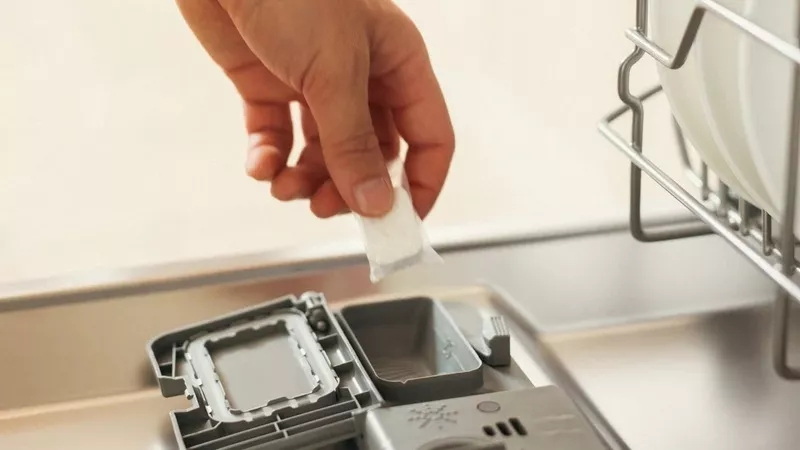
Yes. When exposed to sufficiently hot water (around 120°F or 50°C), dishwasher pods dissolve fully and leave no residue. Partial dissolution usually results from low temperature or restricted water flow.
Absolutely. Cold water slows down or halts the dissolution of the pod's film, causing undissolved particles. Running hot tap water for a few seconds before starting your dishwasher solves this issue.
Remove any remnants from the dispenser, clean the filter, and run a short cycle with no dishes using hot water. Then confirm that the dispenser door opens early in the wash cycle.
Yes. Most modern pods are biodegradable and labeled as septic-safe. Always choose brands certified by eco-friendly agencies like EPA Safer Choice for peace of mind.
No. Dishwasher pods are formulated for compatibility with machine materials, including stainless steel, rubber, and plastics. Using high-quality brands ensures no corrosion or chemical degradation.


