
Views: 222 Author: Tomorrow Publish Time: 12-21-2025 Origin: Site


Content Menu
● The Purpose of the Dishwasher Holder
● What Happens If You Put Dishwasher Pods in the Bottom?
● Why the Holder's Timing Matters
● How to Properly Use a Dishwasher Pod
● What If Your Dishwasher Holder Is Broken?
● Choosing the Right Dishwasher Pod
● Maintenance Tips for Better Dishwashing Performance
● Environmental Considerations
● When Not to Use Dishwasher Pods
● FAQ
>> 1. Can I put a dishwasher pod in the bottom if the holder is full or broken?
>> 2. Do all dishwashers require pods to be in the holder?
>> 3. Why does my dishwasher pod sometimes stick or not dissolve entirely?
>> 4. Can I use more than one pod for a heavily soiled load?
>> 5. Are dishwasher pods safe for older or portable dishwashers?
Dishwasher pods have simplified how we clean dishes by eliminating messy liquid pours and awkward powder scoops. Packed with concentrated cleaning power, these compact capsules make washing dishes almost effortless. Yet, a frequently asked question remains: Do dishwasher pods need to go into the holder, or can they simply be tossed into the dishwasher?
This question seems trivial at first, but it actually affects how well your machine cleans, how efficiently detergent dissolves, and even how long your dishwasher lasts. Using pods correctly ensures optimal washing performance and prevents unnecessary clogs, residue, or wasted detergent.
In this comprehensive guide, we'll explore how dishwasher pods work, where to place them, common mistakes to avoid, and what to do if your dispenser malfunctions. You'll also learn practical maintenance tips, buying advice, and eco-friendly considerations—everything you need to use dishwasher pods like a pro.
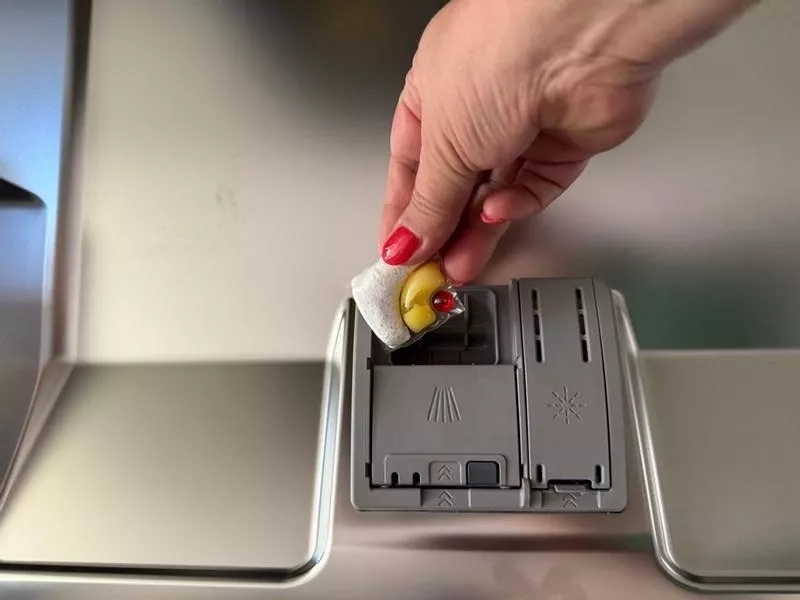
Dishwasher pods, also called tablets or capsules, represent the next generation of dish-cleaning technology. They combine detergent, rinse aid, and special cleaning enzymes into one pre-dosed, water-soluble packet.
Here's how each component plays a vital role:
- Detergent: Removes grease, oils, and food particles from dishes.
- Rinse aid (surfactants): Reduces water surface tension, helping water sheet off glassware and prevent spots.
- Enzymes: Target specific food residues—protease for proteins, amylase for starches, and lipase for fats.
The pod's outer casing is usually made from polyvinyl alcohol (PVA) or another water-soluble polymer that safely dissolves under warm water conditions. Once the outer layer dissolves, the contained detergent disperses evenly through the machine.
This controlled process ensures precise detergent dosage, consistent dissolving, and balanced cleaning action throughout the wash cycle—outperforming many traditional liquid detergents that can leave residues behind.
The detergent holder, or dispenser, is located inside the dishwasher door. It's not just a simple compartment—it's a timed-release mechanism that marks exactly when and how detergent enters the wash. The dishwasher's control board triggers this release during the main wash cycle, ensuring detergent contacts dishes at the most impactful time.
When the door closes, the pod remains sealed inside until the right phase begins. The latch then opens, allowing spray arms to hit the pod directly with hot water, dissolving it quickly and releasing the detergent into circulation.
This controlled release maximizes cleaning efficiency while ensuring residue won't redeposit on dishes later during rinsing.
A lot of people are tempted to throw pods directly into the bottom of the dishwasher thinking it'll clean faster. While the pod will technically dissolve, doing so interferes with the cycle's timing and can cause:
1. Premature Dissolving – The pod dissolves as soon as water hits it, meaning detergent is used up during the pre-wash rather than the main wash.
2. Reduced Cleaning Power – By the time the main wash begins, little detergent remains active, leaving dishes dirty or streaked.
3. Residue Buildup – Unreleased detergent can get stuck to plates, racks, or even the machine filter.
4. Possible Clogging – Detergent chunks can accumulate in hard-to-reach areas, requiring manual cleaning.
If you've ever unloaded your dishwasher only to find cloudy glassware or sticky spots, improper pod placement could very well be the cause.
In short: always use the holder unless your dispenser is broken—and even then, use a safe alternative like the utensil basket as a temporary measure.
Modern dishwashers follow a multi-stage cleaning process involving a pre-wash, main wash, and rinse cycle. The detergent needs to activate during the main phase, not before or after. The holder ensures this happens through a timed-release mechanism synchronized with internal sensors.
Here's what happens step-by-step:
1. Pre-Wash: Rinses dishes with plain water to loosen debris.
2. Main Wash: The dispenser opens, releasing the pod. Hot jets help it dissolve and circulate.
3. Rinse: Fresh water removes leftover detergent and food particles.
Releasing the pod at the precise time guarantees full detergent efficiency. Without this control, cleaning agents become diluted too early, resulting in inconsistent cleaning.
To get the most out of your pods, follow these simple best practices:
1. Ensure Hands Are Dry: Water dissolves the film quickly, so keep pods dry when handling.
2. Place in the Correct Compartment: Insert the pod in the main detergent holder.
3. Do Not Crush or Puncture: The packaging is designed to dissolve safely; breaking it can cause leaks or uneven distribution.
4. Use a Full Load When Possible: Full loads maximize energy and water efficiency.
5. Select the Proper Cycle: Most pods are optimized for standard or heavy-duty cycles with hot water.
Avoid stacking dishes too close to the detergent compartment—it can block the dispenser door from opening properly.
A broken dispenser is inconvenient but fixable. You can still achieve clean dishes with temporary alternatives or by repairing the dispenser.
- Place Pod in Cutlery Basket: Choose a section with good water flow exposure. While less efficient, it'll still dissolve.
- Run a Hot Cycle: Warm water ensures the pod dissolves completely and detergent spreads evenly.
- Clean the Dispenser Regularly: Grease buildup or detergent crust can jam the door.
- Check for Food Blockage: Utensils or pan handles might block the opening.
- Replace Faulty Parts: Most dishwasher dispensers are user-replaceable with brand-specific kits.
When replacing components, always disconnect the machine from its power source and consult your manual or a certified technician to avoid electrical risks.
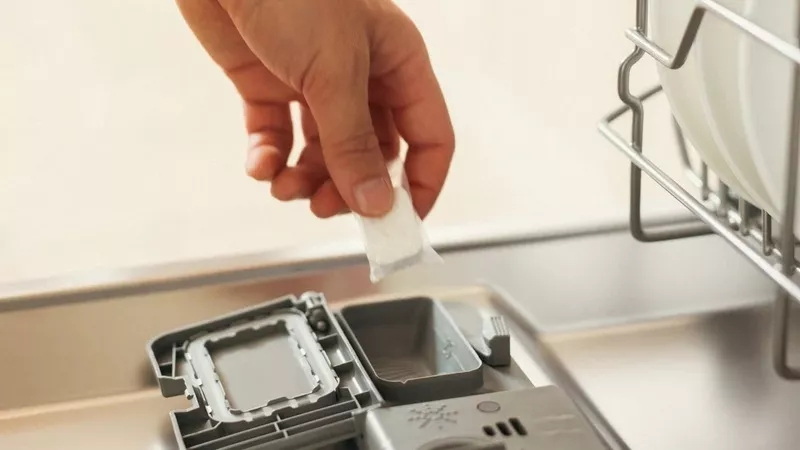
Many people unknowingly reduce their dishwasher's performance by making simple mistakes. Here are the top ones to avoid:
- Using Cold Water: Pods may not dissolve fully in cooler cycles.
- Mixing Detergent Types: Don't combine a pod with powder or liquid detergent—it leaves residue and can overflow with foam.
- Placing Pod on the Door: It might slide off before dissolving properly.
- Overloading Racks: Items can block the dispenser from opening or prevent water from reaching the pod.
Correcting these can instantly improve your results without extra effort or cost.
The right pod depends on your water hardness, dishwasher model, and sensitivity preferences.
- For Hard Water: Use pods designed with built-in rinse aids to combat mineral spots.
- For Sensitive Skin: Opt for fragrance-free or low-chemical options.
- For Heavy Loads: Choose pods labeled as “Power Clean” or “Ultimate Grease Fighter.”
- For Eco-Conscious Homes: Go with biodegradable or non-toxic pods certified by environmental standards like EPA Safer Choice.
Some pods even include glass protection formulas that keep stemware crystal-clear over time.
To keep both your dishwasher and pods working effectively:
- Clean the Filters Weekly: Remove food debris that can block spray arms and reduce pressure.
- Run Vinegar Cycles Monthly: A rinse with vinegar helps remove soap scum and mineral scale.
- Avoid Over-Rinsing Dishes: Modern pods are formulated for a bit of food residue; over-rinsing wastes water.
- Check Spray Arms: Ensure holes are unclogged for even detergent distribution.
A clean machine not only extends appliance life but also ensures every pod performs at its best.
Consumers are becoming increasingly aware of sustainability, even in routine chores. Dishwasher pods are often more eco-efficient than powdered detergents since they deliver precisely measured doses, cutting down on waste.
Still, some pods use materials that may not fully biodegrade in water systems. To make greener choices:
- Look for phosphate-free formulations, which prevent water pollution.
- Choose compostable or recyclable packaging.
- Use energy-saving dishwasher settings to reduce water and electricity consumption.
- Avoid pre-rinsing dishes under running water, which wastes resources unnecessarily.
Small changes like these can reduce your household's environmental footprint while maintaining spotless dishware.
Proper pod storage ensures long shelf life and consistent performance:
- Keep Pods in a Dry, Cool Place: Avoid humidity, which can dissolve the film prematurely.
- Store Away from Children or Pets: Detergent pods can look like candy and pose poisoning risks if ingested.
- Close Packaging Immediately After Use: Exposure to air or moisture might cause clumping.
If a pod's outer film becomes sticky, dispose of it properly—it may not dissolve correctly and could compromise the wash cycle.
While pods are convenient, they're not ideal for every scenario:
- Compact or countertop dishwashers: May not reach the temperature required for full dissolving.
- Gentle cycles or delicate dish settings: Some pods are too strong and may etch glass or fade patterns.
- Softened water systems: In rare cases, pods create excessive suds in softened water environments.
If you fall into any of these categories, consider switching to liquid or gel detergents that offer more flexible dosing.
To put it simply, dishwasher pods should always go into the holder, not the bottom of the machine. The holder ensures detergent is released precisely when needed during the main wash cycle for maximum effectiveness.
Placing pods incorrectly can lead to wasted detergent, under-cleaned dishes, and machine residue. Keeping your dispenser maintained, choosing pods suited to your water type, and following correct cycles will guarantee sparkling results every time. Modern dishwashers are engineered for synchronization—respecting that design gives you cleaner dishes, longer equipment life, and reduced energy use.
Used properly, dishwasher pods save time, effort, and detergent—all while keeping your kitchen eco-efficient and pristine.
It may work partially but isn't recommended. The pod will dissolve too early, reducing cleaning power. Use the cutlery basket temporarily or repair the dispenser.
Yes. Regardless of model or brand, the holder ensures detergent releases at the right stage of the wash cycle for optimal results.
This happens due to cold cycles, restricted water flow, or overloading. Run hot water first and ensure spray arms hit the dispenser directly.
No, one pod contains enough detergent for a full wash. Use a “heavy duty” or “pots and pans” setting instead to increase cycle intensity.
Most modern pods are safe, but always check your owner's manual. Some older models may require powder or gel detergents for better dissolving.


