
Views: 222 Author: Tomorrow Publish Time: 12-21-2025 Origin: Site


Content Menu
● What Are Dishwasher Pods Made Of?
● Understanding Microplastics and Why They Matter
● Do Dishwasher Pods Leave Microplastics on Dishes?
>> Potential Residue on Dish Surfaces
>> Residues vs. Wastewater Pathways
● Scientific Research on PVA and Environmental Impact
● Industry Response and Technological Improvements
● Broader Environmental Considerations
● Safer and Greener Dishwashing Practices
>> Alternatives Worth Considering
● Broader Context: Wastewater Treatment and Future Challenges
● Health Perspectives on Microplastics
● FAQ
>> 1. Do all dishwasher pods use plastic films?
>> 2. Can dishwasher pod residues be harmful to humans?
>> 3. How can I tell if my dishwashing product is eco-friendly?
>> 4. Do microplastics from dishwasher pods reach oceans?
>> 5. Are there dishwashing methods that create zero microplastics?
Dishwasher pods have revolutionized home cleaning by packaging detergents, enzymes, and rinse aids into a single, easy-to-use capsule. They offer precision dosing, mess-free storage, and compact packaging. Yet with growing concern over microplastics and chemical pollution, consumers are asking an important question: do these convenient pods leave behind microplastics on our dishes—or contribute to environmental plastic pollution in other ways?
Understanding the chemical structure, solubility, and environmental pathways of dishwasher pod components can shed light on this complex issue. While modern pods are marketed as water-soluble, their true biodegradability and long-term environmental impact remain under study.
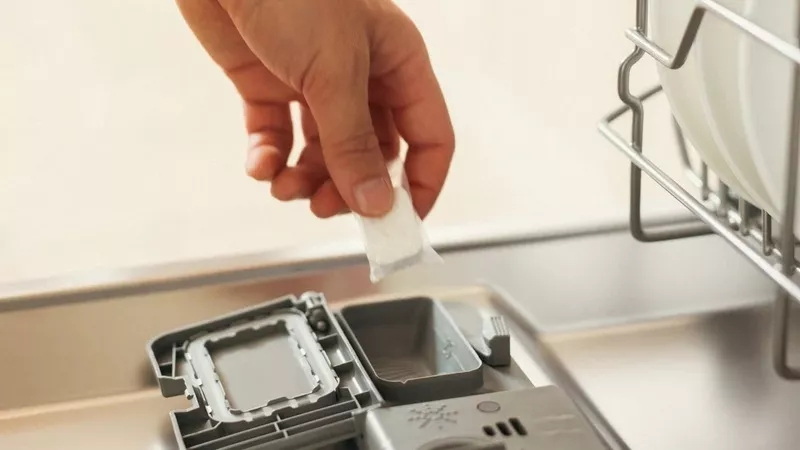
Dishwasher pods—or tablets, as they are sometimes called—are small, pre-measured capsules typically composed of two main parts: the active cleaning agents inside and the dissolvable film encasing them.
The internal mixture usually contains:
- Surfactants that lift grease and debris from dish surfaces.
- Enzymes that break down starches and proteins.
- Builders like sodium carbonate that soften water.
- Bleaching agents such as percarbonate that remove stains.
- Rinse aids that prevent water spots and improve drying.
Each ingredient has a specific function during the wash cycle, working synergistically to leave glassware spotless and utensils sanitized.
The film wrapping the detergent is commonly made of polyvinyl alcohol (PVA) or polyvinyl acetate (PVAc), synthetic polymers prized for their ability to dissolve in water. Once the wash cycle begins, the film dissolves to release the detergents, offering convenience without manual handling. However, questions persist about whether this dissolution equals full biodegradation.
Microplastics are plastic fragments smaller than 5 millimeters, often resulting from the breakdown of larger plastics or from industrial sources such as synthetic textiles, tire wear, and packaging. They can remain in ecosystems for decades because most plastics do not decompose under normal environmental conditions.
Several studies have shown microplastics' persistence in oceans, soil, and even clouds. They can adsorb toxic chemicals, enter aquatic food chains, and eventually accumulate in the human body through food or water consumption. The long-term health effects are still under study, but evidence suggests potential inflammatory and hormonal impacts.
Dishwasher pods have entered this conversation because the polymer films used to encase detergents—especially if not fully biodegradable—could release microplastic residues into wastewater or remain as trace residues on tableware.
PVA (polyvinyl alcohol) is a synthetic polymer often described as “water-soluble.” Technically, it dissolves into smaller chains when exposed to water, forming a solution. However, solubility is not equivalent to biodegradability. True biodegradation requires microorganisms to break down the polymer into harmless byproducts like carbon dioxide and water.
In controlled industrial conditions, studies have shown biodegradation rates of up to 90% within specialized wastewater systems. Yet those rates drop significantly in colder or anaerobic environments—conditions common in municipal water treatment plants. Thus, some portion of PVA may pass through treatment filters and enter aquatic environments.
As dishwashers spray hot, pressurized water through multiple rinse cycles, most detergent films completely dissolve and rinse away. The likelihood of detectable microplastic residue directly adhering to dishes is minimal, especially under high-temperature settings. However, incomplete dissolution could occur due to:
- Low-temperature or eco cycles.
- Overloaded dishwasher racks preventing proper water flow.
- Aging or malfunctioning spray arms.
- Short wash programs that skip high-heat rinses.
If undissolved film fragments exist, they would typically be microscopic and harmless to touch. Still, the cumulative release into wastewater is an environmental issue that extends beyond kitchen hygiene.
Even if dishes come out microplastic-free, the wastewater produced during each cycle can carry PVA fragments into sewer systems. When treatment plants fail to retain or fully break them down, they can flow into rivers, lakes, and oceans—where they can persist, dilute, or accumulate over time.
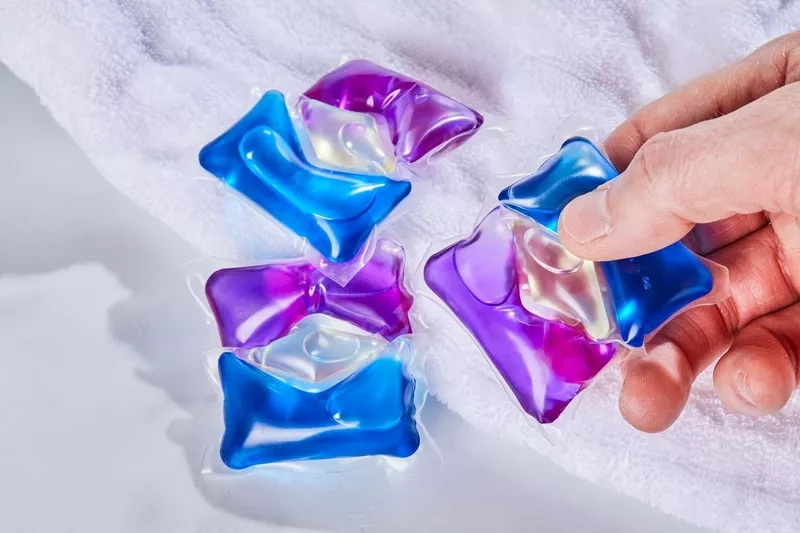
A growing body of research is investigating whether PVA contributes meaningfully to global microplastic levels.
- A 2023 American Chemical Society study found that under certain wastewater conditions, up to 70% of PVA remained undegraded after treatment.
- Northwestern University researchers noted that some PVA types require specific bacteria for complete breakdown—organisms not present in all sewage systems.
- The EPA (Environmental Protection Agency) has not yet classified PVA as a microplastic but continues to review its persistence and bioaccumulation potential.
These mixed results highlight that while PVA films dissolve during use, their environmental breakdown is context-dependent. Warmer climates or specialized treatment systems may achieve better degradation rates, while colder regions could see higher residual polymer levels.
Recognizing growing environmental scrutiny, many detergent manufacturers have begun redesigning their pods with sustainability in mind.
- Improved formulation: Some producers now use modified PVA blends with enhanced biodegradability or lower molecular weights for quicker breakdown.
- Bio-based alternatives: Emerging research explores starch, cellulose, and seaweed-based films that dissolve safely and biodegrade in both water and soil.
- Certifications and transparency: Brands seeking eco-labels (such as Ecolabel EU or EPA Safer Choice) must provide data on polymer origin and degradation performance.
- Compostable packaging: Certain products now come in compost-friendly wrappers, reducing reliance on synthetic polymers entirely.
These developments indicate that the detergent industry acknowledges public concerns and is actively bridging the gap between convenience and environmental safety.
Microplastic concerns are only one part of the sustainability equation. Dishwasher pods carry a broader ecological footprint, including:
- Manufacturing emissions: Producing synthetic polymers and surfactants involves fossil fuel extraction and chemical processing.
- Packaging waste: Even small boxes or plastic bags that hold pods generate waste, though some brands now use recyclable paperboard.
- Transportation energy: Compact and lightweight products reduce carbon output per load but still contribute collectively to distribution emissions.
- Chemical runoff: Non-biodegradable surfactants or phosphates can contribute to freshwater eutrophication and aquatic toxicity.
Adopting pods with eco-labels and low-impact ingredients can significantly minimize these effects.
Even without abandoning pods entirely, consumers can make small but meaningful adjustments to reduce potential microplastic contribution and improve dishwasher efficiency.
1. Choose certified biodegradable pods. Always verify claims through third-party eco-certifications.
2. Use hot-water cycles. Heat improves PVA solubility and reduces incomplete dissolution.
3. Avoid short cycles. Quick programs may leave film residues due to insufficient rinsing.
4. Keep your machine clean. Monthly deep cleaning ensures spray jets are clear for proper water flow.
5. Run full loads. This conserves water and energy, making dishwashing more sustainable overall.
- Powder detergents: Typically packaged in recyclable cardboard and free from PVA films.
- Gel detergents: Liquid gels are fully water-soluble and easier to dose manually.
- DIY detergents: A mix of washing soda, citric acid, and natural soap can replace commercial products entirely.
By making these conscious choices, households can enjoy spotless dishes while reducing their environmental impact.
Wastewater facilities represent the last major barrier between microplastic pollution and the environment. Depending on country, region, and technology level, their efficiency varies drastically. Advanced plants with biofilm systems or tertiary oxidation stages can degrade PVA more effectively, whereas smaller or outdated facilities may allow most residues to pass through.
Urbanization and rising detergent use place increasing stress on these systems. Therefore, policy improvements are necessary, including:
- Stricter biodegradability standards for domestic and industrial detergents.
- Government incentives for eco-certified cleaning products.
- Investments in municipal plant upgrades capable of filtering synthetic polymers.
Future innovations might even involve bioreactors engineered with microbes specialized to digest PVA—an area of active research in environmental biotechnology.
Although most concern centers on environmental contamination, scientists have also begun studying microplastics' presence in drinking water, food, and even human tissue. Early research indicates that microplastics smaller than 10 micrometers can bypass digestive barriers and enter the bloodstream. However, the long-term effects on metabolic or immune health remain uncertain.
With dishwasher pods, current evidence suggests minimal direct risk—thanks to multiple rinse stages and very low probability of residue ingestion. Nonetheless, reducing unnecessary microplastic emissions has become a broader public health precaution across industries, from cosmetics to cleaning supplies.
Dishwasher pods likely do not leave detectable microplastics on dishes under normal washing conditions. Their polyvinyl alcohol films are engineered to dissolve completely, and any minor residues are flushed away during rinse cycles. However, the broader concern lies beyond the kitchen sink—within the water systems that receive this waste.
While most PVA eventually breaks down, incomplete biodegradation can contribute to low-level polymer residues in wastewater and aquatic environments. Scientists, manufacturers, and policymakers are all working toward better data, stricter standards, and greener materials.
For eco-conscious consumers, the best path forward is balanced awareness: continue enjoying the convenience of modern dishwashing, but choose biodegradable or plant-based detergents, run efficient hot cycles, and support brands investing in sustainable innovation.
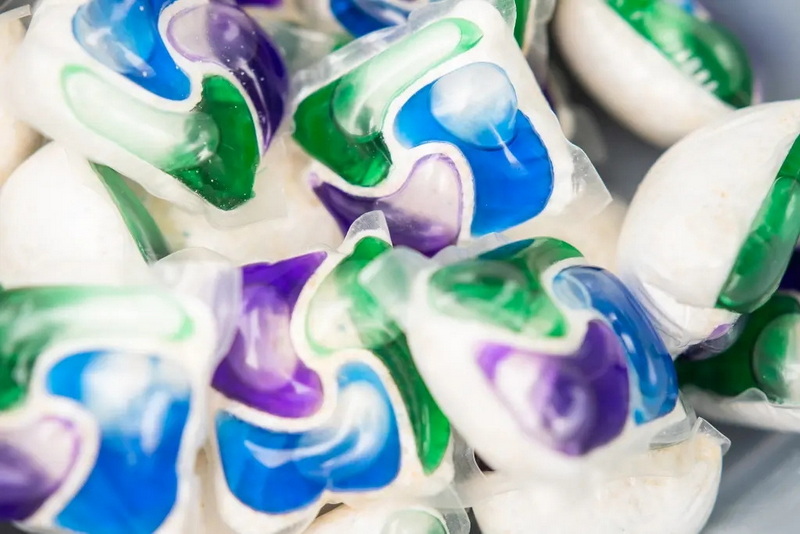
Most pods use polyvinyl alcohol (PVA) films that dissolve during washing. However, an increasing number of eco brands are shifting toward fully biodegradable or plant-derived wraps that leave no persistent residues.
Health risks are currently considered low since modern dishwashers rinse thoroughly. Still, improper dissolution may result in trace polymer fragments, which are environmentally concerning even if not directly harmful to users.
Check for third-party certifications like EcoLogo, Ecolabel EU, or EPA Safer Choice. These labels require proof of polymer biodegradability, sustainable ingredient sourcing, and minimal aquatic toxicity.
Yes, potentially. While most PVA dissolves, incomplete biodegradation means small fragments or soluble polymer traces can escape wastewater systems and enter marine environments, where dilution slows their breakdown.
Absolutely. Traditional powder detergents in cardboard packaging or homemade cleaners using natural ingredients contain no synthetic polymers, providing a practical zero-microplastic alternative.


