
Views: 222 Author: Tomorrow Publish Time: 12-21-2025 Origin: Site


Content Menu
● What Are Dishwasher Pods Made Of?
● What Are the “Beads” Inside Dishwasher Pods?
● Why Pods Include Beads: Science and Function
● Are Dishwasher Beads Microplastics?
● How Dishwasher Pod Beads Work During the Wash Cycle
● Are Dishwasher Pods Environmentally Safe?
● Common Misconceptions About Dishwasher Beads
● Comparing Dishwasher Beads and Laundry Beads
● The Chemistry Behind Bead Dissolution
● Challenges in Dishwasher Pod Design
● Future Innovations in Dishwasher Pod Technology
● Using Dishwasher Pods Correctly
● Environmental and Health Perspective
● FAQ
>> 1. What are the beads in dishwasher pods made of?
>> 2. Do dishwasher pods contain microplastics?
>> 3. Why are there colored beads in my dishwasher pod?
>> 4. Are dishwasher pods safe for septic systems?
>> 5. Are dishwasher pods eco-friendly?
Dishwasher pods have become a household essential for millions of families worldwide. Compact, convenient, and pre-measured, they make dishwashing effortless while delivering sparkling results. Yet a common question remains among many consumers: Do dishwasher pods have beads inside?
This curiosity reflects growing public interest in what goes into cleaning products and how those ingredients affect our homes, health, and environment. With concerns about microplastics and chemical residues on the rise, understanding exactly what's inside these pods—and whether those tiny “beads” are safe—is more relevant than ever.
This article dives deep into the chemistry, purpose, and sustainability of the bead-like structures found in some dishwasher pods. We'll discuss their function, environmental impact, and how modern innovations are shaping the future of dishwashing technology.
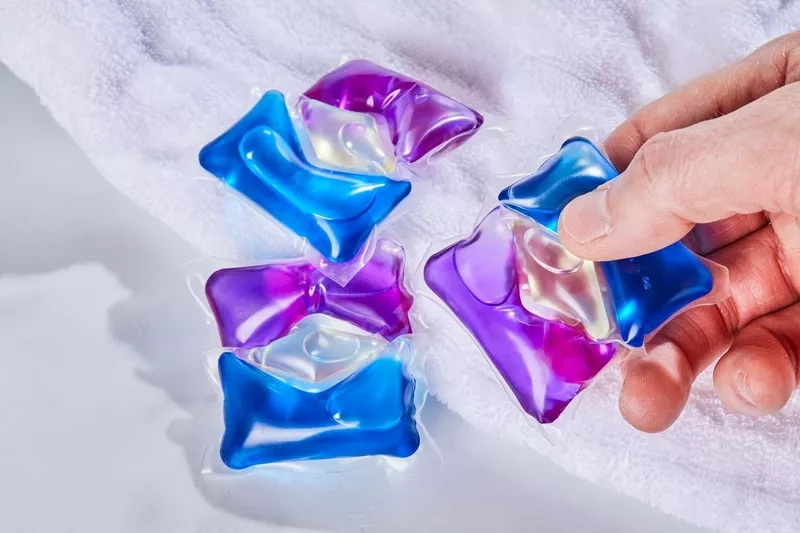
Dishwasher pods, also called detergent tablets or capsules, combine multiple cleaning agents in one convenient form. Unlike traditional liquid or powdered detergents, there's no need to measure—just pop a pod into the dishwasher's detergent compartment.
Most dishwasher pods contain three main structural layers or components:
1. Cleaning agents (detergents and surfactants): These compounds remove grease, stuck-on food, and grime from dishes and cookware.
2. Rinse aids and additives: Ingredients that prevent mineral streaks on glassware, help water drain evenly, and improve shine.
3. PVA (polyvinyl alcohol) film coating: This water-soluble wrapper holds everything together. It dissolves completely during the wash cycle.
However, when you look closely at some pods, you may spot tiny colored specks or hard particles—what many refer to as beads. But what are they, and why are they there?
When people mention “beads” in dishwasher pods, they're usually referring to encapsulated ingredients—small, rounded granules mixed within the pod's formulation. Contrary to what some think, these aren't plastic beads for decoration or bulk. Instead, they serve crucial chemical and functional purposes.
In most modern pods, these beads are made from stabilized granules containing enzymes, bleach, or other active components. By isolating these substances into bead form, manufacturers can control when and how they activate during a wash cycle.
For example:
- Enzyme beads help break down proteins and starches—the main culprits behind hardened food residues.
- Bleaching beads improve stain removal, particularly for tea, coffee, or tomato sauce stains.
- Citrate or carbonate beads regulate pH and soften hard water for better cleaning results.
Rather than being plastic-based fillers, these beads are often biodegradable or mineral-based materials designed to fully dissolve once released into water.
The bead design is not accidental—it's an engineered solution that solves several chemical challenges inherent in detergent design.
- Stability: Many cleaning ingredients degrade or interact with one another when stored together for long periods. Encapsulating them in bead form prevents premature chemical reactions.
- Precision release: The bead coating ensures the active ingredient dissolves only when specific conditions (temperature or pH) are met. This timed release results in more effective, targeted cleaning.
- Efficiency: Concentrated beads reduce waste, allowing manufacturers to use smaller amounts of strong cleaning chemicals without sacrificing performance.
- Shelf life extension: Enzymes and oxygen-based bleaches are sensitive to humidity. Keeping them encapsulated preserves their potency.
In other words, the bead technology isn't decorative—it's functional innovation aimed at delivering consistent cleaning outcomes in every cycle.
No, dishwasher beads and microplastics are not the same.
Microplastics refer to solid, non-biodegradable plastic particles that do not dissolve in water. They were once common in cosmetic scrubs and detergents for texture or mild abrasion. However, due to massive environmental damage—especially in oceans—microplastics have been banned across the U.S., Canada, and the European Union.
Dishwasher pod beads, on the other hand, are designed to dissolve or biodegrade completely during the wash cycle. They're formulated using ingredients like:
- Sodium carbonate (washing soda)
- Sodium percarbonate (oxygen bleach source)
- Citric acid or sodium citrate
- Biodegradable polymer binders
These substances leave no solid residue, ensuring water leaving your dishwasher contains no harmful particles.
Each pod goes through a carefully timed process once placed inside your dishwasher:
1. Dissolution of PVA film: The outer film dissolves quickly under warm water, releasing inner compartments.
2. Activation of enzyme beads: As the wash water heats and begins circulating, enzyme beads dissolve and attack organic residues like food proteins.
3. Bleach and degreaser release: In the later stages, bleach-based beads activate for deep cleaning and stain removal.
4. Rinse aid dispersion: Finally, surfactants and anti-spot agents ensure dishes dry evenly and come out sparkling.
This sequential process relies heavily on beads and coatings to manage timing and chemical balance, ensuring every ingredient activates at the optimal stage of the cycle.
Environmental safety remains a priority for both consumers and manufacturers. Early dishwashing detergents—especially those with phosphates—caused ecological problems by contributing to water pollution and algal blooms. Today's pods are much safer.
Most modern dishwasher pods are:
- Phosphate-free: They no longer use phosphorus compounds that harm aquatic ecosystems.
- Microplastic-free: Beads dissolve fully, leaving no synthetic residues.
- Low packaging waste: Many brands now sell pods in recyclable cardboard boxes or compostable pouches.
- Concentrated for reduced transport emissions: Smaller, lighter pods mean less energy used in shipping.
Furthermore, even the PVA film that encapsulates pods is water-soluble and biodegradable under normal wastewater treatment conditions, meaning it breaks down into harmless carbon dioxide and water.
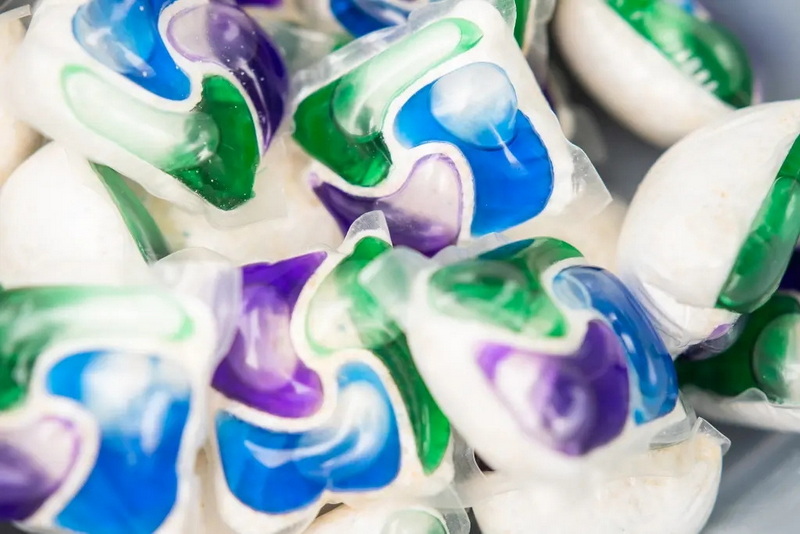
A few misunderstandings persist when it comes to dishwasher pods and their components:
- “Beads are made of plastic.” False. Modern pods do not contain plastic microbeads.
- “Pods leave residue on my dishes.” This is typically due to improper loading or low water temperature, not leftover beads.
- “Pods aren't safe for septic tanks.” Most leading brands are septic-safe since all their ingredients dissolve completely.
- “More pods mean cleaner dishes.” Using more than one pod can actually damage your dishwasher or leave residues because the formula is pre-measured.
By using pods as directed, all ingredients—including beads—dissolve and rinse away cleanly.
Both laundry and dishwasher pods may contain what look like similar beads, but they serve different roles.
| Feature | Dishwasher Pods | Laundry Pods |
|---|---|---|
| Main function | Enzyme activation, stain removal, and pH buffering | Fragrance release and fabric softening |
| Typical ingredients | Enzymes, citric acid, nonionic surfactants | Perfumed microcapsules, oxygen bleach |
| Water temperature | Higher (120–150°F) | Lower to medium (85–110°F) |
| Bead composition | Biodegradable or mineral-based | Often fragrance microcapsules (biopolymer) |
So while both products might contain bead-like structures, their chemical makeup and purpose differ according to cleaning goals.
Chemically, most beads rely on the principle of controlled solubility. The outer coating—often made from safe polymers or salts—dissolves slowly, releasing the active agent once optimal washing conditions are met.
For example, enzyme beads may be coated with a thin layer of sodium silicate, which dissolves at higher pH levels. This ensures that the enzymes activate beyond the pre-rinse stage when grease and proteins are exposed.
This type of design reflects a modern approach called Phase Release Technology, allowing multiple chemical reactions to occur precisely and safely during a single wash cycle.
Despite their success, detergent engineers face ongoing challenges:
1. Balancing performance and eco-friendliness: Reducing chemical usage without sacrificing cleaning power.
2. Ensuring film stability in humid climates: PVA films can soften or clump if exposed to moisture.
3. Preventing premature activation: Moisture exposure before washing can ruin pod structure.
4. Enhancing biodegradability: Designing formulations that meet global environmental standards while remaining effective.
Manufacturers constantly test new biodegradable binders and surfactants to achieve these goals sustainably.
The next generation of dishwasher pods aims to be even safer and more efficient. Research and development focus on:
- Bio-based enzymes: Derived from microorganisms, capable of breaking down complex residues naturally.
- Temperature-sensitive coatings: These coatings trigger bead dissolution depending on water hardness and temperature for maximal efficiency.
- Zero-plastic PVA alternatives: New organic films based on algae or starch eliminate synthetic polymers completely.
- Carbon-neutral production methods: Factories use renewable energy and recyclable materials to reduce environmental footprints.
Some companies are also exploring refillable pod systems, where the pod casing can be reused, and consumers only replace the inner detergent material. These innovations may redefine how we think about cleaning convenience in the next decade.
To get the best results and ensure beads dissolve properly, follow these simple guidelines:
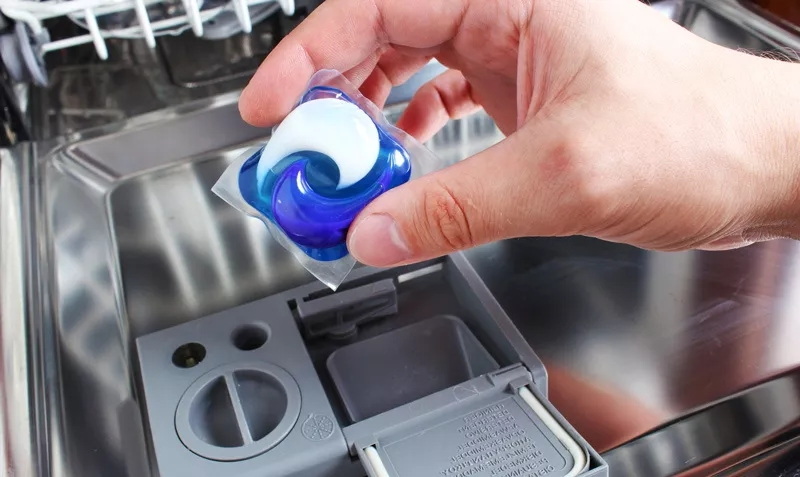
1. Place the pod in the detergent dispenser—not directly in the bottom of the dishwasher.
2. Avoid overloading dishes, which can block detergent flow.
3. Choose the right wash temperature. Warm to hot water ensures complete dissolution and activation.
4. Keep pods sealed and dry when stored. Premature contact with moisture can compromise the bead integrity.
5. Don't pre-wash dishes excessively. Modern pods rely on enzymes that need some food residue to function optimally.
Proper handling guarantees that every ingredient, including beads, works as intended.
While dishwasher pods are designed to be eco-friendly, responsible use remains essential. Always dispose of packaging properly and avoid flushing pods or remnants down sinks.
From a health standpoint, the ingredients inside pods undergo strict safety testing to confirm they leave no residue on dishes or release harmful fumes during wash cycles.
Regulatory agencies like the U.S. Environmental Protection Agency (EPA) and the European Chemicals Agency (ECHA) regularly assess detergent safety, ensuring biodegradable pods meet international standards.
So, do dishwasher pods have beads? Yes—but not in the way many people imagine. The small particles or granules inside modern dishwasher pods are functional encapsulations of key cleaning agents, engineered to improve performance, stability, and efficiency. They aren't plastic pollutants, nor do they remain after washing.
These beads represent thoughtful chemical design, balancing innovation with environmental responsibility. Every time you run your dishwasher, these controlled-release beads do the hard work—dissolving completely, deep-cleaning your dishes, and leaving no harmful trace behind.
Most are made of biodegradable compounds such as sodium carbonate, citrate, or encapsulated enzymes. They dissolve completely during the cycle, leaving no residue.
No. Reputable pod brands have replaced microplastics with biodegradable materials or mineral-based beads that break down easily.
Colored beads distinguish ingredients or phases—such as degreasing enzymes or rinsing agents—and help with timed release during the wash cycle.
Yes. Since the beads and films dissolve entirely, modern pods are septic-safe and environmentally friendly.
Yes. Most are phosphate-free, plastic-free, and formulated for low environmental impact while maintaining superior cleaning power.


