
Views: 222 Author: Tomorrow Publish Time: 12-20-2025 Origin: Site


Content Menu
● What Are Dishwasher Pods Made Of?
● Do Dishwasher Pods Actually Dry Out?
● Signs Your Dishwasher Pods Have Dried Out
● What Happens When Dishwasher Pods Dry Out?
● How to Prevent Dishwasher Pods from Drying Out
● Can You Still Use Dried Dishwasher Pods?
● Shelf Life of Dishwasher Pods
● Are Some Brands More Resistant to Drying Out?
● Can Drying Out Affect the Dishwasher?
● Environment and Sustainability Factors
● Common Mistakes When Storing Dishwasher Pods
● FAQ
>> (1) How long do dishwasher pods last before drying out?
>> (2) Can I store dishwasher pods under the sink?
>> (3) Do dishwasher pods go bad if unopened?
>> (4) Can I revive a dried dishwasher pod?
>> (5) Are dishwasher pods affected by cold temperatures?
Dishwasher pods have revolutionized household cleaning by offering convenience, efficiency, and precision in one compact form. These small, colorful capsules deliver detergent, rinse aids, and cleaning agents in pre-measured doses, providing consistent wash results with minimal effort. Yet, a common concern among users persists: do dishwasher pods dry out? Whether it's a rarely used pack left under the sink or pods exposed to temperature fluctuations, understanding how their condition changes over time is essential for maximizing performance and shelf life.
This article explores what happens to dishwasher pods when they dry out, the factors influencing that process, whether they can still be used, and how to prevent it. By understanding their composition and care, you can extend their usability, maintain cleaning power, and avoid waste.
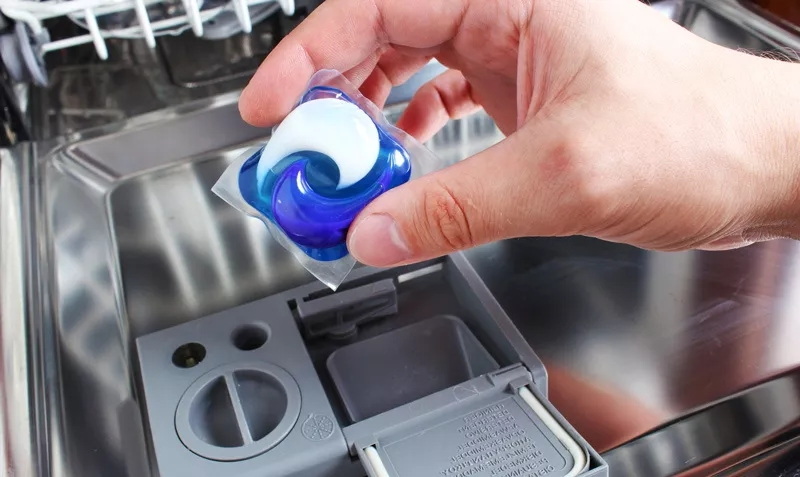
Dishwasher pods feature advanced chemical engineering that compresses multiple cleaning functions into one compact dose. Each pod is typically made up of the following components:
1. Detergent core: A mix of surfactants, enzymes, and active cleaning agents targets food, grease, and stains.
2. Rinse aid layer: Reduces surface tension, helping water sheet off for spot-free drying.
3. Dissolvable film: Made primarily from polyvinyl alcohol (PVA), this thin outer coating dissolves completely in water, releasing the detergent inside at the correct stage of the washing cycle.
4. Optional additives: Some pods include oxygen bleach, fragrance agents, or water-softening components that protect dishes and the dishwasher from mineral buildup.
The combination of these ingredients allows pods to handle tough food residues effectively while offering convenience and portion control. Because of their chemical makeup, pods must maintain a specific level of internal moisture and structural flexibility to remain effective.
Yes, dishwasher pods can dry out over time, especially when exposed to air, heat, or low humidity. While they may appear solid and durable, their effectiveness relies on a delicate balance of moisture both inside the detergent and within the film coating. When this balance shifts, the pod's dissolvability and cleaning strength are compromised.
A dried-out pod may look chalky, feel hard to the touch, or even crack when handled. The once-smooth film can become brittle, and the contents may clump or crystallize. These physical changes interfere with the pod's ability to dissolve properly and release detergent efficiently during a wash cycle.
Several environmental and storage-related factors can cause dishwasher pods to lose moisture or become less effective:
1. Air exposure: Frequent opening of the container allows moisture to escape, which accelerates drying.
2. Temperature variation: Heat from nearby appliances or sunlight weakens the film and causes internal moisture to evaporate.
3. Low humidity: Very dry air can strip away necessary moisture from the pod's detergent mixture.
4. Extended storage: Over time, even sealed pods may slowly degrade as the active enzymatic components lose potency.
5. Packaging issues: Improperly sealed bags or broken container lids expose pods to air and environmental stress.
Understanding these causes helps users adjust their storage habits and avoid losing valuable cleaning performance due to simple environmental oversight.
Dried-out dishwasher pods are often easy to spot. Common signs include:
- Hardened or crumbly texture. The film becomes fragile and can break when handled.
- White residue or crystallization. Powdery buildup indicates moisture loss.
- Faded color. Exposure to light or air may cause color and scent to fade.
- Cracked film. This can cause detergent leakage, waste, and clumping inside the packaging.
- Uneven or slow dissolving during use. You might notice pieces left behind in the detergent cup after a wash cycle.
If you observe these symptoms, storing the pods properly or replacing them may be necessary to restore cleaning efficiency.
When dishwasher pods lose their internal moisture, several performance issues can occur during washing:
- Reduced dissolvability: Dry films dissolve slowly or unevenly, leaving detergent residue on dishes or in the dispenser.
- Decreased enzyme activity: Enzymes are sensitive to environmental conditions and may lose efficiency, resulting in less effective stain removal.
- Incomplete cleaning: Trapped detergent can prevent proper breakdown of grease and food particles.
- Mechanical issues: Cracked or broken pods may jam the dispenser tray or clog filters, requiring extra maintenance.
- Wasted detergent: Once a pod splits open or fails to activate correctly, the wasted detergent undermines both cost efficiency and environmental sustainability.
Because of these problems, dried-out pods should be handled carefully and replaced when possible.
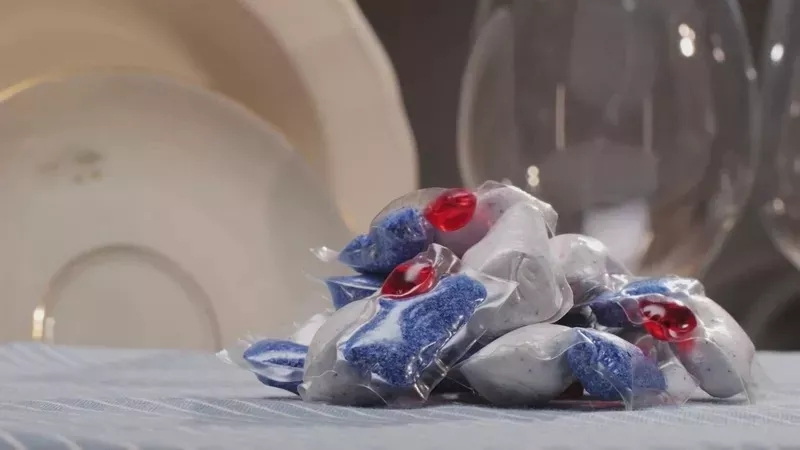
Prevention is always better than salvage when it comes to detergent pods. To keep them fresh and functional, consider the following best practices:
1. Store in a cool, dry place. Avoid storing pods near dishwashers, stoves, or sinks where heat and moisture fluctuate regularly.
2. Keep packaging tightly sealed. Reseal bags or tubs immediately after removing a pod to maintain an airtight environment.
3. Avoid unnecessary container transfers. Unless you have an airtight alternative, it's better to keep pods in their original packaging.
4. Use airtight plastic containers if needed. Containers made from BPA-free plastic or food-grade materials help regulate internal moisture and protect against air exposure.
5. Limit bulk storage. Buying smaller packs may reduce the risk of pods drying before use.
6. Rotate stock. Use older pods first and mark purchase dates to track shelf life.
Proper care can keep dishwasher pods soft, flexible, and fully functional for months beyond their packaging date.
Technically, slightly dried dishwasher pods may still be usable—but with caution. If the film remains intact and the detergent inside has not solidified into a lump, the pod might still dissolve adequately during a wash. However, performance may be compromised.
If a pod feels rock-hard, cracked, or deformed, it's safer to discard it. Using damaged pods risks clogging your dispenser or leaving detergent residue on your dishes. In some cases, mildly dried pods can regain a bit of flexibility if stored temporarily in a sealed bag with a damp cloth nearby; however, this process can be inconsistent and is not recommended for long-term restoration.
Dishwasher pods usually have a shelf life between 12 and 18 months from the manufacturing date. Over time, even sealed pods gradually lose effectiveness due to chemical breakdown. Enzymes become less reactive, surfactants weaken, and oxygen bleaching agents lose potency.
Manufacturers stamp production or best-by dates on the package, which should be used as a guide for optimal performance. Using pods past this period doesn't pose safety issues, but it often leads to less thorough cleaning results. For best results, note the manufacturing date and store pods properly to get the most out of their active ingredients.
Yes, some premium dishwasher pod brands use enhanced packaging and chemical stabilization technologies that better protect against drying. For example, multi-layer film coatings or double-barrier resealable pouches help regulate air exchange and temperature exposure. However, all pods—regardless of brand—will eventually degrade if stored improperly or exposed to open air for long periods. The key is not just the brand itself but how well it's stored once opened.
While drying out primarily impacts the pod itself, it can also create secondary issues with your dishwasher. Hardened pods may fail to dissolve fully, leading to detergent buildup in the dispenser, spray arms, or drain filter. Over time, these residues may cause mechanical blockages or leave cloudy films on dishes and glassware.
Regular maintenance, such as cleaning the filter and running a hot rinse cycle with vinegar once a month, can help prevent buildup from dried or partially dissolved pods.
Dishwasher pods provide a convenient and sustainable alternative to traditional liquid or powder detergents by reducing waste and ensuring precise dosage. The dissolvable PVA film is biodegradable and designed to degrade in municipal water treatment systems. Still, when pods dry out and get discarded prematurely, this convenience can lead to waste.
By maintaining proper storage conditions—cool, sealed, and stable—you reduce product waste, support sustainability goals, and minimize your household's environmental footprint.
Choosing brands with eco-friendly packaging and ensuring full usage of each pod helps strike a balance between convenience and environmental consciousness.
Many drying issues occur due to simple storage mistakes. Avoid these common errors:
- Leaving the package open after each use. Exposure to air causes moisture imbalance.
- Storing near kitchen sinks. Splashes and humidity promote inconsistent pod texture.
- Using decorative glass jars without airtight lids. These look nice but allow temperature and air exchange.
- Storing in garages or basements. Extreme temperatures and poor air circulation reduce shelf life.
- Mixing old and new pods. Different moisture levels can cause uneven consistency and clumping.
Revisiting your storage habits often can dramatically extend the lifespan of detergent pods.
Dishwasher pods do dry out when exposed to the wrong storage conditions—such as heat, air, or dryness—causing reduced cleaning efficiency and dissolving problems. These compact cleaning agents rely on a balanced internal moisture level and an intact film to perform effectively. Thankfully, proper care can easily prevent most issues. Store pods in a cool, sealed, and dry environment away from temperature fluctuations. Label packages with purchase dates and avoid excessive handling. With these steps, you'll ensure that every pod works exactly as intended, keeping your dishes sparkling clean while extending the product's usability and value.
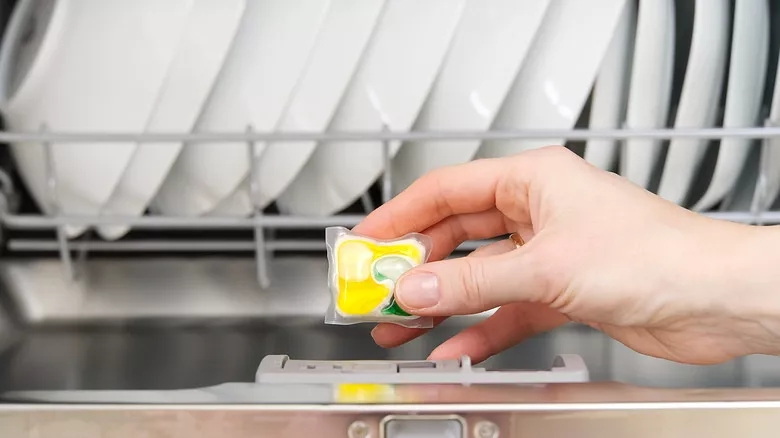
Dishwasher pods generally remain in top condition for 12–18 months if kept sealed and stored in a cool environment. Beyond this period, they may start losing effectiveness even if they appear normal.
It's not ideal. The area beneath sinks is prone to humidity and temperature swings from plumbing, which can cause pods to soften, clump, or dry out prematurely.
Even unopened pods have a finite shelf life. Most remain effective for up to 18 months, but after that, their cleaning enzymes and surfactants begin to degrade naturally.
If only slightly hardened, it might still work, but completely dried or cracked pods should be discarded. Adding moisture directly may cause premature dissolution.
Cold temperatures generally stiffen the film temporarily but don't remove moisture permanently. Allow pods to reach room temperature before use to avoid cracking or slow dissolving.


