
Views: 222 Author: Tomorrow Publish Time: 12-20-2025 Origin: Site


Content Menu
● Can Dishwasher Pods Damage the Dishwasher?
>> 1. Residue and Detergent Film Buildup
>> 2. Rubber Seal Deterioration
>> 3. Sensor Performance Issues
>> 5. Overuse and Incorrect Placement
● Factors That Influence Dishwasher Pod Performance
● Proper Usage of Dishwasher Pods
● Benefits of Using Dishwasher Pods
● Common Mistakes When Using Pods
● Comparing Pods With Liquid and Powder Detergents
● Environmental and Safety Considerations
● Expert and Technician Insights
● FAQ
>> 1. Can dishwasher pods cause clogs?
>> 2. Are pods safe for all dishwashers?
>> 3. Do pods perform better than liquid detergents?
>> 4. How can I remove detergent film buildup?
>> 5. Are dishwasher pods eco-friendly?
Dishwasher pods are now a staple in many homes for their convenience, consistency, and cleaning power. With modern lifestyles demanding efficiency, these pre-measured detergent packs help save time, prevent spills, and deliver excellent washing results. Yet, a frequently asked question lingers among homeowners: Do dishwasher pods damage the dishwasher?
The short answer is no, dishwasher pods generally do not damage dishwashers — provided they are used correctly. However, improper handling, poor maintenance, or incompatible conditions can lead to problems over time. To understand this fully, we need to explore how pods work, what they're made of, and which habits might inadvertently cause harm.
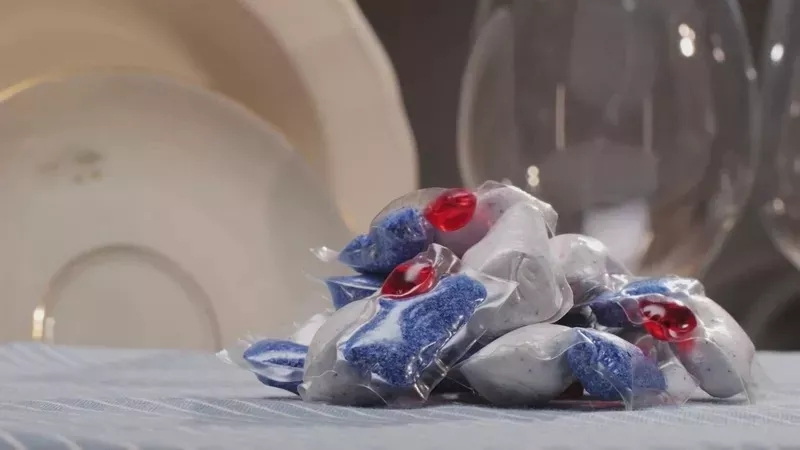
Dishwasher pods (also known as tablets or capsules) are compact detergent packs that contain a blend of cleaning agents, enzymes, and sometimes rinse aid. The external coating is typically polyvinyl alcohol (PVA), a water-soluble, biodegradable material that dissolves once exposed to water during a dishwashing cycle.
Most pods feature multi-layered compartments with distinct purposes:
- One section typically contains alkaline detergent designed to break down grease and food residues.
- Another compartment may include enzymes that digest protein or starch-based stains.
- A third portion might hold rinse agent and salt components to improve drying performance and reduce water spots.
This design ensures a balanced cleaning process — optimized detergent release, consistent dosing, and reduced detergent waste.
Once you place a pod in your dishwasher's detergent compartment, it begins to dissolve as soon as water fills the chamber. The process unfolds in three phases:
1. Dissolution: The PVA film dissolves, releasing the detergent into the machine's wash water.
2. Cleaning: The detergent disperses through the spray arms, breaking down grease, dissolving stuck-on food, and sanitizing dish surfaces.
3. Rinsing: The rinse agent activates during the final cycle, encouraging water to sheet off dishes to prevent streaks and spots.
The success of these steps depends heavily on temperature, water hardness, and cycle duration. Pods perform best when water reaches around 120°F (50°C) or higher. When cycles are too short, or when water is not hot enough, pods might not dissolve completely, which can lead to leftover residue or film.
Theoretically, dishwasher pods themselves do not damage dishwashers. In fact, many manufacturers recommend pods for optimized cleaning. Yet, in certain situations, misuse or environmental conditions can trigger complications that appear as damage. Below are the primary risk scenarios associated with dishwasher pods.
One of the most frequent problems occurs when pods fail to dissolve fully. The detergent can stick to internal surfaces — including spray arms, filters, and the inner door. Over time, this results in chalky deposits or detergent film that interferes with water movement and reduces washing efficiency.
Residue buildup also leads to cloudy glassware, white streaks, and a slick layer on dishes. If not removed regularly, these residues can clog parts and strain the machine's motor.
Cheaper dishwasher pods or off-brand variants may use stronger chemical bases or bleaching compounds. Repeated exposure to such chemicals can cause rubber seals and gaskets inside the dishwasher to become brittle or lose elasticity. Once damaged, seals may allow leaks or trap moisture — causing unpleasant odors and eventually leading to costly repairs.
Modern dishwashers are equipped with sensors that detect soil levels and adjust cycle length or water use accordingly. Soap residues can interfere with these sensors, making them interpret dirt presence inaccurately. This results in longer wash cycles, wasted water, and higher electricity bills.
Pods that don't dissolve completely can accumulate within the drainage system. Over time, they might form sticky clusters that obstruct water flow. Blocked drains trap moisture inside the unit, creating bad smells, standing water, and even mold growth.
Some users mistakenly use more than one pod per cycle or place pods at the bottom of the dishwasher instead of the detergent compartment. Overdosing detergent introduces excessive suds, while incorrect placement may cause the pod to dissolve prematurely and release detergent during pre-rinse rather than the main wash cycle. Both scenarios lower performance and may damage components.
Several factors determine whether pods will work effectively and safely in your machine:
- Water Hardness: Minerals like calcium and magnesium in hard water can reduce the solubility of detergent pods. Installing a water softener helps maintain effectiveness.
- Water Temperature: If water is below optimal heat levels, the PVA coating may not dissolve entirely.
- Dishwasher Age: Newer dishwashers generally handle pods more efficiently than older models lacking high-pressure spray arms.
- Cycle Settings: Longer cycles allow for better detergent breakdown, while quick cycles may leave residues.
- Load Size: Overfilled racks obstruct proper detergent dispersion, reducing mechanical cleaning action.
Adjusting these factors can significantly improve pod performance and protect your appliance.
To maximize both dishwasher and detergent life, consider the following best practices for pod use:
1. Follow manufacturer's guidance. Always consult your dishwasher's manual to confirm compatibility.
2. Check the compartment. Ensure it's dry before inserting the pod — moisture can cause premature dissolution.
3. Run the hot water. Let your kitchen faucet run until hot before starting the dishwasher to ensure strong water temperature from the beginning.
4. Place the pod properly. Insert it into the detergent compartment, never directly into the tub.
5. Use a proper wash cycle. Avoid quick or eco modes for heavily soiled dishes; standard or heavy cycles ensure full dissolution.
6. Clean regularly. Running a dishwasher cleaner or vinegar rinse once every few weeks prevents buildup.
7. Maintain seals and spray arms. Wipe rubber seals and check for clogs monthly.
With these steps, pods will clean efficiently without risking appliance performance.
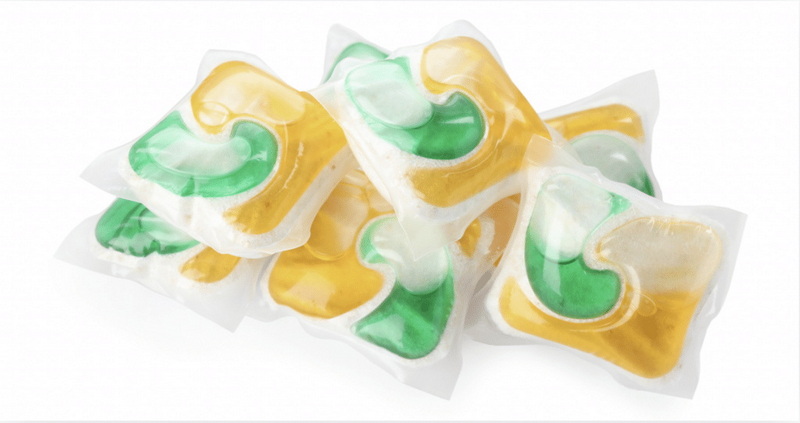
Despite potential misuse concerns, dishwasher pods come with strong advantages that explain their widespread adoption:
- Precision dosing: Each pod delivers an exact amount of detergent, eliminating guesswork.
- Convenience: They're spill-free and simple — no scooping, measuring, or capping required.
- Compact storage: Their small size and tidy packaging save space in your kitchen.
- Advanced formula: Multi-chamber pods combine detergent, rinse aid, and softener in one product.
- Consistency: Since pods provide uniform detergent strength, your dishes receive reliable cleaning each time.
- Less waste: Prevents waste due to over-pouring liquid or powder detergents.
These functional and ecological advantages make pods the detergent of choice for many households worldwide.
Even with their simplicity, dishwasher pods can cause issues if improperly used. Below are common mistakes to avoid:
- Using cold-water cycles. Pods require heat to dissolve effectively.
- Placing pods on the rack or bottom tray. This can cause early release and poor cleaning.
- Using multiple pods per load. Overdosing creates too much foam and can strain the dishwasher motor.
- Skipping maintenance cycles. Residue from pods requires occasional cleaning of filters and jets.
- Ignoring manufacturer warnings. Not all dishwashers handle highly concentrated detergent equally well.
Minor behavioral changes can drastically extend the efficiency and longevity of your appliance.
Routine maintenance is essential for preventing buildup and protecting your dishwasher's inner mechanisms.
- Clean the filter weekly. Food particles can trap detergent film; rinse thoroughly under running water.
- Wipe interior surfaces. Use a damp cloth and baking soda paste to remove stubborn residue.
- Descale monthly. Vinegar cycles help eliminate mineral deposits.
- Run an empty hot cycle quarterly. This burns off hidden grime and organic buildup.
- Inspect seals and arms. Remove small debris that might cause blockages over time.
A well-maintained dishwasher not only cleans better but also supports optimal pod dissolution.
When choosing the best detergent form, users often compare pods with liquid gels or powders. Each type offers distinct strengths and weaknesses.
Pods:
- Provide precise measurement and convenience.
- May struggle in short or low-temp cycles.
- Generally more expensive per load.
Liquids:
- Dissolve quickly in any temperature.
- Allow flexible dosing.
- Easier for older machines but prone to overuse.
Powders:
- Inexpensive and long-lasting.
- Require manual dosing and careful storage to prevent clumping.
- Perform well in soft water but less so in hard water.
For most modern dishwashers, pods remain the most balanced choice for convenience and performance.
Sustainability and safety are essential factors in the dishwashing conversation. Although PVA films in pods are water-soluble, incomplete dissolution in lower temperatures may contribute to microplastic pollution. Manufacturers have responded by developing biodegradable films and plant-based detergents.
Consumers seeking eco-friendly options should look for pods labeled as:
- Eco-certified by organizations like EPA Safer Choice or EU Ecolabel.
- Phosphate-free and non-toxic.
- Packaged in recyclable containers.
Safety note: Always store pods out of reach of children and pets. Their bright colors can resemble candies, leading to accidental ingestion. In case of contact or ingestion, seek medical attention immediately and wash affected areas with water.
Although pods work well in most cases, certain situations justify switching detergents:
- Older dishwashers: Units lacking high-temperature cycles may leave undissolved residues.
- Persistent residues: If film accumulates even after cleaning and adjustments.
- Soft water environments: Pods may overclean, leaving glasses etched or cloudy.
- Cost concerns: Budget users may find powders more economical for daily use.
Being flexible with detergent choice helps balance performance and long-term care.
Appliance technicians largely agree that pods, by design, do not damage washers. Most “damage” cases trace back to misuse or poor maintenance. Technicians commonly advise:
- Running monthly cleaner cycles with citric acid or vinegar.
- Checking for proper water temperature before each wash.
- Avoiding unverified, low-cost detergent brands.
- Ensuring adequate space for water circulation between dishes.
Technicians also emphasize that detergent pods often outperform traditional products when used with adequate heat and water quality.
Dishwasher pods are safe, powerful, and convenient cleaning agents that enhance dishwashing efficiency when used properly. Problems such as residue buildup, drainage clogging, or seal wear rarely stem from the pods themselves — they almost always result from incorrect use, low water temperature, or neglected maintenance.
To keep your dishwasher healthy, follow the manufacturer's guidance, ensure high water temperature, clean the unit regularly, and use quality detergent. With responsible use, dishwasher pods will provide spotless results, reduce waste, and extend your appliance's lifespan.
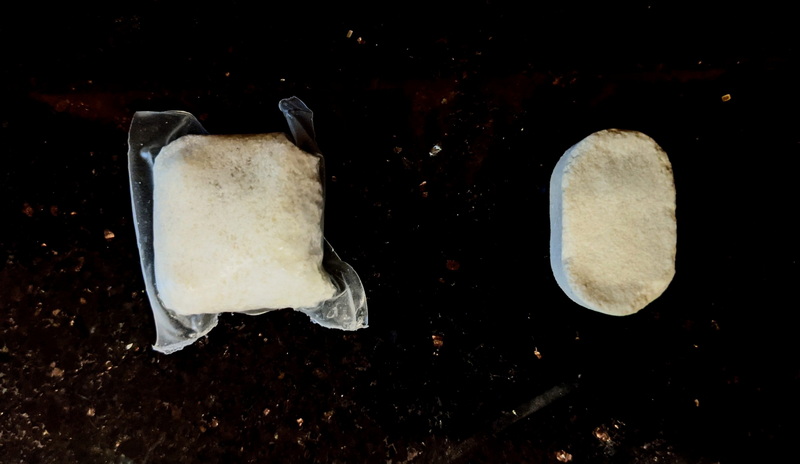
Yes. If they fail to dissolve completely, they can clump and obstruct filters or drainage lines. Running hot water and using the correct cycle prevents this issue.
Most modern dishwashers are designed to work safely with pods. However, older units with weak heating elements may not dissolve them properly.
Generally, yes. Pods offer consistent dosing and multi-component cleaning, while liquid detergents may perform better in low-temperature washes.
Run an empty cycle with vinegar or citric acid-based dishwasher cleaner monthly to dissolve residues and prevent odors.
Many brands produce biodegradable pods, though environmental effects vary. Choosing trusted eco-certified brands reduces impact on waterways.


