
Views: 222 Author: Tomorrow Publish Time: 12-20-2025 Origin: Site


Content Menu
● Understanding Dishwasher Pods
● How Dishwasher Pods Work Inside the Machine
● What Happens When Dishwasher Pods Don't Dissolve Properly
● Materials and Ingredients in Dishwasher Pods
● Preventive Measures for Safe Use
● Signs Your Pipes May Be Affected
● Eco-Friendly Alternatives and Sustainability
● Routine Maintenance for Long-Term Plumbing Health
● The Role of Water Quality and Temperature
● The Myths Around Dishwasher Pod Damage
● Professional Maintenance and Inspection
● Health and Safety Considerations
● FAQ
>> 1. Are dishwasher pods safe for all dishwasher models?
>> 2. Can dishwasher pods clog pipes?
>> 3. Do dishwasher pods harm septic systems?
>> 4. How can I remove detergent buildup in my dishwasher?
>> 5. How can I make sure pods dissolve completely?
Dishwasher pods have become a modern household essential, offering a simple and mess-free solution for sparkling dishes. Instead of wrestling with powdered detergent or measuring liquids, users can now drop a single pod into the dispenser and let technology handle the rest. Despite their convenience, however, some homeowners have raised concerns about whether these compact cleaning powerhouses might cause long-term harm to pipes or plumbing systems.
This article takes a closer look at how dishwasher pods work, the science behind their ingredients, the potential risks to pipes, and the best practices to ensure they remain safe for your plumbing. If you've ever wondered whether your dishwasher pods are doing silent damage behind the scenes, this comprehensive guide will give you the clear answer.
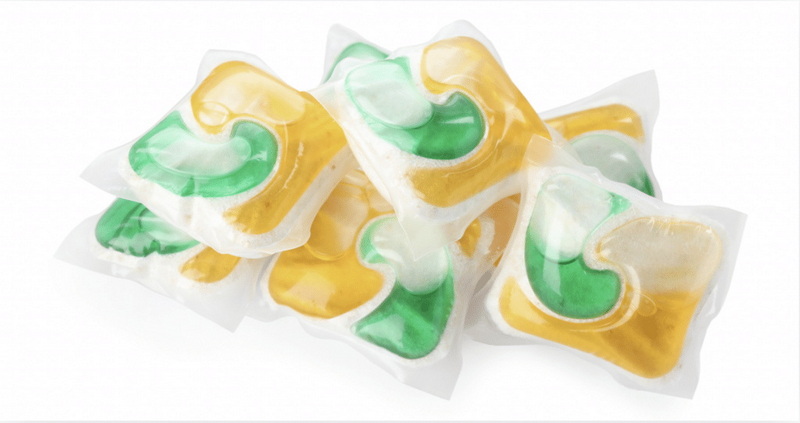
Dishwasher pods, sometimes referred to as tablets or capsules, contain an exact combination of cleaning ingredients encased in a dissolvable film. This outer layer, made from a water-soluble material like polyvinyl alcohol (PVA), vanishes as it comes into contact with warm water. Inside the casing lies a mix of enzymes, surfactants, bleach, and rinse agents—all carefully balanced to remove grease, food residue, and stains.
The innovation of dishwasher pods lies in portion control. Traditional powdered or liquid detergents often led to overuse, wasting product and increasing chemical concentration in the wastewater system. Pods eliminate this problem by ensuring consistent dosing, which improves cleaning efficiency and reduces residues left behind on dishes or in the drainage system.
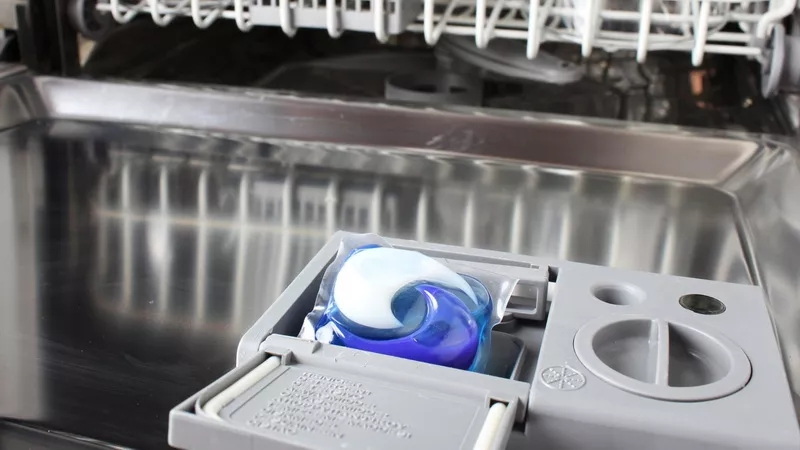
When a dishwasher pod is placed in the detergent compartment and the wash cycle begins, the following steps occur:
1. Water release – The dishwasher releases warm water at the start of the cycle.
2. Dissolution of casing – The heat and motion dissolve the PVA film, releasing the detergent.
3. Chemical activation – Enzymes break down proteins and starch residues, while surfactants lift away fats and grease.
4. Circulation and cleaning – The detergent-rich water circulates under pressure, cleaning and rinsing dishes throughout the cycle.
5. Drainage – Finally, used water carrying dissolved food waste and detergent flows out through the drain pipe.
In a well-functioning machine, this process ensures the detergent is flushed entirely through the system, leaving little to no residue behind. However, problems can occur when water temperature, pressure, or drainage efficiency aren't optimal.
Although dishwasher pods are widely considered safe, certain conditions can make them problematic. These risks usually emerge not from the pods themselves but from how they are used or the condition of the plumbing system.
1. Incomplete Dissolution – If the pod does not fully dissolve, leftover detergent or film fragments may stick to the filter or lodge in pipes. Repeated buildup can slow drainage and lead to clogging over time.
2. Cold Wash Cycles – Detergent casings need warm water (above 110°F / 43°C) to dissolve properly. Low-temperature cycles might leave residues that congeal along the drain line.
3. Grease Interaction – When greasy wastewater mixes with detergent residue, the result can be a sticky film that clings to pipes and hardens after cooling.
4. Aging or Narrow Pipes – Old galvanized steel or cast-iron pipes develop rough internal surfaces, where detergent residue can collect and restrict water flow.
5. Excessive Detergent Use – Using multiple pods per cycle (often done to deal with heavily soiled dishes) can lead to concentration above what the plumbing can handle efficiently.
6. Hard Water Effects – Minerals in hard water reduce detergent solubility, increasing the risk of undissolved residues forming near pipe bends or traps.
It's important to note that these situations are exceptions, not the norm. In most modern households with functional dishwashers and healthy plumbing, pods will dissolve and flush away safely.
If your pod fails to dissolve, the detergent becomes inefficient and may clump or clog internal components. You might notice white streaks on glassware, soap scum at the bottom of the dishwasher, or a film coating your kitchen sink drain. Over time, these residues can narrow the water flow path, forcing wastewater to linger in the pipes longer than intended. This creates ideal conditions for bacterial growth and odors.
Running a high-temperature cycle usually resolves this problem. You can also check for blockages in the detergent compartment or spray arms, which sometimes prevent water from reaching the pod efficiently.
Dishwasher pods are a mix of advanced cleaning chemistry designed for maximum performance. Understanding each component helps explain both their benefits and limitations.
- Surfactants: These reduce surface tension between water and grease, allowing fats and oils to mix with water and rinse away easily. In high concentrations, foam from surfactants can linger inside pipes, but this is rare under normal use.
- Enzymes: Naturally derived proteins that break down organic residues like starches and proteins. They are biodegradable and pose no threat to pipes.
- Bleaching Agents: Used to remove stains and sanitize dishes. While they add mild alkalinity, modern formulations are gentle enough for both dishes and plumbing.
- Rinse Aids and Binders: Reduce spotting by helping water drain smoothly from dish surfaces. They generally do not remain in pipes long enough to create deposits.
- Fragrances: Added in trace amounts, fragrances disperse completely during drainage and do not contribute to buildup.
To maintain both dishwasher efficiency and pipe health, proper usage practices are key. Consider the following tips:
- Use the correct cycle. Always choose wash settings recommended by the detergent manufacturer to ensure complete dissolution.
- Avoid cold or short cycles. These rarely generate sufficient water temperature or duration for pods to dissolve fully.
- Clean the dishwasher filter monthly. Filters trap food waste that could otherwise contribute to buildup in drain lines.
- Flush with hot water. Occasionally running an empty cycle with hot water helps rinse remaining soap films away.
- Perform routine maintenance. Vinegar or baking soda cycles remove scale deposits, ensuring pipes remain clear.
- Use high-quality products. Well-known detergent brands undergo strict testing to minimize residue formation.
Your plumbing system will often signal early signs of detergent buildup before serious problems occur:
- Unexplained slow draining after dishwasher use.
- Persistent odor resembling soap or mildew near the sink or dishwasher area.
- Visible detergent clumps or residue around the outlet filter.
- Gurgling noises from the plumbing system.
- Recurring minor clogs despite regular cleaning.
Fixing these problems early can prevent expensive plumbing service calls later.
Environmentally conscious households often seek gentler options without compromising cleanliness. Eco-friendly pods made with biodegradable surfactants and enzyme-based cleaners dissolve more completely and leave minimal residue. They are typically free from phosphates, chlorine, and synthetic fragrances, which means they are safer for both plumbing and water ecosystems.
Powder or liquid detergents allow flexibility in portion control and align with “low-waste” practices. If you prefer DIY alternatives, simple mixtures of washing soda, borax, and citric acid can serve as effective dishwasher detergents. However, users should always test small amounts first to ensure compatibility with their specific dishwasher.
Just as with any appliance connected to your plumbing, your dishwasher benefits from periodic maintenance. Implementing the following schedule helps prevent any long-term issues caused by detergent accumulation:
- Monthly: Clean filters, spray arms, and seals with warm soapy water.
- Quarterly: Run a deep-clean cycle using a dishwasher-safe cleaning solution or white vinegar.
- Biannually: Have a plumber inspect connections and drains to ensure free flow and no residue buildup.
- Yearly: Inspect hoses and joints for leaks or wear, as leaking detergent water can corrode fittings.
Water temperature and hardness affect how effectively dishwasher pods dissolve. In soft water regions, detergent dissolves fully and rinses away without issue. In contrast, hard water areas may promote the formation of calcium and magnesium deposits that bind with detergent residue.
If you live in a hard water area, installing a water softener can greatly reduce the likelihood of buildup inside both the dishwasher and connected pipes. Water temperature should ideally remain between 120°F and 150°F (49°C–65°C) to fully activate the detergent ingredients.
It's easy to find online anecdotes blaming dishwasher pods for pipe clogs, yet most stem from coincidental drainage problems rather than direct damage. Common myths include:
- Myth: Dishwasher pods melt plastic pipes.
Fact: PVA film and detergent dissolve far before reaching temperatures capable of harming plastic piping.
- Myth: Dishwasher pods corrode metal pipes.
Fact: Bleaching agents in pods are too diluted to corrode modern plumbing materials such as copper or stainless steel.
- Myth: Pods create soap buildup that can't be removed.
Fact: Regular rinsing and maintenance cycles eliminate residue effectively before it becomes problematic.
Understanding these myths helps put real plumbing risks in perspective.
If your dishwasher seems sluggish or drains slowly despite routine cleaning, a licensed plumber can help identify deeper issues. Using inspection cameras, they can assess whether buildup has formed within the internal plumbing. In most cases, a professional flush with enzyme-based pipe cleaners safely restores flow without damaging the plumbing.
Annual inspections are a wise preventive step, especially for older homes where small internal deposits might grow unnoticed until a full blockage occurs.
While the focus is often on plumbing, the safe handling of dishwasher pods is equally important. Pods are highly concentrated and should never be touched with wet hands, as moisture can activate premature dissolution. Keep pods sealed in a dry container and out of reach of children and pets.
Pods that spill or rupture can irritate the skin and eyes. Always rinse thoroughly if accidental contact occurs and follow label safety instructions carefully.
Although dishwasher pods are slightly more expensive per load than liquid or powder detergents, they provide indirect savings by preventing overdosing and reducing water waste caused by re-washing. Their controlled formulation also helps protect dishwasher components—such as spray arms and filters—by avoiding excessive suds and residue.
Proper use supports both the longevity of your appliance and the efficiency of your plumbing network, making pods a practical balance between convenience, cost, and care.
Dishwasher pods do not inherently damage pipes. When used correctly with adequate water temperature and routine appliance maintenance, they dissolve fully and flush safely through your drain system. Problems arise only under special conditions—cold water cycles, undissolved residue, or neglected maintenance.
The best approach is proactive: keep your dishwasher clean, use eco-friendly pods when possible, and run occasional high-temperature cycles to dissolve potential buildups. By following these simple steps, you can enjoy spotless dishes and peace of mind, knowing your plumbing remains safe and efficient for years to come.
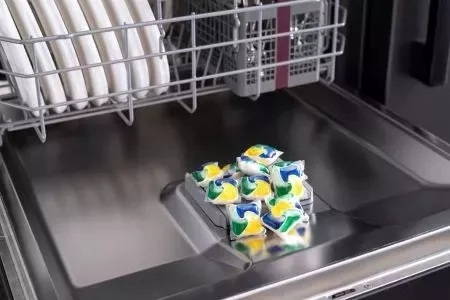
Yes. Most dishwashers are engineered to use pods safely, regardless of brand or model. Just ensure the dispenser is dry before placing the pod, and follow manufacturer recommendations for temperature settings.
It's possible, but rare. Pods only cause clogs when they fail to dissolve completely due to short cycles or cold water. Routine cleaning eliminates this risk.
They can if overused. Excessive detergent affects septic bacteria balance. Always use septic-safe or biodegradable pods for optimal safety.
Run a hot wash cycle with white vinegar or baking soda once a month. This dissolves grease and soap scum. Clean filters regularly to maintain clear drainage.
Use the normal or heavy-duty cycle with water above 120°F (49°C). Avoid “quick wash” or “eco” settings when dishes are heavily soiled or greasy.


