
Views: 222 Author: Tomorrow Publish Time: 12-20-2025 Origin: Site


Content Menu
● What Are Dishwasher Pods Made Of?
● Understanding Microplastics and Their Risks
● Polyvinyl Alcohol (PVA): Useful, Yet Potentially Problematic
● Why Biodegradability Claims Are Misleading
● Microplastics Pathway Through Wastewater
● Environmental Impact Beyond Microplastics
● Are Dishwasher Pods the Major Polluters?
● Exploring Sustainable Alternatives
● Reducing Microplastics in Everyday Life
● Policy and Industry Momentum
● Broader Scientific and Ethical Perspectives
● The Role of Innovation and Public Awareness
● FAQ
>> 1. What is PVA and why is it used in dishwasher pods?
>> 2. How do dishwasher pods contribute to microplastic pollution?
>> 3. Are there eco-friendly alternatives to traditional pods?
>> 4. Do wastewater treatment plants remove PVA entirely?
>> 5. What can policymakers do to reduce microplastic emissions?
Dishwasher pods, also known as detergent capsules, are a defining innovation of convenience in modern households. They promise spotless dishes with no mess, precise dosing, and easy storage. Yet, behind their clean image lies a growing environmental concern: could these pods be contributing to microplastic pollution in our ecosystems? As microplastics gain attention as a serious environmental threat, consumers are questioning whether dissolved films from dishwasher pods are truly harmless or simply invisible plastics lingering in the water cycle.
This article explores the materials, science, and environmental implications of dishwasher pods to determine their role in microplastic pollution. It also discusses sustainable alternatives and practical steps consumers can take to reduce environmental risks linked to their daily dishwashing habits.
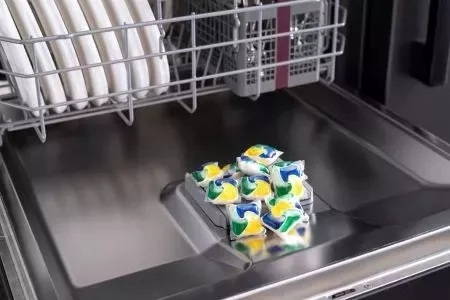
A typical dishwasher pod includes three essential parts: the detergent mixture, the film or capsule, and various stabilizing additives that maintain its shape and integrity during storage. The outer shell, often transparent and smooth, looks and feels like plastic—but it behaves differently when in contact with water.
The casing is primarily made from polyvinyl alcohol (PVA), also known as PVOH, a synthetic polymer distinguished by its solubility in water. Inside the film are concentrated detergents containing enzymes, surfactants, builders, and bleaching agents. Each ingredient serves a purpose: enzymes break down proteins and fats; surfactants lift residues; and builders soften water to improve cleaning efficiency.
While the detergent ingredients are intended to disperse and biodegrade through wastewater systems, the encapsulating film presents a more complex issue. Even though it dissolves in water, this process only changes the physical state from film to dissolved polymer chains—not necessarily full biodegradation.
Microplastics are defined as plastic particles smaller than 5 millimeters in diameter. They can be primary ( manufactured at that size, such as microbeads used in cosmetics or industrial products) or secondary, which originate from the breakdown of larger plastic debris. Regardless of their source, microplastics are now found everywhere—from arctic snow to deep-sea sediment.
The environmental threat of microplastics lies in their persistence and ability to transfer through ecosystems. Marine organisms from plankton to fish ingest microplastics, which can carry harmful additives or pollutants adsorbed from water. These particles accumulate through the food web and may even end up on human plates. Scientists continue to investigate the potential health impacts, but early evidence suggests microplastics may cause inflammation, oxidative stress, or tissue damage in aquatic species.
So where do dishwasher pods fit into this global issue? The key lies in the chemistry of polyvinyl alcohol and how it behaves after entering wastewater systems.
Polyvinyl alcohol is not a conventional plastic like polyethylene or polypropylene—it is a synthetic polymer designed to dissolve in water. Because it disperses instead of forming solid particles, it was long thought to be environmentally safe. Manufacturers label PVA-based products as *biodegradable* or *eco-friendly*, which, at a glance, seems reassuring.
However, recent studies show that “dissolvable” does not equal “biodegradable.” When PVA dissolves, the polymer chains remain in water until microorganisms degrade them. This degradation process depends on several factors:
- Availability of specific bacteria capable of digesting PVA.
- Suitable temperature, oxygen levels, and pH.
- Residence time in wastewater treatment plants.
If any of these factors are lacking, the polymer remains largely intact. One 2021 study in *Environmental Science & Technology* reported that up to 75% of PVA from household cleaning pods can pass through wastewater treatment systems without full breakdown, ultimately reaching rivers, lakes, or oceans.
Another concern is that PVA molecules can bind with organic matter or metals, forming persistent complexes that act similarly to invisible microplastics—particles too small to filter yet capable of interacting with living organisms. Thus, even though we cannot see fragments from dishwasher pods, they may still contribute to the overall microplastic load in aquatic environments.
The term *biodegradable* is not universally defined. Many companies test biodegradation under ideal laboratory conditions—controlled temperature, sufficient oxygen, and abundant microbial activity. In the real world, conditions in wastewater systems vary dramatically. Cold water, low oxygen environments, or short retention times make biodegradation incomplete.
The U.S. Environmental Protection Agency (EPA) and other regulatory bodies have acknowledged this issue, emphasizing that laboratory biodegradation data does not necessarily reflect environmental biodegradability. Consequently, while manufacturers might claim that their PVA films “fully biodegrade,” these claims may only hold true in optimized, industrial-scale composting setups—not in municipal wastewater systems.
In short, although the water-soluble film of dishwasher pods disappears visually, it might continue to exist at the molecular level, behaving much like microplastics or persistent synthetic chemicals.
The pathway from your dishwasher to the environment is surprisingly short:
1. Dishwashing cycle begins: The PVA film dissolves, releasing detergents into wastewater.
2. Wastewater travels to treatment plants: Physical screens, sedimentation, and biological treatments filter most solids, but dissolved polymers easily pass through.
3. Partially treated water released: Residual PVA and other detergent chemicals enter rivers, lakes, or coastal waters.
4. Ecological interactions: PVA molecules can adhere to sediments, bind with contaminants, or be ingested by microorganisms.
Over time, even trace emissions become significant. Considering that millions of households worldwide use dishwasher pods daily, the cumulative effect is substantial, magnifying the problem at global scale.
The environmental challenge of dishwasher pods extends beyond PVA. The detergent inside each capsule also introduces concerns tied to chemical pollution. Common detergent ingredients such as phosphates, surfactants, and preservatives can:
- Disrupt aquatic microbial balance.
- Contribute to algal blooms by increasing nutrient levels.
- Harm aquatic species through toxicity or oxygen depletion.
Moreover, when PVA interacts with these chemicals, it may alter their dispersion and persistence, creating complex environmental reactions that are not yet fully understood. Some studies suggest PVA can serve as a carrier material, helping pollutants travel further through the aquatic environment.
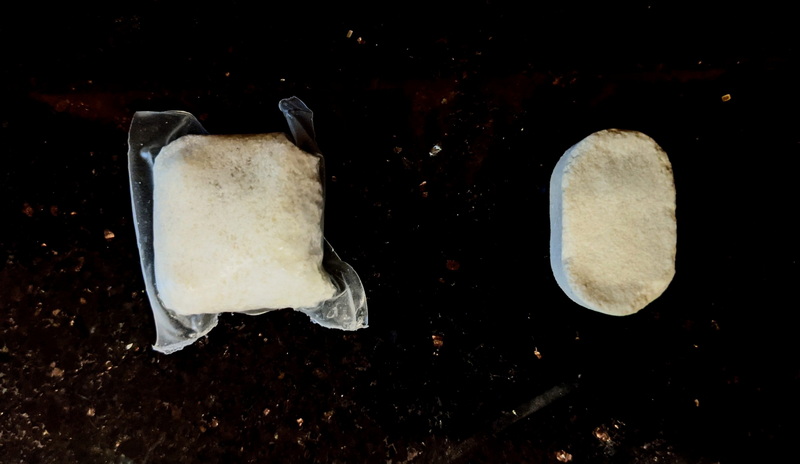
From a global perspective, dishwasher pods are not the single largest source of microplastics—they are part of a broader problem. More significant contributors include:
- Synthetic clothing fibers shed in washing machines.
- Tire wear particles generated by vehicles.
- Degraded plastic packaging and litter.
- Industrial abrasives used in manufacturing.
However, the issue with pods lies in their preventable nature. They represent a form of microplastic pollution that stems purely from convenience. Unlike industrial emissions or tire wear—which are harder to eliminate—reducing pod-related pollution requires only small consumer shifts in product choice.
Consumers have several feasible alternatives to reduce their reliance on plastic-encased detergents:
1. Powder detergents – They often come in recyclable cardboard boxes, contain fewer additives, and lack encapsulating polymers.
2. Solid tablets without plastic coating – Some brands now produce compressed detergent tablets that dissolve naturally without PVA films.
3. Refillable cleaning solutions – Refill stations or concentrated detergent formats help eliminate single-use packaging.
4. Eco-certified brands – Look for labels such as *EPA Safer Choice* or *EU Ecolabel*, which ensure environmentally tested formulations.
5. DIY detergents – Simple homemade alternatives made with baking soda, washing soda, and citric acid can effectively clean dishes without synthetic polymers or chemical residues.
Adopting such products helps close the loop on plastic pollution while maintaining cleaning performance.
Since microplastics emerge from diverse sources, broader lifestyle actions can make measurable differences:
- Wash clothes with filters or laundry bags designed to capture microfibers.
- Choose natural fabrics like cotton, hemp, or wool instead of synthetics.
- Recycle correctly to prevent larger plastics from fragmenting into microplastics.
- Support regulations that require companies to disclose polymer composition and biodegradability.
- Educate peers and promote transparency in marketing terms like “eco-friendly” and “dissolvable.”
Small actions at individual and community levels collectively contribute to systemic reduction in environmental contamination.
Regulatory discussions around synthetic polymers in cleaning products have gained momentum. After the global bans on microbeads in cosmetics, environmental agencies are shifting attention to water-soluble plastics, including PVA. Governments in Europe, the U.S., and Canada are funding research to evaluate the environmental persistence of these polymers.
In response, major detergent manufacturers are investing in biobased films made from starch, cellulose, or protein derivatives. These materials degrade more readily and integrate with natural biological cycles, offering a promising direction toward fully sustainable cleaning technologies.
Still, industrial transition takes time. Until these alternatives become universal, awareness and voluntary consumer choices remain critical driving forces behind market change.
The dishwasher pod dilemma raises deeper ethical questions about consumer responsibility in the Anthropocene—an era where even seemingly small actions have global consequences. A dissolved pod film represents the intersection of chemistry, marketing, and human convenience. It symbolizes a cultural pattern of invisible pollution—materials that vanish from sight but persist within ecosystems.
Understanding these hidden pollutants challenges us to rethink sustainability not only in visible plastics but also in molecular-level contaminants. Scientific progress continues to analyze how polymers like PVA interact with microbial communities and carbon cycles, yet addressing the problem also requires cultural change—valuing durability, transparency, and accountability in product design.
Encouragingly, environmental innovation is on the rise. Startups and research initiatives are developing enzyme-based biodegradable films capable of breaking down under typical wastewater conditions. Public awareness campaigns—often led by NGOs and science communicators—are finally linking everyday household choices to complex global phenomena such as ocean plastic accumulation.
Educational outreach can make a significant impact. When consumers understand that “vanishing in water” is not equivalent to “disappearing forever,” they become more motivated to switch toward sustainable products. Over time, this awareness drives companies to rethink formulas, packaging, and supply chains in favor of circular economy models.
While dishwasher pods offer undeniable convenience, their contribution to environmental microplastics is an issue that cannot be ignored. Polyvinyl alcohol, the material most films are made of, dissolves easily but often fails to completely biodegrade in typical wastewater conditions. As a result, PVA residues may persist in ecosystems, behaving similarly to microplastics and potentially affecting aquatic organisms.
The good news is that solutions already exist. Consumers can choose powder detergents, biodegradable alternatives, or refill systems that eliminate synthetic polymers altogether. Manufacturers and policymakers can push forward innovations that ensure genuine biodegradability—verified not only in the lab but in real environmental contexts.
Ultimately, the small act of choosing what detergent to use reflects a much larger commitment: protecting the planet from invisible forms of pollution one wash at a time.
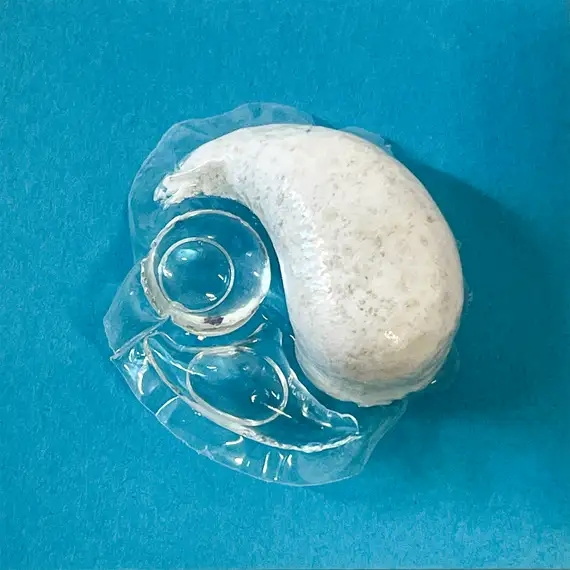
PVA (polyvinyl alcohol) is a synthetic polymer that forms the water-soluble film around detergent pods. It's used for its stability, safety, and dissolvability, but it may not biodegrade completely after use.
Although PVA dissolves in water, it can persist as small polymer chains. These residues act like microplastics, moving through wastewater and entering natural water bodies.
Yes. Many companies now offer plastic-free tablets, powder detergents, or refill systems. Consumers can also make DIY dishwashing cleansers using natural ingredients like baking soda and citric acid.
Not completely. Studies show that up to 75% of dissolved PVA may pass through treatment systems and enter the environment, where it can accumulate over time.
Policymakers can establish regulations requiring companies to verify true biodegradability, support research into eco-friendly materials, and educate consumers on sustainable product use.


