
Views: 222 Author: Tomorrow Publish Time: 12-19-2025 Origin: Site


Content Menu
● Understanding Dishwasher Pods
>> The General Composition of Dishwasher Pods
● What Is Bleach and How Does It Work?
● Do Dishwasher Pods Contain Bleach?
>> 1. Oxygen-Based Bleach in Dishwasher Pods
>> 2. Chlorine-Based Bleach in Dishwasher Pods
● Why Manufacturers Add Bleach
● Safety Considerations When Using Bleach-Containing Pods
>> Material Compatibility Issues
● Identifying Bleach in Dishwasher Pods
● Alternatives to Bleach-Containing Dishwasher Pods
● Bleach-Free Cleaning Techniques
● The Chemistry Behind Dishwashing Success
● Choosing the Right Dishwasher Pod
● Maintaining Your Dishwasher Over Time
● The Future of Dishwasher Detergents
● FAQ
>> 1. Do all dishwasher pods contain bleach?
>> 2. Is chlorine bleach bad for dishwashers?
>> 3. Are bleach-free detergents as effective?
>> 4. Can dishwashing bleach harm my skin?
>> 5. Which pod type is most eco-friendly?
Dishwasher pods have transformed household cleaning by combining ease of use with powerful cleaning technology in a small, efficient package. These compact capsules eliminate the need for measuring detergent or handling messy powders and gels. But despite their convenience, one question persists among consumers: Do dishwasher pods contain bleach?
Understanding this question is important not only for those concerned about hygiene and performance but also for those who want to ensure safety, eco-friendliness, and compatibility with different dish materials. In this article, we'll break down what dishwasher pods contain, what types of bleach they may include, why bleach is used, and how you can choose the right product for your home.
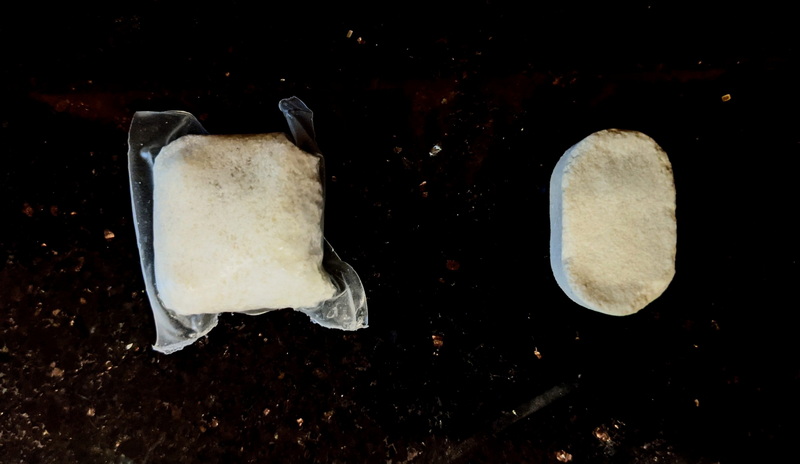
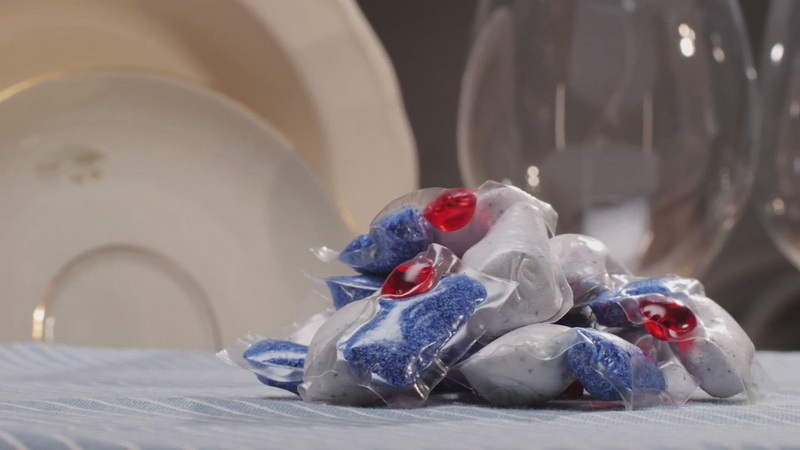
Dishwasher pods, also known as tablets or packs, are pre-measured detergent doses that dissolve completely in water during the wash cycle. The outer casing, usually made of polyvinyl alcohol (PVA), ensures that the entire pod dissolves without residue. These pods are formulated to deliver consistent results every time—whether you have a full load of dirty dishes or light evening cleanup.
Though each brand has its proprietary blend, most dishwasher pods share several key ingredients:
- Surfactants: These reduce surface tension and lift grease from dish surfaces.
- Enzymes: Biological cleaners that break down food residues like starches, proteins, and fats.
- Builders: Ingredients that soften hard water and boost detergent efficiency.
- Bleaching agents: Substances designed to remove stains and eliminate bacteria.
- Rinse aids: Prevent water spots and ensure shiny, streak-free results.
Together, these components create a synergistic cleaning effect, combining chemical and biological action for optimal performance.
Bleach is a chemical compound that whitens surfaces or kills germs by altering chemical bonds within molecules through oxidation or chlorination. There are two primary types commonly found in household cleaning agents:
1. Chlorine-based bleach: Typically sodium hypochlorite, a powerful oxidizer used for disinfection.
2. Oxygen-based bleach: Primarily sodium percarbonate or sodium perborate, which release hydrogen peroxide when activated by water.
Bleach works through oxidation—breaking down colored organic compounds and decomposing stains at the molecular level. While chlorine bleach is potent and fast-acting, it can also be corrosive. Oxygen bleach, in contrast, offers a gentler approach with fewer safety concerns and a smaller environmental footprint.
The straightforward answer is yes, many dishwasher pods do contain bleach—but the kind of bleach varies. Most modern brands favor oxygen-based bleach over chlorine-based bleach for safety, sustainability, and compatibility reasons.
Oxygen-based bleach has become the industry standard in most household dishwasher pods. Compounds like sodium percarbonate release hydrogen peroxide when dissolved, which effectively removes stains and sanitizes dishes.
Key advantages include:
- Gentleness: Less likely to corrode metal utensils or fade patterns on ceramic dishes.
- Environmental friendliness: Breaks down into water and oxygen, leaving no harmful residue.
- Material safety: Safe on glassware, plastic, and stainless steel.
Because of its balanced strength and safety, oxygen-based bleach achieves remarkable results on coffee and tea stains without endangering delicate items.
Some heavy-duty or commercial dishwasher pods still incorporate chlorine-based bleach. These formulations are extremely effective for sterilization and stubborn stains but are rarely suited to domestic dishwashers. Chlorine bleach can pit stainless steel, tarnish silverware, and erode rubber seals within your machine over time.
For everyday household cleaning, oxygen-based alternatives are far superior in longevity and compatibility.
The inclusion of bleach in dishwasher pods is not accidental—it serves several scientifically supported functions:
1. Stain removal: Oxidizes colored compounds from coffee, wine, and sauce splatters.
2. Disinfection: Destroys bacteria and mold that proliferate in humid dishwashers.
3. Odor elimination: Neutralizes leftover food smells from plates and filters.
4. Enhanced cleaning: Works in tandem with enzymes to lift dirt more effectively.
Without bleach, food pigments and biofilms could gradually build up on dishes and inside the dishwasher, leading to fogging and dull appearances.
Dishwasher pods are safe when used correctly, but users should remain mindful of specific risks associated with bleach-based ingredients.
Certain materials react poorly with bleach:
- Silver and silver-plated utensils can tarnish.
- Aluminum cookware may darken or pit.
- Cast iron can rust easily.
- Hand-painted or gold-trimmed china can fade.
- Wooden or bamboo utensils may lose finish.
To preserve these items, wash them by hand or verify whether your dishwasher detergent is chlorine-free.
Bleach is a strong chemical. Although pods reduce exposure by encapsulating ingredients, always keep them out of reach of children and pets. Avoid puncturing or cutting them open. In the rare event of contact, rinse affected skin or eyes thoroughly with cool water.
Modern dishwashers are designed to vent steam effectively, minimizing potential bleach fumes. However, if your dishwasher smells strongly of chemicals after washing, run a rinse cycle with white vinegar or baking soda to neutralize residue.
Chlorine-based bleach can form environmentally persistent compounds like chlorinated byproducts. Oxygen bleach, however, decomposes into benign substances, making it significantly safer for aquatic ecosystems.
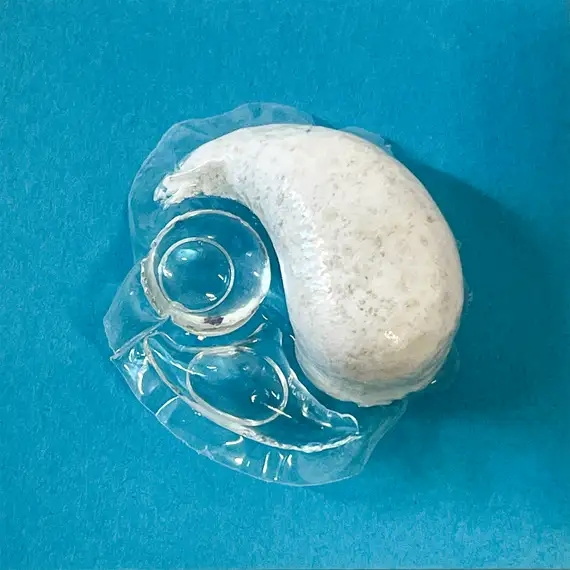
Consumers can easily determine whether bleach is present in their detergent. Review packaging details or online ingredient lists from brands. Look for these common phrases:
- “Contains sodium percarbonate” → oxygen-based bleach.
- “Oxi-action” or “Active oxygen” → non-chlorine formula.
- “Contains sodium hypochlorite” → chlorine-based bleach.
- “Bleach-free” → indicates enzyme-based or eco-conscious alternatives.
Brands like Finish, Cascade, and Seventh Generation are transparent about their formulations, making comparison simple.
For households seeking gentle or eco-friendly cleaning, there are several viable choices:
- Enzyme-powered pods: Depend on natural proteins for grease and residue removal.
- Plant-based detergents: Feature biodegradable ingredients safe for septic systems.
- DIY dishwasher detergent: Mix equal parts of washing soda, citric acid, and baking soda; store in an airtight jar.
- Vinegar and baking soda rinses: Naturally deodorize and brighten dishes post-cycle.
Though bleach-free versions may need higher water temperatures for full performance, they remain highly effective when used properly.
Without bleach, achieving perfect cleanliness is still possible using these best practices:
1. Pre-rinse lightly so dishes aren't overloaded with debris.
2. Run full loads only, ensuring efficient chemical and water distribution.
3. Descale your dishwasher every month using citric acid tabs or vinegar.
4. Wipe door seals and filters once a week to prevent bacteria buildup.
These simple habits help maintain clarity, sanitation, and performance even without potent oxidizers like bleach.
The science of dishwashing is a well-orchestrated combination of chemistry and physics. Enzymes attack food residues, surfactants lift oils, and bleach oxidizes stains—all while builders prevent minerals from depositing on dishes. Heat accelerates these reactions, while turbulent water movement distributes cleaning agents evenly.
Bleach contributes by targeting colored organic molecules through oxidation, decomposing them into water-soluble fragments. Oxygen bleach uses peroxide ions to achieve this safely, whereas chlorine-based products release hypochlorous acid, a harsher oxidant. Understanding these mechanisms helps consumers appreciate why certain detergents perform better and last longer.
Selecting the best pod depends on your individual preferences and household priorities. Consider:
- Dish types: Use non-chlorine pods if you own delicate, decorated, or vintage dishes.
- Hardness of water: If you have hard water, opt for pods with both bleach and water softeners.
- Eco-conscious living: Choose oxygen-based or enzyme-only pods with biodegradable packaging.
- Budget: Affordable supermarket brands often deliver comparable performance if used correctly.
Reading product labels and researching brand transparency will ensure your detergent aligns with health, safety, and sustainability values.
Many dishwashing issues stem not from detergent quality but from machine maintenance. Here are essential upkeep tips:
1. Clean the spray arms to prevent clogs that reduce rinsing efficiency.
2. Remove and rinse filters every few weeks.
3. Run a self-cleaning cycle monthly with a dishwasher cleaner or vinegar solution.
4. Avoid overloading racks to allow water circulation.
5. Store pods in a dry environment to prevent premature breakdown of the PVA film.
Proper maintenance guarantees long-term appliance health and consistent washing performance, especially when using bleach-based detergents.
With consumers demanding safer, greener products, the detergent industry continues to innovate. Future dishwasher pods may feature recycled or compostable packaging, enzyme-rich formulas requiring less heat, and alternative oxidizers derived from plant sources. Some manufacturers are experimenting with hydrogen peroxide micro-capsules that clean effectively without chlorine or phosphates.
Sustainability and consumer health will remain driving forces behind these technological shifts.
So, do dishwasher pods contain bleach?
Yes, most do—but primarily oxygen-based bleach, not the harsh chlorine varieties of the past. This shift reflects increasing environmental awareness and a focus on safe, effective cleaning. Oxygen-based bleach provides stain removal and sanitation without corroding dishes or damaging machines.
By understanding the differences between bleach types, reading labels attentively, and practicing safe dishwashing habits, consumers can enjoy sparkling dishes while protecting their homes, health, and the planet.
No. Some rely entirely on enzymes and surfactants for cleaning. Always check the ingredients—oxygen-based bleaches are common, but not universal.
Yes, repeated exposure to chlorine bleach can corrode stainless steel and damage rubber gaskets. Oxygen-based bleach is much safer for domestic appliances.
While bleach-free pods may take longer to remove stains, modern enzyme formulations achieve excellent cleaning without harsh oxidizers.
Not under normal conditions. Pods are sealed and designed for minimal exposure. If a pod leaks, simply rinse your hands thoroughly with water.
Oxygen-based, phosphate-free pods made with biodegradable materials and recyclable packaging are currently the most sustainable choice.


