
Views: 222 Author: Tomorrow Publish Time: 12-19-2025 Origin: Site


Content Menu
● How Dishwasher Pods Work in Your Machine
● Why People Think Pods Might Cause Blockages
● Key Factors Influencing Pod Dissolution and Flow
>> 1. Water Temperature and Heating Efficiency
>> 3. Dishwasher Loading Habits
● What Actually Blocks Dishwasher Pipes
● Preventing Dishwasher-Related Clogs
● Identifying Pod-Related Issues
● Environmental and Safety Aspects
● Long-Term Dishwasher Care Routine
● Common Signs of a Developing Blockage
● Comparing Dishwasher Pods to Other Detergent Types
● FAQ
>> 1. Can a dishwasher pod actually block a pipe?
>> 2. Is it safe to use two pods in one cycle?
>> 3. Do dishwasher pods cause microplastic pollution?
>> 4. Are pods effective in low-temperature or eco cycles?
>> 5. How can I keep my dishwasher draining freely?
Dishwasher pods have quickly become the preferred choice for modern households seeking efficiency and convenience. These compact capsules promise spotless dishes with minimal effort. But an important concern occasionally surfaces among homeowners and plumbers alike: Do dishwasher pods block pipes?
While many users assume these pods are harmless, improper use or malfunctioning dishwashers can sometimes cause residue build-up or poor drainage. This article explores in depth how dishwasher pods work, what conditions might lead to clogs, preventive measures, and essential troubleshooting tips. By understanding the technology and chemistry behind these products, you can enjoy clean dishes without risking plumbing issues.
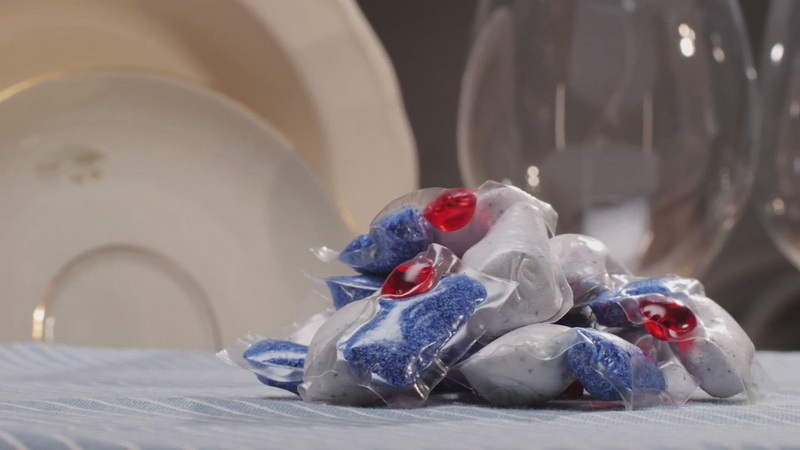
Dishwasher pods are small, pre-portioned packets made to simplify detergent use. Their outer layer is commonly made of polyvinyl alcohol (PVA), a water-soluble material known for dissolving completely under heat. When exposed to water inside the dishwasher, the PVA film releases its contents — typically composed of:
- Enzymes: These break down starches and proteins from leftover food.
- Surfactants: They remove grease and help water rinse away particles.
- Builders: These soften hard water, improving cleaning efficiency.
- Rinse aids: They prevent spots and ensure dishes dry faster.
The whole process depends heavily on water temperature, adequate flow, and a well-functioning dishwasher cycle. Under optimal conditions, the pod dissolves completely within minutes and washes away safely through the drainage system.
The idea that dishwasher pods could clog pipes often arises from visual observation — for example, finding a partially dissolved pod sitting in the rack or residue stuck around the dispenser. People might imagine if these remnants flow into the plumbing, they could accumulate over time.
In practice, though, the materials in pods are designed for total dissolution. Major manufacturers, including brands like Cascade and Finish, test their PVA films rigorously to ensure they degrade safely in municipal waste systems. Therefore, genuine blockages are rare and almost always tied to external factors such as low water temperature, poor maintenance, or incorrect use.
Even though pods are engineered for complete dissolving, several conditions can still interfere with their function. Understanding these helps prevent problems before they start.
PVA dissolves fully only when the water reaches about 60°C (140°F). If your home's water heater is set too low — below 120°F — or your dishwasher's heating element fails, the film may not disintegrate completely. Over time, sticky residues could accumulate around the filter or in the drain tube, especially if cycles are short or underheated.
Mineral-rich water can leave behind calcium and magnesium deposits, making it harder for detergent films to dissolve efficiently. Hard water not only reduces cleaning effectiveness but can also lead to cloudy glassware and chalky buildup inside the appliance. A water softener or specialized dishwasher salt can help prevent these issues.
Incorrectly loaded items, such as large pans blocking the dispenser or silverware baskets placed too close, can restrict water flow. When the pod does not receive a strong burst of water early in the cycle, it may remain stuck inside the compartment, dissolving unevenly or not at all.
Eco or quick-wash modes save energy but use less water and lower temperatures. While they're environmentally friendly, they may not offer enough heat to break down the pod's outer layer completely. Standard or high-temperature cycles are more effective for full pod dissolution.
Moisture exposure can cause pods to clump or dissolve prematurely, affecting performance. Always store them in a sealed, dry container and avoid keeping them near steam-producing appliances like ovens or kettles.
When users encounter a slowing drain or standing water, the natural assumption may be that detergent pods are responsible. However, in most plumbing scenarios, the real cause lies elsewhere:
- Grease buildup from oily dishes or cooking residue.
- Food scraps not properly rinsed off before loading dishes.
- Soap scum accumulating along the hose interior.
- Mineral scaling from hard water over several months.
- Foreign objects, such as small glass pieces or melted plastic.
Pods can occasionally add to these existing problems if residues stick to already narrowed spaces, but rarely are they the root cause. Diagnosing the real issue usually involves checking the dishwasher filter, inspecting the drain hose, and flushing the line with hot water.
The best strategy is consistent preventive maintenance and responsible pod use. Proper habits keep your dishwasher — and your plumbing — in top condition.
1. Run hot water before starting the dishwasher. This preheats the line so the pod begins dissolving immediately.
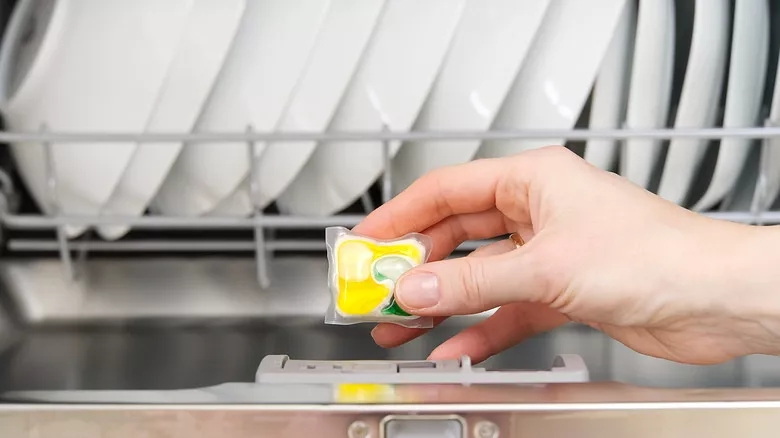
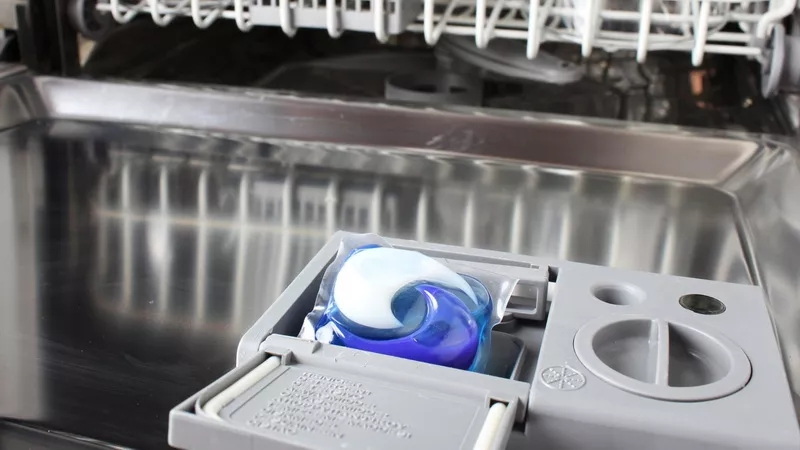
2. Place the pod in the dispenser cup only. Never throw it directly on the bottom of the dishwasher; it may dissolve too early.
3. Scrape, don't rinse. Remove large food particles but leave a bit of residue for the enzymes to act on.
4. Clean filters every two weeks. Food buildup around the filter basket is one of the most common drainage problems.
5. Check spray arms. Blocked or calcified holes reduce circulation and affect detergent performance.
6. Run a hot vinegar cleanse monthly. Pour one cup of white vinegar into the bottom and run a long, hot cycle to break down limescale and grease.
By following these guidelines, you ensure full pod dissolution and smooth wastewater flow.
Sometimes, pod-related symptoms mimic plumbing issues but are easier to resolve. Here's how to diagnose correctly:
- Cloudy dishes or film residue: Usually a temperature issue. Run an empty high-temperature cycle.
- Half-dissolved pods stuck in dispenser: Caused by poor water pressure or blocked spray arms.
- Lingering detergent smell inside dishwasher: Indicates leftover film—clean the drain and run a rinse cycle with baking soda.
- Standing water after cycles: Might signal a clog in the drain hose or a blocked filter basket.
These routine checks can save you from unnecessary plumbing service calls.
Dishwasher pods, when manufactured from quality PVA films, pose minimal risk to waterways. The PVA typically degrades into carbon dioxide and water during wastewater treatment. However, differences in manufacturing quality mean not all brands are equally eco-friendly.
To protect both plumbing and the environment:
- Choose phosphate-free and biodegradable pods.
- Avoid generic, low-cost versions that may contain fillers or incomplete dissolution agents.
- Don't mix chemicals — never use bleach with pod detergents, as it can corrode seals and hoses.
Environmentally conscious households might also consider plant-based pods made from renewable ingredients, which dissolve effectively in a variety of water conditions without harming septic systems.
If none of your own cleaning or troubleshooting efforts work, it's wise to get a professional diagnosis. Signs you may need a plumber include:
- Continuous water pooling at the bottom even after running cleaning cycles.
- Gurgling sounds or foul odors after draining.
- Backups into the sink connected to the same line as the dishwasher.
A plumber may use flexible snakes or hydro-jetting to clear grease and debris buildup. They can also inspect for improper installations such as missing air gaps, kinks in the hose, or inadequate venting, which could mimic clog symptoms unrelated to pods at all.
To extend the lifespan of both your dishwasher and your plumbing, adopt the following maintenance schedule:
- Weekly: Remove visible debris, wipe seals, and keep the machine door slightly open to prevent mold.
- Monthly: Check the filters, spray arms, and dispenser; clean with vinegar or a commercial cleaner.
- Quarterly: Disconnect and clean the hose, inspect the drain trap, and check for mineral scaling.
- Annually: Have a professional inspect the plumbing and ensure the dishwasher's heating element functions properly.
Consistent cleaning not only prevents clogs but also improves energy efficiency and prolongs appliance life.
Detecting issues early can save costly repairs. Watch for:
- Slow drainage at the end of cycles.
- Persistent water spots or detergent residue.
- Unusual noises during draining.
- A musty or sour odor emanating from inside the machine.
If you notice these signs, start with simple at-home flushing methods. Boil two liters of water, mix with half a cup of vinegar, and pour it into the dishwasher drain area. This solution can dissolve minor films and grease layers effectively.
Some people prefer powder or liquid detergents over pods, thinking they cause fewer issues. In truth, each type has pros and cons:
| Type | Advantages | Disadvantages |
|---|---|---|
| Pods | Pre-measured, convenient, no spills | Can be pricier; need hot water |
| Powder | Adjustable dosage, economical | May clump, requires dry storage |
| Liquid | Dissolves easily, great for short cycles | Easy to overuse; messy to handle |
Pods often outperform powders in consistency, though they depend more on dishwasher condition. Choosing the right type comes down to your machine model, water quality, and personal cleaning habits.
After analyzing their composition, performance, and the situations that can impact their effectiveness, it's clear that dishwasher pods do not typically block pipes under normal use. Most plumbing issues arise from grease, food waste, or neglected maintenance rather than from the pods themselves. By ensuring proper water temperature, using quality brands, and maintaining your dishwasher regularly, you can prevent drainage problems entirely.
So the next time you load the dishwasher, you can do so confidently — knowing that those little pods aren't your plumbing's enemy but rather its efficient ally.
Rarely. Undissolved residue may accumulate if the water is too cold or the pod is trapped under dishes, but true blockages usually result from grease and debris buildup instead.
No. Doubling detergent can oversaturate the rinse water, leaving residue and film on dishes. It also increases the risk of temporary soap buildup in the drain hose.
Most reputable brands use PVA films that dissolve fully and biodegrade. Avoid low-quality pods without clear environmental certifications.
They may not dissolve completely during low-heat cycles. For best results, run full or high-temperature washes when using pods.
Clean filters weekly, keep spray arms unblocked, use hot cycles, and periodically flush with vinegar. This prevents soap and grease accumulation inside hoses and drains.


