
Views: 222 Author: Tomorrow Publish Time: 12-19-2025 Origin: Site


Content Menu
● What Are Dishwasher Gel Pods?
● How Dishwasher Gel Pods Work
● Why Dishwasher Gel Pods Might Leave Residue
>> 1. Inadequate Water Temperature
>> 2. Hard Water Mineral Deposits
>> 3. Improper Dishwasher Loading
>> 4. Short or Eco-Friendly Cycles
● How to Prevent Residue from Gel Pods
● Signs of Residue and What They Mean
● Are Gel Pods Safe for All Dishwashers?
● Environmental Impact of Gel Pods
● Troubleshooting Persistent Residue Issues
● Differences Between Gel Pods, Tablets, and Powder Detergents
● Common Misconceptions About Dishwasher Gel Pods
● FAQ
>> 1. Why do my dishwasher pods not dissolve completely?
>> 2. Are dishwasher gel pods better than powder or tablets?
>> 3. Can residue from gel pods damage my dishwasher?
>> 4. Do gel pods work in energy-efficient dishwashers?
>> 5. How often should I clean my dishwasher to prevent residue?
Dishwasher gel pods have changed the way households approach dishwashing. These compact cleaning capsules promise spotless dishes with minimal effort, but many users report seeing leftover film or residue after washing. This observation leads to a common question: Do dishwasher gel pods leave residue, and if so, why?
In this comprehensive guide, we will explore what causes residue, how to prevent it, and practical tips to maintain a sparkling-clean dishwasher. We'll also address environmental impacts, proper use, and common misconceptions about gel pods.
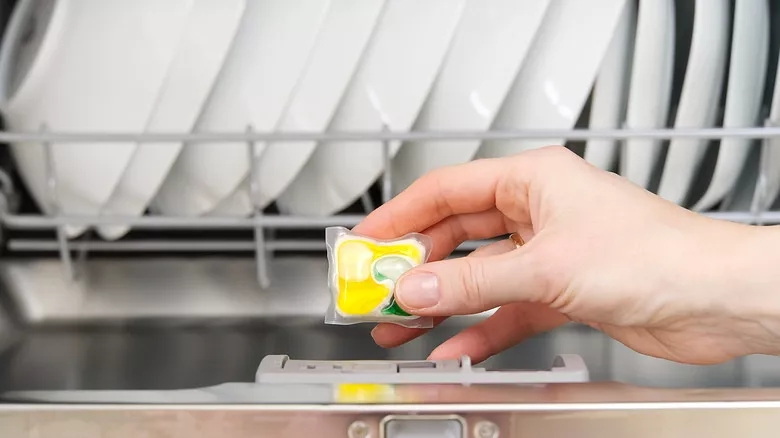
Modern households seek convenience, efficiency, and cleanliness—all at once. Dishwasher gel pods meet these demands by packaging pre-measured doses of detergent, enzymes, and rinse aids in one dissolvable film. They eliminate the guesswork of measuring detergent while reducing waste and spills.
However, users occasionally find a cloudy film or small pockets of undissolved material left behind after a wash. This residue may appear on dishes, glassware, or even the dishwasher's interior surfaces. Understanding how these pods work and what affects their performance is crucial to preventing any unwanted residue.
Dishwasher gel pods are small, water-soluble packets containing detergent and cleaning agents sealed in a thin film made from polyvinyl alcohol (PVA). The PVA coating dissolves during a wash cycle, releasing the detergent at timed intervals. Inside each pod are three primary components:
1. Surfactants: Break down grease and oils on dishes.
2. Enzymes: Target food particles and organic matter.
3. Rinse aids and builders: Soften water and reduce spotting or streaking.
This pre-dosed design prevents detergent waste and ensures consistent results across loads. The convenience and cleanliness of gel pods have made them the preferred choice for millions of households. But several environmental and mechanical factors can disrupt their performance, leading to unwanted residues.
When placed in the detergent compartment, a gel pod is exposed to water during the main wash cycle. The thin film dissolves completely when water is hot enough and the spray arms function properly. The detergent then circulates throughout the dishwasher, breaking down grease and stuck-on food.
Modern gel pods often include enzymes that activate at specific temperature ranges. They require sufficient water heat—typically 120°F to 140°F (48°C to 60°C)—to fully activate and dissolve. If these conditions aren't met, residue may form because part of the pod doesn't release correctly.
In other words, successful pod dissolution depends not only on the pod quality but also on the dishwasher's water temperature, spray coverage, and load size.
Residue doesn't necessarily mean the detergent failed—it usually signals improper operating conditions or maintenance. Below are the primary causes.
Water that's too cool prevents full film dissolution. Polyvinyl alcohol requires sufficiently hot water to dissolve, and cooler temperatures delay enzyme activation. If the pod releases unevenly, sticky or chalky spots may appear on the dishes or inside the tub.
Hard water is an often-overlooked factor. Minerals like calcium and magnesium bond with detergent particles, forming white streaks or chalky residue. These minerals can accumulate over time, reducing cleaning efficiency.
Improper loading is a simple but frequent cause of residue. Large plates or pans that block the detergent compartment prevent water from reaching the pod. Without direct water contact, the pod may only partially dissolve, leaving gel traces.
Short cycles use less water and lower temperatures, designed primarily for lightly soiled items. However, these eco settings may not provide enough time or heat for complete detergent activation, leading to sticky residue.
Placing pods in the bottom of the dishwasher, rather than the detergent dispenser, causes premature exposure to water. This can lead to partial dissolving before the wash cycle begins, making detergent distribution uneven.
Occasionally, using multiple pods in a single cycle creates oversudsing and hinders proper rinsing. Even though pods are compact, they are highly concentrated; one pod per load is sufficient for most dishwashers.
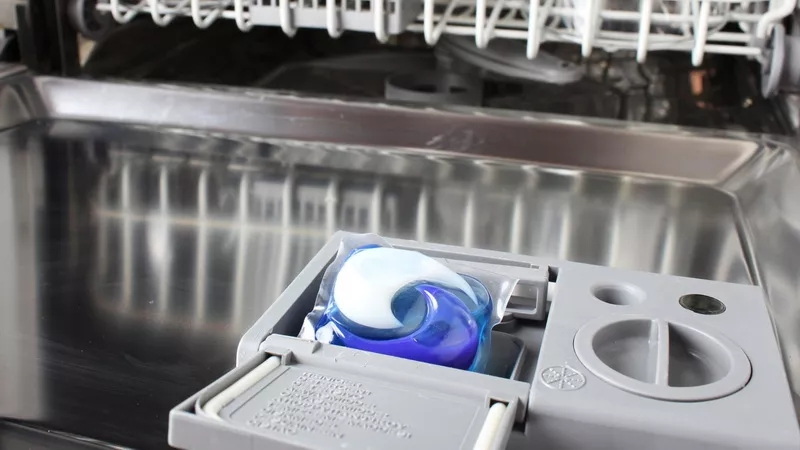
Residue problems are easy to prevent with proper care and awareness. Here's a step-by-step guide to keeping your dishwasher spotless and residue-free.
1. Check Water Temperature. Run hot water from your sink before starting the dishwasher to ensure water enters the machine already warm.
2. Clean Regularly. Clean filters, spray arms, and seals monthly to prevent blockage. Debris buildup restricts water flow, reducing dissolution.
3. Use Longer Cycles. Select longer or standard wash cycles for better pod performance, especially for heavily soiled dishes.
4. Load Correctly. Arrange dishware so that the detergent compartment isn't obstructed by pans or large dishes.
5. Use Rinse Aids. Rinse aids help minimize spotting and hasten drying by lowering surface tension, which improves rinsing.
6. Treat Hard Water. Install a water softener or choose detergents designed for hard water conditions.
7. Avoid Overfilling. Leave enough space for water to circulate freely. Airflow during drying is also critical for shiny dishes.
By maintaining optimum dishwasher conditions, you ensure gel pods dissolve completely and produce crystal-clear results.
Residue can appear in several forms, each signaling distinct problems:
- White Chalky Film: Common with hard water or mineral buildup. Use a softener or descaler to remove it.
- Sticky or Slimy Texture: Indicates incomplete pod dissolution, typically linked to water temperature or obstructed spray arms.
- Cloudy Glassware: Suggests detergent overdose or lack of rinse aid.
- Gritty Particles: May mean leftover food debris recirculated in the rinse cycle.
If residue repeatedly appears even after troubleshooting, consider switching detergent brands to one that suits your water type or dishwasher model.
Gel pods are manufactured to be compatible with nearly all modern dishwashers. The ingredients and dissolving mechanism are standardized for high-temperature cycles. However, older dishwashers with lower heat capabilities might not provide the ideal temperature for full dissolution.
Always check your owner's manual to confirm whether gel pods are recommended for your model. Using the correct detergent type ensures proper mechanical performance and prevents buildup.
Eco-conscious consumers often question the environmental footprint of gel pods. The PVA film encasing each pod dissolves in water and biodegrades under certain conditions, though the rate can vary based on wastewater treatment capabilities.
When purchasing gel pods, look for eco-certified, phosphate-free, or biodegradable labels. Some brands use plant-based surfactants and recyclable packaging to lower environmental impact. Additionally, using the correct dosage—just one pod per load—minimizes detergent discharge into water systems.
If residue continues after implementing preventive measures, follow these troubleshooting steps:
1. Run a Vinegar Cleaning Cycle. Place one cup of white vinegar on the top rack and run a hot cycle without dishes to remove mineral scale and soap film.
2. Inspect Spray Arms. Remove and rinse the spray arms to unclog blocked holes or jets.
3. Clean the Filter System. Food and grease buildup in filters can cause redeposition of particles.
4. Check Pod Storage Conditions. Moisture exposure can clump pods, causing incomplete dissolution.
5. Experiment with Different Brands. Not all pods are equal—some dissolve more efficiently depending on formula and water hardness.
Routine maintenance not only prevents residue but also extends the dishwasher's lifespan.
Proper care enhances dishwasher performance and extends equipment longevity. Here's what you can do monthly:
- Wipe the Door Gasket. Remove food particles or mold from the rubber lining.
- Clean Spray Arms. Use a toothpick to unclog nozzle holes.
- Check Drainage. Clear debris from the dishwasher drain to prevent water pooling.
- Run a Descaling Cycle. Use vinegar, citric acid, or a commercial cleaner to remove limescale if you live in a hard water area.
- Check Heating Element. Residue may bake onto the heating element over time; wipe or clean gently when cool.
Small maintenance tasks make a major difference in wash quality and appliance efficiency.
Consumers often wonder which dishwasher detergent format works best. Each type offers unique advantages and drawbacks.
| Type | Advantages | Disadvantages |
|---|---|---|
| Gel Pods | Pre-measured, convenient, minimal waste | Prone to residue in cooler water |
| Tablets | Stable and powerful, ideal for hard water | May need longer cycles for full dissolution |
| Powder Detergent | Customizable dosage, economical | Easy to overuse or underuse, can clump if stored improperly |
While gel pods dominate the convenience market, powder detergents remain highly effective for heavy-duty cleaning when measured correctly.
1. “More pods mean cleaner dishes.” In fact, excess detergent leads to more residue. One pod per cycle is enough.
2. “Pod film is plastic.” The film is polyvinyl alcohol, a water-soluble and biodegradable compound, not traditional plastic.
3. “Pods don't work in hard water.” They do, but using rinse aids or water softeners boosts performance in such conditions.
4. “Residue means the pod is defective.” Usually, the dishwasher's conditions—not the pod—cause residue buildup.
5. “Pods can be placed anywhere.” Placement matters; always use the designated detergent compartment.
Dispelling these myths helps consumers use pods more effectively and avoid frustration.
Dishwasher gel pods rarely leave residue when used properly. Most residue problems stem from issues like low water temperature, mineral-heavy water, short wash cycles, or poor loading practices. By ensuring correct pod placement, maintaining your dishwasher, and using suitable water temperatures, you can enjoy spotless dishes and a residue-free appliance.
Residue doesn't necessarily indicate faulty pods—it often highlights opportunities to fine-tune cleaning conditions. With regular maintenance, high-quality detergent, and proper wash cycles, your dishwasher will deliver gleaming results every time.
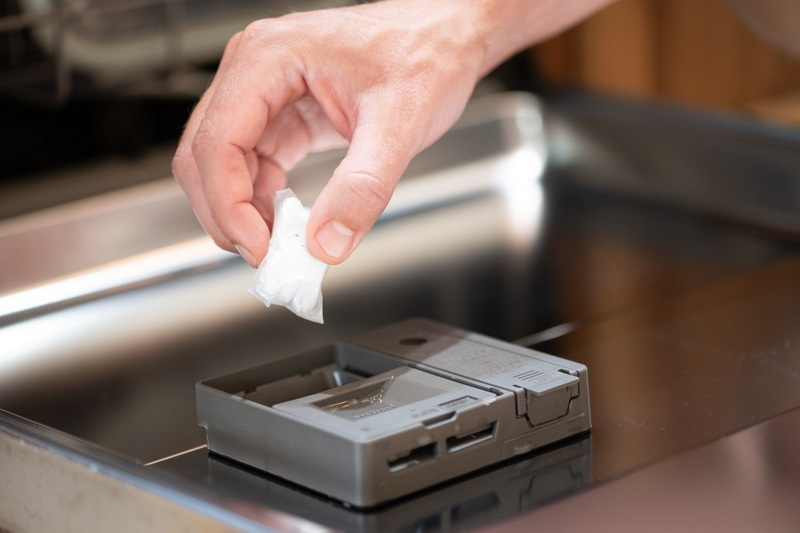
Incomplete dissolving often results from low water temperature, blocked spray arms, or using quick cycles. Check that water reaches 120°F (48°C) and ensure the dispenser isn't obstructed.
Gel pods offer unmatched convenience and consistency, while tablets can perform better with longer cycles or hard water. Choosing the right format depends on your dishwasher type and local water conditions.
Mild residue isn't harmful, but long-term buildup can clog filters or affect spray performance. Regular cleaning eliminates these risks and keeps your machine efficient.
Yes, but eco-friendly machines often use cooler water and shorter cycles. To ensure full pod activation, occasionally run a standard or hot cycle for deeper cleaning.
Clean filters weekly and run a deep-clean cycle with vinegar or a professional cleaner once a month. Keeping the interior clean ensures full detergent performance.


