
Views: 222 Author: TomorrowDishwasher detergent pods have become a staple in modern households due to their convenience, efficiency, and precise dosing. The compact design and dissolvable packaging revolutionized cleani Publish Time: 12-19-2025 Origin: Site


Content Menu
● What Are Dishwasher Detergent Pods?
● The Material Behind Pod Coatings: Polyvinyl Alcohol (PVA)
● Are Dissolvable Films Truly Eco-Friendly?
● Scientific Research on PVA and Microplastics
● Environmental Impact of PVA Residues
● Are There Regulations for PVA in Pods?
● Broader Concerns: Human Health and Microplastic Exposure
● Alternatives to Traditional Dishwasher Pods
● The Role of Manufacturers and Innovation
● The Future of Eco-Friendly Cleaning Products
● FAQ
>> (1) Are all dishwasher pods made with microplastics?
>> (2) Does PVA dissolve completely in water?
>> (3) Can wastewater treatment plants filter PVA effectively?
>> (4) How can I identify eco-friendly detergent pods?
>> (5) Are there natural alternatives to PVA?
Dishwasher detergent pods have become a staple in modern households due to their convenience, efficiency, and precise dosing. The compact design and dissolvable packaging revolutionized cleaning by eliminating messy spills and guesswork. However, a pressing environmental question remains: do dishwasher detergent pods have microplastics?
Recent conversations about sustainability highlight not only visible plastic waste but also the invisible particles that result from synthetic materials like those in detergent pod films. These microscopic contaminants can persist long after a dishwashing cycle ends, entering natural ecosystems through wastewater. Understanding what dishwasher detergent pods are made of, how they behave in the environment, and what alternatives exist helps consumers make responsible and informed decisions.
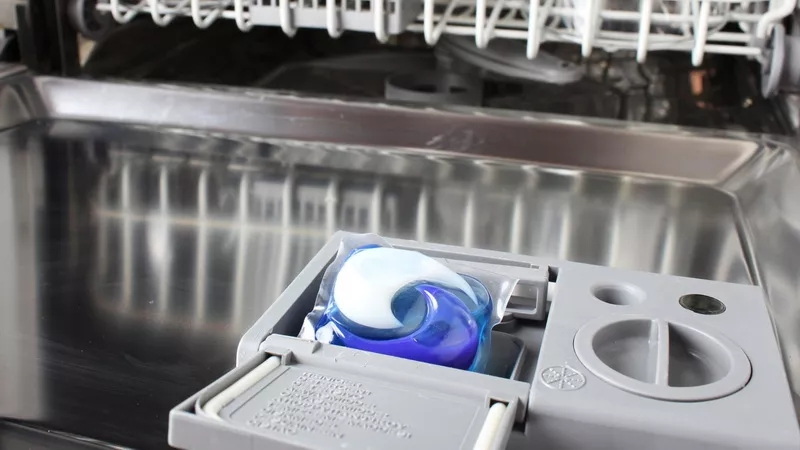
Dishwasher detergent pods, sometimes called capsules, packs, or tabs, are single-use, pre-measured doses of cleaning detergent encased in a water-soluble film. Each pod typically contains a combination of ingredients designed to target grease, food particles, and hard water spots.
The inner detergent formula commonly includes:
- Surfactants to break down oil and food residues.
- Enzymes to digest proteins and starches.
- Bleaching agents for stain removal.
- Rinse aids to prevent water marks and improve shine.
This carefully balanced mixture produces sparkling clean dishes while minimizing detergent waste. Yet, while the ingredients themselves are designed to wash away, the packaging material—the dissolvable film—is the real source of controversy.
Microplastics are small plastic fragments less than 5 millimeters in size. They either originate as manufactured micro-sized materials (primary microplastics) or result from the breakdown of larger plastic items (secondary microplastics). Their durability, resistance to biodegradation, and increasing presence in oceans, soil, and even human bodies have made microplastic pollution one of the most urgent environmental issues of the 21st century.
Microplastics can be ingested by fish, plankton, and other marine life, eventually entering the food chain and posing potential risks to human health. Their ability to absorb and transport toxic pollutants further amplifies environmental harm. Even when invisible, microplastics persist for decades or centuries, accumulating in soil, sediments, and aquatic systems.
The thin film that wraps most dishwasher and laundry detergent pods is made from polyvinyl alcohol (PVA or PVOH)—a synthetic polymer that dissolves in water. Manufacturers promote it as a safe, “biodegradable” material. However, biodegradability depends on many factors, including temperature, microbial activity, and exposure time.
When a pod is placed in a dishwasher, the PVA film dissolves within seconds under high-temperature water. Although the film seems to vanish, it does not necessarily break down at a molecular level. Instead, the polymer disperses into diluted microscopic particles. Without sufficient biodegradation, these particles may persist in wastewater systems, behaving much like microplastics in terms of environmental impact.
Laboratory tests show that complete biodegradation of PVA requires specific microbial strains found in controlled industrial environments—conditions not present in most municipal wastewater treatment facilities. This discrepancy fuels ongoing debate about whether “dissolvable” truly means “eco-friendly.”
Many consumers assume that if a product dissolves in water, it automatically poses no environmental threat. However, dissolution and biodegradation are entirely different processes. Dissolving simply means the material disperses evenly in water, whereas biodegradation requires microorganisms to break down its molecular bonds into natural elements such as carbon dioxide, water, and biomass.
PVA can degrade under optimal industrial conditions—warm temperatures (above 25°C), sufficient oxygen, and certain bacteria capable of metabolizing synthetic polymers. Unfortunately, typical household wastewater lacks these ideal conditions. Studies show that a significant portion of PVA residues may remain intact after sewage treatment and eventually flow into natural bodies of water.
Furthermore, once PVA interacts with heavy metals, oils, or other contaminants in the environment, it can transform into even more stable particles, increasing persistence and toxicity risks. The transition of PVA particles into potential microplastic pollutants has become a key topic of investigation for environmental biochemists.
Scientific research into the environmental behavior of PVA provides a clearer picture of its potential impact.
1. A 2021 study by Arizona State University found that up to 75% of PVA used in U.S. household cleaning pods did not readily biodegrade under normal treatment conditions. This residue equated to thousands of metric tons of PVA-based microplastics entering natural waters annually.
2. An Environmental Sciences Europe report (2022) detailed how PVA chains can resist microbial digestion for extended periods, behaving like persistent microplastics once released into the environment.
3. The American Chemical Society published findings suggesting that dissolved polymers such as PVA can bind with toxins and carry them across aquatic ecosystems, amplifying contamination.
These studies collectively indicate that dishwasher pods, while convenient, indirectly contribute to global microplastic pollution if PVA residues are not effectively degraded.
When wastewater treatment systems cannot completely decompose synthetic polymers, residues accumulate downstream. The effects include:
- Aquatic toxicity: PVA residues can affect water oxygen levels, potentially disrupting fish respiration and microorganism activity.
- Food chain contamination: Micro-sized PVA fragments can be consumed by plankton or shellfish, eventually entering human consumption cycles.
- Sediment buildup: Persistent residues attach to sediments, contributing to long-term pollution in riverbeds and coastal areas.
- Chemical transport: PVA particles can act as “chemical carriers,” binding with persistent organic pollutants and heavy metals.
Collectively, these impacts create a cascading environmental issue. While PVA may be less visible and seemingly harmless compared to plastic bottles or packaging, its hidden longevity makes it ecologically significant.
Currently, there are few international regulations specific to PVA in cleaning pods. The regulatory landscape varies widely by country.
- The European Union requires biodegradability testing for cleaning products under the Detergents Regulation but does not specifically evaluate water-soluble films.
- The U.S. Environmental Protection Agency (EPA) classifies PVA as low-toxicity, but environmental accumulation remains under review.
- Environmental NGOs are calling for clearer biodegradability testing protocols reflecting real wastewater conditions, not just laboratory simulations.
This regulatory gray area allows companies to claim “biodegradability” without full accountability. Until stricter standards emerge, consumers must rely on independent certification systems and research-driven transparency from brands.
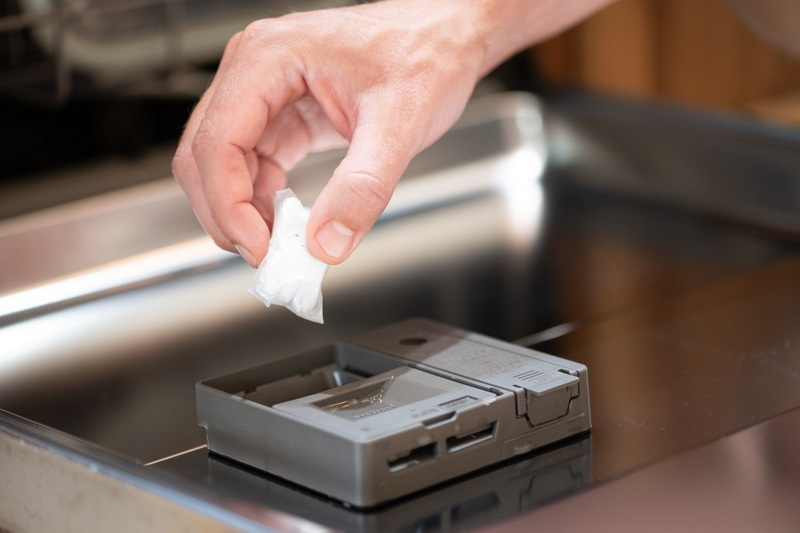
Microplastic pollution isn't confined to ecological harm—it's becoming a public health concern. Studies have detected microplastics in drinking water, table salt, seafood, and even human blood and lungs. Although the health implications are still under investigation, early evidence points to potential inflammatory effects, oxidative stress, and hormonal disruption.
If PVA residues behave similarly to microplastics, they may also pose health risks through accumulation over time. Additionally, detergent chemicals bound to these synthetic particles may further increase toxicity.
Reducing microplastic emissions begins with thoughtful product choices. Consumers seeking eco-friendly dishwashing options can consider:
- Powdered detergents stored in cardboard boxes, containing no plastic films.
- Solid detergent tablets compressed without synthetic coatings.
- Refillable liquid concentrates packaged in glass or aluminum.
- Plant-based surfactants and enzymes, which biodegrade naturally.
- DIY dishwashing detergents, combining baking soda, washing soda, and citric acid as a zero-waste method.
Brands like Ecover, Blueland, and Dropps have already introduced products using compostable or fully biodegradable materials, setting a new standard for sustainable cleaning innovation.
Environmental awareness is a gradual journey shaped by conscious daily actions. Consumers can help decrease microplastic pollution by:
1. Reading ingredient labels carefully and avoiding any mention of PVA or PVOH.
2. Choosing certified biodegradable or compostable detergents verified by standards such as OECD 301 or EPA Safer Choice.
3. Supporting policies that demand greater transparency in environmental labeling.
4. Investing in eco-friendly dishwashers with shorter cycles and lower water use to minimize discharge.
5. Educating others about the impact of seemingly invisible plastic residues.
Cumulative global awareness can shift market demand toward sustainable, circular cleaning solutions.
The cleaning product industry plays a critical role in addressing this issue. Manufacturers possess the resources to redesign detergent delivery systems, eliminate synthetic polymers, and adopt greener materials. Bioplastics made from natural polymers—such as cellulose films, polylactic acid (PLA), or seaweed-based packaging—are emerging alternatives.
Research partnerships between chemical engineers and environmental scientists are crucial for verifying the long-term decomposition of these materials in real-world conditions. As corporate sustainability commitments expand, companies can leverage innovation not just as a marketing tool but as a genuine solution to global waste reduction.
The coming decade will likely reshape home cleaning products entirely. Scientists are exploring biopolymer coatings that fully decompose without generating microplastics. Natural enzymes, nanocatalysts, and biodegradable surfactants can all enhance cleaning efficiency while minimizing chemical pollution.
Some laboratories are even developing microbially derived films that self-degrade after exposure to water and light—offering functionality without lasting residue. Though cost and scalability remain hurdles, green technology's rapid progress suggests that the detergent pods of the future may be genuinely compostable and pollution-free.
Dishwasher detergent pods have revolutionized modern cleaning by offering precision and convenience—but convenience has come with environmental trade-offs. The PVA films used in these pods dissolve readily in water but may not fully biodegrade under standard wastewater conditions, raising concerns about their contribution to microplastic contamination.
Scientific studies show that dissolved PVA can persist as microscopic residues, carrying environmental and potential health risks. Until robust solutions and clearer regulations emerge, consumers can help mitigate the issue by choosing products verified for full biodegradability, supporting eco-label initiatives, and favoring minimal-packaging alternatives.
The shift away from synthetic polymers toward genuinely sustainable materials isn't just an environmental necessity—it's an opportunity to redefine what “clean” truly means in a responsible, forward-looking world.
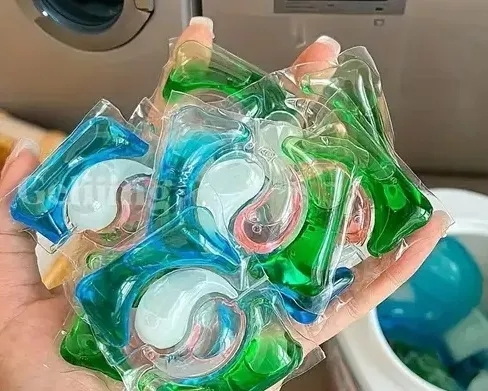
Not directly. Most pods use PVA films rather than solid microplastics. However, if these PVA films fail to biodegrade completely, they can act like microplastics in the environment.
PVA dissolves but does not always biodegrade. The water may appear clear, but microscopic polymer fragments can remain intact and accumulate over time.
Conventional treatment plants are not designed for polymer biodegradation. Without the right microbial and oxygen levels, PVA residues often escape into rivers and oceans.
Look for certifications like the EU Ecolabel, EPA Safer Choice, or OECD 301 biodegradable approval. Check ingredient labels to ensure there's no mention of PVA or polyvinyl alcohol.
Yes. Films derived from starch, seaweed, cellulose, or proteins dissolve naturally and biodegrade fully, leaving zero synthetic residue. Brands using these materials are leading the next wave of sustainable cleaning


