
Views: 222 Author: Tomorrow Publish Time: 12-18-2025 Origin: Site


Content Menu
● Understanding Dishwasher Detergent Pod Composition
● The Shelf Life of Dishwasher Pods
>> Factors That Affect Shelf Life
● How to Tell If Dishwasher Pods Have Gone Bad
● The Science Behind Pod Degradation
● Using Expired Dishwasher Pods — Is It Safe?
● How to Extend the Lifespan of Dishwasher Pods
● Comparing Dishwasher Pods to Powder and Liquid Detergents
● Eco-Friendly and Alternative Options
● How to Dispose of Expired Pods Properly
● The Impact of Humidity on Pod Integrity
● Do Pods Go Bad Faster Once Opened?
● FAQ
>> 1. How long do dishwasher pods last unopened?
>> 2. Can expired dishwashing pods damage my appliance?
>> 3. How should I store pods to make them last longer?
>> 4. What are signs my pods are no longer good to use?
>> 5. Does brand or formula affect how long pods last?
Dishwasher detergent pods revolutionized the modern kitchen by making dishwashing simpler and cleaner. They eliminate the need for messy powder scoops or liquid measuring, ensuring users get the right amount of detergent every time. Despite their convenience, one common concern remains: Do dishwasher detergent pods go bad?
The straightforward answer is yes — over time, dishwasher pods can lose their effectiveness. While they don't “expire” in a harmful sense like food, their chemical components can deteriorate, reducing their ability to clean dishes thoroughly. Understanding how they age, how to recognize when they've gone bad, and how to store them properly can help you get the most value from every pod.
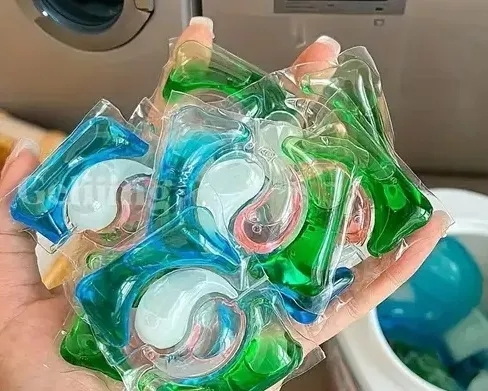
Dishwasher detergent pods are engineered to combine multiple cleaning actions in one small, pre-measured capsule. Each pod consists of an outer film surrounding a mixture of detergents, enzymes, and boosters.
- Surfactants break down grease, oils, and food residues.
- Enzymes digest proteins and starches from food scraps.
- Builders soften hard water minerals like calcium and magnesium, helping detergents perform better.
- Bleaching agents sanitize and remove stains.
- Fragrance and dyes add scent and product identity.
The outer film, typically made of polyvinyl alcohol (PVA), dissolves completely when exposed to water, releasing the concentrated cleaning ingredients inside. However, these same chemicals are sensitive to environmental factors — especially humidity, oxygen, and heat — which can degrade them over time.
Dishwasher pods usually come with a recommended shelf life of 12 to 15 months after manufacturing. After this period, they may still work, but their performance declines as active compounds like enzymes weaken or oxidize. The “best by” date on the packaging is a good indicator of when the manufacturer guarantees maximum cleaning efficiency.
Multiple external factors can influence how quickly pods degrade:
1. Exposure to Moisture: The biggest enemy of detergent pods. Even a small amount of humidity can cause pods to stick together or partially dissolve.
2. Temperature Extremes: Both heat and cold affect chemical stability. Warm environments accelerate decomposition, while freezing may cause the pod's contents to separate.
3. Packaging Breach: Once the seal of the original bag is broken, exposure to air can begin to dry out or crystallize detergent ingredients.
4. Direct Sunlight: UV rays break down sensitive compounds and damage the PVA layer.
5. Ingredient Formulation: Eco-friendly or plant-based pods, with fewer preservatives, often have shorter lifespans.
Even when a pod looks physically fine, it may not clean effectively if its surfactants or enzymes have degraded.
Knowing the signs of deterioration helps prevent frustration during dishwashing. Here are the most common symptoms of expired or spoiled detergent pods:
- Clumping or sticking together: Indicates moisture infiltration.
- Powdery residue on the pod: Suggests the internal detergent has dried out.
- Hard or cracked texture: The outer film has lost flexibility due to age.
- Discoloration or faded color: Breakdown of dyes or bleaching agents.
- Sour or chemically off odor: Indicates oxidation or microbial contamination.
- Incomplete dissolving in the dishwasher: The PVA film no longer dissolves uniformly.
- Reduced cleaning performance: Dishes appear dull, greasy, or spotty after washing.
If any of these signs appear, it's best to replace the pods rather than risk wasting water and energy on poor cleaning cycles.
Over time, chemical reactions within detergent pods cause ingredients to lose stability. For instance:
- Enzymes, which help digest food particles, are proteins that degrade with temperature and moisture changes.
- Surfactants gradually oxidize, reducing their ability to lift grease and grime.
- Bleaches lose potency when exposed to oxygen or light, making them less effective at removing tea or coffee stains.
- The PVA film — while water-soluble — becomes brittle when humidity levels fluctuate frequently, slowing its dissolution in the dishwasher.
These reactions are common in cleaning products and are similar to what happens in expired laundry detergents or old liquid soaps.
Proper storage is the key to maintaining your pods' longevity. Since detergent pods absorb moisture easily, they should always be kept in a stable, dry environment.
1. Keep pods in the original packaging. Manufacturers design these containers to block moisture and air. Many now feature resealable bags or tubs.
2. Avoid humid areas. Don't store pods under the sink where leaks or damp air are common.
3. Use airtight containers. If transferring, use a jar or bin with a tight-sealing lid; glass or thick plastic works best.
4. Add desiccant packs. Silica gel packets absorb moisture and prolong freshness.
5. Store at room temperature. Ideally between 60–75°F (15–24°C).
6. Never touch pods with wet hands. The thin water-soluble film can dissolve prematurely.
A little care in storage ensures that pods remain effective and maintain their shape and strength for longer periods.
Many homeowners hesitate to throw away older pods, especially if they still look fine. While expired pods aren't toxic, their reduced potency can lead to inefficiency.
Here's what can happen if you use expired pods:
- Residue on glassware or cutlery. Weak detergent action leaves films and smears.
- Food particles remaining on dishes. Enzymes may no longer fully break down organic matter.
- Cloudy plastic or glass. Ineffective rinsing allows hard water deposits to remain.
- Odor in the dishwasher. Incomplete cleaning may allow trapped food particles to linger.
Using old pods occasionally won't harm your dishwasher's mechanics, but regular use over time may cause buildup and reduce rinse performance.
If you're in doubt, run an empty dishwasher cycle with white vinegar to remove residue left by weakened pods.
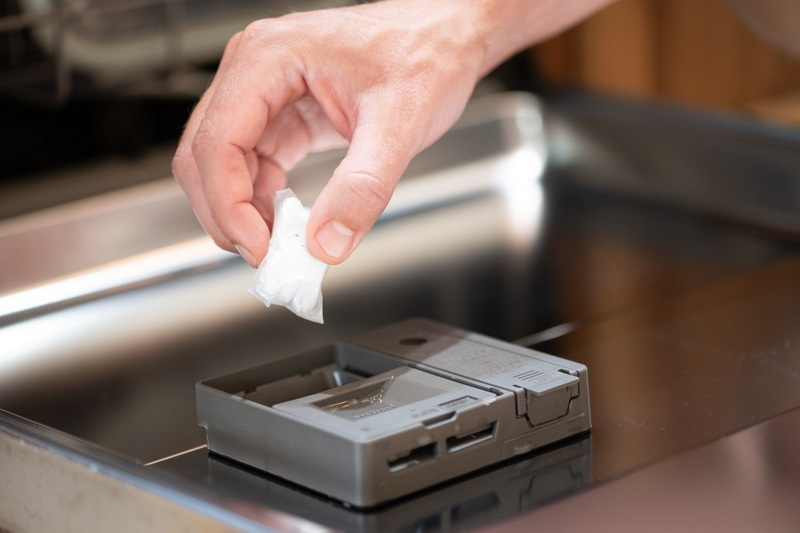
Here are several proven tips to maximize the freshness and efficiency of your pods:
1. Buy smaller batches. Unless you wash dishes daily, avoid buying overly large boxes.
2. Rotate stock. Use the oldest pods first before opening new packs.
3. Avoid constant temperature shifts. Keep them indoors to prevent condensation.
4. Seal them tightly after every use. Reseal packaging or use clip locks.
5. Label containers. Write purchase dates to help monitor shelf life.
By following these habits, you'll get consistent dishwashing results while minimizing waste.
Each detergent form comes with advantages and drawbacks:
| Type | Advantages | Disadvantages |
|---|---|---|
| Pods | Convenient, pre-measured, low mess | Sensitive to moisture, limited shelf life |
| Powder | Long shelf life, adjustable dosage | Prone to clumping, messy handling |
| Liquid | Dissolves quickly, ideal for flexible use | Can spill easily, less stable over time |
Pods dominate the market because they simplify dishwashing, but if longevity is your top priority, powder detergent can be a more durable choice for long-term storage.
Sustainability-minded consumers are increasingly turning toward biodegradable or zero-waste dishwashing solutions. Although these options may have shorter lifespans due to fewer chemical stabilizers, they reduce long-term environmental impact.
Alternatives include:
- Powdered natural detergents made with mineral salts and enzymes.
- DIY formulas using washing soda, citric acid, and baking soda.
- Concentrated paste detergents designed to dissolve quickly without PVA films.
- Compostable pod packaging that minimizes plastic waste.
If you experiment with homemade formulas, store them in airtight containers and test small batches first to ensure cleaning efficiency.
It might be tempting to toss old pods into the trash, but there's a more environmentally conscious way to dispose of them:
1. Dissolve pods in water. The PVA film and detergent will break down safely in water and can be flushed down the drain.
2. Recycle packaging. Many detergent brands now use recyclable or recyclable-code plastic bags.
3. Avoid open-air disposal. Pods can attract pets or small children due to their candy-like appearance.
By properly dissolving and recycling waste materials, you reduce potential environmental harm.
Humidity is the single greatest factor that shortens a pod's usable life. Even mild dampness leads to:
- Partial dissolution of the outer film.
- Clumping of neighboring pods.
- Activation of enzymes before use.
- Mold growth in extreme cases.
That's why kitchens with inadequate ventilation or homes in coastal areas should pay extra attention to airtight storage or consider using moisture absorbers. Some homeowners even store detergent pods in pantry closets or climate-controlled cupboards away from sinks.
Yes. Once you open the packaging, pods are exposed to humidity and air. Even when resealed, micro-exposure gradually reduces freshness. For the best results, aim to use opened pods within six months and avoid transferring them between containers too often.
Dishwasher detergent pods have simplified dishwashing, but they aren't immune to time. While they don't “expire” dangerously, they gradually lose effectiveness as moisture, temperature, and air exposure alter their chemical structure. Most pods stay at peak performance for 12–15 months if properly stored in a cool, dry, sealed container.
Paying attention to how you store and handle your pods not only saves money but also ensures cleaner dishes and a longer-lasting dishwasher. Preserving their freshness is simple — keep them dry, cool, and tightly sealed, and they'll reward you with consistently sparkling results.
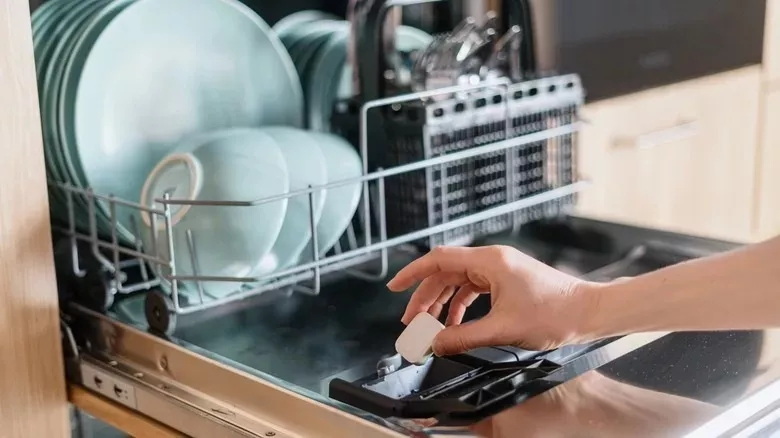
Unopened dishwasher pods usually last 12 to 15 months. If kept in optimal conditions—cool, dry, and sealed—they can remain effective for up to 18 months before showing signs of reduced performance.
No. Expired pods aren't harmful to dishwashers. They may simply fail to dissolve properly, leaving residue inside the machine or on dishes, but they won't damage internal components.
Keep pods in airtight containers in a dark, dry cabinet away from moisture and heat. Avoid storing them under the sink or next to appliances that emit warmth, like dishwashers and ovens.
Clumping, discoloration, sticky texture, and an unusual odor are major indicators that your pods have absorbed moisture and lost potency. They may also fail to dissolve completely during washing.
Yes. Premium or eco-friendly brands may use different stabilizers, which directly affect shelf life. Chemical-based formulas often last longer, while natural or plant-based pods degrade more quickly.


