
Views: 222 Author: Tomorrow Publish Time: 12-18-2025 Origin: Site


Content Menu
● The Importance of Proper Water Temperature
● Understanding How Cascade Pods Dissolve
● Where to Place the Pod in an Older Dishwasher
● How Water Hardness Affects Cleaning Results
● Maintenance Tips for Old Dishwashers
● Comparing Pods, Liquids, and Powders
● Common Issues and Practical Fixes
● Are Cascade Pods Environmentally Friendly?
● Myths About Using Pods in Old Dishwashers
● Expert Tips for Maximizing Pod Performance
● FAQ
>> 1. How can I tell if my dishwasher is too old for Cascade Pods?
>> 2. What should I do if the pod doesn't dissolve?
>> 3. Are Cascade Pods better than liquid detergents in older dishwashers?
>> 4. Can I use half a pod to save detergent for smaller loads?
>> 5. How can I improve drying performance in older dishwashers?
Dishwashers have evolved significantly over the decades. Modern machines come with precision sensors, multiple spray zones, and smart temperature control, while older dishwashers rely on simpler mechanical cycles. This difference often leads homeowners with aging appliances to wonder: Do Cascade Pods work in older dishwashers?
The short answer is usually yes, but performance depends on several key factors including water temperature, machine condition, and proper pod placement. In this article, we'll explore how Cascade Pods interact with older dishwashers, what challenges they may face, and how to get the best possible cleaning performance from your appliance.
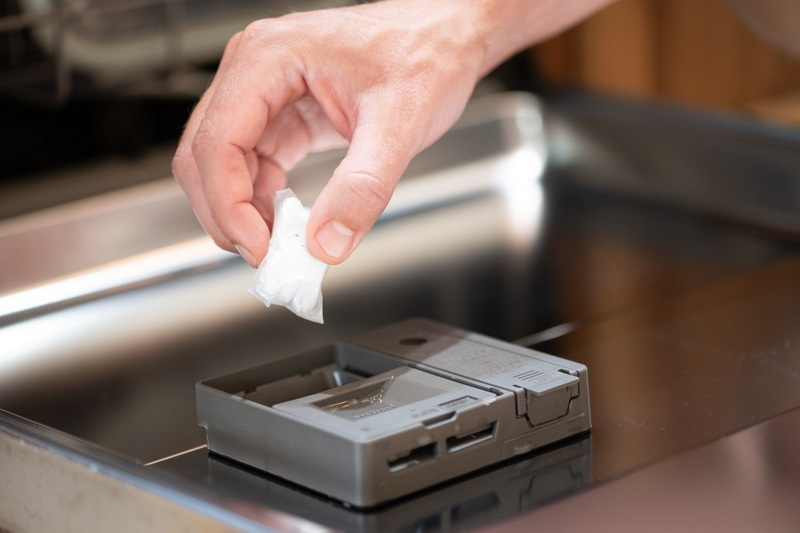
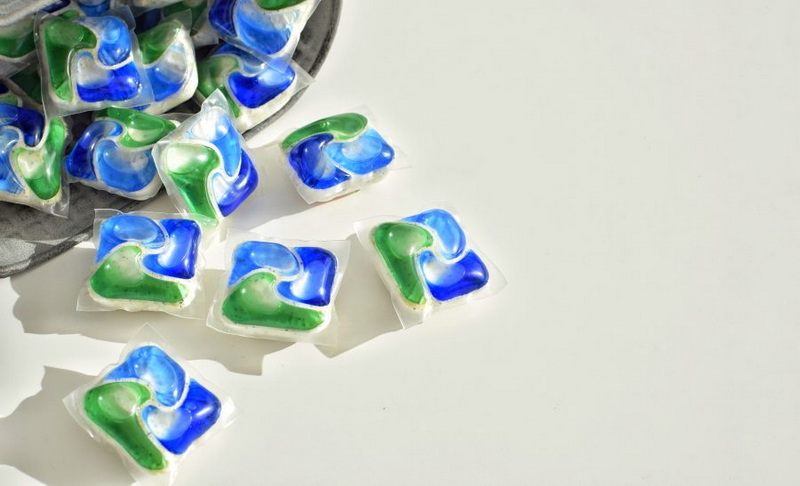
Cascade Pods, officially known as Cascade ActionPacs, are pre-measured detergent pouches that combine powder detergent, liquid degreaser, and built-in rinse aid. These convenient capsules replace traditional detergent powders and gels, promising consistent results and zero measurement mess.
Each pod is wrapped in a polyvinyl alcohol (PVA) film that dissolves completely when exposed to water at the right temperature. Once dissolved, the pod releases powerful cleaning agents that target multiple types of food residue—from baked-on grease to coffee stains and dried sauces. The rinse aid also helps dishes dry faster while preventing water spots on glassware.
While pods were developed with modern dishwashers in mind, most of their functionality still works well with older models. However, older machines may need a little extra attention to unlock their full cleaning power.
Temperature is the single most critical variable when using Cascade Pods. These pouches rely on water temperatures above 120°F (about 49°C) to fully dissolve the film and activate the detergent inside.
Many older dishwashers, especially those built before 2005, may struggle to sustain such temperatures. Over time, heating elements wear out or mineral buildup insulates them from efficiently heating water. If the water isn't hot enough, the pod may fail to dissolve completely, leaving partially melted detergent stuck in the dispenser or smeared on dishes.
To compensate for this limitation, consider these tips:
- Run the hot water at your sink before starting the dishwasher. This clears cold water from the pipes, allowing the machine to start with pre-heated water.
- Check your home's water heater temperature. Set it between 120°F and 125°F for optimal dishwasher performance.
- Use the "high temperature," "pots and pans," or "sanitize" setting if your model includes these options.
Consistent water temperature ensures that the Cascade Pod film dissolves properly, allowing detergent to circulate evenly during the wash cycle.
Cascade Pods dissolve using a combination of heat and agitation. When hot water sprays directly on the pod, the outer film begins to soften. Within moments, it dissolves entirely and releases detergent containing:
1. Enzymes, which break down proteins and starches from food.
2. Surfactants, which reduce surface tension and lift grease away from dishes.
3. Bleaching agents, which remove pigmentation and stains.
4. Rinse aids, which enhance drying and reduce spotting.
Older dishwashers with fewer spray jets or weaker water pressure might not produce enough turbulence to completely dissolve the film—especially if the pod is jammed inside a detergent compartment that fails to open. That's why correct placement and routine maintenance of the detergent dispenser are vital.
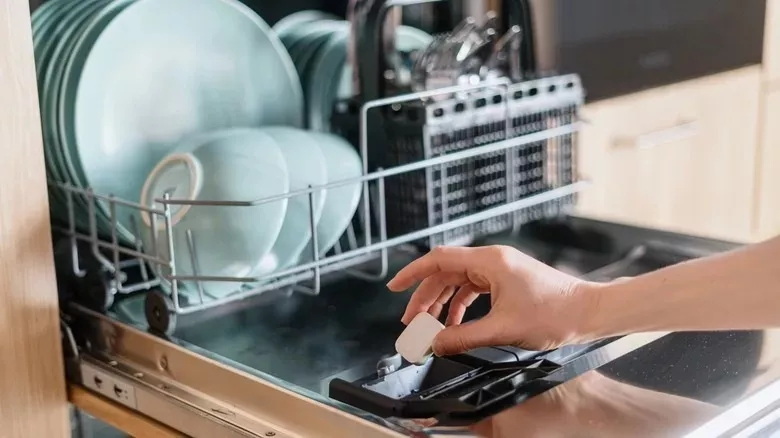
Most dishwashers, regardless of age, have a small compartment for detergent. However, dispenser styles differ across manufacturing decades. Some older units feature spring-loaded covers that occasionally fail to latch or open at the correct time during the cycle.
If the dispenser fails to open or is too small for the pod, you can simply place the pod at the bottom of the dishwasher tub, near the main spray arm. This allows the pod to dissolve as soon as water hits, ensuring the detergent disperses evenly.
Keep in mind that if it releases too early, the pod might start cleaning before water reaches maximum temperature. In that case, preheating the water as suggested earlier compensates for the early start, ensuring the detergent still performs effectively.
Water hardness refers to the concentration of minerals—such as calcium and magnesium—present in tap water. Hard water can interfere with detergent's cleaning power by preventing soap from forming suds effectively and leaving behind cloudy or chalky spots on glassware.
Cascade Pods contain a built-in rinse aid to counteract minor hardness, but severely hard water may still cause residue buildup. If this happens, consider:
- Installing a water softener or using an in-line filter.
- Adding a separate rinse aid to the dispenser to support the pod's formula.
- Using a monthly dishwasher cleaner to remove mineral deposits from spray arms and heating elements.
By managing water hardness, pod performance improves dramatically—even in older units.
Proper maintenance is the secret to achieving the same cleaning power in a 15-year-old dishwasher as you'd expect from a new one. Older models require regular upkeep because mineral deposits, soap scum, and grease tend to accumulate faster in less efficient systems.
Follow this maintenance routine for best results:
1. Clean the filter weekly. Remove large food debris that blocks water circulation.
2. Unclog spray arms. Use a thin wire or toothpick to clear out holes blocked by scale or debris.
3. Flush the drain. Pour a mix of vinegar and baking soda down the drain area monthly to dissolve grime.
4. Descale the interior. Run an empty cycle with a commercial cleaner or white vinegar every 30 days.
5. Inspect seals and gaskets. Cracked seals cause leaks and reduce pressure efficiency.
A well-maintained dishwasher circulates water more powerfully, dissolves detergent fully, and cleans dishes more completely.
Different types of dishwasher detergents deliver different experiences. Cascade Pods are popular for their simplicity, but it's worth understanding how they compare to older-style detergents in the context of an aging appliance.
| Detergent Type | Pros | Cons | Best For |
|---|---|---|---|
| Pods | Pre-measured, powerful enzymes, built-in rinse aid | May not dissolve in cooler cycles | Most households with hot-water access |
| Liquids/Gels | Dissolve quickly, adaptable to old machines | Easy to overuse, less powerful cleaning | Dishwashers with worn heating elements |
| Powders | Economical, adjustable dosage | Can clump in humidity or leave residue | Users wanting control over dosage |
In most cases, Cascade Pods offer the best balance of convenience and performance. However, if your older dishwasher has persistent temperature issues, a liquid detergent may perform more consistently until repairs are made.
Older dishwashers often have quirks that show up once you switch to pods. Below are common issues along with practical fixes:
- Pod not dissolving: Ensure the dispenser is dry before placing the pod; moisture can start dissolving it prematurely. Also, confirm water is hot enough and spray arms move freely.
- Film residue on dishes: This occurs when detergent fails to rinse away completely. Add rinse aid or run a rinse-only cycle after washing.
- Pod jammed in dispenser: Wipe out detergent residue or replace a sticky dispenser spring.
- Cloudy finish on glassware: Indicates mineral buildup—treat with vinegar or a descaler.
- Odor from the machine: Bacteria thrive in warm, damp areas. Run a cleaning cycle with baking soda monthly.
A little preventive care goes a long way in ensuring optimal use of Cascade Pods, even in older dishwashers.
While Cascade Pods contain powerful cleaning chemicals, they are formulated to be phosphate-free, meaning they do not contribute to water pollution or algae blooms like older detergents once did. The dissolvable PVA film biodegrades after use, leaving minimal residue in wastewater.
Additionally, pods eliminate the risk of detergent overuse, reducing chemical discharge into the environment. Since older dishwashers already consume more water and energy, using an efficient detergent like Cascade Pods helps balance their environmental footprint by ensuring less wasted cleaning product.
Many misconceptions surround the use of detergent pods in outdated appliances. Let's clarify a few:
- Myth 1: “Pods damage rubber seals.”
Fact: The ingredients in Cascade Pods are safe for rubber and plastic components. Damage usually results from heat or old age, not detergent.
- Myth 2: “Pods only work in modern dishwashers.”
Fact: They work in any dishwasher that reaches the right temperature and disperses water evenly.
- Myth 3: “You can cut pods in half for small loads.”
Fact: Cutting pods disrupts their balanced formulation and may cause leaking detergent. Use eco or quick cycles instead.
- Myth 4: “Pods create too many suds.”
Fact: Cascade Pods are designed to be low-sudsing, essential for dishwashers' pressurized systems.
Dispelling these myths helps users feel confident using Cascade Pods, regardless of their dishwasher's age.
It's true that Cascade Pods are slightly more expensive per use compared to powder or liquid detergent. However, their precision eliminates the possibility of overuse and prevents repeat washing due to poor cleaning. For households with older dishwashers, that reliability may translate to savings on water, electricity, and rewash cycles.
As an added benefit, pods also simplify cleanup and storage—you don't have to measure or wipe away spilled detergent after every load. Over time, they offer both convenience and efficiency.
To get the most out of your Cascade Pods in an older dishwasher, apply these expert strategies:
1. Avoid overloading racks. Proper spacing allows water to circulate evenly.
2. Rinse large food particles. While pods are strong, scraping heavy food residues improves results.
3. Check water pressure. Low-pressure streams won't dissolve pods effectively. A plumber can measure or adjust pressure if necessary.
4. Use the hottest cycle available. Consistent heat ensures detergent activation.
5. Store pods in a dry, cool place. Moisture causes them to clump or fuse together before use.
With these adjustments, even a decades-old machine can perform like new when paired with the right detergent habits.
So, do Cascade Pods work in older dishwashers? Yes—when used correctly, they perform remarkably well, delivering sparkling clean dishes without the mess or hassle of traditional detergents. The key lies in ensuring proper water temperature, dispenser functionality, and routine maintenance.
Older dishwashers might not have the smart features of modern ones, but they can still produce outstanding results when paired with a reliable, pre-measured detergent like Cascade Pods. By following a consistent cleaning and maintenance regimen, you'll extend the life of your appliance and enjoy spotless results cycle after cycle.
If it was made before 1990 and lacks a detergent compartment or consistent heating control, it may not fully activate detergent pods. In such cases, test a pod during a hot cycle before deciding.
Increase your water temperature, check that spray arms are free from obstruction, and make sure the dispenser is dry before placing the pod. If necessary, place the pod directly in the bottom rack.
In most cases, yes. Pods provide consistent cleaning results and include built-in rinse aids. However, if your dishwasher cannot heat water properly, liquid detergent may work more reliably.
No. Cascade Pods are sealed to prevent leakage and designed for full-load cycles. Using half can lead to incomplete cleaning or residue buildup.
Keep rinse aid filled, use a high-heat drying setting, and slightly open the door after the cycle to let steam escape for faster air drying.


