
Views: 222 Author: Tomorrow Publish Time: 12-18-2025 Origin: Site


Content Menu
● Compatibility with Different Dishwasher Types
>> Built-In Standard Dishwashers
>> Portable or Countertop Dishwashers
>> High-Efficiency and Smart Dishwashers
● Factors That Affect Pod Performance
● Benefits of Using Cascade Pods
● Common Problems and Solutions
>> Foul Odor
● Environmental Impact and Safety Guidelines
● When You Should Not Use Cascade Pods
● Additional Tips for Optimal Cleaning
● The Evolution of Dishwasher Detergents
● FAQ
>> 1. Can Cascade pods be used in older dishwashers?
>> 2. Should I use more than one pod for heavy loads?
>> 3. Do Cascade pods work with hard water?
>> 4. Can Cascade pods damage my dishwasher?
>> 5. Are Cascade pods safe for septic systems?
Dishwasher detergent pods have changed how people approach dishwashing, delivering convenience, cleanliness, and consistency in a small, pre-measured package. Among the market's most trusted options, Cascade pods stand out for their strong cleaning formula and reliable performance. Yet homeowners frequently wonder, do Cascade pods work in all dishwashers?
The simple answer: yes, in most cases. However, the dishwasher's model, cycle type, and conditions like water hardness can influence how effectively Cascade pods perform. This comprehensive guide explains the science behind Cascade pods, their compatibility across dishwasher types, performance factors, and practical tips to achieve a spotless shine after each wash.
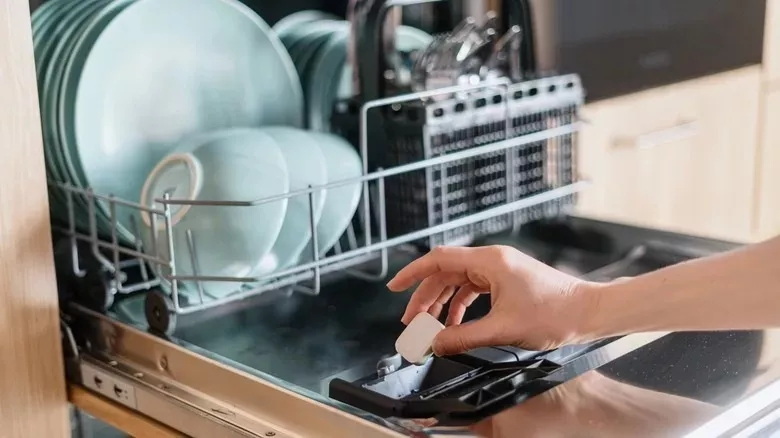
Cascade pods, also known as ActionPacs, are single-use detergent capsules designed to simplify dishwashing. Each pod contains a precisely measured combination of cleaning agents, enzymes, surfactants, and rinsing aids sealed inside a water-soluble film.
Unlike traditional powdered or liquid detergents, these pods remove all guesswork. You simply place one pod into your dishwasher's detergent compartment, close the door, and start the cycle—no measuring, pouring, or spilling required.
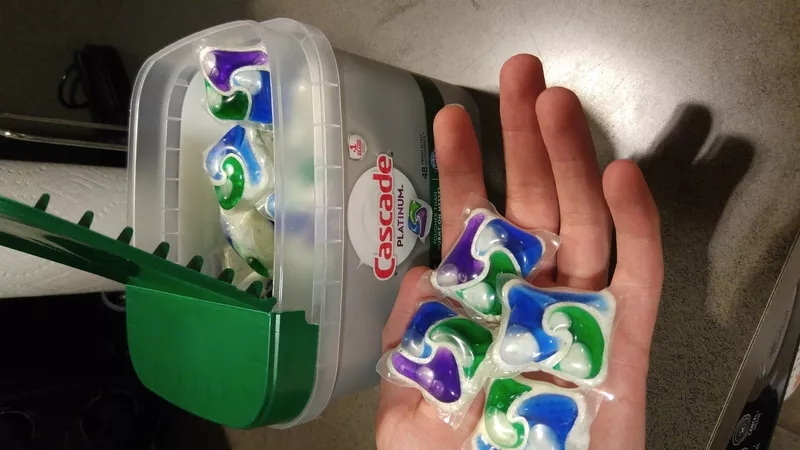
Cascade pods come in various product lines, such as Cascade Original, Complete, Platinum, and Platinum Plus, each formulated for different cleaning intensities. Higher tiers include extra enzymes, degreasers, and glass-protection agents to handle stubborn residue, baked-on food, and mineral buildup.
The cleaning process involves a multi-stage chemical reaction activated by water and heat. When the dishwasher starts, water enters the tub and contacts the pod's dissolvable film. The pod dissolves, gradually releasing specific cleaning components throughout the wash cycle.
1. Enzyme activation: Enzymes break down organic materials such as proteins, starch, and fats.
2. Detergent release: Surfactants and degreasers lift greasy film and residues from surfaces.
3. Rinse aid action: Additives reduce water surface tension, allowing faster drying and spot-free shine.
4. Water softening: Built-in agents help neutralize minerals in hard water to prevent limescale or haze.
Cascade engineers carefully formulate these pods to deliver ingredients at the right time—ensuring dishes are scrubbed, sanitized, and finished with a polished sheen.
The question “Do Cascade pods work in all dishwashers?” requires looking at the distinct dishwasher categories found in homes and workplaces today.
These traditional, full-size dishwashers are found in most homes. They maintain consistent internal water temperature, typically between 120°F and 140°F (49–60°C). Cascade pods are fully compatible with these models and dissolve entirely in standard wash and rinse cycles.
Dual-drawer models, such as those from Fisher & Paykel, offer independent compartments for smaller loads. Users can safely place a Cascade pod into the detergent compartment of either drawer. However, placement matters—make sure the pod sits flat in the dispenser cup and is not obstructed by cutlery or plates.
Compact dishwashers designed for tight spaces or RVs often have shorter cycles and lower heat output. Although Cascade pods can be used, some models may struggle to generate sufficient water temperature. Pre-running your faucet to bring in hot water before starting the dishwasher helps the pod dissolve efficiently.
Older machines or those with weak spray arms or broken detergent covers may not fully dissolve the pod during shorter cycles. A simple fix: place the pod directly on the bottom rack or tub before starting the wash. This ensures early contact with hot water and thorough dissolution.
Modern energy-efficient or smart dishwashers pair especially well with Cascade pods. These models use precision sensors to adjust cycle length, water temperature, and detergent release timing. Coupled with Cascade's multi-phase technology, these machines deliver optimal cleaning and energy-saving performance.
Even when using the best pods, several conditions influence cleaning efficiency. Understanding these variables can help you maximize performance across any dishwasher type.
- Water Temperature: Cascade pods rely on hot water. If your home's heater is set below 120°F, detergent may not activate fully, leaving food traces.
- Water Hardness: Hard water increases spotting and filming. Cascade Platinum or Complete pods include water softeners that target mineral buildup.
- Cycle Duration: Quick or eco cycles save water but sometimes shorten enzyme activation. Normal or Heavy cycles yield thorough cleaning results.
- Machine Load: Overpacked racks block water flow, leading to incomplete rinsing. Allow space for water jets to circulate.
- Spray Arm Condition: Ensure arms spin freely and aren't clogged by food debris. Effective spraying improves detergent distribution.
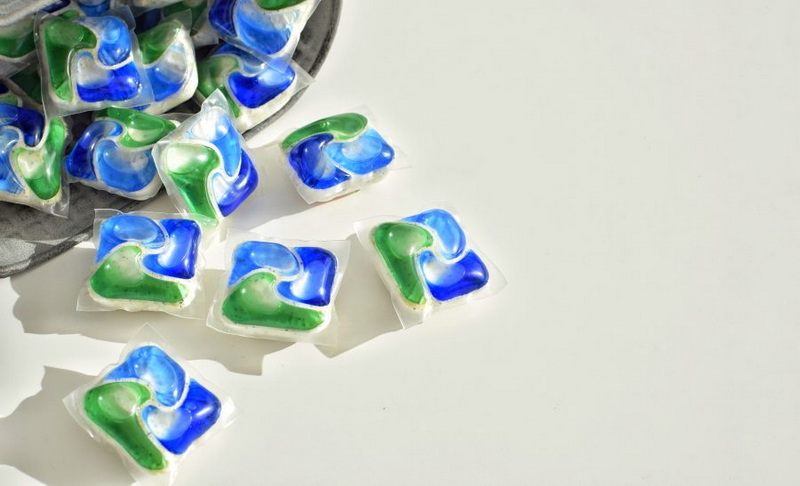
Cascade pods offer notable advantages that extend beyond convenience:
- Precision Dosage: Each pod contains exactly the right amount of detergent for one load—no excess foam or wasted soap.
- Enhanced Cleaning: Concentrated enzymes attack tough residues that powdered soaps often miss.
- Savings Over Time: Consistent dosing prevents wasted detergent, lowering long-term costs.
- Ease of Storage: Leak-free capsules stay dry and compact.
- Cleaner Machine Interior: Cascade's formula not only washes dishes but also helps remove grease and film from dishwasher walls and filters.
Many users report that after switching to Cascade pods, they spend less time pre-rinsing dishes or scrubbing pans afterward.
Even with proper use, occasional issues can arise. Fortunately, most have easy remedies.
This issue often stems from cool water temperature or blocked spray arms. Ensure your dishwasher runs with hot water and clear obstructions around the detergent door. Alternatively, place the pod on the bottom of the tub.
Hard water deposits cause cloudy glassware. Running an empty dishwasher with vinegar or adding a dedicated rinse aid usually resolves it.
Check for overloaded racks or blocked nozzles. If food remains caked on, try a longer cycle or select Cascade Platinum Plus, which offers extra degreasing enzymes.
A buildup of trapped food particles can produce an unpleasant smell. Remove and rinse the filter monthly, and wipe around the door seals with warm soapy water.
Never use multiple pods or mix capsules with liquid detergent. Too much soap creates excessive suds that may leak through the door's seal.
Cascade has modernized its products to reduce environmental impact. Current formulas are phosphate-free, which helps protect waterways and aquatic ecosystems. The pods use biodegradable, water-soluble film that dissolves completely without leaving harmful residues. Packaging for many products in the Cascade line is also recyclable or made from post-consumer materials.
Still, these pods contain concentrated cleaning agents. Always store them securely, out of reach of pets and children. Because they resemble candy, ingestion risk remains a concern, so keep them sealed in their original container in a cool, dry location.
While highly effective, Cascade pods are not suitable in every circumstance.
- Cold water washes. Pods need hot water for full activation.
- Handwashing sinks. The concentrated formula is for automated dishwashers only.
- Machines requiring non-standard detergents. Some commercial or ultra-compact washers specify liquid-only use.
If these exceptions apply, Cascade's liquid detergents or powder formulas may be better alternatives.
To enhance performance and prolong your dishwasher's lifespan, follow these daily-use best practices.
1. Scrape, Don't Rinse: Remove large leftovers before loading, but avoid full rinsing. Cascade pods are formulated to bind to food particles—excess rinsing lowers efficiency.
2. Use Hot Water Start: Run your kitchen faucet until the water feels hot before starting your dishwasher. This ensures an immediate temperature boost.
3. Clean Monthly: Use dishwasher cleaner or a cup of vinegar to break down grease, lime, and odor.
4. Store Pods Properly: Keep them airtight to prevent moisture damage, which can cause clumping.
5. Alternate Cycles: Mix quick and heavy cycles weekly to flush out buildup and maintain a fresh-smelling interior.
To truly appreciate modern Cascade pods, it helps to understand how far dishwasher detergents have come. Early formulations from the 1950s were coarse powders with harsh phosphates that cleaned well but harmed the environment.
Over decades, innovations in enzyme chemistry and polymer science have refined detergent design. Cascade introduced one of the first encapsulated gel detergents before launching ActionPacs in the early 2000s. These capsules represented a major shift toward convenience, performance consistency, and sustainability.
Today's Cascade pods deliver pre-timed dispensing, water-softening technology, and even ingredients that protect delicate plates and glassware from etching—features unimaginable a few decades ago.
So, do Cascade pods work in all dishwashers? The answer remains overwhelmingly positive. Cascade's unique formulation and dissolvable pod design allow effective use across most dishwasher models—from full-sized built-ins to portable and smart appliances.
The key lies in following best-use guidelines: ensure sufficient water temperature, correct pod placement, and appropriate cycle selection. With these factors in mind, Cascade pods not only clean dishes thoroughly but also leave your dishwasher fresh and well-maintained.
In short, whether your dishwasher is brand new or several years old, Cascade pods deliver consistency, convenience, and superior cleanliness—proof that small improvements in everyday routines can make a big difference.
Yes, older models work fine if the pod fully dissolves. If your dispenser fails to open, place the pod at the bottom before running a hot water cycle.
No. One pod cleans effectively regardless of load size. For greasy cookware, select a higher-performance version like Cascade Platinum Plus instead of using multiple pods.
Yes. Cascade formulations include water-softening agents that counter minerals in hard water. For extremely hard water, adding rinse aid or a water softener improves results.
Not when used correctly. Problems generally arise only if pods aren't dissolving due to low water temperature or if multiple pods are used unnecessarily.
Yes. Cascade pods are phosphate-free and biodegradable, making them safe for both municipal and septic systems when used according to directions.


