
Views: 222 Author: Tomorrow Publish Time: 12-18-2025 Origin: Site


Content Menu
● What Exactly Are Cascade Pods?
● Common Dishwasher Problems Associated with Cascade Pods
>> 1. Incomplete Pod Dissolution
>> 3. Residue Buildup and Filter Clogging
>> 4. Cloudiness and Glassware Etching
>> 5. Unpleasant Odors and Mold
● Factors Affecting Cascade Pod Performance
>> Machine Age and Maintenance
● How to Use Cascade Pods Correctly
● Advantages of Using Cascade Pods
● Do Cascade Pods Harm Your Dishwasher Over Time?
● Expert Maintenance Recommendations
● Myths and Misconceptions About Cascade Pods
● Cascade Pods vs. Other Detergent Types
● Environmental Impact and Sustainability
● Signs You Might Be Using Pods Incorrectly
● FAQ
>> 1. Do Cascade pods damage the dishwasher's internal parts?
>> 2. Can Cascade pods leave white spots or residue?
>> 3. What should I do if pods don't dissolve completely?
>> 4. Are Cascade pods safe for stainless steel interiors?
>> 5. Can I combine pods with extra detergent or vinegar in the same cycle?
Modern dishwashers have simplified kitchen chores to a point where cleaning is nearly effortless. A key part of that convenience comes from dishwasher detergent pods, which combine detergent, rinse aid, and degreaser in a single dose. Among the top brands, Cascade stands out for its cleaning power and user-friendly design. Yet, some people still ask the question: Do Cascade pods cause dishwasher problems?
While Cascade pods are designed to simplify cleaning, misuse or certain conditions can sometimes lead to unintended side effects. This article examines potential issues, product chemistry, dishwasher compatibility, and maintenance strategies to help you get the best performance from your machine without damage.
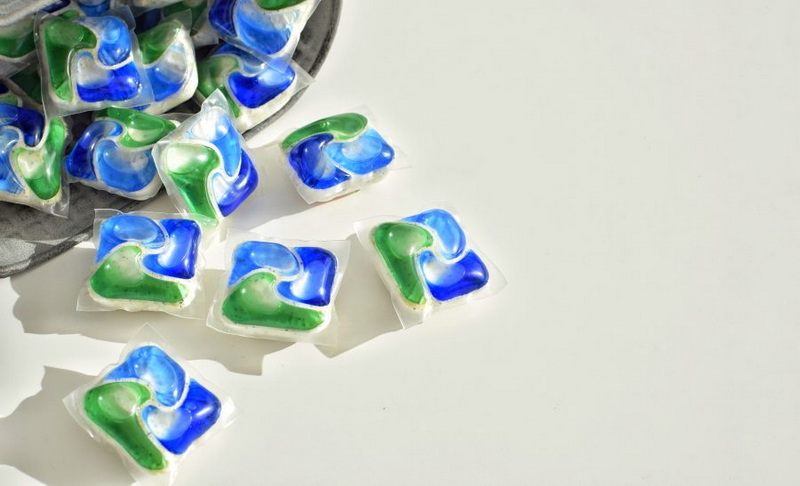
Cascade pods, often marketed as ActionPacs, represent a modern evolution of dishwasher detergents. Inside their small, water-soluble film, you'll find a balanced mixture of enzymes, surfactants, and degreasers engineered to break down food residue, oils, and tough stains efficiently.
Unlike liquid or powdered detergents that require manual measurement, pods provide pre-set doses to prevent overdosing or underdosing. The film is designed to dissolve completely in hot water, releasing cleaning power precisely during the wash cycle. The concept saves time, ensures consistency, and improves cleaning accuracy—when used under optimal conditions.
While manufacturers assure that these pods are safe, certain user experiences suggest otherwise. Most issues result not from the product itself but from environmental factors—water quality, temperature, dishwasher maintenance, or even incorrect placement of the pod.
A well-known issue arises when pods fail to dissolve fully. The transparent polyvinyl film surrounding Cascade pods is heat-sensitive and requires a water temperature of at least 120°F (49°C). If the water entering the dishwasher is cooler due to low household heater settings, the pod may remain partially intact. This can lead to a sticky residue left behind on dishes or the dispenser door.
Sometimes, utensils or large plates block the detergent dispenser door, preventing it from opening fully. Consequently, the pod can become trapped inside during the wash cycle. This incomplete release leads to poor washing results and may leave oily or powdery marks on dishes and machine interiors.
Residue buildup occurs when undissolved detergent, soap film, or food debris accumulates within the dishwasher's filter or spray arm nozzles. Over time, this buildup can reduce water flow, weaken cleaning power, and stress the dishwasher pump. Cascade pods, like other concentrated detergents, may contribute to this if cycles are too short or water pressure is low.
When rinse aid is used excessively or when pods containing built-in rinse agents are combined with additional rinse formulas, glass etching can occur. This leads to cloudy, permanently scratched surfaces that no polishing can fix. The problem results not from the pod itself but from chemical overuse.
Leftover soap film traps moisture and organic particles, creating a breeding ground for mold and bacteria. This can produce unpleasant smells and even affect the dishwasher's seals. Regular cleaning and leaving the door slightly ajar after use can drastically reduce odor buildup.
Cascade pods don't exist in isolation; their performance depends on multiple variables. Understanding these factors helps ensure you're using them efficiently and safely.
Temperature is the single most important factor. Pods need hot water to activate fully. If you notice pods not dissolving or see residue, you can run the kitchen faucet until the water is hot before starting the dishwasher.
Hard water—rich in minerals like calcium and magnesium—interferes with detergent action. This leads to streaks or a milky film on dishes. Cascade makes specialized formulas with built-in water softeners, but if your area has extremely hard water, add a separate rinse aid or install a softening system.
Choosing the right cycle affects both cleaning quality and pod dissolution. Quick or eco wash cycles may save energy but often operate below the optimum temperature needed for pod breakdown. For heavily soiled dishes, select a normal or heavy-duty cycle.
Older dishwashers may heat water less efficiently or lose spray arm pressure over time. Regular descaling and filter cleaning are essential for maintaining detergent effectiveness. Newer models with smart sensors and high-heat drying help optimize pod performance automatically.
Using Cascade pods may seem straightforward, but slight errors can cause unexpected results. Here are essential best practices:
1. Handle with dry hands. Moisture can start dissolving the film prematurely, causing pods to stick before use.
2. Load the pod properly. Place it in the main detergent dispenser compartment, not directly on the rack or bottom.
3. Do not pre-rinse dishes. Modern pods include enzymes that work best when they interact with food residues.
4. Choose the correct cycle. Long cycles allow full pod activation and thorough cleaning.
5. Inspect spray arms regularly. Clean blocked jets monthly to prevent detergent accumulation.
6. Avoid mixing detergents. Using pods alongside additional powder or liquid detergent doubles concentration unnecessarily.
Following these steps ensures smooth operation and top-tier cleaning results.
Despite occasional challenges, Cascade pods deliver several solid advantages when used as directed:
- Consistent cleaning power: Pre-measured ingredients guarantee uniform washing outcomes every time.
- Reduced waste: Single-use packaging prevents overdosing and detergent runoff.
- Compact storage: Small packs take up minimal cabinet space.
- Multifunctional formula: Most pods combine detergent, degreaser, and rinse aid in one.
- Environmentally friendly packaging: Some Cascade lines use biodegradable film and recyclable boxes.
The simplicity of one-step cleaning makes them ideal for busy households and those new to dishwashers.
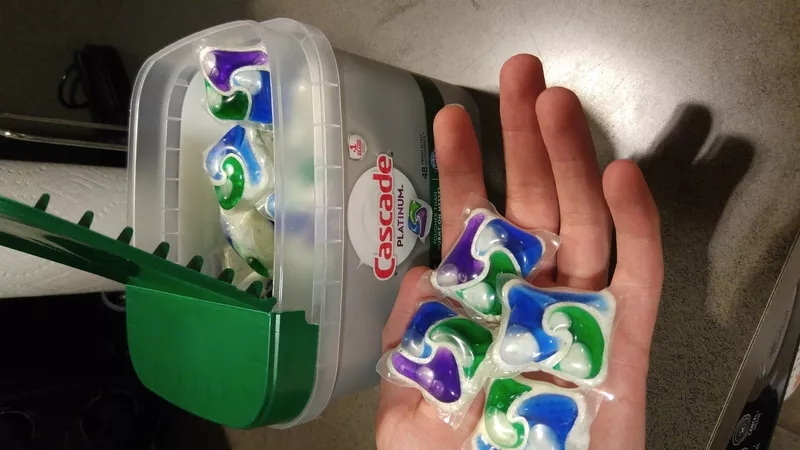
There is no evidence that Cascade pods inherently damage dishwashers. The misconception often arises when people overlook regular maintenance or misuse pods in ways that stress components. Modern dishwashers are built from materials like stainless steel and polymer composites designed to resist detergent corrosion.
However, long-term buildup of undissolved residues can create scaling on the heating element or clog subcomponents. Running occasional “clean cycles” using white vinegar or dishwasher cleaners removes any soap film, preventing this issue completely.
Professional appliance technicians recommend specific maintenance routines when using concentrated detergents like pods:
1. Run a monthly cleaning cycle with a cup of white vinegar or manufacturer-approved cleaner in an empty dishwasher.
2. Inspect the drain filter weekly. A clogged filter can trap grains of detergent and food particles.
3. Use the hottest water setting for at least one cycle weekly to keep detergent film from building up.
4. Descale twice a year, especially in hard-water regions.
5. Leave the door open after each cycle. This prevents trapped moisture and reduces risk of mold or odor.
By integrating these habits, users can extend dishwasher lifespan while maintaining energy efficiency.
Several myths circulate online regarding dishwasher pods, but most can be fact-checked easily.
- Myth 1: “Pods melt plastic components.”
Fact: Pods contain cleaning agents safe for polymers used in dishwashers. Only misuse, such as placing pods directly on heating elements, can cause damage.
- Myth 2: “Pods are bad for septic systems.”
Fact: Cascade pods are phosphate-free, making them environmentally friendly and safe for septic systems.
- Myth 3: “Pods create too much foam.”
Fact: Unlike liquid soaps, dishwasher detergents are low-sudsing by design. Foam buildup usually signals blocked filters or grease, not pod malfunction.
Debunking these myths helps consumers use the product according to actual safety standards rather than online hearsay.
| Detergent Type | Strengths | Weaknesses |
|---|---|---|
| Pods (like Cascade) | Convenient, consistent, powerful cleaning | May not dissolve well in low temperatures |
| Powders | Adjustable dosage, fast dissolving | Prone to clumping and inconsistent results |
| Liquids or gels | Quick activation, best for shorter cycles | Easy to overpour, less effective for baked-on residue |
| Tablet detergents | Long-lasting, controlled release | Typically more expensive per wash |
The choice ultimately depends on your dishwasher's features and household water conditions. Pods remain the most universally convenient solution for daily loads.
Cascade has made strides toward sustainability by removing phosphates from its formulas. Phosphates once improved cleaning performance but harmed aquatic ecosystems. The company also emphasizes water-soluble film technology, which leaves little waste behind.
Some Cascade product lines use biodegradable or recyclable packaging. Environmentally conscious users should look for “eco-certified” variants such as Cascade Free & Clear, which omits dyes and fragrances while still providing strong cleaning action.
If your dishes come out dull, gritty, or streaked, it could signal an improper detergent routine. Common warning signs include:
- Pods visibly stuck in the door after the cycle.
- A filmy residue or white layer on dishes.
- Persistent odors after multiple cycles.
- Standing water at the bottom of the dishwasher.
If any of these occur, run a cleaning cycle and inspect the dispenser, drain, and spray arms before switching detergents.
If you suspect dishwasher problems linked to Cascade pods:
1. Test water heat: Run your kitchen faucet on hot for 30 seconds and measure temperature.
2. Reposition dishes: Avoid overcrowding and blocking the dispenser flap.
3. Check manufacturer guidance: Some dishwasher brands recommend specific cycle types for pod use.
4. Try another formula: Cascade Complete or Platinum works better for hard water and grease-heavy loads.
5. Monitor for improvement: After adjustments, run a few cycles and check for cleaner results.
These simple checks can often solve performance issues without professional repair.
Cascade pods are efficient, safe, and convenient when used correctly. They don't inherently cause dishwasher problems; rather, factors such as low water temperature, poor maintenance, and incorrect loading are the usual culprits. Maintaining proper water heat, cleaning filters regularly, and running occasional vinegar cycles ensure optimal performance.
When operated under suitable conditions, Cascade pods enhance dishwashing efficiency, saving both time and effort while protecting your appliance from unnecessary wear. Understanding how the pods interact with your machine helps you enjoy sparkling dishes and long-lasting dishwasher reliability.
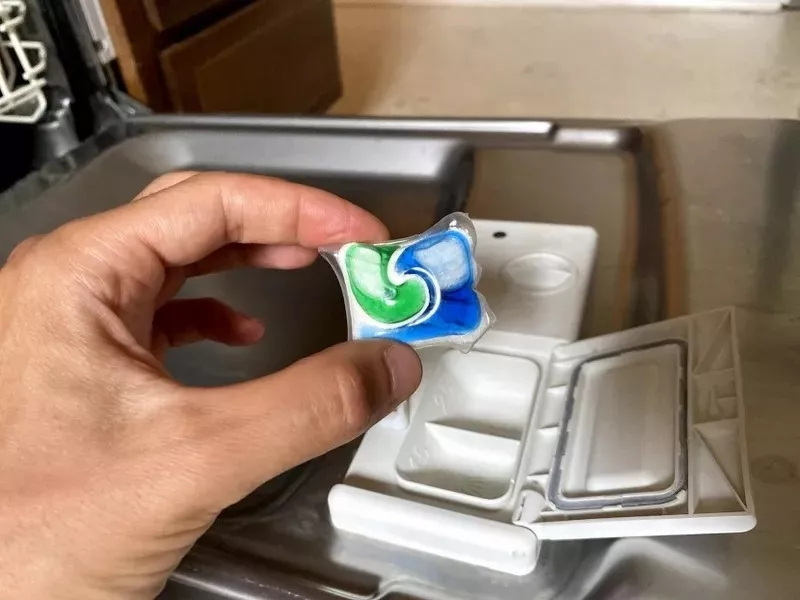
No. The formula is safe for most modern dishwashers. Issues typically come from misuse or neglecting regular maintenance.
Yes, especially with hard water or short wash cycles. Using rinse aid or descaling regularly resolves this.
Ensure the water temperature reaches at least 120°F (49°C). Check that the dishwasher's dispenser is not blocked by large plates or utensils.
Absolutely. Cascade is formulated to be safe for stainless steel and polymer tubs, leaving no corrosion when used correctly.
No. Adding extra detergent causes over-sudsing, while vinegar may neutralize detergent effectiveness. Use vinegar separately during cleaning cycles only.


