
Views: 222 Author: Tomorrow Publish Time: 12-18-2025 Origin: Site


Content Menu
● Understanding What Cascade Dishwasher Pods Are
● Do Cascade Dishwasher Pods Expire or Go Bad?
● Signs That Your Cascade Pods Have Gone Bad
● Factors That Affect Dishwasher Pod Longevity
● The Science Behind Pod Degradation
● How to Store Cascade Dishwasher Pods Properly
● Can You Still Use Expired Dishwasher Pods?
● The Impact of Old Pods on Your Dishwasher
● Comparing Fresh vs. Expired Cascade Pods
● Environmental and Safety Considerations
● Why Buying in Bulk May Not Always Be Best
● Alternative Ways to Keep Pods Fresh Longer
● FAQ
>> 1. How long do Cascade dishwasher pods last?
>> 2. Can expired Cascade pods damage my dishwasher?
>> 3. How can I tell if my pods are expired without a date?
>> 4. Is it safe to use partially dissolved pods?
>> 5. How can I extend the life of my Cascade pods?
Dishwasher pods have revolutionized the way we clean dishes by combining detergent, rinse aid, and stain removers into a single, easy-to-use unit. Cascade, a brand widely recognized for its superior cleaning power, has dominated the market with its efficient and convenient pods. However, even the most effective cleaning products have a shelf life. Many homeowners eventually find themselves wondering: Do Cascade dishwasher pods go bad?
While these pods don't “expire” in the same way food does, they can indeed lose their potency over time. Understanding how and why this happens helps you get the most from every pod and avoid the frustration of ineffective cleaning cycles. Let's explore how long Cascade pods last, the factors that influence their quality, and the signs that it might be time to replace them.
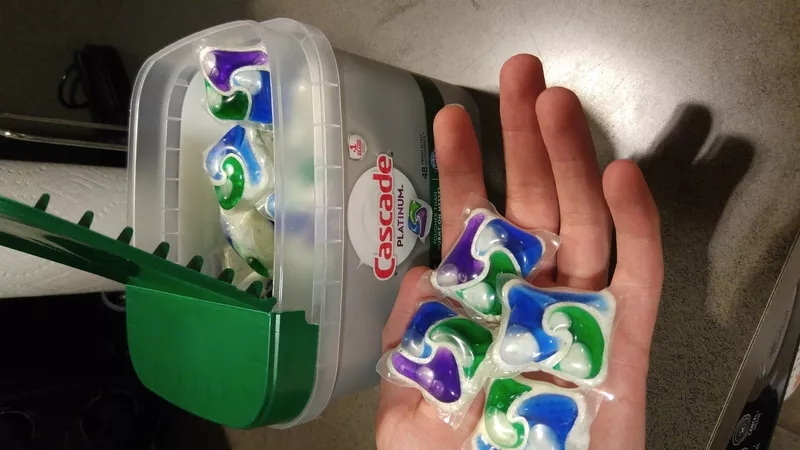
Cascade dishwasher pods, also known as ActionPacs, are compact detergent capsules designed to simplify dishwashing. Each pod is a small yet powerful cleaning unit enclosed in a water-soluble film that dissolves during the wash cycle.
They typically include:
1. Powerful cleaning enzymes – break down proteins, starches, and grease.
2. Surfactants – help lift away leftover food particles.
3. Rinse aids – speed up drying and prevent water spots.
4. Builders and brighteners – soften hard water and enhance shine.
Because the film dissolves only in water, exposure to humidity or contact with damp hands can compromise the pod's integrity. The cleaning ingredients are chemically active, so they can degrade when stored improperly or for too long.
Yes — Cascade dishwasher pods do go bad in the sense that they lose their effectiveness after a certain period. The active ingredients, including enzymes and bleach-based compounds, weaken when exposed to air, moisture, or heat over time.
While Cascade doesn't print exact expiration dates, their products generally maintain peak efficiency for 9–12 months after manufacture. Beyond that, the detergent may become less potent, dissolve unevenly, or fail to rinse clean.
The packaging also matters. Pods sold in resealable containers typically last longer than those stored in cardboard or soft bags, especially if the bag is not tightly sealed after opening.
Dishwasher pods don't always come with visible expiration dates, so consumers must rely on physical and performance clues. Here's what to look for:
- Clumping or soft texture: Pods should feel dry and firm. If they've fused together, moisture has infiltrated the container.
- Cloudy or uneven film: The water-soluble wrapper becomes less transparent over time and may start peeling.
- Loss of fragrance: Faded scent signals chemical breakdown inside the pod.
- Disappointing cleaning results: Cloudy glasses, residue, or lingering odors in dishes suggest weakened detergent activity.
- Discoloration or streaks inside packaging: This may indicate detergent leakage or partial dissolution.
When in doubt, it's wise to test a single pod first. If it completely dissolves and produces good results, the batch may still be usable for a bit longer.
Several external conditions can influence how long Cascade pods maintain their quality. Understanding these factors helps extend their life:
- Humidity: The most critical factor. Dishwasher pods easily absorb moisture from the air, causing them to soften or clump.
- Temperature: Chemical stability decreases in extreme cold or heat. Optimal storage temperature is between 50°F and 77°F (10°C–25°C).
- Air and oxygen exposure: Once pods are exposed to air, oxidation may reduce the activity of enzymes and bleach agents.
- Direct sunlight: UV rays deteriorate both the pod's packaging and its active ingredients.
- Container sealing: Every time you open the container, a small amount of moisture and oxygen enters, shortening shelf life.
If you live in a humid climate, consider transferring dishwasher pods to airtight, moisture-proof storage containers immediately after opening the original packaging.
Understanding why Cascade pods degrade over time requires a brief look at the chemical composition of detergents. Enzymes such as proteases and amylases are biological catalysts that break down food residues. Unfortunately, these enzymes lose efficiency when exposed to oxygen and moisture for extended periods.
The same applies to bleaching agents and surfactants, which can react with air or light, altering their cleaning capability. Once these components begin to separate within the pod, the detergent may either over-dissolve, creating excess suds, or fail to dissolve completely, leaving gummy residue inside the dispenser.
Manufacturers balance performance and stability with protective coatings and packaging. Even so, no detergent can resist time indefinitely; environmental exposure eventually reduces its potency.
Storing your pods correctly can extend their usable life and prevent waste. Here's how to keep them fresh and effective longer:
1. Keep them sealed. After each use, tightly close the bag or container to minimize air and humidity exposure.
2. Avoid heat and sunlight. Store them in a closed cabinet or pantry, preferably not near the dishwasher, stove, or sink.
3. Use airtight containers. Transfer pods into a glass or thick plastic jar with an airtight lid if the original package is damaged.
4. Label purchase date. Mark the date of opening so you can track freshness over time.
5. Keep them dry. Never scoop pods with wet hands. Even a few drops of water can cause the outer film to dissolve prematurely.
These simple precautions can prolong shelf life by several months beyond the average window.
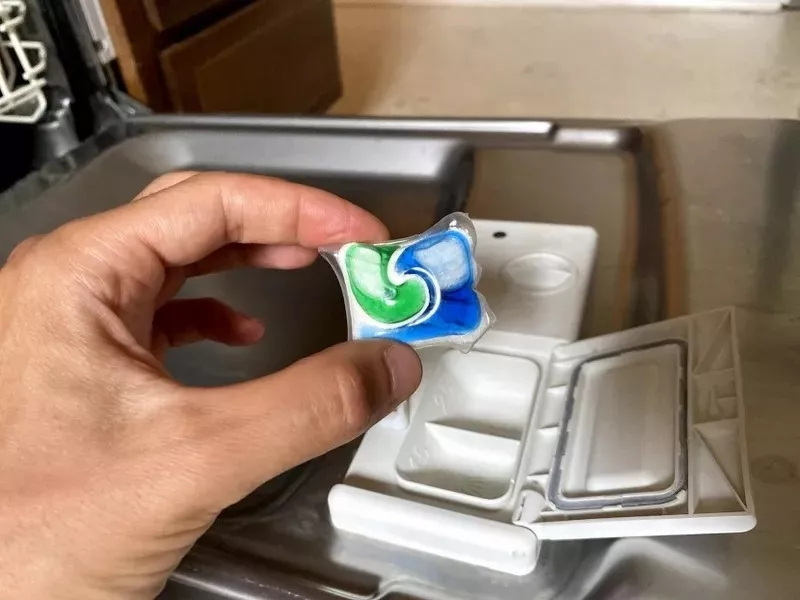
Old or expired Cascade pods are not hazardous, but they may not clean effectively. Detergent degradation usually leads to weak cleaning performance, incomplete dissolution, or film residue. Sometimes, an expired pod might still clean lightly soiled dishes, but it will struggle with greasy or baked-on messes.
If you choose to use an older batch, test one pod first with a small load of dishes. If it dissolves properly and leaves items clean and spot-free, you can continue using them temporarily. Otherwise, replacing them is the best choice for consistent results and to protect your dishwasher's mechanisms from potential residue buildup.
Expired Cascade detergent pods can cause long-term issues with your dishwasher's internal components. Common problems include:
- Undissolved residue buildup inside the detergent dispenser or around the filter area.
- Reduced spray arm efficiency due to clogging by leftover powder or gel fragments.
- Lingering odors caused by trapped detergent film or residual fats not properly cleaned.
- Potential for streaking or etching on glassware over time.
To maintain optimal machine performance, it's recommended to run a monthly dishwasher cleaning cycle using a dedicated cleaner like Cascade Dishwasher Cleaner. This helps remove any detergent residues and keeps internal parts functioning efficiently.
| Feature | Fresh Cascade Pods | Expired Cascade Pods |
|---|---|---|
| Dissolution rate | Fully dissolves during each cycle | May leave clumps or streaks |
| Cleaning effectiveness | Strong grease and residue removal | Weak or inconsistent cleaning |
| Texture | Smooth, soft to the touch | Hard, sticky, or brittle |
| Fragrance | Fresh and strong | Faint or chemically altered |
| Shelf life | 9–12 months | Begins degrading after 12 months |
This comparison illustrates that while expired pods might not be completely useless, their performance significantly lags behind fresh ones.
Expired dishwasher pods should always be handled responsibly. Even though they are non-toxic when used as intended, concentrated detergent can harm the environment if improperly disposed of.
Safe disposal practices include:
- Sealing the pods in a plastic bag before throwing them out.
- Avoiding flushing them down the sink or toilet.
- Disposing of them with household garbage according to local waste management guidelines.
Safety tip: Keep all pods out of reach of children and pets. Dishwasher pods are brightly colored and can resemble candy or toys. Cascade's child-resistant packaging helps, but additional precautions — such as placing them on a high, locked shelf — are always wise.
Although buying cleaning supplies in bulk can save money, it isn't always the best idea for dishwasher pods. If you only run the dishwasher a few times per week, even a large tub of pods could last well beyond their effective period.
A smarter approach is to calculate your average monthly usage. For instance, if you use ten pods per week, a 60-pod container should last six weeks — well within their effective window. Buying smaller packs ensures that every pod you use operates at full strength.
If you live in a humid environment and find that pods often clump or lose their form, try adding a few of these simple remedies:
- Add silica gel packets (like the ones found in vitamin bottles) into the storage container to absorb moisture.
- Store pods in a climate-controlled pantry instead of under the sink.
- Use vacuum-sealed containers for long-term storage.
- Keep the area ventilated to prevent condensation buildup.
By taking these extra steps, you can dramatically prolong the life of your Cascade dishwasher pods and maximize each purchase's value.
Cascade dishwasher pods are designed to deliver convenience, consistency, and powerful cleaning. However, they are not immune to the effects of time and environment. Over months of storage — especially under humid or hot conditions — their ingredients lose potency, and their dissolvable film can deteriorate.
To maintain performance, use Cascade pods within 9 to 12 months of purchase, and store them in cool, dry, air-tight conditions. Avoid exposing them to moisture or sunlight and always close packages tightly after use. If your pods show signs of clumping, residue, or weak scent, it's a clear sign to replace them.
Proper storage and timely usage ensure that every load of dishes comes out spotless, odor-free, and shining — exactly as Cascade promises.
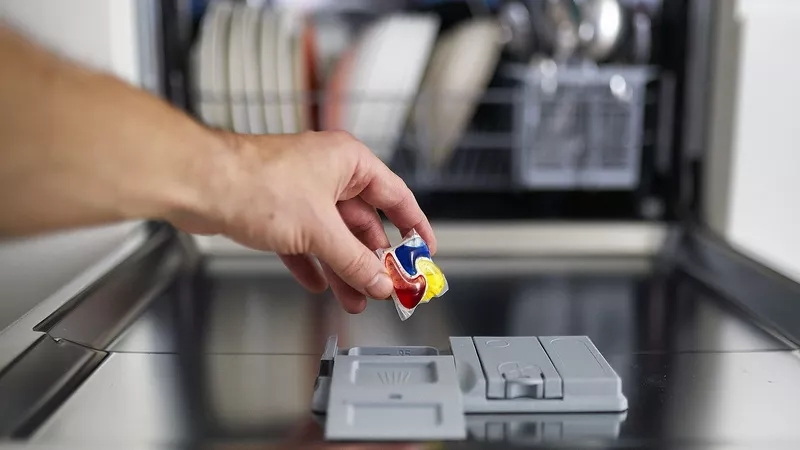
Cascade pods typically remain effective for 9 to 12 months under ideal conditions. Using them beyond this period may lead to reduced cleaning power.
Generally, no — but old pods can leave residue buildup that affects detergent distribution and filter performance over time.
Examine the texture and results. Sticky, hardened, or faded pods that leave spots or residue after washing are likely past their prime.
No. Once a pod is cracked or partially dissolved, it may release detergent unevenly, leaving both dishes and the appliance coated in film.
Store them in airtight containers, away from humidity and sunlight, and never handle them with wet hands to prevent premature dissolution.


