
Views: 222 Author: Tomorrow Publish Time: 12-13-2025 Origin: Site


Content Menu
● Understanding How Dishwasher Detergents Work
● What Is Liquid Dishwasher Detergent?
● Can You Use Liquid Instead of Pods in Your Dishwasher?
● How to Use Liquid Dishwasher Detergent Safely and Effectively
● Comparing Pods and Liquid Dishwasher Detergents
● Common Mistakes When Using Liquid in Dishwashers
● Environmental Considerations
● Maintenance Tips for Better Dishwasher Health
● Expert Tips for Best Cleaning Results
● FAQ
>> 1. Can I use regular dish soap in the dishwasher?
>> 2. Why does my dishwasher leave film or residue when using liquid detergent?
>> 3. Are pods better than liquid detergents for dishwashers?
>> 4. Can I combine pods and liquid detergent during a wash?
>> 5. Which detergent type works best in hard water?
Dishwashers have become indispensable for modern households, taking over one of the most time-consuming chores — cleaning dirty dishes. Over the past decade, the dishwasher detergent market has evolved significantly. Among the most popular options are pods, known for their convenience and effectiveness. Yet, many people still rely on liquid detergents, either out of habit, budget considerations, or concern about environmental impact.
This raises a common question: Can you use liquid instead of pods in your dishwasher? The short answer is yes — if it's a detergent made specifically for automatic dishwashers. However, understanding the differences between the two, their performance, and how to use them correctly is essential. Misusing detergents can damage dishes, leave residues, or even harm the appliance.
In this comprehensive guide, we'll explore everything you need to know — including the science behind dishwasher detergents, effective usage practices, and detailed comparisons between liquid and pod forms.

Before deciding between pods and liquid detergents, it's helpful to understand how these cleaning agents actually work. Dishwasher detergents are engineered differently from hand dish soap. They contain three core types of ingredients:
1. Surfactants – These reduce surface tension, allowing water to lift away grease and grime.
2. Enzymes – These break down proteins and starches from food residues such as sauces or pasta.
3. Builders – Compounds that soften hard water to improve cleaning power.
Unlike handwashing liquids, which rely on foam to clean effectively, dishwasher detergents are low-sudsing formulas. Excess bubbles interfere with the spray arms, preventing proper rinsing. This is why using standard dish soap in your dishwasher can create a foamy mess and cause leaks.
The formulation also varies by type — powder, liquid, or pod — each designed to release its ingredients at specific stages during the dishwashing cycle for optimal results.
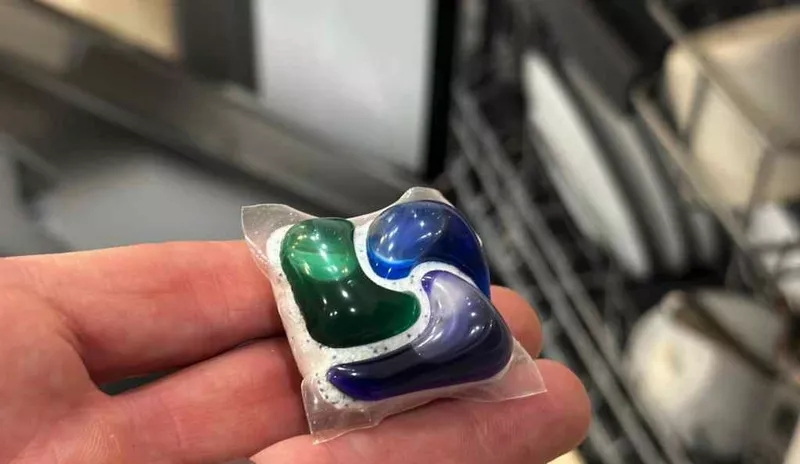
Dishwasher pods, also called tablets or packs, are pre-dosed units containing a powerful mix of powder and gel detergent wrapped in a water-soluble film. This film dissolves when exposed to water, releasing detergent gradually throughout the wash cycle.
Their main appeal lies in ease of use — simply place one pod in the detergent slot and close the door. You never have to measure or guess how much detergent to use, ensuring consistent performance every time.
Advantages of Dishwasher Pods:
- Simple and mess-free to use.
- Provide consistent detergent dosage.
- Contain rinse aid and degreasing boosters in one packet.
- Convenient for busy households or small kitchens.
Disadvantages of Dishwasher Pods:
- Higher cost per load than powders or liquids.
- May not dissolve completely in low-temperature cycles.
- Not adjustable for partial loads or lightly soiled dishes.
- Packaging may raise environmental concerns.
For homeowners who prioritize convenience, pods remain one of the most efficient cleaning options. However, flexibility and cost effectiveness often lead other users toward liquids.
Liquid dishwasher detergent, sometimes called gel detergent, is a smooth, concentrated formula designed specifically for automatic dishwashers. It is distinctly different from “soap” intended for manual dishwashing. Dishwasher gels produce minimal foam and contain strong degreasers that target baked-on residues.
Benefits of Liquid Dishwasher Detergent:
- More precise control over how much detergent to use.
- Ideal for smaller or irregular loads.
- Usually less expensive per wash compared to pods.
- Dissolves readily, even in cooler water conditions.
Drawbacks of Liquid Dishwasher Detergent:
- Can be messy or easy to overpour.
- Overuse may leave streaks or cloudy film on glassware.
- Requires careful storage to prevent thickening.
- Lacks built-in rinse aid in most formulas.
While pods simplify dishwashing tasks, liquid detergents appeal to those who prefer flexibility, particularly for variable load sizes or specific washing needs.
Yes — as long as the liquid detergent is labeled for dishwasher use, it can replace pods. The dishwasher's detergent compartment typically has measuring lines that indicate the correct fill level. Pouring the right quantity ensures effective cleaning and prevents residue buildup.
However, using regular dish soap (for handwashing) is a major mistake. That type of soap produces heavy suds that can easily overflow your dishwasher and cause internal leaks or sensor malfunctions.
Manufacturers often design dishwashers to accommodate multiple detergent types, so switching between pods and liquid is entirely safe. For older models or portable dishwashers, liquid detergent can flow more evenly during washing, sometimes achieving better coverage than pods.
In summary: you can confidently use liquid instead of pods — but not all liquids are created equal. Always check labeling and follow dosage recommendations.

To achieve optimal cleaning results when using liquid detergent, follow these step-by-step tips:
1. Check the User Manual – Different machines may specify detergent preferences. Some high-efficiency dishwashers require particular brands or types.
2. Measure Properly – Fill only up to the marked line inside the dispenser cup (usually one tablespoon). Avoid guessing.
3. Avoid Overloading – Proper water circulation is crucial; overcrowded racks lead to residue no matter what detergent you use.
4. Select the Right Cycle – Full wash cycles at higher temperatures help the detergent break down food particles and sanitize dishes.
5. Rinse Regularly – Clean filters monthly and remove trapped food debris to maintain optimal water flow.
6. Use Rinse Aid – Liquid detergents rarely include rinse agents, so adding a separate rinse aid prevents water spots and film.
Adhering to these practices ensures that your dishwasher performs at its best while extending its lifespan.
Let's look at how these two detergent types compare across performance, economy, and usability.
| Feature | Dishwasher Pods | Liquid Dishwasher Detergent |
|---|---|---|
| Convenience | Extremely easy; no measuring required | Requires manual measurement |
| Cost | Higher per wash | More budget-friendly |
| Control Over Quantity | Pre-measured fixed dose | Adjustable dosage |
| Performance Consistency | Very consistent | May vary by user measurement |
| Water Temperature Sensitivity | May struggle in cold water | Performs well in both warm and cold cycles |
| Environmental Impact | PVA film may leave small plastic residues | Often available in recyclable bottles |
| Shelf Life | Stable up to 12 months | Can thicken over time if exposed to air |
While pods dominate in convenience and reliability, liquid detergents win on flexibility, affordability, and environmental adaptability.
Even though it's safe, liquid detergent can become problematic if misused. Here are mistakes to avoid:
- Overpouring: Excess detergent can leave cloudy residues and sticky buildup on dishes or inside the machine.
- Using hand soap: This creates excessive foam that clogs filters and may cause leaks.
- Mixing detergent types: Combining pods, powders, or liquids confuses the dispenser and wastes detergent.
- Neglecting dishwasher maintenance: Detergent residue can accumulate on spray arms, reducing efficiency.
- Skipping rinse aid: Without a rinse agent, dishes may retain spots or streaks after drying.
Careful usage goes a long way in optimizing cleaning performance.
Environmental awareness now plays an influential role in purchasing decisions. While dishwasher pods are convenient, their polyvinyl alcohol (PVA) casing is controversial. Though marketed as water-soluble, it may contribute to microplastic pollution under certain conditions.
Liquid detergents also pose environmental concerns depending on the formulation. Many contain synthetic surfactants and stabilizers that are not entirely biodegradable. Fortunately, more eco-friendly brands are emerging that use plant-based ingredients, phosphate-free formulations, and recyclable packaging to reduce waste.
If sustainability is a top priority:
- Choose detergents certified by environmental programs like EPA Safer Choice, EU Ecolabel, or EcoLogo.
- Refill bottles through bulk stations to cut down on plastic waste.
- Run the dishwasher only with full loads to minimize water and energy usage.
By combining proper detergent selection with eco-conscious habits, you can maintain both clean dishes and a healthy planet.
Regardless of which detergent type you select, maintaining your dishwasher properly ensures consistent performance:
- Clean filters weekly to remove trapped food and grease.
- Inspect spray arms for clogs and rinse them under warm water.
- Wipe door seals to prevent mold and odor buildup.
- Run a cleaning cycle monthly using vinegar or a dedicated dishwasher cleaner to remove minerals and detergent residue.
- Load correctly: Place plates facing inward and avoid blocking the detergent dispenser.
A clean and well-maintained dishwasher not only extends appliance life but also enhances detergent effectiveness.
Dishwashers perform best with a combination of good loading technique, proper cycle selection, and matching detergent type. Here are professional tips:
- Pre-rinse lightly: Remove large food residues but don't wash completely — detergent enzymes need something to act on.
- Adjust detergent for water hardness: In hard water areas, add a booster or use more detergent; in soft water, use less.
- Avoid aluminum and wooden utensils: Both materials can be damaged by dishwasher detergents.
- Keep the hot water line clear: Dishwasher efficiency decreases if water entering the machine is below 120°F (about 49°C).
- Use the heated dry function sparingly: If energy conservation is a concern, air-drying can be effective when the door is propped open post-cycle.
Applying these small adjustments can lead to significantly better cleaning outcomes.
So, can you use liquid instead of pods in your dishwasher? Yes — provided the detergent is formulated for automatic dishwashers. Both options can deliver clean, sparkling dishes when used properly. Pods excel in convenience and dosing accuracy, while liquids offer flexibility, cost savings, and easier control over quantity.
The key lies in correct usage — never substitute with hand soap, avoid overpouring, and maintain your appliance regularly. Whether you prioritize convenience, affordability, or environmental responsibility, understanding the differences between detergent types allows you to make an informed choice tailored to your household's needs. Used wisely, either option can keep your dishes spotless and your dishwasher performing efficiently for years.
No. Regular dish soap produces excessive foam that can overflow and damage your dishwasher. Only detergents labeled for automatic dishwashers are safe.
Overusing detergent, running short cycles, or ignoring rinse aid can lead to residue. Use the right dose and maintain filters monthly.
Pods provide consistent results and convenience. Liquid detergent offers flexibility, lower cost, and better performance in different water temperatures.
No. Mixing detergent types disrupts the release chemistry and can affect cleaning quality.
Pods with built-in softeners perform well, but if you prefer liquid, add a rinse aid or water softener booster to improve results.


