
Views: 222 Author: Tomorrow Publish Time: 11-30-2025 Origin: Site


Content Menu
● Understanding the Purpose of Dishwasher Pods
● Why People Use Dishwasher Pods for Cleaning Washing Machines
● Potential Benefits of Using Dishwasher Pods
● Risks of Cleaning a Washing Machine with Dishwasher Pods
● Safer Alternatives for Cleaning a Washing Machine
● Step-by-Step Comparison of Cleaning Methods
● How to Use Dishwasher Pods If You Still Want to Try
● Long-Term Washing Machine Maintenance Tips
● When to Seek Professional Servicing
● Environment and Safety Considerations
● FAQ
>> 1. Is it safe to use dishwasher pods to clean washing machines?
>> 2. How often should I clean my washing machine?
>> 3. Can dishwasher pods cause excessive suds?
>> 4. What's the best natural cleaner for washing machines?
>> 5. Are there machine-specific cleaners available, and which work best?
Modern households rely heavily on washing machines, yet many neglect regular cleaning. Dirt, detergent residue, mold, and bacteria can accumulate over time, leading to unpleasant odors and reduced efficiency. Among popular cleaning hacks, some suggest using dishwasher pods to clean washing machines. But can you clean a washing machine with dishwasher pods effectively and safely? This article explores that question in depth, examining benefits, risks, alternatives, and maintenance strategies.[1]
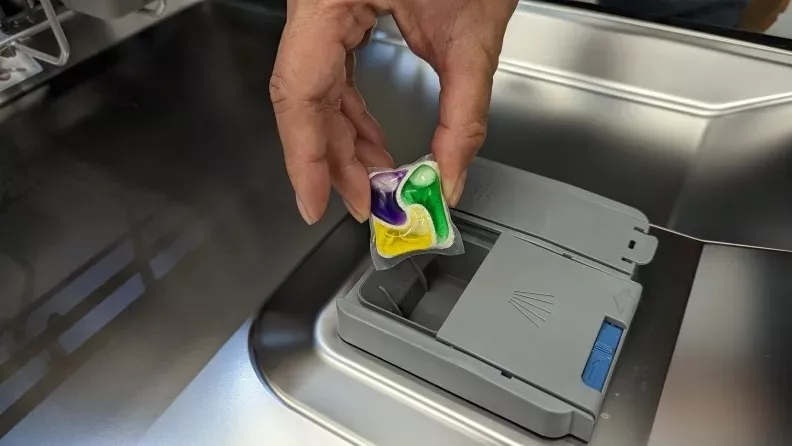
Dishwasher pods are designed to clean dishes, glasses, and utensils. They contain enzymes, degreasers, and bleach-based agents to dissolve food residues and combat grease. These chemicals perform well in dishwashers, but washing machine interiors differ in materials, water flow, and detergent requirements. Therefore, using dishwasher pods in a washing machine is not always straightforward.[2]
Dishwasher detergents create intense alkaline reactions, which might be too strong for washing machine rubber gaskets, seals, and plastic parts. Front-loading machines, with their rubber door seals, face higher risks from such harsh formulas. Top-loading models may handle them slightly better but still encounter issues with agitators and dispensers. To determine if dishwasher pods are safe or useful for washing machine cleaning, it's essential to understand both the potential benefits and associated risks.[4]
Some users experiment with dishwasher pods because they aim for deep cleaning power. Dishwasher detergents are great at breaking down oil, soap scum, and hard-water deposits. When tossed into an empty washing machine and run on a hot cycle, a dishwasher pod can dissolve grime, giving the appearance of a fresher drum. Social media videos often showcase before-and-after results, highlighting shiny interiors and eliminated odors.[3]
The convenience and availability of dishwasher pods also make them an attractive alternative to specialized washing machine cleaners. Households already stocked with pods see no need to buy extra products. Anecdotal evidence across platforms like Reddit and YouTube suggests quick results, especially for mild buildup. However, convenience doesn't always equal long-term suitability. The fact that it works once does not guarantee safety for repeated use.[6]
There are several reasons some people consider this approach effective:
- Dishwasher pods dissolve and lift mineral buildup and detergent film from drum surfaces.
- They neutralize unpleasant smells that come from mold or bacterial growth in seals and filters.
- The degreasing properties clean out oily stains and fabric softener residue effectively.
- Pods are pre-measured, minimizing overuse and ensuring even distribution during cycles.
- High temperatures in hot washes activate enzymes fully, mimicking dishwasher conditions.[2]
These benefits can make this cleaning hack appealing in urgent or occasional cleaning situations. For top-loading washers, pods may rinse more completely due to water flow patterns. Still, the chemical reaction inside a washing machine differs from its intended dishwasher environment, limiting overall efficacy.[5]
Dishwasher pods contain high-alkaline ingredients and bleaching agents that may deteriorate washing machine components over time. Rubber door seals, for instance, can lose flexibility and start cracking due to prolonged exposure to harsh chemicals. Bleach components may corrode metal drums or heaters in prolonged use.[4]
Other risks include:
- Excessive suds leading to water leakage, overflow, or foam escaping from seals.
- Residual film left on the drum that may transfer to laundry and affect fabric smell.
- Potential corrosion of metal elements, particularly if the pod does not fully dissolve in cooler cycles.
- Chemical buildup inside drain pipes, hoses, or filters, worsening blockages.
- Incompatibility with HE (high-efficiency) machines that use less water, causing incomplete rinsing.[1]
If used occasionally, dishwasher pods might not immediately damage the machine. But continuous use could create maintenance issues and expensive repairs, such as seal replacements costing hundreds of dollars. Manufacturers like Whirlpool and LG warn against non-approved cleaners in warranties.[9]
Experts recommend cleaning washing machines monthly using gentler cleaning agents. Dedicated products like Affresh, Dylon, or Dr. Beckmann's Service-it Deep Clean target bacteria and limescale without harshness. These tablets or powders dissolve in hot cycles, killing 99.9% of germs via activated carbon or oxygen-based formulas.[10][2]
Some safer alternatives include:
1. White vinegar – Dissolves detergent residue, neutralizes odors, and removes limescale; use 2 cups in a hot cycle.[3]
2. Baking soda – Works as a natural deodorizer and gentle scrub; add 1/2 cup to the drum before vinegar.[4]
3. Special washing machine cleaners – Balanced pH formulas like OxiClean or Tide Washer Cleaner for deep action.[10]
4. Lemon juice – Removes light limescale and freshens; combine with hot water for citrus deodorizing.
5. Hydrogen peroxide – Provides disinfection without damaging rubber or metal; safe for monthly use.
6. Bleach (diluted) – For top-loaders only; 1 quart in hot water, but avoid on front-loaders to prevent gasket damage.[4]
7. Sodium percarbonate – Oxygen bleach alternative for eco-friendly stain removal.[1]
Combining half a cup of baking soda with two cups of white vinegar and running a hot empty cycle achieves effective, low-cost, eco-friendly cleaning. Pause midway for soaking to boost results. For front-loaders, wipe seals afterward; top-loaders need agitator checks.[8][3]
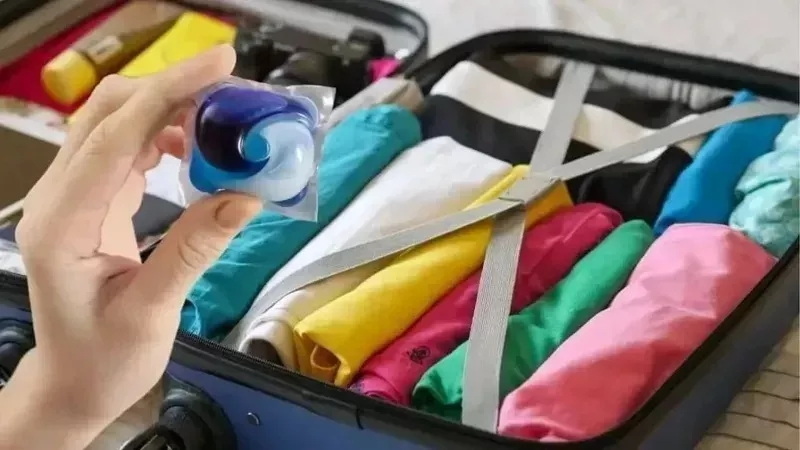
| Method | Best For | Steps | Pros | Cons | Frequency |
|---|---|---|---|---|---|
| Dishwasher Pods | Quick grime removal | Drop 1 pod in drum, hot empty cycle, extra rinse. | Convenient, strong degreaser | Harsh on seals, residue risk | Occasional only |
| Vinegar + Baking Soda | Odors, residue | 1/2 cup soda in drum, 2 cups vinegar in dispenser, hot cycle, soak. | Cheap, natural, safe | Mild on heavy limescale | Monthly |
| Affresh/OxiClean Tablets | Bacteria, limescale | Place tablet in drum, run self-clean or hot cycle. | Kills 99.9% germs, easy | Cost per use | Every 1-3 months |
| Bleach | Sanitizing top-loaders | 1 quart in hot water, long cycle. | Kills germs fast | Damages rubber, not for HE | Rarely |
This table highlights why purpose-built or natural methods outperform dishwasher pods for routine care.[2][1]
For those still curious to test this cleaning shortcut, follow these precautions:
1. Use only one dishwasher pod per cycle.
2. Place it directly inside the drum, not the detergent drawer, for full dissolution.
3. Run an empty hot cycle (at least 60°C) without clothes or linens.
4. Perform an additional rinse and spin cycle afterward to remove chemical residue.
5. Wipe the drum, rubber seal, and dispenser with a damp microfiber cloth once finished.
6. Inspect for suds or film; repeat rinse if needed.[5][2]
This method limits chemical exposure and helps rinse away leftovers. Test on top-loaders first, as front-loaders trap more residue. It should remain an occasional option—not a monthly routine. Always check your manual for cleaner compatibility.[4]
Effective cleaning goes beyond choosing the right detergent. Consider these ongoing care habits:
- Keep the washer door or lid open after use to allow drying and prevent mold growth.
- Regularly clean the detergent tray, fabric softener compartment, and rubber seal with vinegar spray.
- Avoid overloading or using too much laundry detergent to minimize residue.
- Run a hot empty cycle with approved cleaners monthly; self-clean if available.
- Check hoses, filters, and pumps every 3-6 months for blockages or wear.
- Use HE detergent in high-efficiency models to reduce buildup.
- Wipe spills immediately and remove pet hair from filters weekly.[9][5]
For front-loaders, focus on gasket folds; top-loaders need agitator lifts. These steps extend lifespan by 20-30% and maintain efficiency.[1]
If your washing machine emits persistent odors, struggles to drain, leaks water, or shows visible mold despite cleaning, professional service becomes necessary. Technicians dismantle drums, hoses, and pumps for thorough removal of deep buildup without risking electronics. Costs range from $100-300 but prevent larger failures.[4]
Signs warranting a call include unbalanced loads, error codes, or reduced spin speed. Annual servicing complements DIY efforts for optimal performance.
Dishwasher pods often contain phosphates and brighteners that harm waterways when rinsed into sewers. Using them in washing machines amplifies chemical discharge unnecessarily. Opt for biodegradable alternatives like vinegar or eco-tablets to lower environmental impact.[3]
Safety-wise, wear gloves during cleaning and ensure good ventilation for bleach or peroxide. Childproof pods to avoid accidental ingestion. Phosphate-free machine cleaners in recyclable packaging support sustainability.
So, can you clean your washing machine with dishwasher pods? Technically yes for one-off use, but risks to seals, hoses, and efficiency make it suboptimal. Harsh alkalis provide short-term grime removal yet invite long-term damage. Embrace proven alternatives like vinegar-baking soda combos, Affresh tablets, or monthly hot cycles alongside maintenance habits. These ensure a hygienic, efficient machine that lasts longer, saving money and reducing waste.
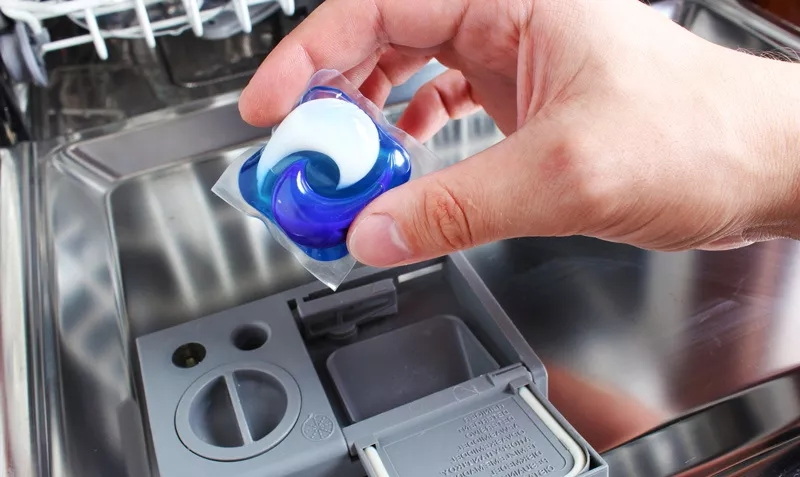
It's safe only for occasional use on top-loaders, but harsh chemicals damage rubber seals and cause residue over time. Stick to approved cleaners.[2]
Clean monthly with vinegar, baking soda, or tablets; run hot cycles to prevent buildup and odors.[5][1]
Yes, they foam excessively in low-water HE machines, risking overflows and incomplete rinsing.[4]
White vinegar (2 cups) plus baking soda (1/2 cup) excels at residue, odors, and limescale safely. Soak mid-cycle for best results.[3]
Yes, Affresh, OxiClean, Dylon, and Dr. Beckmann target bacteria and limescale effectively; use per instructions on hot cycles.[10][2]
[1](https://www.fortress.com.hk/en/promotion/buying-guides/washer-cleaning)
[2](https://www.yourhomestyle.uk/reviews/best-washing-machine-cleaner)
[3](https://fcdrycleaners.com/blog/laundry/how-to-clean-a-washing-machine-a-step-by-step-guide/)
[4](https://www.marthastewart.com/7536879/cleaning-washing-machine)
[5](https://www.heysunday.com/blog/how-to-clean-washing-machine)
[6](https://www.reddit.com/r/CleaningTips/comments/l3vuv8/how_should_i_clean_my_washing_machine/)
[7](https://www.youtube.com/watch?v=Z9quw5dnPdo)
[8](https://www.youtube.com/watch?v=APMgc0UwOtU)
[9](https://www.homedepot.com/c/ah/how-to-clean-a-washing-machine/9ba683603be9fa5395fab90ae6e5848)
[10](https://www.youtube.com/watch?v=ZIQO7HOWc4o)


