
Views: 222 Author: Tomorrow Publish Time: 11-30-2025 Origin: Site


Content Menu
● What Are Stainless Steel Espresso Pods?
● Advantages of Stainless Steel Over Disposable Pods
● Can Stainless Steel Espresso Pods Go in Dishwasher?
● Factors Affecting Dishwasher Compatibility
● Step-by-Step Hand Cleaning Process
● Dishwasher Cleaning Best Practices
● Risks and Consequences of Improper Dishwashing
● Maintenance for Longevity and Flavor
● Filling and Brewing Tips for Clean Pods
● Troubleshooting Common Cleaning Issues
● Environmental Impact of Reusable Pods
● FAQ
>> 1. Are all stainless steel espresso pods dishwasher-safe?
>> 2. What damages pods most in dishwashers?
>> 3. How frequently should pods be deep cleaned?
>> 4. Does cleaning method affect coffee taste?
>> 5. When to replace a stainless steel pod?
Stainless steel espresso pods offer a sustainable alternative to single-use capsules, allowing coffee lovers to brew rich espresso at home while minimizing waste. These durable pods, typically made from food-grade 304 or 316 stainless steel, withstand repeated use and deliver consistent flavor extraction. A frequent question arises among users: Can stainless steel espresso pods go in dishwasher?
The answer hinges on pod design, manufacturer guidelines, and cleaning habits. This comprehensive guide examines dishwasher compatibility, safe cleaning methods, maintenance best practices, and tips to maximize pod longevity. Proper care ensures optimal performance, hygiene, and flavor preservation over thousands of brews.

Stainless steel espresso pods function as reusable containers for ground coffee in machines like Nespresso, Dolce Gusto, or compatible pod systems. Crafted from high-quality stainless steel, they feature precision-drilled filter holes for even water flow and pressure buildup, mimicking original capsules. Many include removable silicone seals or gaskets to create an airtight environment during brewing.
These pods support sustainability by replacing aluminum or plastic disposables, which contribute to landfill waste. Users fill them with freshly ground beans, tamp lightly, and seal if needed, achieving cafe-quality shots at a fraction of the cost. Their robust construction resists corrosion, but intricate components demand specific cleaning attention.[1][3]
Stainless steel pods excel in durability and versatility. They handle high-pressure extraction without deforming, unlike flimsy plastic alternatives. Coffee enthusiasts appreciate the ability to experiment with grind sizes, roast levels, and blends for personalized tastes.
Environmentally, they cut down on the millions of pods discarded yearly. Cost savings add up quickly, as one pod lasts years with proper upkeep. Flavor benefits include fresher brews, since users grind beans on demand rather than relying on pre-packaged options.[4]
Stainless steel itself is highly resistant to heat, water, and detergents, making it inherently dishwasher-safe. However, not all pods qualify for automatic cleaning. Factors like attached silicone gaskets, plastic lids, or fine mesh filters complicate the process.
Manufacturers often specify guidelines: top-rack placement on gentle cycles works for simple designs, but pods with seals require disassembly. High-heat sanitizing cycles or phosphate-heavy detergents can degrade rubber components or leave residues in micro-holes, impacting future brews. Always consult the product manual—many brands like reusable Nespresso-compatible models endorse occasional dishwashing after seal removal.[3][5]
Pod construction varies widely. Basic models without extras tolerate dishwashers well, while advanced ones with O-rings or foil-sealing mechanisms do not. Detergent type matters: enzyme-based formulas break down coffee oils effectively but may etch seals over time.
Water hardness influences outcomes too. Hard water leaves mineral deposits, clogging filters regardless of method. Temperature extremes above 140°F (60°C) risk warping plastics or dulling steel finishes. Testing one pod first reveals machine-specific behaviors.[2]
Hand washing provides the gentlest, most reliable clean. Start immediately after use to prevent residue hardening.
1. Disassemble fully: Remove lids, seals, and any baskets.
2. Rinse under hot running water to flush grounds and oils.
3. Apply mild dish soap with a soft sponge or nylon brush, targeting crevices.
4. Clear filter holes using a straightened paperclip or pin—gently twist to avoid enlargement.
5. Soak seals in warm soapy water separately, then pat dry.
6. Rinse thoroughly and air-dry upside down on a rack.
This routine takes under two minutes and preserves all components.[1][2]
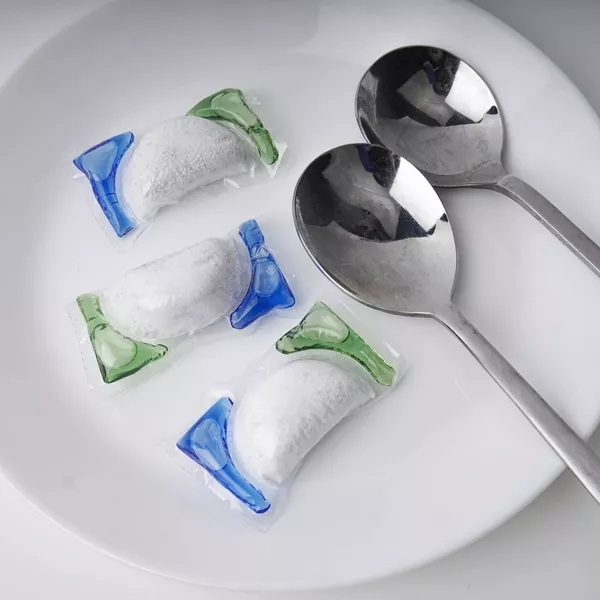
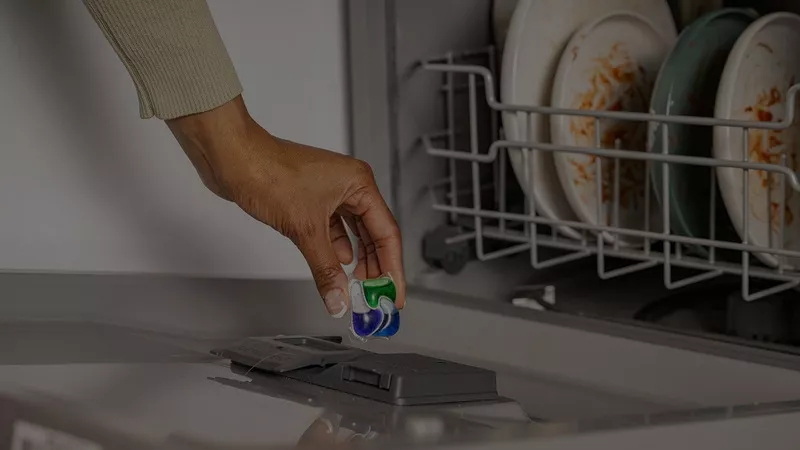
For dishwasher use, prioritize safety. Remove all silicone, rubber, or plastic parts first and hand-wash them. Place the steel body on the top rack away from heating elements. Select a short, low-heat cycle with eco-friendly detergent.
Post-wash, inspect for residues: run a plain water cycle if films appear. Dry completely to avoid water spots or bacterial growth. Limit to once weekly, supplementing with daily hand rinses. This hybrid approach balances convenience and care.[5]
Frequent or careless dishwashing leads to issues. Seals shrink or crack from heat, causing leaks and weak pressure. Filters clog with detergent buildup, resulting in bitter, under-extracted shots. Discoloration mars aesthetics, while scratches from rattling invite corrosion.
In worst cases, warped parts jam machines, voiding warranties. Users report flavor degradation after months of heavy cycles, underscoring hand washing's superiority for precision gear.[2][3]
Beyond basic cleaning, deeper maintenance sustains performance. Weekly, soak pods in a vinegar-water solution (1:4 ratio) for 30 minutes to dissolve scale. Brush interiors with a dedicated coffee tool, then flush with hot water.
Monthly, check seals for brittleness—replace if hardened. Store in a cool, dry cabinet to prevent odor absorption. Track usage: most pods endure 500-1000 cycles with vigilant care.[1]
Clean pods perform best. Use a burr grinder for medium-fine consistency, filling to 6-7 grams without overpacking. Tamp lightly in layers for uniform extraction. Avoid pre-ground coffee, which compacts unevenly.
Post-brew, purge machines to minimize residue transfer. These habits reduce cleaning frequency while enhancing crema and body.[3][4]
Yellowing indicates oil buildup—soak in baking soda solution overnight. Stubborn clogs need espresso cleaner dips, followed by multiple rinses. Leaks signal seal failure; lubricate with food-grade silicone sparingly.
If flavors sour, deep-clean the entire setup, including machine group heads. Persistent problems warrant pod replacement.[2]
Maintaining stainless steel pods amplifies eco-gains. Each reusable unit offsets hundreds of disposables, conserving resources and reducing emissions. Proper care extends life, delaying new production.
Pair with compostable grounds and filtered water for a zero-waste routine. Coffee lovers contribute meaningfully to sustainability through mindful habits.[4]
| Method | Pros | Cons | Best For |
|---|---|---|---|
| Hand Washing | Precise, gentle, no residues | Time-intensive daily | Daily use, all pod types |
| Dishwasher | Convenient, thorough | Risks seals/filters | Occasional, simple designs |
| Soaking | Removes scale/oils easily | Requires drying time | Weekly deep cleans |
Hand washing wins for reliability, but dishwashers suit low-maintenance users.[5]
Can stainless steel espresso pods go in dishwasher? Yes, selectively—stainless steel endures, but seals and filters demand caution. Remove parts, use top-rack gentle cycles, and prioritize hand washing for peak results.
Diligent maintenance unlocks years of flawless brews, superior taste, and waste reduction. Invest time in care to elevate your espresso experience sustainably.
No, compatibility varies by design. Models with silicone seals or plastic elements require hand washing those parts. Check manuals for specifics.[3]
High heat warps seals, detergents clog filters, and agitation causes scratches. Limit exposure to preserve function.[2]
Rinse daily, deep clean weekly with soap or vinegar. Monthly seal inspections prevent issues.[1]
Yes—residues from harsh detergents impart off-flavors. Thorough rinsing ensures pure extraction.[4]
Replace if leaks persist, filters clog irreparably, or extraction weakens despite cleaning. Most last 500+ uses.[2]
[1](https://www.youtube.com/watch?v=b6y1_4Q0XGU)
[2](https://www.youtube.com/watch?v=Bl7kuC1IQ-g&vl=en)
[3](https://www.reddit.com/r/nespresso/comments/o9dv6x/help_reusable_stainless_steel_pods_in_ol/)
[4](https://podmkr.com/step-by-step-guide-to-fill-your-pods/)
[5](https://www.southernliving.com/home/how-to-clean-a-nespresso-machine)
[6](https://www.nespresso.com/us/en/machine-assistance/creatista)
[7](https://www.facebook.com/groups/buhayzerowaste/posts/2215048938662766/)
[8](https://www.illy.com/en-us/coffee-machines/espresso-machine-manuals)
[9](https://www.youtube.com/watch?v=nU6FEH3Mu6I)
[10](https://www.tiktok.com/@katerinafaith/video/7205435831971188014?lang=en)


