
Views: 222 Author: Tomorrow Publish Time: 11-30-2025 Origin: Site


Content Menu
● What Are Dishwasher Soap Pods?
● Benefits of Using Dishwasher Pods
● Why Placement Matters for Pods
● Can Soap Pods Go in Bottom of Dishwasher?
● Risks of Putting Pods in the Bottom
● Correct Way to Place Dishwasher Pods
● Pods in Short or Quick Cycles
● Pods Versus Other Detergents
● Troubleshooting Common Pod Problems
● FAQ
>> 1. Why do pods sometimes leave residue on dishes?
>> 3. Are pods safe for all dishwasher models?
>> 4. Can pods replace rinse aid entirely?
>> 5. What if my dispenser lid won't close?
Modern dishwashers simplify kitchen cleanup, yet questions persist about detergent pod usage. The core query—can soap pods go in bottom of dishwasher?—demands clear guidance to avoid poor results and appliance issues. Proper pod placement ensures optimal cleaning, prevents residue, and extends machine longevity.[1][2]
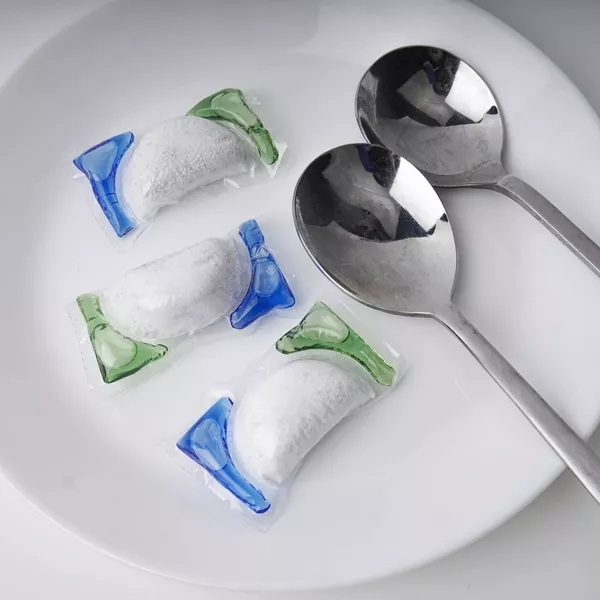
Dishwasher soap pods consist of pre-measured detergent doses encased in a water-soluble polyvinyl alcohol (PVA) film. This design combines powder, gel, or multi-chamber formulas into one convenient unit, eliminating measuring hassles associated with liquids or powders.[3][1]
Pods typically feature separate sections for detergents targeting grease, enzymes breaking down proteins and starches, rinse agents reducing spots, and bleaching components for stains. The PVA coating dissolves fully during cycles, releasing contents precisely when needed. Manufacturers engineer pods to outperform traditional detergents by minimizing filming on glassware and enhancing overall cleaning power.[4][3]
Dishwasher pods streamline routines with exact dosing, reducing overuse that leads to excess suds or residue. They excel at preventing film buildup, a common issue with powders or gels, and often include built-in rinse aids for faster drying and spot-free results.[2][1]
Studies and user tests show pods deliver superior cleaning on tough soils compared to loose detergents. Their compact form cuts packaging waste per load while maintaining high efficacy across various water temperatures. For busy households, this convenience translates to consistent performance without guesswork.[3][4]
Pods activate when water contacts the dispenser during the main wash phase. The film breaks down at specific temperatures, typically above 120°F, dispersing enzymes, surfactants, and builders evenly through spray arms.[1][4]
This timed release aligns with cycle stages: pre-rinse clears loose debris, main wash tackles embedded soils, and rinse removes remnants. Disruptions in timing, like early exposure, weaken this process, leading to incomplete cleaning. Understanding mechanics highlights why location matters immensely.[2][3]
Dishwashers operate in sequenced phases, with dispensers engineered to open post pre-rinse. Placing pods elsewhere exposes them to water prematurely, diluting potency before peak cleaning occurs.[4][1]
Incorrect spots hinder water circulation, potentially clogging filters or spray arms with undissolved bits. Over time, concentrated chemicals erode seals, gaskets, and heating elements. Consistent proper use preserves efficiency and avoids costly repairs.[2][3]
No, soap pods should never go in the bottom of the dishwasher. Manufacturers unanimously advise against it, as pods dissolve instantly upon water contact, wasting detergent during pre-rinse instead of main wash.[1][4][2]
This error causes several issues: residue clings to dishes, creating cloudy films or streaks; efficiency drops since active ingredients disperse too soon; and direct contact corrodes metal racks or plastic components. Always consult your model's manual, but standard guidance specifies the detergent dispenser.[3][4]
Dropping pods at the bottom triggers immediate dissolution in the initial rinse, rendering them ineffective for grease and stains later. Dishes emerge greasy or spotted, frustrating users expecting sparkling results.[1][3]
Repeated misuse builds up scum in filters, straining pumps and reducing flow. Harsh chemicals pit surfaces, accelerating wear on bearings and arms. In hard water areas, this compounds mineral deposits, demanding frequent deep cleans.[4][2]
Follow these steps for flawless execution:
1. Load dishes properly: angle plates inward, space glasses, place utensils handles-down.
2. Dry hands, open the dispenser on the door interior—ensure it's clean and dry.
3. Insert one pod without tearing; close lid securely until it clicks.
4. Add rinse aid if pods lack it, maintaining full reservoir.
5. Select cycle matching load soil level, then start.[2][4][1]
This method delays activation until optimal conditions, maximizing contact with soils. For models with pod-specific slots, use those per manual instructions.[3]

Undissolved pods signal issues like cold inlet water, blocked dispensers, or overloaded racks. Run sink hot water first to preheat supply lines, ensuring cycles hit required temperatures.[1][3]
Clean spray arms by removing and poking nozzles clear; inspect filters monthly for debris. In hard water zones, deploy vinegar cycles quarterly to dissolve scale impeding flow. Switch brands if film persists, opting for low-temp formulas.[4][2]
For abbreviated washes, some manuals permit bottom placement to compensate for rushed timing, but dispensers remain preferred. Pods may not fully disintegrate in under 30 minutes, risking chunks.[3][4]
Prioritize full cycles for pods; quick modes suit light loads with compatible detergents. Test small runs, monitoring for residue before committing.[1]
Pods edge out powders by avoiding dust inhalation and gels by preventing spills. However, powders suit very hard water better, dissolving reliably in older units.[3]
| Detergent Type | Pros | Cons | Best For |
|---|---|---|---|
| Pods whirlpool | Pre-measured, multi-function, low filming | Higher cost, temp-sensitive | Modern machines, convenience seekers |
| Powder puracy | Economical, hard water tolerant | Messy, over-dosing risk | Budget users, old dishwashers |
| Liquid/Gel maytag | Quick dissolve, adjustable dose | Sticky handling, residue prone | Variable loads, septic systems |
Keep pods in cool, dry cabinets away from humidity to preserve film integrity. Avoid wet hands during handling to prevent premature sticking.[4][1]
Childproof storage is essential; pods resemble candy and pose ingestion risks, causing severe gastrointestinal harm. Pet-proof similarly, as curiosity leads to incidents. Shelf life spans 12-15 months; discard if discolored or bloated.[3]
Sustainable pods use plant-based PVA and biodegradable fillers, minimizing ocean impact. Refillable systems cut plastic further.[3]
Look for certifications like EPA Safer Choice. Pair with energy-efficient cycles for lower water and power use, balancing clean dishes with environmental care.[4]
- Cloudy glasses: Boost rinse aid, descale with citric acid.
- White film: Reduce pod use, check water softener.
- Odors: Empty promptly, run empty hot cycles monthly.
- Spots: Improve drying options, ensure pod compatibility.[2][1]
Regular maintenance amplifies pod performance across all scenarios.
Can soap pods go in bottom of dishwasher? Absolutely not—use the detergent dispenser for timed release and peak efficiency. This practice yields spotless dishes, safeguards your appliance, and avoids common pitfalls like residue or damage.
Mastering pod use transforms dishwashing into a reliable chore. Adhere to manuals, maintain your unit, and enjoy hassle-free results every cycle.
Residue occurs from cold water, blocked arms, or early dissolution. Preheat water, clean components, and verify dispenser function for full activation.[1][3]
One pod handles standard loads; avoid extras to prevent sudsing and clogs. Heavily soiled? Opt for intensive cycles instead.[2][4]
Most yes, but check manuals—older units may prefer powders. Compact models work if dispensers fit.[3]
Some include it, but supplementing prevents spots, especially in hard water. Keep reservoirs topped.[2][1]
Clean debris, ensure pod fits without bursting. Manual overrides exist for some models; consult support.[4]
[1](https://www.whirlpool.com/blog/kitchen/how-to-use-dishwasher-pods.html)
[2](https://www.maytag.com/blog/kitchen/how-to-use-dishwasher-pods.html)
[3](https://puracy.com/blogs/cleaning-tips/how-to-use-dishwasher-pods-correctly-for-best-results)
[4](https://www.kitchenaid.com/pinch-of-help/major-appliances/how-to-use-dishwasher-pods.html)
[5](https://www.youtube.com/watch?v=Yoxy-hR5bVE)
[6](https://www.youtube.com/watch?v=auhGOs7ZusI)
[7](https://www.youtube.com/watch?v=T9rzJ9wKJrs)
[8](https://www.reddit.com/r/Home/comments/u7mnw1/was_wondering_if_this_was_the_correct_spot_to_put/)
[9](https://www.youtube.com/watch?v=o9DQ33FvNYg)
[10](https://www.youtube.com/watch?v=ijBxKkSqkXI)


