
Views: 222 Author: Tomorrow Publish Time: 11-24-2025 Origin: Site


Content Menu
● Can You Use Gel Pods in Any Dishwasher?
● Potential Drawbacks of Gel Pods
● Best Practices for Using Gel Pods
● Are Gel Pods Safe for Dishwashers?
● Gel Pods vs. Other Detergent Types
● Troubleshooting Common Gel Pod Issues
● FAQ
>> 1. Can I use gel pods in any dishwasher?
>> 2. Where do I put the gel pod in my dishwasher?
>> 3. What happens if my pod doesn't dissolve fully?
>> 4. Are gel pods better than powder detergent?
>> 5. Can I use laundry pods in my dishwasher?
Dishwasher gel pods have become widely popular for their convenience and ease of use. Many homeowners prefer them because of the pre-measured detergent and hassle-free application. But the question remains: can you use gel pods in your dishwasher effectively? This article explores the ins and outs of using gel pods, how they work, the benefits and potential drawbacks, and practical guidance for their use to ensure sparkling clean dishes.
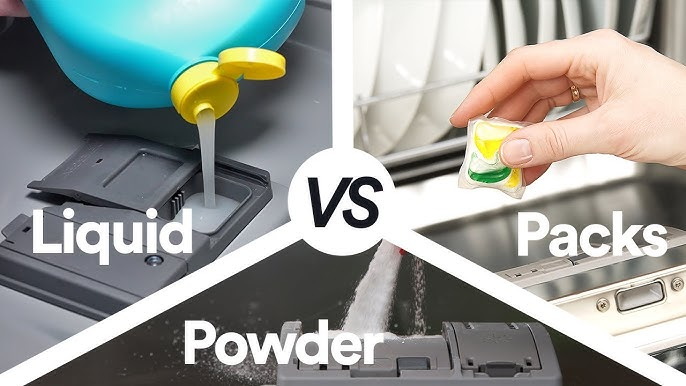
Gel pods are a form of dishwasher detergent encapsulated within a water-soluble film, usually made of polyvinyl alcohol (PVA). Inside the pod, gel detergent and cleaning agents are combined in a precise, pre-measured dose for one wash cycle. This encapsulation keeps the detergent fresh and intact until it dissolves during the dishwasher cycle. Gel pods are part of the broader category of dishwasher pods that can also include powder or a mix of powder and gel detergents.
Once placed in the dishwasher's detergent compartment, the gel pod dissolves as the dishwasher fills with water during the wash cycle. The water-soluble film breaks down rapidly, releasing the gel detergent to attack grease, stains, and food residues on your dishes. The gel in the pod often acts quicker than powder detergents, dissolving effectively in warm water to ensure thorough cleaning.
Most modern dishwashers are compatible with gel pods. However, it is important to follow manufacturer recommendations:
- Placement: Always place the gel pod in the detergent dispenser compartment, not loose inside the dishwasher tub or silverware basket. This ensures the pod dissolves at the correct time during the cycle for optimum cleaning.
- Check your manual: Some dishwashers may have specific detergent compatibility guidelines. Review the user manual to avoid voiding warranty or causing damage.
- Water temperature: For the pod to dissolve correctly, dishwasher water temperature should generally be at least 49°C (120°F). Lower temperatures or short cycles may result in incomplete dissolution.
Gel pods offer several advantages over powdered or liquid detergents:
- Convenience: No measuring or spills. You just place one pod in the detergent compartment.
- Consistent dosing: Each pod contains the exact amount needed for a load, preventing detergent waste.
- Less residue: Gel pods often leave fewer detergent residues on dishes compared to powders.
- Integrated additives: Many gel pods include rinse aids and water softeners, enhancing drying performance and reducing spots.
- Compact and tidy: Pods take up less storage space and reduce the mess of handling powders or liquids.
Despite their benefits, gel pods have some disadvantages:
- Cost: Gel pods tend to be more expensive per wash cycle than powder detergents.
- Dissolving issues: Some pods may not dissolve fully in cooler water or abbreviated cycles, potentially leaving a sticky residue.
- Less flexibility: You cannot adjust detergent amounts for extra dirty or lightly soiled loads.
- Environmental concerns: Although pods use water-soluble films, packaging and production can have greater environmental impacts compared to bulk powders.
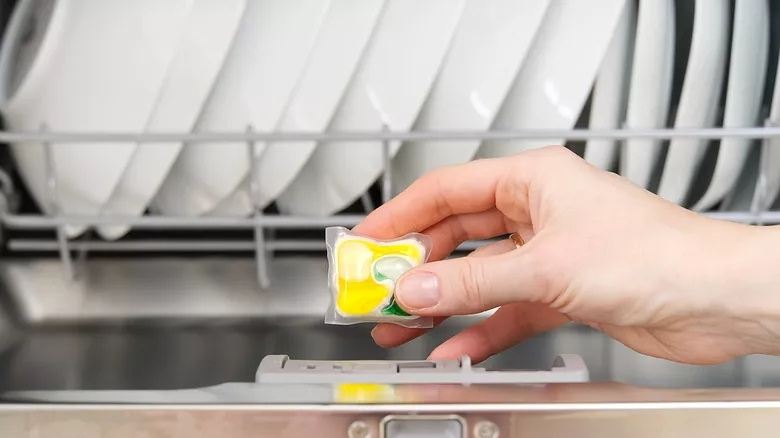
To get the most out of gel pods and ensure a spotless clean, keep these tips in mind:
- Keep hands and compartment dry before placing the pod; moisture can cause the pod to stick and dissolve prematurely.
- Close the detergent compartment lid securely to hold the pod in place until the wash cycle.
- Run the dishwasher on an appropriate cycle, ideally with water temperatures at or above 120°F for full pod dissolution.
- Avoid putting pods directly into the dishwasher tub or silverware holder to prevent early dissolving and ineffective cleaning.
- Supplement rinse aid usage if your pods do not contain enough, to improve drying and reduce spotting.
- Load dishes properly to allow water to circulate freely and prevent the pod from sticking to a dish when released.
Yes, gel pods designed for dishwashers are safe when used correctly. They are formulated to clean effectively without harming dishwasher components. The PVA coating dissolves harmlessly within the wash cycle. Be sure not to substitute with other types of pods like laundry detergent pods, which contain unsuitable chemicals for dishwashers and may cause damage or excessive suds.
| Criteria | Gel Pods | Powder Detergent | Tablets |
|---|---|---|---|
| Convenience | Very high (pre-measured pods) | Moderate (need measuring) | High (pre-measured tablets) |
| Cleaning effectiveness | Good, but may vary with water temp | Generally effective, esp. tough stains | Often strongest, esp. for heavy-duty cleaning |
| Risk of residue | Lower compared to powder | Higher risk of powder residue | Low to moderate |
| Cost per load | Higher | Lower | Moderate to high |
| Environmental impact | Mixed (water-soluble film, packaging) | Often lower waste in bulk buying | Mixed (packaging) |
| Flexibility in dosing | None | High (can adjust amount) | None |
If you notice your pods are not dissolving properly or leaving residue, consider:
- Water temperature may be too low—use a hotter cycle.
- Dishwashers that run shorter cycles may not give enough time for pods to dissolve fully.
- Pods exposed to moisture before use can stick to the compartment and not dispense properly.
- Overloading or improper loading of dishes can obstruct water flow and pod dissolution.
Gel pods offer a convenient, mess-free way to detergent for dishwashing that works well in most modern dishwashers, especially when used under the right conditions. Ensuring water temperature is adequate and placing the pod in the detergent compartment rather than loose in the dishwasher are key factors for success. While they typically cost more than powders and tablets, their ease of use and consistent dosing appeal to busy households. For the best cleaning results, always consult your dishwasher manual, select the appropriate cycle, and supplement with rinse aid when necessary.
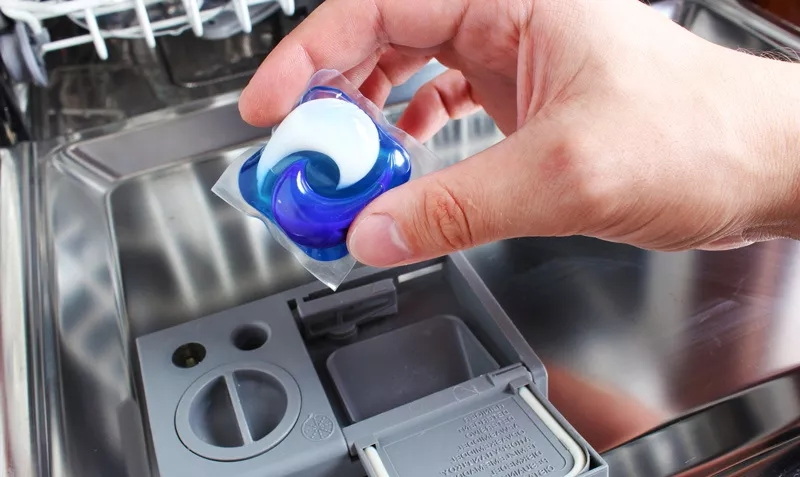
Most modern dishwashers accommodate gel pods, but check your dishwasher's manual to confirm detergent compatibility and placement instructions.[1][3]
Place the pod dry and intact in the detergent compartment with the lid closed. Avoid putting pods loose in the dishwasher tub or utensil basket.[2][6]
This usually means the water temperature was too low, or the cycle was too short. Using a hotter cycle and proper placement can fix this.[3][5]
Gel pods are more convenient and can reduce residue but are often more expensive and less flexible for adjusting detergent amounts than powders.[9][1]
No. Laundry pods contain chemicals not meant for dishwashers and can cause damage or excessive sudsing.[11][1]
[1](https://www.whirlpool.com/blog/kitchen/how-to-use-dishwasher-pods.html)
[2](https://www.kitchenaid.com/pinch-of-help/major-appliances/how-to-use-dishwasher-pods.html)
[3](https://d3appliance.com/dishwasher-repair/how-to-use-dishwasher-pods-correctly/)
[4](https://www.maytag.com/blog/kitchen/how-to-use-dishwasher-pods.html)
[5](https://www.consumerreports.org/appliances/dishwasher-detergents/buying-guide/)
[6](https://www.southernliving.com/where-to-put-dishwasher-pod-6831184)
[7](https://www.nytimes.com/wirecutter/guides/how-to-use-your-dishwasher-better/)
[8](https://www.reddit.com/r/Home/comments/u7mnw1/was_wondering_if_this_was_the_correct_spot_to_put/)
[9](https://www.vandykeappliance.com/blog/dishwasher-detergent-comparison)
[10](https://www.youtube.com/watch?v=auhGOs7ZusI)
[11](https://www.reddit.com/r/CleaningTips/comments/1hpde8q/can_i_use_dishwasher_pods_in_my_new_dishwasher/)


