
Views: 222 Author: Tomorrow Publish Time: 01-17-2026 Origin: Site


Content Menu
● What This Dishwashing Guide Covers
● Why Follow Proper Dishwashing Steps
● 3: Fill Sink or Basin with Warm Water
● 4: Apply Dishwashing Detergent
● 5: Wash Dishes in the Right Order
● 6: Rinse Thoroughly with Clean Water
● Recommended Dishwashing Sequence Overview
● Expert Tips for Safer, More Hygienic Dishwashing
● Choosing the Right Dishwashing Detergent
● Handwashing vs Machine Dishwashing
● How Water Quality Affects Dishwashing
● Common Dishwashing Mistakes to Avoid
● Best Tools and Accessories for Dishwashing
● Partner with a Professional Dishwashing Detergent OEM
● Call to Action: Develop Your Next Dishwashing Product with Us
>> 1. How hot should the water be for hand dishwashing?
>> 2. Do I need to rinse dishes if I use premium detergent?
>> 3. Which should I wash first: glasses or pots?
>> 4. How often should I change my dishwashing sponge?
>> 5. Can the same detergent be used for both handwashing and dishwashers?
Washing dishes the right way is not just about cleanliness; it is about hygiene, safety, and protecting your kitchenware for the long term. This enhanced guide explains the 7 steps in washing dishes, adds expert tips for different dishwashing scenarios, and shows how to choose the best dishwashing detergent for consistent, professional-level results.
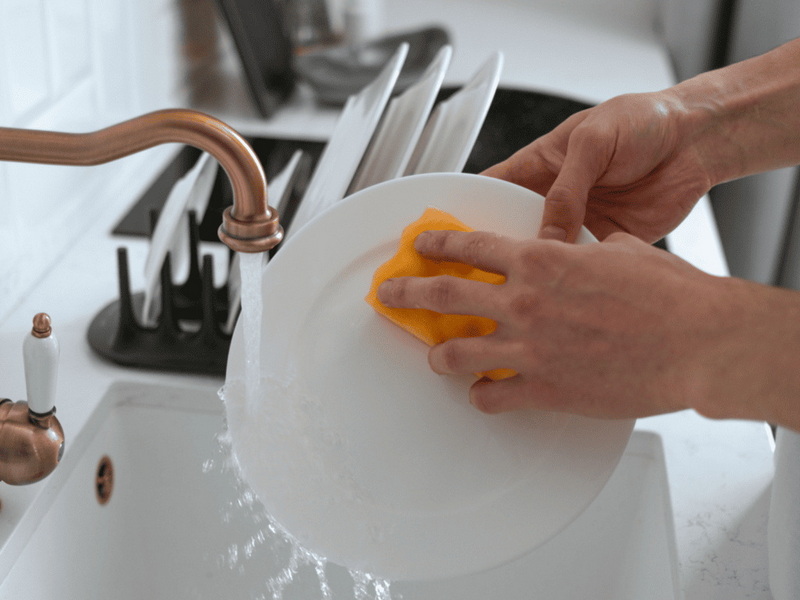
This guide is designed for home users, hotel kitchens, and food-service operators who want a clear, efficient, and hygienic dishwashing routine. It explains each step in detail and adds expert sections on water temperature, detergent selection, and sanitation best practices.
Following a clear, repeatable dishwashing process brings several practical benefits:
- Better hygiene: Correct washing and rinsing significantly reduce bacteria, grease, and food residues that can cause odors or cross-contamination.
- Resource efficiency: A structured process reduces wasted water, detergent, and time compared with random washing habits.
- Longer dish life: Suitable tools and temperatures help avoid scratching, clouding, and warping of dishes, glassware, and cookware.
- Consistent results: When every load follows the same steps, dishes are predictably clean, shiny, and safe for use.
The first step in washing dishes is to remove loose food and surface residues. Hold plates, bowls, and cutlery under running water to rinse away rice, crumbs, and sauces.
Avoid very high-pressure jets on delicate glassware to prevent chipping. A proper pre-rinse prevents your wash water from becoming dirty too quickly and reduces the risk of sink or drain clogging.
After pre-rinsing, scrape off stubborn or stuck-on food before immersing dishes in soapy water. Use a plastic scraper, spatula, or dish brush to remove dried sauces, baked cheese, or burnt edges.
For pans, soak briefly in warm water to soften heavy residues before scrubbing. This step ensures that detergent can focus on grease and invisible soils instead of thick food chunks.
Next, fill your sink, tub, or dishpan with warm water deep enough to submerge dishes. Warm water helps dissolve fats and oils more effectively than cold water.
Ensure the water is comfortable to touch but not scalding, especially when washing by hand. Maintaining stable water temperature during washing improves detergent performance and reduces streaks or films on glassware.
Once the sink is filled, add dishwashing detergent and mix it evenly into the water. Follow the dosage recommended on the label; using more does not always mean cleaner dishes and can increase residue.
Use a high-quality dishwashing detergent designed for hand dishwashing to remove grease, stains, and food odors efficiently. Professional kitchens and OEM detergent manufacturers often recommend formulas with balanced surfactants, which lift grease while being gentle on skin and dish surfaces.
Now you can wash the dishes using a sponge, brush, or dishcloth. Start with the cleanest items, such as glasses, cups, and cutlery, then move to plates and finally cookware and heavily soiled items.
Scrub in small circular motions and pay attention to corners, rims, handles, and the underside of plates. Working from clean to dirty keeps the water fresher for longer and prevents greasy pans from contaminating delicate glassware.
After washing, rinse each item under clean running water until no visible suds remain. Check that there is no slippery feel on surfaces, which indicates remaining detergent or grease.
For energy saving, use a moderate flow instead of fully open taps, but ensure all soap is removed. Proper rinsing prevents soap spots, streaks, and off-tastes on dishes and glassware.
The final step is to dry dishes safely to avoid recontamination. Place washed dishes on a clean rack to air dry, which minimizes contact and reduces bacterial transfer.
If towel-drying, use a fresh, lint-free cloth devoted to drying dishes only, and change it frequently. Correct drying helps prevent bacterial growth, water spots, and unpleasant odors in cupboards and drawers.
Step | What to Do | Key Tip for Better Results |
1 | Pre-rinse dishes | Remove loose food quickly under running water. |
2 | Scrape food residue | Use a scraper or brush on stuck-on food. |
3 | Fill with warm water | Use comfortably warm water to dissolve grease. |
4 | Add dishwashing detergent | Dose according to the label; avoid overuse. |
5 | Wash dishes in correct order | Start with glasses, then plates, then cookware. |
6 | Rinse thoroughly | Rinse until no suds or slippery feel remain. |
7 | Dry or air dry | Prefer air drying on a clean rack. |
This structured overview makes it easier for both home users and commercial kitchens to standardize a safe, efficient washing routine.
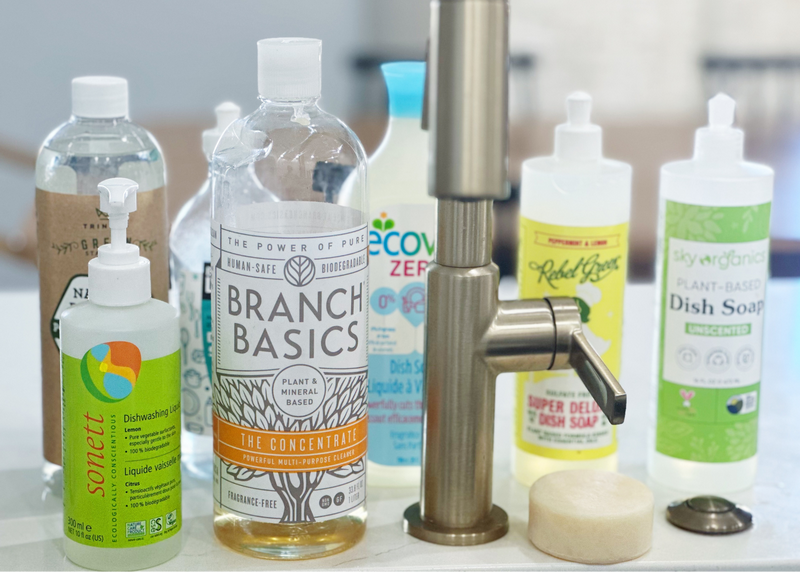
To enhance food safety and hygiene, consider these expert practices during daily dishwashing:
- Separate tools: Use different sponges or brushes for greasy pots and delicate glassware to avoid cross-grease.
- Change sponges frequently: Replace kitchen sponges regularly and disinfect them by drying completely between uses.
- Wash hands: Clean hands before and after dishwashing to reduce the transfer of bacteria to clean dishes.
These habits transform a basic cleaning routine into a reliable hygiene control step in your kitchen.
The quality of your dishwashing detergent has a direct impact on cleaning performance, skin comfort, and environmental footprint. Look for detergents with strong grease-cutting power that still protect skin, especially for frequent hand washers.
Consider low-foam, quick-rinse formulas for commercial kitchens that need faster turnaround and water savings. Professional OEM manufacturers can also customize detergents for specific markets, such as fragrance preferences, eco-friendly formulas, or extra-degreasing power for restaurant use.
While this guide focuses on hand dishwashing, many kitchens use both manual and automatic methods. Handwashing suits delicate glassware, non-dishwasher-safe items, and small daily loads.
Dishwashers handle large volumes, higher sanitizing temperatures, and save time when properly loaded and maintained. For best results, combine proper handwashing techniques with correct use of dishwashing machines, including the right detergent and rinse aid.
Water hardness and quality influence how well your dishwashing detergent works and how clean dishes look. Hard water can leave white spots or film on glasses and plates, even after proper rinsing.
In hard water areas, choose detergents with water-softening ingredients or use additional rinse aids to prevent mineral deposits. Where water is very soft, you may need less detergent to avoid excessive suds and residue.
Even experienced users can make simple mistakes that reduce cleaning quality or damage kitchenware:
- Overloading the sink or drying rack so that water and detergent cannot reach all surfaces.
- Using the same heavily contaminated sponge for both dishes and kitchen surfaces.
- Washing wooden utensils in very hot water for too long, which can warp or crack them.
Avoiding these errors keeps your dishwashing routine effective, safe, and gentle on your cookware.
The right tools make 7-step dishwashing faster and more comfortable. Soft sponges or non-scratch pads are ideal for glass and non-stick cookware.
Use stiffer brushes for pots, pans, and grills with heavy soil. Keep separate plastic scrapers for dry, baked-on residues that should be removed before washing. Regularly clean and replace tools to keep them hygienic and effective in everyday use.
For brands, wholesalers, and importers, a reliable dishwashing detergent OEM partner is essential. An experienced OEM factory can develop customized dishwashing liquids, dishwash powders, or solid detergents suited to different markets and regulations.
Services can include formula development, packaging design, label compliance, and flexible production volumes to support both new and established brands. Working with a specialized OEM manufacturer helps you deliver high-performance dishwashing products that align with your brand positioning and customer expectations.
If you are building or expanding a dishwashing detergent brand, now is the ideal time to upgrade both your product formula and consumer education content. You can use this 7-step dishwashing guide as part of your packaging, website, or instruction leaflets to help end-users wash dishes correctly.
As a professional OEM detergent factory in China, we offer customized dishwashing liquids, powders, and related household cleaning products tailored to your target market. Contact our team today to discuss formulas, fragrances, packaging options, and OEM cooperation details, and let us help you launch or scale a competitive dishwashing product line with stable quality and reliable supply.
Contact us to get more information!
Water should be comfortably warm to dissolve grease but not so hot that it causes skin irritation or makes you rush the process. A temperature that you can keep your hands in for several minutes is usually appropriate for daily dishwashing.
Yes. Even high-quality detergents must be thoroughly rinsed off to avoid residue, taste issues, and potential skin sensitivity. Rinsing also helps prevent film and water spots on glass and stainless steel.
Always start with glasses and lighter-soiled items, then finish with greasy pans and pots to keep wash water cleaner for longer. This sequence improves efficiency and helps protect delicate items from grease transfer and scratches.
Change sponges regularly and let them dry completely between uses, as damp sponges can quickly grow bacteria in kitchen environments. If the sponge smells unpleasant or loses its structure, replace it immediately.
No. Hand dishwashing liquids and automatic dishwasher detergents are formulated differently and are not interchangeable for safety and performance reasons. Using the wrong product can cause excessive foam, poor cleaning results, or even damage to your dishwasher.
1. https://vigour-group.com/insights/7-steps-in-washing-dishes-effective-dishwashing-guide-2025/
2. https://vigour-group.com/insights/
3. https://vigour-group.com/
4. https://vigour-group.com/insights/household-cleaning/
5. https://vigour-group.com/insights/tag/detergent/


