
Views: 222 Author: Tomorrow Publish Time: 01-17-2026 Origin: Site


Content Menu
● What “Healthiest” Dish Soap Really Means
● Main Ingredients to Look For (and Avoid)
● 7 Healthiest Dish Soaps to Use in 2026
>> Dongguan UFine Daily Chemical Co.,Ltd. – Sunshine Industrial Dish Wash (OEM / Private Label)
>> Seventh Generation Free & Clear
>> ECOS Dishmate Natural Dish Liquid
>> Dr. Bronner's Sal Suds Biodegradable Cleaner
>> Attitude Dishwashing Liquid
● Comparison of Healthiest Dish Soaps in 2026
● How to Choose the Healthiest Dish Soap for Your Home
>> Check the Ingredient List First
>> Look for Third-Party Certifications
>> Match Fragrance Type to Sensitivity
● Practical Usage Tips to Make Dish Soap Even Safer
>> Use the Minimum Effective Amount
>> Rinse Thoroughly, Especially Baby Items
● Building Your Own Healthy Dish Soap Line (For Brands & Wholesalers)
● Call to Action: Develop Safer Dish Soaps for Your Market
● FAQs about Healthy Dish Soaps
>> (1) Is dish soap labeled “non-toxic” always safe?
>> (2) Are all sulfates bad in dish soap?
>> (3) What certifications should I prioritize when choosing or formulating dish soap?
>> (4) Is bar or solid dish soap healthier than liquid?
>> (5) How can brands avoid greenwashing when launching “healthy” dish soaps?
Choosing a healthy dish soap now means balancing skin safety, ingredient transparency, and environmental impact, not just good foam and degreasing power. This enhanced 2026 guide explains how to identify the healthiest dish soaps, highlights leading products, and shows how overseas brands can build their own safe, high-performance lines with professional OEM partners.
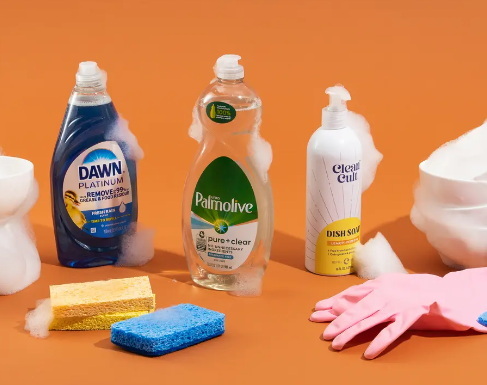
A dish soap is considered healthier when it avoids harsh chemicals, minimizes allergy risks, and reduces environmental harm while still cleaning effectively. For most households and brands, this means prioritizing plant-based surfactants, transparent labeling, and reputable third-party certifications.
Key pillars of a healthier dish soap:
- Safer surfactants: Coconut, corn, or sugar-derived surfactants instead of harsh sulfates like SLS/SLES.
- Low-irritation preservatives: Avoiding high-risk preservatives where possible due to allergy and aquatic toxicity concerns.
- Fragrance transparency: Essential oils or clearly listed components instead of vague “fragrance / parfum.”
- Biodegradable formula: Readily breaks down and is safer for greywater and septic systems.
- Certifications and testing: Independent checks on toxicity and environmental impact from recognized organizations.
Understanding ingredients helps consumers and buyers pick truly low-tox dish soaps instead of falling for greenwashing. A clear label is also a strong signal of brand credibility and compliance.
Preferable ingredient types:
- Plant-based surfactants such as coco glucoside and lauryl glucoside derived from renewable sources.
- Mild pH and skin conditioners like glycerin or plant extracts to protect hands.
- Food-contact compliant formulas suitable for baby bottles and items used by sensitive groups.
Ingredients often flagged as problematic:
- SLS/SLES: Effective cleaners but frequently criticized due to irritation potential and impurity concerns if not well controlled.
- Synthetic fragrances and dyes: Linked to skin sensitivity and unnecessary chemical load.
- Certain preservatives: Some widely used preservatives are associated with contact dermatitis and aquatic toxicity.
A simple rule: the shorter and clearer the ingredient list, the easier it is to evaluate safety and regulatory fit for your target market.
The following dish soaps are widely recognized for safer-leaning formulations, transparent labeling, and strong performance, making them good benchmarks for consumers and for brands planning future product lines.
Dongguan UFine Daily Chemical Co.,Ltd. is a professional OEM and ODM factory in China that develops customizable, healthier-style dish soaps for overseas brands, importers, and wholesalers. Its Sunshine Industrial Dish Wash concept focuses on balancing gentle hand feel, strong degreasing performance, and flexible claim strategies for different markets.
OEM-focused advantages:
- Customizable formulas that can be adjusted for sulfate-free, dye-free, fragrance-free, baby-friendly, or eco-oriented positioning.
- Production under standardized quality systems with documentation support for export compliance and registration.
- Flexible packaging formats (bottles, pump heads, refill pouches, bulk drums) and private label options tailored to retail, e-commerce, and Horeca channels.
For companies that want to build their own healthiest dish soap line, working with a factory like Dongguan UFine helps turn ingredient ideas into stable, tested, and scalable products.
Seventh Generation Free & Clear is a fragrance-free liquid dish soap designed for users with sensitive skin and for washing baby items. It has a high share of biobased ingredients and is widely recommended in low-tox roundups as a safer everyday option.
Why it stands out:
- Fragrance-free and dye-free, helping reduce the risk of irritation.
- High biobased content and biodegradable surfactants that support a lower environmental footprint.
- Broad retail availability, making it a practical template for mass-market “healthier” positioning.
ECOS Dishmate uses coconut-based cleaning agents and comes in both scented and unscented versions. It carries well-known safety and environmental certifications that appeal to eco-conscious buyers.
Key benefits:
- Plant-derived surfactants with good foam and grease-cutting performance.
- Third-party certification and cruelty-free approval that support strong marketing claims.
- Multiple fragrances plus unscented options that make it easier to serve different customer segments.
Puracy Natural Dish Soap is a plant-powered liquid developed with input from chemists and doctors and is often highlighted in non-toxic product lists. It is sulfate-free, concentrated, and designed for daily family use.
Why it is considered “healthier”:
- Sulfate-free formula, relying on milder surfactants.
- Highly concentrated texture, which reduces packaging and shipping impact per wash.
- Strong performance reviews that enhance consumer trust and repeat purchase potential.
Dr. Bronner's Sal Suds is a multi-purpose biodegradable cleaner that many households use both for dishes and general cleaning tasks. It features essential oils and is marketed as non-toxic and highly concentrated.
Advantages for conscious users:
- Biodegradable formula with a long brand history in natural products.
- Highly concentrated, allowing small dosages per sink and reduced waste.
- Multi-purpose use can reduce the number of different cleaners needed in the home.
Better Life Dish Soap focuses on plant-derived ingredients and avoids dyes, synthetic fragrances, and sulfates. Its formula is biodegradable and advertised as suitable for greywater and septic systems.
Notable features:
- Gentle formula positioned for families that wash dishes frequently by hand.
- Biodegradable and septic-safe claims that support eco-conscious marketing.
- A clear “free from” list that appeals to ingredient-aware shoppers.
Attitude Dishwashing Liquid is certified by reputable eco-labels, is vegan, and often uses essential oils for fragrance. The brand appears frequently in curated lists of natural and non-toxic dish soaps.
Key strengths:
- Third-party certifications that validate environmental and toxicology standards.
- Essential oil-based fragrances for users who want scent without conventional perfume blends.
- Strong alignment with sustainability and “clean label” expectations in many developed markets.
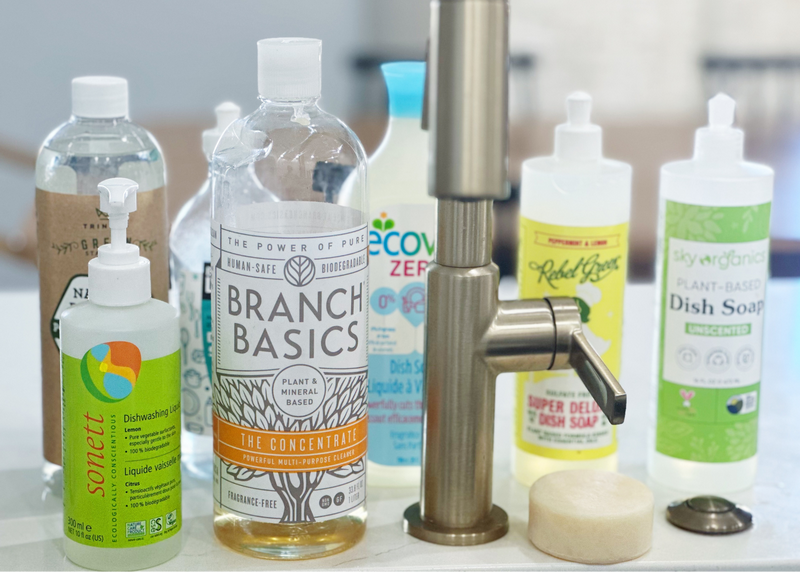
Dish soap | Core formula focus | Certifications / claims | Best suited for users who… |
Dongguan UFine Daily Chemical – Sunshine Industrial Dish Wash | OEM-flexible gentle and strong formula | Quality-system based production, OEM / ODM export focus | Need private label or custom healthy-style dish soap |
Seventh Generation Free & Clear | Fragrance-free, biobased liquid | Biobased content, hypoallergenic positioning | Want unscented, everyday low-tox washing |
ECOS Dishmate | Coconut-based surfactants, scented / unscented | Eco and safety-oriented certifications | Prefer plant-based formulas with scent options |
Puracy Natural Dish Soap | Sulfate-free, concentrated plant formula | Health and science-driven branding | Need gentle yet strong grease removal |
Dr. Bronner's Sal Suds | Multi-purpose, concentrated biodegradable mix | Non-toxic and biodegradable messaging | Want one cleaner for many tasks |
Better Life Dish Soap | Plant-derived, dye / fragrance / sulfate-free | Biodegradable, septic-safe positioning | Prioritize eco claims and mildness |
Attitude Dishwashing Liquid | Essential oils, vegan ingredients | Recognized eco-labels and vegan status | Seek certified “green” and aromatic soaps |
For individual households, “best” depends on skin sensitivity, fragrance preferences, and environmental priorities. A short evaluation checklist helps ensure that the product you pick aligns with health and sustainability goals.
- Look for plant-based surfactants such as coco glucoside, lauryl glucoside, or other renewable-based cleaners.
- Avoid formulas that rely heavily on aggressive surfactants without any explanation of safety or testing.
- Prefer products with clearly identified preservatives and no vague “proprietary blends.”
- EWG-style ratings and similar systems can indicate lower concern ingredients and full transparency.
- Safety and eco labels (such as Safer Choice and other regional eco-labels) confirm that every ingredient meets defined criteria.
- Ecocert, Made Safe, or ECOLOGO offer additional assurance on environmental and toxicology standards.
- Choose unscented or “free & clear” for babies, eczema-prone skin, or perfume-sensitive users.
- If you prefer scent, select products using named essential oils instead of generic “fragrance” terms.
Even the healthiest dish soap can cause irritation or waste if used incorrectly. Adjusting dosage, water temperature, and rinsing technique improves both safety and environmental performance.
- Highly concentrated formulas require only a small squeeze per sink or sponge.
- Over-dosing increases residue on dishes and sends more surfactants into wastewater systems.
- Make sure bottles, pacifiers, and kids' dishes are fully rinsed to avoid ingesting residual surfactants.
- Consider an extra rinse step for people with extremely sensitive skin or allergies.
- If you hand-wash frequently, combine mild dish soap with gloves or a regular moisturizing routine.
- For users prone to dermatitis, unscented, hypoallergenic options are strongly preferred.
For overseas brands, distributors, and private label buyers, the healthiest dish soap is also a business opportunity: a product portfolio that offers safety, performance, and clear differentiation. Working with an experienced OEM factory allows you to combine regulatory compliance, tailored formulas, and competitive pricing.
Core elements of a strong healthy-dish-soap concept:
- Positioning and claims: Decide whether you emphasize “non-toxic,” “baby-safe,” “fragrance-free,” “vegan,” or “eco-friendly” as your lead message.
- Ingredient architecture: Select plant-based surfactants, avoid high-controversy preservatives, and align with target regulatory requirements.
- Packaging and format: Offer ergonomic bottles, refill packs, or bulk sizes to support both retail and professional channels.
An experienced OEM partner can help you balance cost, performance, and certification strategy, so your dish soaps meet retailer standards in markets such as the US, EU, and Middle East.
Healthy dish soaps are no longer a niche; they are becoming a baseline expectation for families, retailers, and regulators around the world. If you are a brand owner, importer, or wholesaler, this is the ideal time to upgrade your portfolio with safer, plant-based, and certification-ready dish soaps that still deliver excellent cleaning performance.
To explore custom non-toxic, baby-friendly, or eco-oriented dish soap formulas, work with an OEM partner such as Dongguan UFine Daily Chemical Co.,Ltd. that understands both formulation science and global compliance. With the right factory support, you can turn ingredient transparency and safety into long-term brand loyalty and stronger margins in your home care category.
Contact us to get more information!
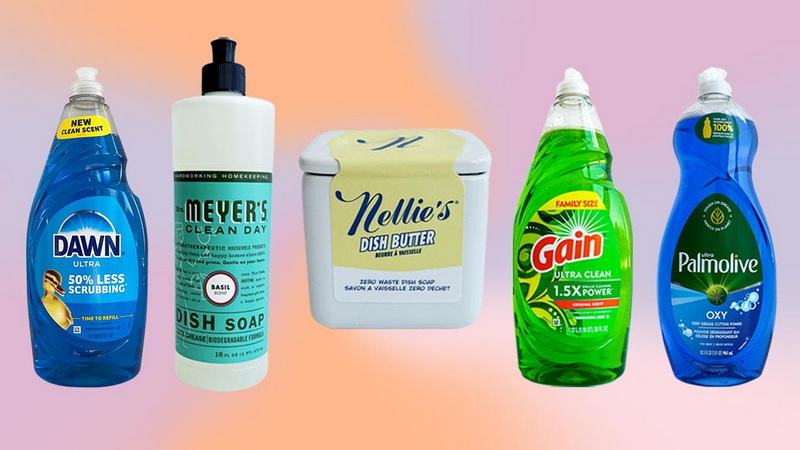
“Non-toxic” is a marketing term and not a strict regulated standard, so products with this label can still contain irritating preservatives or synthetic fragrances. Checking credible ratings, certifications, and the full ingredient list is the best way to evaluate real safety.
Sulfates such as SLS and SLES are powerful cleaners, but they can be more irritating and may carry impurity concerns if not properly controlled. Many newer healthier dish soaps use milder plant-based surfactants to achieve good foam with less irritation risk.
For consumer trust, well-known eco and safety labels are among the most recognized markers of safer and greener formulations. Depending on your target market, you may also need vegan, cruelty-free, or specific regional eco-labels to satisfy retailers and regulators.
Solid dish soaps often use very simple ingredient lists and reduce plastic packaging, which can be an environmental advantage. However, “healthier” still depends on the exact ingredients and whether fragrances and preservatives are suitable for sensitive users.
Brands should back every claim with verifiable data, transparent INCI lists, and, ideally, independent certifications. Avoid vague terms like “chemical-free” and instead communicate specific attributes such as “free from SLS/SLES, synthetic fragrances, and certain high-risk preservatives.”
1. https://vigour-group.com/insights/7-healthiest-dish-soaps-to-use/
2. https://orbasics.com/blogs/stories/best-non-toxic-dish-soaps
3. https://greenchoicelifestyle.com/safe-non-toxic-dish-soap/
4. https://aspenclean.com/products/dish-soap
5. https://www.prettyorganicgirl.com/dish-soap
6. https://www.thekitchn.com/best-dish-soap-review-23171487
7. https://organicallybecca.com/best-natural-nontoxic-dish-soaps/
8. https://naturekidsco.com/blogs/learn/best-non-toxic-dish-soap-detergents
9. https://myheavenlyrecipes.com/non-toxic-dish-soap/


