
Views: 222 Author: Tomorrow Publish Time: 01-11-2026 Origin: Site


Content Menu
● What “Non-Toxic” Dishwasher Detergents Mean
● Why These Products Matter in 2026
● Ingredients to Avoid and Prefer
>> Ingredients Commonly Avoided
>> Safer, Performance-Oriented Ingredients
● 10 Best Non-Toxic Dishwasher Detergent Concepts for 2026
>> 1. Plant-Based Dishwashing Liquid for Food-Contact Surfaces
>> 2. Fragrance-Free Gel Detergent
>> 3. Phosphate-Free Dishwasher Tablets
>> 4. Concentrated Enzyme-Rich Pods
>> 5. Unscented Powder with Minimal Additives
>> 6. Plant- and Mineral-Based Detergent with Family-Friendly Branding
>> 7. Free and Clear Powder with Oxygen Boosters
>> 8. Hypoallergenic Tablets with Plant-Derived Surfactants
>> 9. High-Performance “Free and Clear” Mainstream Tablets
>> 10. Low-Waste Tablets with Reduced Plastic Packaging
● How to Choose the Best Option for Your Market
● OEM and Private Label Considerations
● How to Brief an OEM Factory Effectively
● Targeted Call to Action for Brand Owners, Wholesalers, and Importers
● FAQs About Non-Toxic Dishwasher Detergents
>> 1. What makes a dishwasher detergent “non-toxic”?
>> 2. Are non-toxic dishwasher detergents as effective as conventional products?
>> 3. Do non-toxic detergents work in hard water?
>> 4. Are non-toxic dishwasher detergents safer for children and people with allergies?
>> 5. How can brands or wholesalers develop their own non-toxic dishwasher detergent line?
Non-toxic dishwasher detergents are now a strategic product category for household brands, importers, and OEM partners that want safer, greener dish care solutions in 2026. This guide explains what “non-toxic” means in practice, how to evaluate ingredients and certifications, and how to select both suitable products and capable OEM factories behind them.[1][2][3]

Non-toxic dishwasher detergents are formulated to avoid ingredients linked with skin irritation, endocrine disruption, or environmental toxicity, while still delivering strong cleaning performance. Most use plant-based surfactants, mineral boosters, and biodegradable builders instead of phosphates, chlorine bleach, and synthetic fragrances.[2][3]
Key characteristics of non-toxic dishwasher detergents include:[4]
- Reduced or zero phosphates, chlorine, ammonia, formaldehyde, and optical brighteners.
- Limited or no synthetic dyes and artificial fragrances, often replaced by essential oils or kept fragrance-free.
Consumer awareness about chemical exposure from cleaning products has grown rapidly, especially among families with children and pets. Many retailers and e-commerce platforms now promote eco-labels and low-toxicity scores as core selling points, directly influencing product visibility and sales.[5][6][1][2]
For brand owners and OEM buyers, this trend creates a double opportunity: capture health- and eco-conscious consumers while differentiating dish care SKUs in a crowded market.[4][1]
Knowing what to avoid is essential when screening formulas or OEM proposals. Frequently highlighted “red flag” ingredients include:[6][4]
- Phosphates (for example, sodium tripolyphosphate): Contribute to waterway eutrophication and face restrictions in many regions.[3][4]
- Chlorine bleach and chlorine-releasing agents: Can irritate eyes, skin, and respiratory systems.[4][5]
- Formaldehyde donors and certain preservatives: Associated with allergy and sensitization risks.[6][4]
- Synthetic fragrances with undisclosed components: May contain phthalates or common allergens.[7][6]
Non-toxic dishwasher detergents typically rely on safer but effective components.[3]
- Plant-based surfactants: Derived from coconut, corn, or sugar-based raw materials to lift grease and food residues.[8]
- Enzymes (protease, amylase, lipase): Improve removal of protein, starch, and fat at lower temperatures and shorter cycles.[2]
- Citric acid and similar organic acids: Help control limescale and spotting, especially in hard water.[3]
- Mineral boosters such as sodium carbonate and baking soda: Support pH and cleaning power without harsh builders.[8]
| Aspect | Conventional Dishwasher Detergent | Non-Toxic Dishwasher Detergent |
|---|---|---|
| Builders | Often phosphate-based, higher eutrophication risk terragaia+1 | Phosphate-free; uses citrates or carbonates |
| Bleaching system | May contain chlorine or strong oxidizers | Oxygen-based or relies on enzymes and surfactants |
| Fragrance and dyes | Synthetic blends with possible allergens | Essential oils, low-allergen or fragrance-free, no added dyes |
| Biodegradability | Variable, sometimes limited | High biodegradability claims and third-party checks |
| Packaging format | Larger plastic jugs or bulky boxes | Tablets, powder, or concentrates with reduced plastic |
This section outlines ten representative non-toxic dishwasher detergent concepts that align with current ingredient expectations and market trends. The sequence emphasizes formula style, safety profile, and relevance across different regions.[2][8]
A plant-based dishwashing liquid designed for utensils, tableware, and fresh produce is highly attractive in markets focused on food-contact safety. When surfactants, preservatives, and pH are balanced, this style can handle oils and everyday soils while remaining gentle on skin.[3]
Key benefits:
- Food-contact positioning backed by carefully selected ingredients.
- Multi-purpose use for hand dishwashing and produce cleaning under one brand line.
A clear, fragrance-free gel without dyes or chlorine supports sensitive users and channels that require transparent ingredient lists. This type of product targets households that prefer low-odor kitchens and are willing to trade heavy perfume for cleaner chemistry.[10][11][2]
Main strengths:
- Fragrance-free and dye-free formula suitable for allergy-prone users.[10]
- Easy dosing and familiarity for customers transitioning from conventional gels.[11]
Compact phosphate-free tablets that combine plant-based surfactants, enzymes, and mineral builders are well suited for mainstream retail and export. These tablets offer convenient dosing while supporting better environmental profiles.[7][3]
Advantages:
- Single-tablet convenience that prevents overuse and improves cost-per-wash control.
- Phosphate-free positioning compliant with stricter regulatory frameworks.[3]
Highly concentrated pods that rely on a multi-enzyme system improve performance on baked-on food and shorter, energy-saving cycles. This concept appeals to consumers who want high cleaning power with a lower chemical burden.[9][1]
Highlights:
- Single-dose pod format with clear portion control.
- Powerful enzyme blend supporting low-temperature, eco-mode washing.[9]
An unscented powder free from synthetic fragrances, dyes, and unnecessary fillers can meet the needs of minimalist and allergy-conscious shoppers. Powder formats also reduce packaging volume and can be optimized for different water conditions.[8][2]
Key advantages:
- Powder format with minimal packaging and lower shipping weight per load.[8]
- Strong appeal to consumers looking for simple, readable ingredient lists.[8]
A formula built on plant- and mineral-derived ingredients, supported by enzyme technology, can be marketed as family-oriented and low-residue. Clear communication around reduced skin and respiratory irritation helps this style stand out on crowded shelves.[2][8]
Benefits:
- Enzyme-driven cleaning suitable for mixed soil levels and daily loads.[2]
- Family-focused branding that emphasizes gentle but effective cleaning.[8]
A free and clear powder that uses oxygen-based cleaners and avoids phosphates, chlorine, and artificial fragrances targets households with sensitivity concerns. This style is especially effective when combined with good water conditioning and rinse strategies.[2][8]
Strengths:
- Clear “Free and Clear” messaging for fragrance- and dye-averse customers.[8]
- Oxygen-based cleaning that supports removal of tea and coffee stains.[2]
Hypoallergenic automatic dishwasher tablets built on plant- and mineral-based ingredients can align with third-party hypoallergenic guidelines. Market demand is strong in regions where dermatologists and pediatricians recommend milder cleaning options.[7][3]
Advantages:
- Hypoallergenic focus with avoidance of common irritants and known sensitizers.[7]
- Emphasis on renewable, plant-derived raw materials in marketing.
High-performance tablets that remove dyes and unnecessary additives, while improving ingredient transparency, provide a bridge between conventional expectations and lower-toxicity goals. These work well in channels where consumers still prioritize heavy-duty cleaning results.[11][10]
Key features:
- Strong performance on baked-on and dried soils, even on shorter cycles.[10]
- Evolving toward dye-free and reduced phosphate formulations in many regions.[10]
Compact tablets or compressed solids supplied in plastic-free or reduced-plastic packaging appeal to customers focused on packaging waste and microplastic concerns. This concept typically pairs high-concentration formulas with refill systems or recyclable materials.[2][8]
Core benefits:
- Refill and tablet systems that lower single-use plastic consumption.[2]
- Potential PVA-free approaches and favorable third-party non-toxicity scores.[1][2]
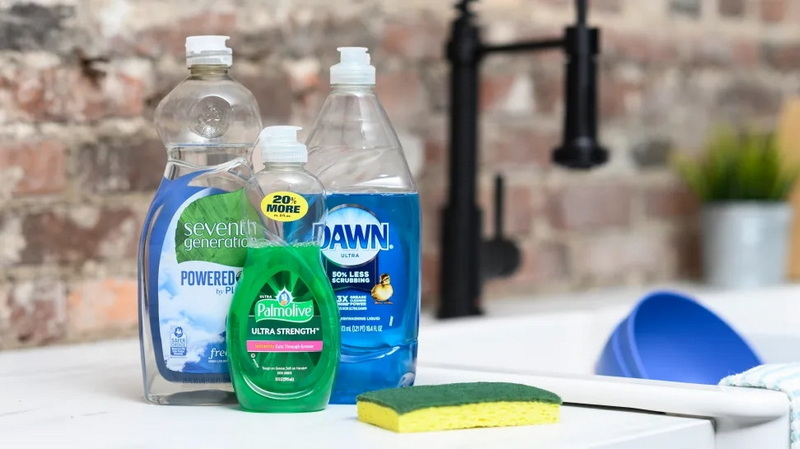
Selecting the most suitable product for a target market requires balancing performance, safety, branding, and cost. This is true both for end users and for private-label buyers in cooperation with OEM partners.[4][2]
Important evaluation points include:
- Ingredient profile: Favor plant-based surfactants, enzymes, and mineral builders; avoid phosphates, chlorine, and undisclosed fragrance blends.[4]
- Third-party confirmation: Check eco-labels, safety ratings, or region-specific certifications where relevant.[1][2]
- Water and appliance conditions: Consider water hardness, local staining issues, and typical dishwasher models when selecting formula style.[12]
Correct usage can noticeably improve cleaning results, especially with lower-toxicity formulas. Optimizing loading, dosage, and cycle choice also helps brands reduce complaints and returns.[5][3][10]
Recommended practices:
1. Pre-rinse lightly: Scrape food solids, but avoid fully rinsing, so enzymes can act on residues.[10][2]
2. Do not overload racks: Ensure water jets can reach all surfaces and detergent can circulate freely.[5][10]
3. Adjust dose to water hardness: In harder water, a slightly higher dose or a more strongly chelated formula is often needed.[12]
4. Use a compatible rinse solution: For low-toxicity positioning, pair the detergent with milder rinse options to reduce spotting.[12][2]
For brand owners, wholesalers, and importers, the success of a non-toxic dishwasher line is tightly linked to OEM capability. A strong manufacturing partner should be able to support formulation, documentation, and regulatory compliance across multiple regions.[3][6][4]
Key considerations include:
- Customization: Ability to adjust surfactant systems, enzyme loads, fragrance profile, and dosage form to meet positioning and cost targets.[2]
- Regulatory and documentation support: Availability of SDS, ingredient disclosures, and data that substantiate “phosphate-free,” “fragrance-free,” or “biodegradable” claims.[3][4]
- Quality management: Stable production processes, traceability, and testing for performance, compatibility, and packaging durability.[5]
A clear, structured brief helps an OEM partner respond quickly with suitable formulas and samples. Detailed information also minimizes the risk of reformulation later in the project.[4][2]
Useful elements in a brief:
- Target claims and standards: For example, “phosphate-free,” “plant-based,” “fragrance-free,” or specific eco-label goals.[1][2]
- Preferred format: Tablet, powder, gel, or multi-purpose liquid, with indicative dosage per wash.[8]
- Target markets and applicable regulations: Including labelling rules, ingredient restrictions, and documentation requirements.[3][4]
- Pricing and volume expectations: Desired cost per wash, annual quantity, and packaging specifications.[10]
Non-toxic dishwasher detergents have become a core growth segment in home care, and companies that move decisively can secure strong loyalty from health- and eco-conscious consumers. If your business is planning to launch or upgrade a dishwasher detergent portfolio, this is the right moment to align with a specialized OEM manufacturer that understands non-toxic formulation, global regulations, and private-label branding.[1][4][2]
Contact a professional daily chemical OEM partner to co-develop customized non-toxic dishwasher detergents—from concept definition and formula selection to packaging design, performance testing, and compliance support—so your next dish care launch can stand out in global markets with safer chemistry and dependable quality.[3]
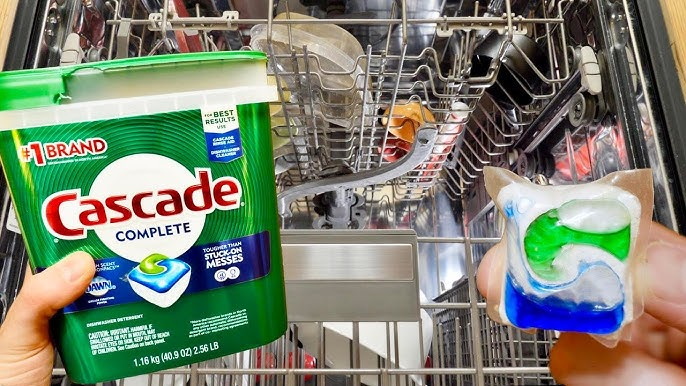
A dishwasher detergent is generally described as “non-toxic” when it avoids ingredients associated with significant human or environmental hazards and instead uses safer surfactants, enzymes, and mineral-based components. Many such products are phosphate-free, chlorine-free, and free from synthetic fragrances and dyes.[4][3]
Modern non-toxic formulations can match or sometimes exceed conventional performance when they combine optimized surfactant blends with enzymes and water conditioners. Proper dosing, loading, and cycle selection remain critical for consistently clean results.[5][10][2]
Many non-toxic formulas are engineered to work in hard water using chelating agents and acids such as citric acid to control mineral deposits and spotting. In very hard water areas, pairing the detergent with a suitable rinse product or adjusting dosage is often recommended.[12][3][10]
Detergents that are fragrance-free, dye-free, and free from common irritants can reduce the risk of contact irritation and allergic reactions. Nevertheless, they must still be stored and used safely, because even milder cleaning agents can be harmful if misused or ingested.[6][5][4]
Brands and wholesalers can cooperate with experienced OEM manufacturers that specialize in dish care and lower-toxicity formulations, starting from a clear brief on target claims, markets, and pricing. The OEM partner can then provide base formulas, support testing, and supply documentation needed for labelling and regulatory compliance across different countries.[3][4]
[1](https://earthhero.com/blogs/blog/best-non-toxic-dishwasher-detergent)
[2](https://thefiltery.com/natural-non-toxic-dishwasher-detergent/)
[3](https://www.terragaia.eu/blog/non-toxic-dishwasher-detergent/)
[4](https://www.forceofnatureclean.com/guide-to-choosing-non-toxic-dishwasher-detergent/)
[5](https://cris.msu.edu/news/featured/science-vs-sensation-dishwasher-detergent-safety/)
[6](https://branchbasics.com/blogs/cleaning/why-human-safe-dishwashing-important)
[7](https://crunchybeachmama.com/best-non-toxic-dishwasher-soaps/)
[8](https://simplelivingmama.com/non-toxic-dishwasher-detergent/)
[9](https://aturtleslifeforme.com/best-dishwasher-detergent/)
[10](https://www.thisoldhouse.com/kitchens/best-dishwasher-detergent)
[11](https://www.nytimes.com/wirecutter/reviews/best-dishwasher-detergents/)
[12](https://www.nytimes.com/wirecutter/reviews/advice-dishwasher-rinse-aid-safety/)


