
Views: 222 Author: Tomorrow Publish Time: 12-09-2025 Origin: Site


Content Menu
● Understanding Laundry Detergents
● Composition and Structure Differences
● Cleaning Efficiency and Performance
>> Water Temperature and Dissolution
● Fabric Protection and Longevity
>> Unit Cost
● Convenience and User Experience
● Storage, Shelf Life, and Stability
>> Pods
>> Liquids
● Efficiency for Different Washing Scenarios
● Technological Innovations in Detergents
● FAQ
>> 1. Are laundry pods better for delicate fabrics?
>> 2. Can laundry pods cause residue on clothes?
>> 3. Are biodegradable pods available on the market?
>> 4. How can I reduce detergent waste when using liquids?
>> 5. Do pods or liquids perform better in hard water?
Laundry has evolved from a labor-intensive chore to a routine that blends technology, chemistry, and user convenience. Among the many innovations in the cleaning industry, detergent pods and liquid detergents have become two dominant players. Both aim to achieve the same goal—clean, fresh, and bright clothes—but the methods, cost-efficiency, and environmental impact differ.
The modern consumer faces an important question: Which is more efficient—liquid laundry detergent or pods? Efficiency, in this context, includes aspects such as cleaning performance, cost, convenience, energy consumption, and overall value. This article explores these dimensions in depth, providing a balanced, evidence-based view to help users make informed decisions.

Laundry detergents contain a mixture of surfactants, enzymes, solvents, and chelating agents designed to tackle dirt and stains of different types. Their purpose is simple—to remove unwanted residues without damaging fabric quality. However, how detergents are formulated and delivered greatly affects their efficiency and sustainability.
- Liquid detergent became popular in the mid-20th century, favored for its easy dissolution and versatility.
- Pods entered the market decades later, offering a pre-measured, no-spill option for time-pressed consumers.
Understanding these structural differences is the first step toward evaluating efficiency.
Liquid detergents consist of concentrated surfactant solutions suspended in water. They often include:
- Anionic and nonionic surfactants to break down oils and grease.
- Enzymes like protease or amylase that target protein-based or starchy stains.
- Optical brighteners that reflect light to maintain fabric brightness.
Liquid detergents are adaptable—they can be mixed with other cleaning agents, customized for temperature settings, and applied directly for pre-treatment. This makes them extremely versatile for diverse laundry needs.
Detergent pods are compact packets combining detergent, brighteners, and sometimes softening agents. Each pod contains a highly concentrated detergent sealed within a polyvinyl alcohol (PVA) film that dissolves on contact with water.
Their multi-chamber structure often separates cleaning agents and stain removers until the wash cycle begins, ensuring consistent performance. The pre-measured portion promotes optimal use per load without need for manual measurement.
Pods are a fusion of chemistry and design—intended not just to clean, but to simplify the process entirely.
When it comes to targeted stain removal, liquid detergents hold the advantage. Their texture allows users to apply detergent directly to soiled spots, giving enzymes time to attack tough stains like sweat, sauce, or mud before washing begins.
Pods, however, are pre-sealed, so pre-treatment is impossible. This slight limitation makes liquids more adaptable when dealing with diverse loads where some garments need extra attention.
Modern pods are engineered for full dissolution in both cold and warm water, yet extreme cold (below 59°F or 15°C) can slow down the breakdown of the film. In contrast, liquids dissolve instantly even at low temperatures, making them more energy-efficient for households that prefer cold-water washing to save electricity.
Because pods deliver a fixed amount of detergent, they consistently maintain correct chemical balance across loads. This ensures efficiency in moderate loads but can become inefficient for small or very large loads where customizable doses would be preferable—an area where liquids excel.
Repeated washing can weaken fibers or cause color fading. While both pods and liquids include mild surfactants and fiber conditioners, results differ slightly.
- Pods protect clothes from detergent overdosing because of pre-measured doses. Overuse of detergent can stiffen fabrics or fade colors, so pods minimize this risk.
- Liquids provide more control, allowing adjustment for delicate fabrics that require lower detergent concentration. This customization helps extend garment life when handled properly.
Therefore, efficiency in fabric protection depends on user behavior: pods offer safety by restriction, while liquids reward careful dosing.
Cost efficiency isn't just about upfront price but the value per load and longevity of use.
Pods are generally more expensive per load. A standard pod costs roughly 0.25–0.40 USD per wash, while liquids often average 0.10–0.20 USD per load depending on brand and concentration level.
However, studies show consumers tend to over-pour liquids—sometimes using up to 30% more than necessary. Over time, that waste adds up, negating the initial savings. Pods, offering pre-measured precision, prevent overuse and therefore help maintain consistency.
Liquids come in bulkier bottles, which can lead to waste if the detergent thickens or separates before complete use. Pods, stored properly in airtight containers, last longer and cause less product spoilage.
Overall, for families washing large volumes weekly, liquid detergent provides the better economic value, while pods are efficient for small households or those seeking convenience over cost.
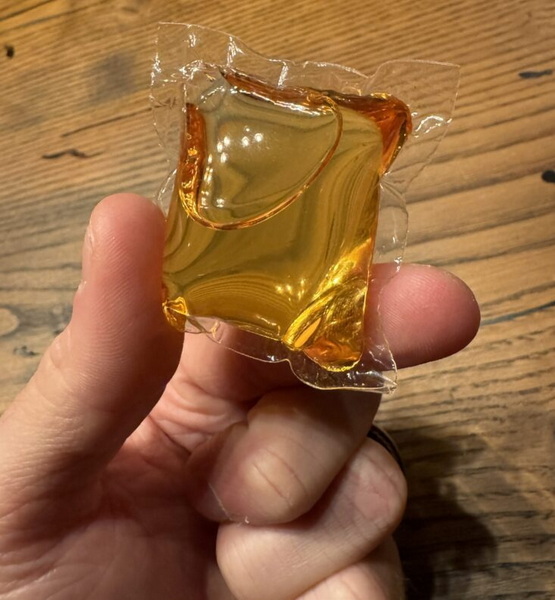
Liquid detergents come in large plastic bottles, which are often difficult to recycle due to residual product inside. Manufacturing and transportation of these water-heavy containers also increase carbon emissions.
Pods, conversely, are lightweight with minimal packaging. Their concentrated formula reduces water usage during production and transport, improving energy efficiency.
Although pod films dissolve in water, complete biodegradability of PVA remains debated. Research indicates partial environmental persistence, particularly in wastewater systems lacking proper treatment. Thus, while pods reduce packaging waste, their material science still requires improvement for full eco-compatibility.
Because both liquids and pods perform effectively in cold water, they contribute to household energy conservation. However, consumers using older washing machines that require warm cycles may find liquids more adaptable due to their faster dissolution.
Efficiency, therefore, extends beyond product composition—it includes the systemic impact of use, packaging, and disposal.
Laundry pods revolutionized convenience. Their ready-to-use design eliminates measuring cups, spills, and detergent drips on machine doors. This straightforwardness appeals to those managing busy lifestyles or seeking simplicity in household chores.
Liquid detergents, while sometimes messier, allow personalization. For heavily soiled clothes, users can add extra detergent; for smaller loads, they can economize by reducing the amount. That flexibility is particularly valued in households with varied washing needs—children's clothes, delicate garments, or bedding, for example.
When efficiency is defined as ease and precision, pods dominate. When it means adaptability and control, liquids prevail.
Safety remains crucial, especially in households with children or pets.
Pods' bright colors and small size can attract young children, leading to accidental ingestion incidents. Manufacturers now use opaque containers and bitter-tasting coatings to deter accidents. Even so, supervision and secure storage are essential.
Liquid detergents pose fewer ingestion risks but can irritate skin or eyes upon direct contact. Using gloves and cleaning any spills promptly maintains safe handling standards.
Both detergents should always be stored with lids tightly closed and placed high above reach levels in dry, ventilated spaces.
Pods thrive in dry environments. Humidity can weaken the dissolvable film, causing premature leaks or clumping. Their sealed packaging maintains freshness, reducing contamination risk.
Liquids require screw-top bottles to prevent air exposure, which might separate or thicken the solution. Storing them at moderate temperatures extends usability. With proper handling, they can stay effective for up to a year.
The storage stability of pods gives them a slight edge in long-term efficiency, though they remain sensitive to moisture.
Laundry loads differ by type—daily wear, heavy-duty fabrics, or delicate materials. Here, efficiency depends on the scenario:
- Everyday washing: Pods offer perfect performance since each load receives an optimal chemical balance.
- Stain-heavy loads: Liquids perform better because they allow direct pre-treatment and dosage control.
- Cold-water cycles: Liquids dissolve faster and clean efficiently even at low temperatures.
- Quick wash cycles: Pods work efficiently if placed correctly in the drum before clothes are added.
Therefore, the best product depends on your washing machine, lifestyle, and the nature of your laundry.
The laundry industry continues to evolve with eco-technology and digital monitoring tools. Smart washers now automatically sense load weight and dispense liquid detergent accordingly, merging precision with flexibility—an innovation inspired by pods but realized through liquid automation.
New advancements like ultra-concentrated detergents, detergent sheets, and enzyme boosters are bridging the convenience gap between pods and liquid detergents. These sustainable solutions promise fewer plastics, less water, and improved cleaning power.
Future detergent efficiency will likely depend on how well these new formats reduce waste while maintaining affordability and ease of use.
Between liquid laundry detergent and pods, both offer strong performance, but their efficiency varies by priority.
- Pods excel in dosing precision, time savings, and tidiness. They're ideal for users prioritizing simplicity, predictable results, and modern washing technology.
- Liquids prevail in versatility, cost, and adaptability. They're suitable for families managing various fabrics, load sizes, and stain levels.
Ultimately, neither can be deemed universally superior. Efficiency depends on context—budget, environmental ethics, washing habits, and convenience expectations. The detergent that harmonizes with your lifestyle will always be the most efficient choice.
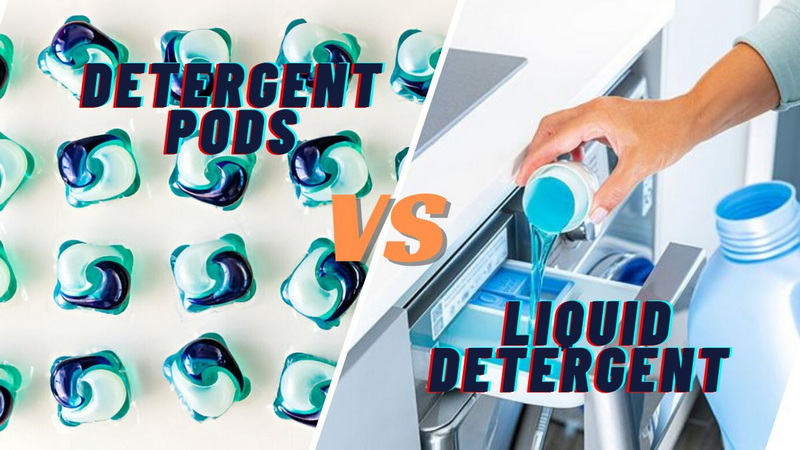
Pods are safe for most everyday fabrics, but for delicate materials like silk or cashmere, liquid detergents with mild formulas are preferable because you can control dosages.
Residue generally occurs when pods are placed incorrectly or washed in extremely cold water. Always place pods beneath the clothes in the drum and avoid overloaded cycles.
Yes. Several eco-focused brands now manufacture pods using biodegradable films and plant-based surfactants. However, full biodegradability depends on waste treatment infrastructure.
Use measuring caps or detergent dispensers to control volume. Many HE washers have built-in dosing systems to ensure precision, preventing both waste and residue buildup.
Pods are designed to balance mineral interference and perform well even in hard water. Liquids may need added water softeners for optimal results in regions with heavy mineral content.


