
Views: 222 Author: Tomorrow Publish Time: 12-09-2025 Origin: Site


Content Menu
>> Disadvantages of Laundry Pods
● Understanding Liquid Detergent
>> Advantages of Liquid Detergent
>> Disadvantages of Liquid Detergent
● Cost Comparison: Laundry Pods vs. Liquid Detergent
>> Price and Usage Calculation
>> 3. Overuse and Human Behavior
● Hidden Costs and Sustainability
>> Stain Removal and Fabric Care
● Consumer Preferences and Market Trends
>> The Rise of Eco-Friendly Alternatives
● FAQ
>> 1. Are laundry pods worth the extra cost?
>> 2. Do laundry pods dissolve completely in all temperatures?
>> 3. Can liquid detergent be used in high-efficiency (HE) washers?
>> 4. Which type of detergent is safer for sensitive skin?
>> 5. How can I maximize detergent value over time?
When faced with the endless choices in the laundry aisle, many shoppers find themselves debating between laundry pods and liquid detergent. At first glance, both options claim to deliver powerful cleaning, bright colors, and long-lasting fragrance—but which offers better value for your money? The answer depends on more than the price tag. Cost per load, environmental factors, efficiency, and personal usage habits all influence which product is truly cheaper in the long run.
This comprehensive guide examines every aspect of the debate—from production costs and packaging to real-world usage and sustainability—so you can make a confident, cost-effective decision for your household.

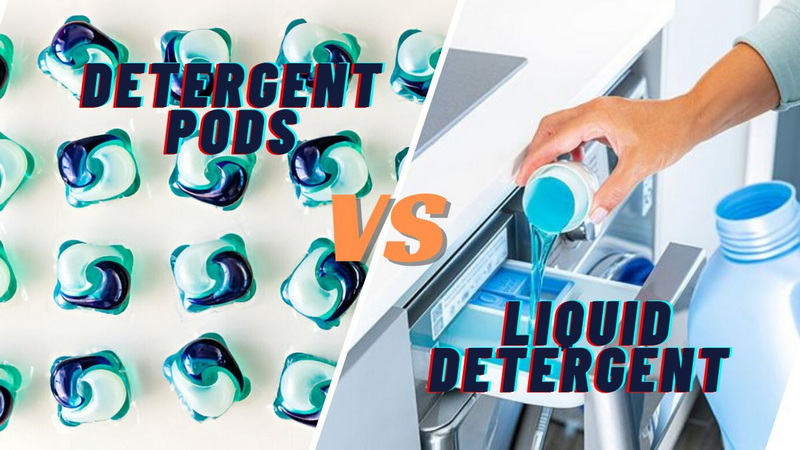
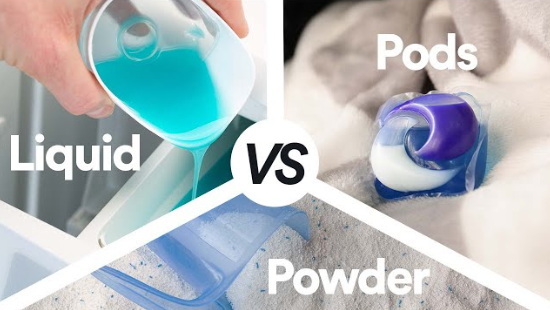
Laundry pods, also known as detergent packs or capsules, contain highly concentrated detergent sealed in a water-soluble film. Introduced in the early 2010s, they revolutionized the laundry market with their convenient, pre-measured design. Each pod handles one standard load, making them perfect for users who prefer simplicity and speed.
- Ease of Use: Pods eliminate the mess of pouring and measuring. You simply toss one in the washer and start the cycle.
- Consistent Measurement: Each pod provides the exact amount of detergent needed for one load, helping prevent product waste.
- Compact Storage: Pods take up little shelf space and are lightweight to carry.
- Advanced Formula: Many pods combine detergent, stain remover, and brightener in one.
- Reduced Spillage: Unlike liquids, pods never leak or leave sticky residue.
- Expensive Per Load: Pods typically cost 30–80% more per wash than liquid detergent.
- No Dosing Flexibility: The fixed size means you can't modify the amount for extra-large or small loads.
- Safety Risk: Their candy-like appearance can be dangerous in homes with children or pets.
- Limited in Variety: Some niche or eco-friendly formulas may be harder to find in pod form.
The average price of laundry pods ranges from $0.25 to $0.45 per load, depending on brand, retailer, and quantity purchased.
Liquid detergent has been a household standard since the mid-20th century. It's popular for its versatility, affordability, and effectiveness on greasy or oily stains. Most homes still rely on liquids, especially families that do multiple loads per week.
- Lower Price Point: Liquids usually cost less per load and come in multiple sizes, allowing consumers to buy in bulk for greater savings.
- Customizable Dosing: Users can pour less detergent for small loads or more for very dirty clothes.
- Effective Spot Treatment: Liquid detergent doubles as a pre-treater for heavy stains.
- Broad Availability: Nearly every store offers a wide range of liquid formulas.
- Compatible with Any Washer: Works in both standard and HE (high-efficiency) machines.
- Potential Waste: Without careful measuring, users often pour too much, wasting product and money.
- Heavy Packaging: Large jugs are bulky and less eco-friendly.
- Mess Factor: Spills can occur during pouring and make storage areas sticky.
- Separate Additives Required: Certain features like fabric softeners or brighteners must be purchased separately.
The average price for liquid detergent is $0.10 to $0.25 per load, often half the cost of pods when measured correctly.
To find out which is cheaper, the best approach is to evaluate cost per load and real-world usage. While pods appear more costly at first, their consistent dosing prevents overuse—something that can raise expenses for
liquid users who pour freely without measuring.
Assuming a household does 300 loads of laundry annually:
- Pods: 300 loads × $0.35 = $105 per year
- Liquid: 300 loads × $0.18 = $54 per year
That's a difference of $51 annually, meaning liquids can save nearly 50% in detergent costs. For a family that washes 5–6 times a week, these savings accumulate significantly over time.
| Feature | Laundry Pods | Liquid Detergent |
|---|---|---|
| Average cost per load | $0.25–$0.45 | $0.10–$0.25 |
| Ability to adjust dose | None | Full control |
| Convenience | Very high | Moderate |
| Packaging waste | Low to medium | High |
| Portability | Excellent | Poor |
| Pre-treatment option | Limited | Excellent |
While pods simplify the process, liquids remain the clear cost winner when measured objectively.
Premium brand pods often contain advanced enzymes or multi-action cleaning agents, further driving up cost. On the liquid side, ultra-concentrated formulas provide the same cleaning power with half the amount, stretching your money further. Comparing products by cost per ounce, not just per bottle, gives a more accurate picture.
Pods dissolve best in warm or hot water, and though many now claim cold-water compatibility, cold cycles sometimes leave undissolved residue. Liquids dissolve easily in all temperatures, reducing wasted product, especially for households that use energy-saving cold washes.
Studies reveal that up to 60% of liquid detergent users pour more than needed, unintentionally doubling per-load expenses. Pods remove this human error factor, meaning your “cost per load” remains steady. Still, users who carefully follow dosage guidelines will find liquid remains the cheaper choice.
The long-term affordability of detergent types also includes environmental and logistical considerations. Packaging, shipping, and ecological impact all count toward the “hidden cost” of detergent use.
- Pods: Individual pod pouches and multi-layer containers use advanced materials that are less recyclable. However, they reduce liquid spillage and use smaller total plastic volume.
- Liquids: Typically sold in large plastic bottles that are harder to recycle and generate more waste per container. Eco-refill pouches are a sustainable alternative gaining popularity.
Pods may be more concentrated, meaning less water is used during manufacturing, but the dissolvable film sometimes contains synthetic polymers that take longer to biodegrade. In comparison, many liquid brands now promote plant-based detergents, which decompose faster and use biodegradable surfactants.
Concentrated products (including pods) weigh less to ship, reducing carbon emissions. Liquids, particularly traditional non-concentrated varieties, require larger packaging and heavier loads for transport.
The debate over cleaning effectiveness is close. Independent consumer reports show that both pods and liquids deliver nearly identical results for regular household laundry. Pods perform exceptionally well on moderate soil levels because they employ multi-action formulas, often combining detergent, stain removers, and brighteners. Liquids excel in flexibility—you can add specialized boosters for extra cleaning power when needed.
Liquids penetrate fabrics quickly, making them efficient for tough stains like grease or mud. Pods, while powerful, may not completely dissolve under heavy cold-water cycles or overly packed machines. For delicate fabrics, both types work equally when used with proper wash settings.
Pods usually offer consistent fragrance dispersion across loads, while liquids allow users to choose intensity by adjusting the amount. Liquid detergents also let you experiment with scent boosters, offering more customization.
Laundry consumption patterns differ by lifestyle. Single adults and students gravitate toward pods for convenience and ease of transport. Families, on the other hand, prioritize value and flexibility—key strengths of liquid detergent.
Recent surveys report that over 60% of U.S. households use liquid detergent as their main laundry product, while pods hold about 20–25% market share, steadily increasing each year. The growing popularity of subscription services and compact storage has enhanced pod usage, yet liquids remain dominant due to price advantage.
Sustainability-conscious consumers have prompted both forms to evolve. Concentrated liquid detergents now come in refill cartons or aluminum bottles, reducing plastic. Similarly, biodegradable pods made from plant starch films are emerging, offering an eco-benefit without sacrificing convenience.
1. Buy Concentrates: Ultra-concentrated liquids require smaller doses, cutting costs long-term.
2. Measure Accurately: Follow manufacturer guidelines to avoid overusing detergent.
3. Watch for Discounts: Use subscription services or bulk deals to lower per-load costs.
4. Store Properly: Keep pods in a dry, sealed container; close liquid bottles tightly after each use.
5. Use Cold Water: Washing in cold water saves energy and extends clothing life.
6. Consider Refill Programs: Many eco-brands now offer bottle refill stations at grocery stores.
7. Combine with Wash Additives Wisely: Don't double up on stain removers when pods already include them—it wastes money.
By adjusting these habits, even premium detergents can become affordable over the long term.
Consumer analysts often describe pods as a “premium convenience item.” Their price includes more than raw materials—it reflects convenience, safety packaging, and advanced formula stability. Liquid detergents thrive on flexibility and scalability, appealing to larger families and cost-conscious shoppers.
From a financial analyst's view, the cost-per-load metric remains the most reliable comparison. Unless pods drop in price or liquids rise significantly, economics favor liquid detergent for value-driven buyers.
In direct price analysis, liquid detergent is cheaper overall than laundry pods. However, the difference in total value depends on personal priorities. Those seeking maximum convenience, minimal mess, and precise dosing may happily pay extra for pods. Families and frequent washers will likely prefer liquid detergents for their flexibility and long-term affordability.
In short, pods represent comfort and consistency, while liquids represent control and cost savings. The smarter option depends on your laundry habits, environmental goals, and budget constraints.
Laundry pods transformed convenience in modern laundry routines, but their higher cost makes them less economical for frequent use. Liquid detergent remains the traditional, cost-effective choice, offering unmatched flexibility and wide availability. While both perform equally well in cleaning, the deciding factor lies in value.
For those who wash multiple loads weekly or manage large households, liquid detergent wins as the cheaper option. For busy individuals prioritizing simplicity, pods offer worthwhile ease at a slightly higher price. Striking the right balance between cost, efficiency, and convenience ensures your laundry routine stays both affordable and effective.
Yes, if you value convenience and precision. Pods cost more per load but minimize waste, making them ideal for smaller households or quick, no-measure washing.
High-quality pods dissolve in both hot and cold water, though extremely cold cycles or overloaded machines can leave partial undissolved residue.
Absolutely. Most modern liquid detergents are clearly labeled as HE-compatible and formulated to minimize suds for efficient rinsing.
Liquid detergents, particularly those labeled hypoallergenic or dye-free, are often better for sensitive skin. Some pods also offer sensitive formulas, but always check ingredient lists.
Store products correctly, use only the recommended amount, and wash full loads whenever possible. Consider using concentrated or bulk-purchase options to lower long-term costs.


