
Views: 222 Author: Tomorrow Publish Time: 12-09-2025 Origin: Site


Content Menu
● Understanding Laundry Liquid
>> Advantages of Liquid Detergent
>> Disadvantages of Liquid Detergent
>> Disadvantages of Laundry Pods
>> Fabric Care
● Environmental Considerations
● Convenience and User Experience
● FAQs
>> 1. Are laundry pods better for high-efficiency (HE) washers?
>> 2. Can I use pods for handwashing clothes?
>> 3. Do pods clean better than liquid detergent?
>> 4. Are laundry pods eco-friendly?
>> 5. What happens if a pod doesn't dissolve completely?
Choosing the right laundry detergent might seem like a minor household decision, but the right product can affect not just how clean your clothes are, but also the longevity of your fabrics, your budget, and even the environment. Today, two of the most popular types of laundry products are liquid detergent and laundry pods. Many households are divided on which is better — convenience versus control, cost versus efficiency, and performance versus sustainability.
This article explores both sides in detail: how they work, their pros and cons, cost-effectiveness, environmental impact, and which situations favor one over the other.
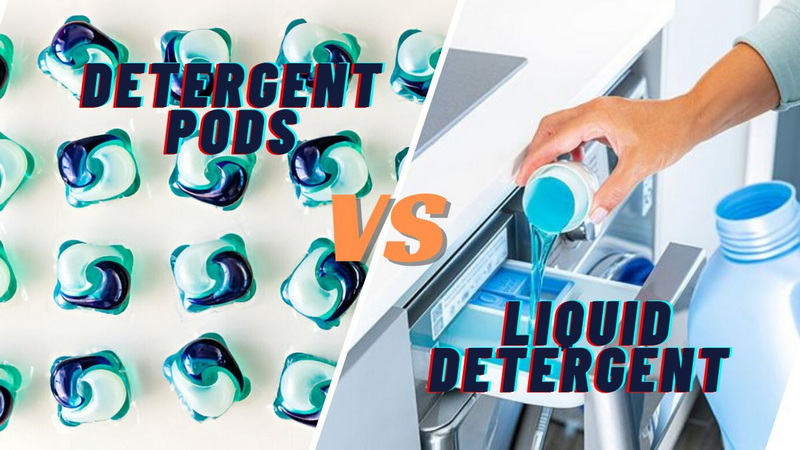
Liquid laundry detergent has been around for decades, serving as a staple in most households. It's a water-based cleaning solution that dissolves easily and performs well for a broad range of washing conditions.
Liquid detergents are primarily composed of surfactants — molecules that lift dirt and grease from fabric fibers and suspend them in water for rinsing. They also contain enzymes, fragrance, preservatives, and stabilizers. Many brands include color-protecting additives, fabric softeners, or stain removers.
- Versatility: Liquid detergent works especially well on oily or greasy stains because of its liquid base. It can be directly poured onto stained areas for pre-treatment before washing.
- Cold water effectiveness: Most liquid detergents dissolve faster than powders or pods in cold water, making them ideal for energy-saving cycles.
- Adjustable dosage: Users have full control over how much detergent they use based on load size, soil level, or washer type.
- Compatibility: Works in both top-loading and front-loading washing machines.
- Measurement errors: It's easy to pour too much liquid, leading to waste, residue, or overdosing.
- Packaging waste: Plastic bottles are bulky and often hard to recycle compared to other forms of detergent packaging.
- Spillage and mess: Measuring and pouring can create drips, sticky caps, and detergent residue in the laundry area.
- Storage and space: Large detergent bottles can be heavy and take up cupboard space.
Laundry pods (also called packs or capsules) are a newer innovation, launched to make doing laundry quicker, cleaner, and simpler. Each pod contains a pre-measured amount of concentrated detergent encased in a water-soluble film.
Pods include concentrated detergent, enzymes, and boosters such as stain fighters or fabric brighteners. The gel-like exterior dissolves completely in water, releasing the cleaning agents into the wash.
- Convenience: Pods offer precise, no-mess portioning — just toss one into the drum and start the machine. There's no measuring or pouring involved.
- Compact design: Their lightweight and space-saving packaging makes storage easier.
- Consistency: Each load receives the same amount of detergent, which ensures consistent washing performance and prevents waste.
- Innovative formulas: Many pods feature multi-chamber designs — separating detergent, stain remover, and brightener until use, preserving freshness and potency.
- Higher cost per load: Pods tend to cost more per wash than liquid detergent.
- Lack of flexibility: You can't easily adjust dosage for large or heavily soiled loads without using multiple pods.
- Dissolving issues: In some cold water cycles or overpacked washers, pods may not dissolve fully, leaving residues.
- Safety risks: Pods can be hazardous to children or pets if ingested because of their colorful appearance.
Both liquids and pods provide excellent cleaning results when used correctly. Liquids may have a slight edge for targeted stain removal, especially for oil-based stains, because you can apply them directly before washing. Pods work best in standard washing cycles but don't allow pre-treatment flexibility.
The concentrated detergent in pods is designed for optimal cleaning without over-sudsing. Liquids, however, can sometimes lead to buildup if overdosed. When measured properly, both product types are gentle on various fabrics and safe for colors and whites.
Liquids dissolve effectively in all temperatures, while pods tend to perform best in warm or hot water cycles. Some new pod formulations are optimized for cold water, but consumers should always check packaging guidelines.
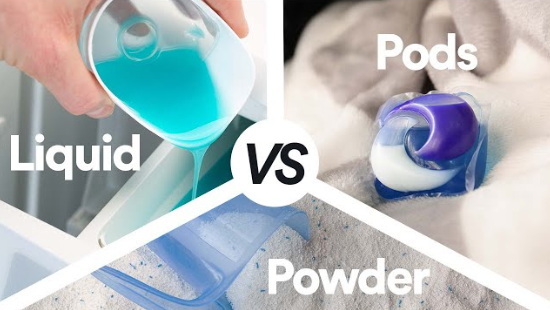
When comparing value, liquid detergent usually proves more budget-friendly on a per-load basis. A large bottle of liquid can clean more loads than the equivalent price in pods. However, pods save time and eliminate waste from overdosing, which can balance the expense for some users.
To illustrate, the cost per load for:
- Liquid detergent: roughly $0.15–$0.25 per load
- Laundry pods: roughly $0.25–$0.40 per load
The exact cost varies by brand and market region, but the difference can add up for large households doing frequent laundry.
Sustainability is becoming a key factor in household purchasing decisions. Both liquid detergent and pods have environmental implications.
- Packaging waste: Pods generally come in recyclable plastic tubs, but the soluble film can contribute to microplastics in waterways, depending on formulation. Liquid detergents come in recyclable bottles, though their production and transport result in higher carbon emissions because of water weight.
- Dosage efficiency: Pods prevent overdosing, which reduces chemical runoff. Overuse of liquid detergent can leave residues in wastewater systems and increase pollution.
- Biodegradability: Many modern brands now offer both pods and liquid versions using plant-based or biodegradable ingredients. Eco-friendly consumers should check labels for certifications like EPA Safer Choice, ECOCERT, or cruelty-free logos.
In short, liquid detergent impacts transportation efficiency more heavily, while pods raise concerns about plastic film waste. Sustainable detergent sheets and refill pouches are emerging as even greener alternatives.
Pods clearly win in convenience. There's no measuring, and they're easy to carry or store. However, they can limit flexibility for larger or smaller loads, where more or less detergent might be required. Liquids provide customization but require more handling effort.
For those living in small apartments or busy households, pods make laundry simple and consistent. For families with stain-prone clothing (like athletes or children), liquid detergent's ability to pretreat stains provides a practical advantage.
Safety concerns are especially relevant for pods. Their candy-like appearance has led to accidental poisonings among children and pets. Manufacturers now use child-resistant packaging and bittering agents to mitigate this risk, but consumers must still store them securely.
Liquids, while messy, are less likely to cause accidental ingestion. However, both forms should always be kept out of reach and away from heat, moisture, or direct sunlight.
There's no universal winner — the choice depends on personal priorities.
- Choose liquid detergent if: you want cost efficiency, flexible dosing, and the ability to pretreat stains.
- Choose laundry pods if: you prefer a convenient, no-mess, pre-measured solution that saves time and simplifies laundry routines.
Many households find using both beneficial — liquid for heavy-duty washes and pods for everyday laundry.
When comparing laundry liquid and pods, each option has unique advantages and drawbacks. Liquid detergent excels in flexibility and affordability, offering customizable cleaning for different fabric needs. Pods, on the other hand, provide unmatched convenience, consistency, and portability, making them ideal for fast-paced lifestyles.
Ultimately, the best choice depends on your priorities — cost, convenience, eco-friendliness, or specific fabric care. For an average consumer, experimenting with both types may reveal a balance between performance and practicality that perfectly suits their household needs.

Yes. Laundry pods are designed to work well in both traditional and HE machines. They dissolve completely and produce fewer suds, making them suitable for low-water systems.
No. Laundry pods are meant for machine use and may not dissolve properly in a handwashing basin. For gentle garments, use a small amount of liquid detergent instead.
Not necessarily. Both clean effectively when used correctly. Pods ensure consistent dosing, while liquid detergent offers flexibility for pretreating tough stains.
Partially. While pods reduce detergent waste, their dissolvable film raises environmental concerns regarding microplastics. Choose biodegradable or eco-certified pods when possible.
If residue remains on clothing, it may be due to cold water, overloading, or insufficient agitation. Running an extra rinse cycle or switching to warm water usually resolves the issue.


