
Views: 222 Author: Tomorrow Publish Time: 12-07-2025 Origin: Site


Content Menu
● Where to Put Laundry Pods in a Front-Load Washing Machine
● Where to Put Laundry Pods in a Top-Load Washing Machine
● How Many Laundry Pods Should You Use?
● Are Laundry Pods Safe for All Washing Machines?
● Environmental Impact of Laundry Pods
● Troubleshooting Undissolved Laundry Pods
● Safety Guidelines for Handling Laundry Pods
● FAQ
>> 1. Can you put laundry pods in the dispenser drawer?
>> 2. Do laundry pods work in cold water?
>> 3. What happens if you use too many pods?
>> 4. Can laundry pods damage washing machines?
>> 5. Are laundry pods safe for sensitive skin?
Laundry pods are one of the most convenient advances in home cleaning technology. They combine detergent, stain remover, and fabric softener in a single, easy-to-use capsule. For busy households and those who dislike handling messy liquids or powders, pods simplify the washing process dramatically. However, their effectiveness depends on a key factor—proper placement. Misusing laundry pods can lead to undissolved residue, stained clothing, or inefficient cleaning.
Understanding where to put laundry pods in both front-load and top-load machines ensures your washer functions properly and your clothes come out clean, soft, and fresh. This guide covers every detail you need to know—from how pods work, to common mistakes, and even eco-friendly considerations.

Laundry pods, sometimes called detergent pods or capsules, are small, water-soluble packets that contain a precise dose of highly concentrated detergent. The transparent film that encases the detergent is made of polyvinyl alcohol (PVA), a biodegradable material that dissolves completely in water during the wash cycle.
Each pod usually contains three compartments: one for cleaning agents, one for stain removers, and one for brighteners or fabric softeners. This multi-chamber design keeps ingredients separate until the right moment in the wash, helping clothes come out cleaner and brighter than when using basic detergents.
Their convenience and effectiveness have made them a staple in many households, particularly for users who prefer quick, mess-free laundry routines. Yet, this convenience also means it's essential to use pods correctly to ensure proper dissolution and maximum cleaning results.
Laundry pods work through a combination of mechanical action, chemical reaction, and water temperature. When you start a wash cycle, water enters the drum, tumbling the clothes and dissolving the pod's outer film. The liquid detergent then disperses evenly across fabrics, breaking down dirt, oil, and stains.
Here's a simple breakdown of this process:
1. Contact with water – The PVA film dissolves completely within seconds of water exposure.
2. Release of detergent – Concentrated detergent flows out and blends evenly in the wash water.
3. Cleaning phase – The chemical ingredients target different types of stains and soils.
4. Rinse and drain – Water removes detergent and dirt, leaving clothes fresh.
This process makes pods reliable for a range of washing temperatures, though the efficiency can change with the type of washer and load size.
Front-load washing machines are highly efficient but require careful detergent placement. Unlike traditional washers, they use less water and depend on drum movement to clean clothes effectively. If you're using laundry pods in a front-load machine, placement is crucial.
Follow these steps to do it right:
1. Add the laundry pod first.
Always place the pod directly into the washer drum before adding clothes. The pod should sit at the bottom, so it makes direct contact with incoming water.
2. Load clothes on top of the pod.
This ensures the pod remains exposed and dissolves properly, instead of sticking to fabric surfaces or remaining trapped.
3. Select the correct wash cycle.
Choose your desired program—delicate, normal, heavy-duty, or color-safe. Laundry pods are compatible with cold, warm, or hot water, although hot water generally enhances cleaning for heavily soiled items.
4. Avoid detergent drawers.
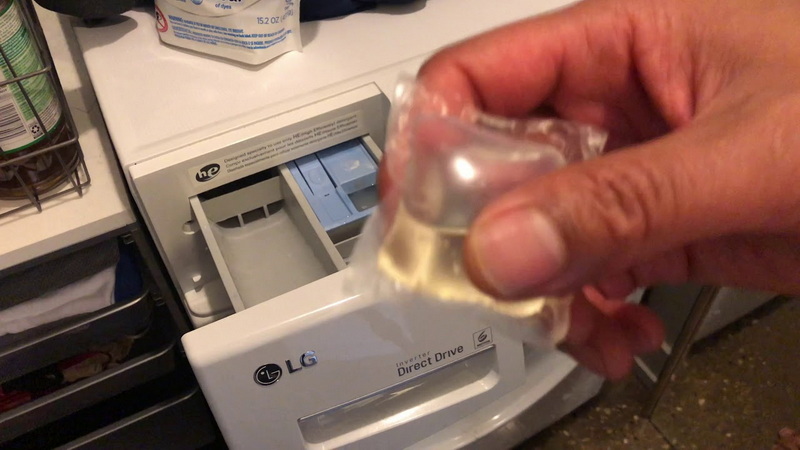
Never place pods in liquid or powder detergent compartments. These sections are designed for slow detergent release, which prevents full dissolution of pods and can leave residue.
5. Run the cycle normally.
Once the cycle begins, the water flow will break down the pod film and evenly distribute detergent through the drum.
This method guarantees thorough cleaning with minimal soap residue and efficient water usage.
Top-load washers have a vertical drum and a central agitator or impeller that moves clothes. The process of adding laundry pods is similar but has a few important distinctions.
Here's the correct order:
1. Place the pod directly into the empty drum.
Before adding clothes, drop the pod at the bottom of the drum. It must contact the water first to dissolve properly.
2. Add clothes on top of the pod.
Load your laundry after the pod to ensure it isn't trapped between layers of fabric or pressed into a corner.
3. Choose the appropriate wash settings.
Whether you're washing delicates, colors, or heavily soiled items, select the desired temperature and spin speed.
4. Start the machine immediately.
Do not let the pod sit in the drum for too long before starting; moisture or humidity may cause premature softening of the pod casing.
5. Avoid multiple pods for small loads.
One pod is typically enough. Using extras may result in oversudsing, residue buildup, or irritation for people with sensitive skin.
By placing the pod correctly, your top-load washer can utilize its full detergent potential, preventing waste and improving garment longevity.
Using the correct number of pods per cycle ensures maximum cleaning performance. Here's a quick reference:
- Small load (up to 6 lbs / 3 kg): 1 pod is enough.
- Medium load (7–11 lbs / 3–5 kg): 1 or 2 pods depending on soil level.
- Large or heavily soiled load (12–15 lbs / 6–7 kg): 2 pods are most effective.
Remember—more is not better. Using too many pods can cause detergent residue to remain inside clothes or the washer's drum. This can lead to odor problems, sticky buildup, or even mechanical issues over time.
People often assume laundry pods work like traditional detergents, but a few habits can compromise results. Avoid these common errors:
- Placing pods in detergent drawers. They will not dissolve properly.
- Overloading the washer. Tight loads limit water flow and can trap undissolved detergent.
- Pre-washing with pods. Pods are meant for the main wash cycle only.
- Using wet hands. Moisture can cause pods to stick, tear, or dissolve prematurely.
- Leaving pods unsealed. Exposure to air or humidity can weaken the pod's film.
- Adding pods on top of clothes. They must go in first, at the bottom of the drum.
Correct use ensures consistent performance and clean laundry with minimal effort.
- Store pods in a cool, dry, and secure place away from children and pets.
- Use a pod labeled HE (High-Efficiency) if your machine is HE-certified.
- Handle pods gently—avoid squeezing, tearing, or puncturing the outer layer.
- For stain-heavy garments, pre-treat stains separately for best results.
- If your laundry smells musty, run a washer-cleaning cycle once a month using a cleaning tablet or vinegar-water mixture.
By maintaining both your pods and washing machine properly, you preserve the quality of your laundry and ensure consistent results every cycle.
Yes—most laundry pods are safe for both front-load and top-load washers, including energy-efficient models. However, always check product labeling before use. Pods specifically marked as “HE safe” or “HE compatible” are formulated with low-sudsing detergents suitable for these machines.
Improper use might cause a buildup of undissolved detergent, but as long as pods are placed in the drum and allowed to dissolve fully, they won't damage your appliance or void warranty coverage.
Laundry pods significantly reduce detergent waste because they deliver exact portions—no overpouring or unnecessary plastic bottles. The water-soluble film (PVA) is engineered to biodegrade in wastewater treatment environments.
Still, sustainability depends on how these pods are packaged and disposed of. To enhance eco-friendliness, consider:
- Purchasing refillable containers instead of disposable pod tubs.
- Choosing biodegradable or plant-based detergent brands.
- Washing clothes at lower temperatures to save energy while maintaining cleaning performance.
- Running full loads instead of multiple partial loads.
Being mindful of your choices helps protect water systems while maintaining a clean, healthy home.
Sometimes laundry pods do not dissolve completely, leaving sticky spots or residue on clothes. Here's how to fix and prevent this issue:
1. Check water temperature. Cold water may slow dissolution; use warm water cycles for heavy loads.
2. Avoid overloading. Space allows pods to move freely in the drum and mix with water evenly.
3. Inspect the machine. Clogged dispensers or dirty drums can interfere with proper water flow.
4. Switch pod brands. Some cheaper pods use thicker film layers that dissolve slower in lower temperatures.
If residue appears frequently, a washer cleaning cycle or switching to liquid detergent for certain loads might help.
Laundry pods are safe but must be stored and handled responsibly. Their colorful and compact design can attract children or pets, posing ingestion risks.
Keep these tips in mind:
- Store pods out of reach and sight of children.
- Keep pods in their original child-resistant container.
- Always close the lid tightly after use to prevent moisture exposure.
- If a pod bursts or spills, rinse immediately and wash your hands thoroughly.
Following these precautions ensures your home remains both clean and safe.
Laundry pods are a modern convenience that makes washing clothes simpler, cleaner, and more efficient—but only if used correctly. Whether using a front-load or top-load washing machine, always place pods directly into the drum before adding clothes, not into the detergent drawer. By respecting load size guidelines and avoiding common mistakes, you'll achieve perfectly clean and fresh results every time.
Remember to store pods in a dry, cool location, use only dry hands, and follow your machine's user guide for compatible detergent types. When used properly, laundry pods deliver professional-level cleanliness while saving both time and effort.

No. Laundry pods belong directly in the washing machine drum. The dispenser drawers are meant for liquid or powder detergents that dissolve differently.
Yes. Most modern pods are engineered with fast-dissolving films that work effectively across temperature ranges, including cold-water washes.
Excess pods can create too much foam, leaving soap residue on clothes and possibly triggering error codes in high-efficiency washers.
When used properly, no. Pods dissolve completely in water and are safe for all washer types, but misplacement can cause clogs or residue buildup.
Yes, but people with sensitivities should choose hypoallergenic or fragrance-free pod varieties to minimize skin irritation.


