
Views: 222 Author: Tomorrow Publish Time: 12-05-2025 Origin: Site


Content Menu
● Why Timing Matters When Using a Laundry Pod
● When to Put in Laundry Pod in a Top-Load Washer
● When to Put in Laundry Pod in a Front-Load Washer
● How Water Temperature Affects Pod Dissolution
● Factors Influencing the Right Time to Put in Laundry Pod
● Common Mistakes When Using Laundry Pods
● Safety Tips When Handling Laundry Pods
● Best Practices for Optimal Laundry Results
● When Not to Use Laundry Pods
● Additional Tips from Manufacturers and Experts
● FAQ
>> 1. Can laundry pods be used in all types of washing machines?
>> 2. What if a laundry pod doesn't dissolve completely?
>> 3. Are laundry pods safe for sensitive skin?
>> 4. How many laundry pods should I use per load?
>> 5. Can I use laundry pods in pre-soak or rinse cycles?
Laundry pods have transformed laundry routines due to their convenience and efficiency. These compact capsules contain a mixture of detergent, stain remover, and brightening agents in a dissolvable film, designed to provide a balanced dose for one load of laundry. However, the timing and method of adding laundry pods to a washing machine are critical to ensuring their effectiveness. This article delves into when and how to put in laundry pods for both top-load and front-load machines, the impact of water temperature, common mistakes, safety tips, and best practices to maximize laundry results.
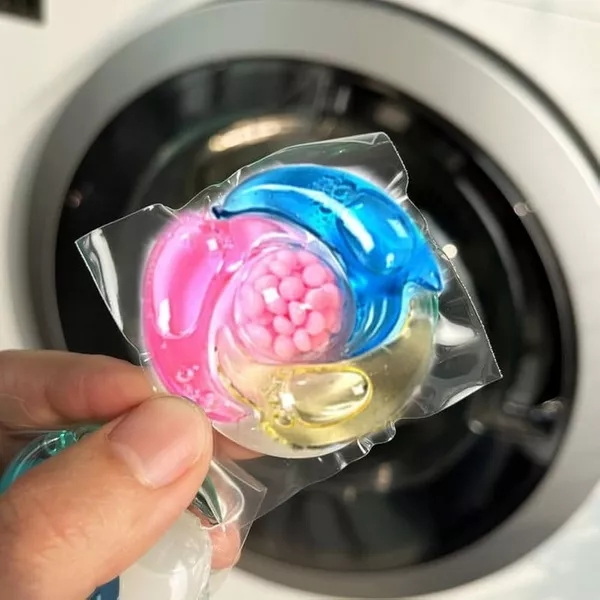
Laundry pods are pre-measured detergent capsules encapsulated in a water-soluble film made from polyvinyl alcohol (PVA). They typically combine detergent, surfactants, and enzymes designed to dissolve quickly upon contact with water, releasing cleaning power evenly across the laundry load. This eliminates the need to measure liquid or powder detergents, reducing waste and mess. Pods promote ease and convenience, especially for busy households or those seeking energy-efficient laundry methods.
The timing of adding a laundry pod significantly influences cleaning results. Adding the pod at the wrong moment or place can lead to incomplete dissolution, detergent residue on clothing, or even damage to fabrics and the washing machine. Ideally, pods should be placed in direct contact with running water early in the wash cycle to dissolve fully and distribute detergent evenly through the load. Adding pods too late or on top of clothes can trap the film in fabric creases, causing undissolved detergent patches or stains.
For top-load washing machines, follow these steps for optimal pod use:
1. Add the pod first: Place the laundry pod directly into the empty drum or tub before adding clothes. This exposure to water at the start helps the pod dissolve promptly.
2. Add laundry on top: Load your clothes onto the pod, allowing the detergent to mix properly with water and circulate around fabrics.
3. Start the wash: Choose the appropriate wash cycle and water temperature suited for your load's fabric type and soil level.
Some users recommend starting the machine to fill with water first, then adding the pod before adding clothes, which also ensures early water contact. Overloading the drum can hinder detergent circulation and lead to incomplete dissolution, so do not fill the drum past the top of the agitator or more than about three-quarters full for high-capacity machines.
Front-load washers require slightly different handling:
1. Place the pod directly in the drum: Never put pods in the detergent dispenser drawer, as pods often do not dissolve properly there.
2. Add clothes over the pod: Similar to top loaders, laundry pods should be placed at the bottom, then clothes added on top to ensure exposure to water.
3. Choose cycle and start: Pick a cycle that provides sufficient tumbling time and water flow for pod dissolution.
Avoid pre-soak or quick rinse cycles, as these may not offer enough water or agitation time for pods to fully dissolve and activate.
Water temperature affects the rate and completeness of pod dissolution:
- Cold water (~20°C/68°F or below): Modern pods are formulated to dissolve in cold water, but very low temperatures may slow dissolution or cause residue.
- Warm water (30–40°C / 86–104°F): Optimal for most pods, ensuring complete dissolution and enzyme activation.
- Hot water (50°C / 122°F and above): Best for heavily soiled items but may fade delicate fabrics over time.
When washing with cold water, ensure the pod is added at the beginning to allow sufficient water contact time. Warm water cycles generally improve cleaning outcomes with pods regardless of fabric type.
Several considerations impact the timing and use of laundry pods:
- Load size: Small loads typically require one pod; medium and large loads may need two or three pods to maintain cleaning effectiveness.
- Water level and machine capacity: Using pods in low-water or high-efficiency (HE) machines requires careful pod placement for optimal water contact.
- Cycle length and type: Longer, standard wash cycles allow better detergent activation compared to short or delicate cycles.
- Machine instructions: Always consult your washer's manual for any specific pod instructions or limitations.
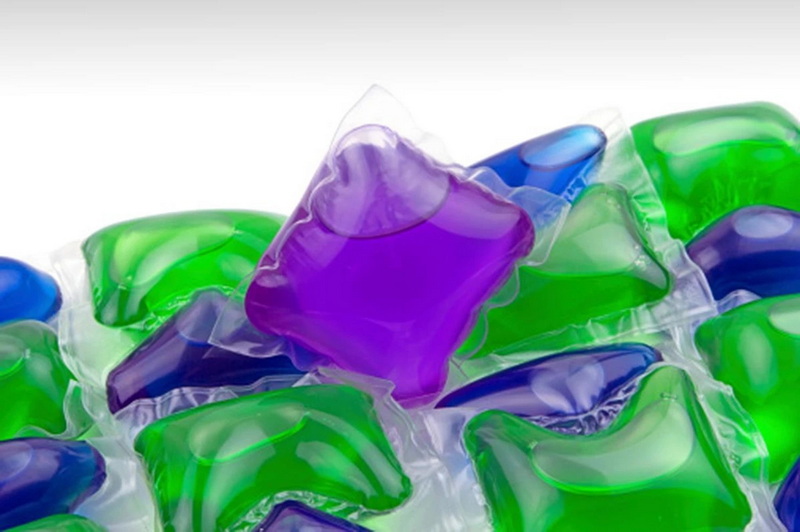
Avoid these mistakes to get the best from laundry pods:
- Putting pods in the detergent dispenser drawer rather than the drum.
- Adding pods after loading the clothes, which can trap pods in fabric folds and prevent full dissolution.
- Overloading the washer, reducing water and detergent flow.
- Handling pods with wet hands, which can dissolve the film prematurely.
- Using excessive pods for small loads, causing detergent residue and waste.
Laundry pods are highly concentrated and must be handled carefully:
- Keep pods out of children's and pets' reach to prevent accidental ingestion.
- Do not puncture or cut pods, as the detergent inside may irritate skin and eyes.
- Store pods in their original packaging with a secure seal to avoid moisture exposure.
- Always handle pods with dry hands to prevent premature dissolving.
To maximize the benefits of laundry pods:
- Place pods directly into the drum before adding clothes.
- Match pod count to load size and soil level; one pod for small loads, more for larger or heavily soiled ones.
- Avoid overloading the machine to ensure proper water and detergent circulation.
- Select appropriate wash cycles and water temperatures based on fabric and soil type.
- Disable automatic detergent dispensers on machines that feature them when using pods to avoid overdosing.
Laundry pods are not suitable for:
- Hand washing, as the concentrated detergent may cause skin irritation and fabric damage.
- Very short wash cycles (quick or rinse cycles) that do not allow pod dissolution.
- Extremely delicate or specialty fabrics requiring gentle liquid detergents.
Manufacturers like Whirlpool, Maytag, and Tide emphasize the importance of pod placement at the bottom of the drum and adding laundry on top. They recommend handling pods carefully with dry hands to avoid early dissolving and storing pods securely. For larger or heavier loads, using multiple pods is advised for effective cleaning. Using water temperatures appropriate to fabric types enhances pod performance. Users should follow machine manuals as some washers may have specific instructions for pod use or dispenser disabling when using pods.
Proper timing and placement of laundry pods are essential for achieving clean and residue-free laundry. For both top-load and front-load washers, placing laundry pods directly into the drum before loading clothes ensures early water contact and full detergent dissolution. Choosing the correct number of pods, appropriate water temperature, and wash cycle further improves results. Avoiding common mistakes and following safety guidelines preserves garment quality and machine performance. With these practices, laundry pods offer a convenient and efficient cleaning solution.
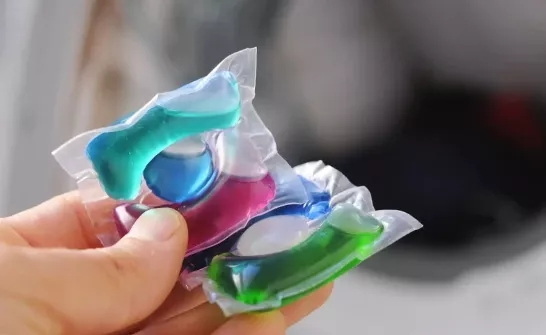
Yes, laundry pods are designed to work in both top-load and front-load machines, including high-efficiency washers. Always place pods directly in the drum rather than detergent dispensers.
This usually happens if pods are added after clothes or the load is too large or tightly packed. Use warm water, avoid overloading, and place pods at the bottom before loading clothes for complete dissolution.
Many brands offer pods formulated for sensitive skin, free from dyes and fragrances. Always check the product label and rinse clothes thoroughly to reduce irritation risks.
Use one pod for small loads (under 6 pounds), two for standard loads (6–10 pounds), and three for large or extra-large loads (over 11 pounds). Follow packaging instructions for best results.
No, pods should only be used in the main wash cycle where water levels and agitation ensure proper pod dissolution and cleaning.
[1](https://www.whirlpool.com/blog/washers-and-dryers/how-to-use-laundry-pods-correctly.html)
[2](https://www.maytag.com/blog/washers-and-dryers/how-to-use-laundry-pods.html)
[3](https://www.reddit.com/r/NoStupidQuestions/comments/xpp8pt/how_do_i_use_a_laundry_pod/)
[4](https://tide.com/en-us/our-commitment/americas-number-one-detergent/our-products/laundry-pacs/how-to-use-tide-pods)
[5](https://laundrysauce.com/blogs/news/how-to-use-laundry-pods)
[6](https://www.youtube.com/watch?v=Yoxy-hR5bVE)
[7](https://www.youtube.com/watch?v=hm2T-PHEnXg)
[8](https://www.wash.com/washresources/laundry-pods-proper-use-provides-a-proper-clean/)
[9](https://www.reddit.com/r/Frugal/comments/195vjel/laundry_pod_usage/)
[10](https://www.youtube.com/watch?v=axE5lMC4vDw)


