
Views: 222 Author: Tomorrow Publish Time: 12-03-2025 Origin: Site


Content Menu
● Convenience and User Experience
● Machine and Fabric Compatibility
● Consumer Preferences and Trends
● Key Considerations for Choice
● FAQ
>> 1. Are laundry pods or powder better for removing tough stains?
>> 2. Can I use laundry pods in any washing machine?
>> 3. Which detergent is more cost-effective?
>> 4. Are laundry pods safe around children and pets?
>> 5. Do laundry pods or powder detergents have a bigger environmental impact?
Laundry detergent has seen a range of innovations aimed at improving cleaning efficiency and user convenience. Among the popular choices today are laundry pods and powder detergents. Both have carved out loyal customer bases, but they differ significantly in formulation, usage, cost, and environmental impact. This article explores the key differences and uses of laundry pods versus powder detergent, helping you decide which works better for your laundry needs.

Laundry pods are single-use capsules containing concentrated liquid detergent enclosed in a water-soluble film. They often combine surfactants, enzymes, softeners, and fragrances into a compact packet designed to dissolve completely during the wash cycle. Powder detergents consist of dry granulated cleaning agents, including surfactants, builders, bleach components, and enzymes, packaged typically in cardboard boxes or plastic containers.
The pod's liquid detergent formulation allows for rapid solubility, even in cold water, while powder detergents benefit from a longer shelf life and strong stain-fighting ability, particularly when used with warm or hot water.
Laundry pods are formulated to release their ingredients efficiently at the right stage of the wash cycle. Their pre-measured doses deliver consistent cleaning power suitable for everyday loads, especially in cold to medium water temperatures. Pods are praised for preventing detergent residue since their dissolvable films leave no powdery traces.
Powder detergents are powerful with tough stains, particularly grease, dirt, and blood, and excel in hot water washes. The powder activates best with warm to hot water, though it may struggle to dissolve fully in cold water or hard water conditions, sometimes leaving residue on fabrics or in the machine.
Pods excel in convenience, eliminating the need for measuring detergent quantities and reducing spills or mess. Each pod contains an exact dose, making laundry simple for those with busy schedules or limited storage. Their compact packaging also saves space.
Powder detergents require scooping and measuring, which can be messy and time-consuming. They demand dry storage to prevent clumping and may require dosage adjustment for larger or heavily soiled loads. While less convenient, powder allows for flexible dosing, which some users appreciate for tailoring their washing needs.
Powder detergents generally cost less per load than pods. Bulk powder packaging lowers expense and uses less plastic, making it attractive for budget-conscious users and large families. Pods, while more expensive upfront, can reduce waste due to their precision dosing, potentially saving money if users tend to over-measure liquid or powder detergents.
Laundry pods' compact packaging often leads to higher transport and production costs, which are reflected in the price. This trade-off is offset by their ease of use and reduced mess.
Powder detergents commonly come in recyclable cardboard packaging, generating less plastic waste. However, the chemicals in some powders, like phosphates, can harm aquatic ecosystems if wastewater is not properly treated.
Pods use polyvinyl alcohol (PVA) film that dissolves in water but may not fully biodegrade under all sewage treatment conditions. The industry is moving toward better biodegradable pod films and more eco-friendly detergent formulas, but packaging waste remains a concern with pods currently higher than powders.
Pods are designed for compatibility with high-efficiency (HE) and regular washers, providing low sudsing and complete dissolution. They are recommended for small to medium loads, but using pods for very small loads can lead to detergent concentration issues.
Powder detergents suit all machine types, including top-loading and front-loading models. They are favored for heavy soil and large loads, particularly in institutional or commercial settings. However, incomplete powder dissolution can occasionally clog dispenser drawers or leave buildup in washers.
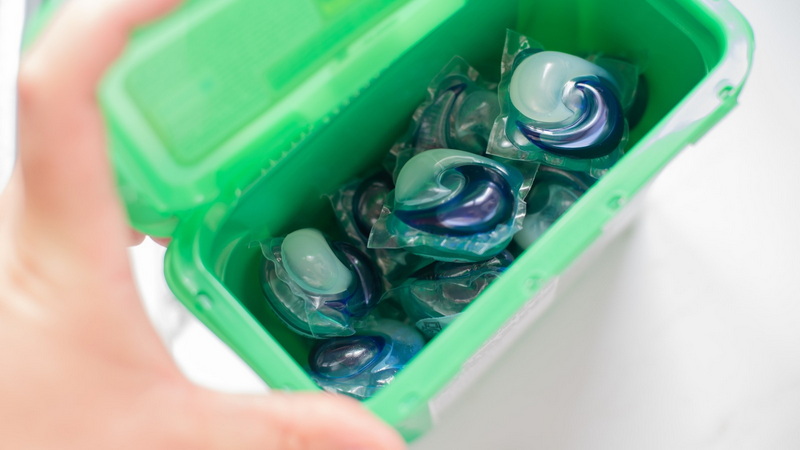
The concentrated nature and colorful appearance of pods present ingestion risks for children and pets; hence, pods need safe, childproof storage. Powder detergent, often less visually attractive and typically stored in larger containers, poses less of an ingestion hazard but can irritate skin if handled improperly.
Powders must be kept in dry places to avoid caking, while pods require airtight storage to prevent premature bursting due to humidity.
| Aspect | Laundry Pods | Powder Detergent |
|---|---|---|
| Cleaning Efficiency | Effective in cold/medium water, no residue | Stronger in hot water, powerful on stains |
| Convenience | Pre-measured, mess-free, space-saving | Measurement needed, prone to clumping |
| Cost per Load | Higher cost, less waste potential | Most economical, bulk purchasing |
| Environmental Impact | Concerns over plastic PVA film | Lower plastic, recyclable packaging |
| Machine Compatibility | Works well in HE and standard washers | Suitable for all washers, possible residue |
| Storage | Sensitive to humidity | Long shelf life if kept dry |
| Safety | Child/pet hazard if ingested | Less visually appealing, skin irritant |
Younger urban consumers and small households tend to prefer pods for ease and time-saving benefits. Large families, budget shoppers, and heavy-duty washers often choose powder for its cost-effectiveness and cleaning power. Market trends show growing pod usage in developed countries driven by convenience, while powders dominate in developing regions and commercial laundry sectors.
The decision between pods and powder depends on priorities such as water temperature, fabric type, washing machine model, cost sensitivity, and environmental concern.
- For cold water and delicate loads, pods provide reliable cleaning without residue.
- For tough stains, heavy fabrics, and sanitizing needs, powder delivers superior results with hot washes.
- For eco-conscious consumers, powders with recyclable packaging currently have a slight edge.
- For busy or minimal-hassle lifestyles, pods minimize laundry preparation time and mess.
Each has distinct advantages that can complement various laundry routines.
Laundry pods and powder detergents both offer unique benefits. Pods provide convenience, precise dosing, and efficient cold-water cleaning without residue, making them ideal for small to medium loads and busy lifestyles. Powder detergents deliver powerful cleaning particularly in hot water, greater cost efficiency, and more environmentally friendly packaging options, preferred for heavy soiling and large households. Ultimately, the choice depends on individual laundry habits, water conditions, budget, and sustainability preferences. Future detergent innovations are likely to blend these strengths, creating even more effective, eco-friendly laundry solutions.
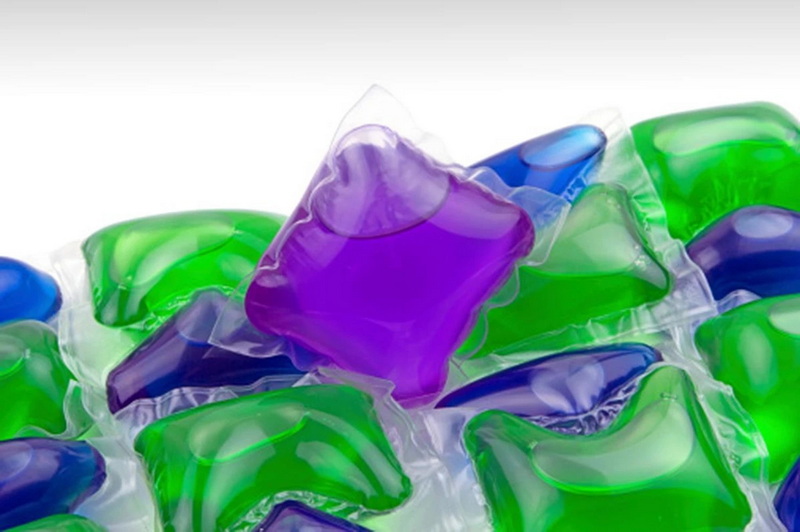
Powder detergents generally perform better on tough stains, especially when used with hot water, while pods work well on everyday stains in cold or medium washes.
Yes, laundry pods are compatible with both high-efficiency (HE) and standard washers due to their low sudsing formulas.
Powder detergent tends to be more economical per load, while pods cost more upfront but reduce waste through precise dosing.
Laundry pods pose ingestion risks due to their colorful, candy-like appearance; they should be stored safely out of reach of children and pets.
Powder detergents often have a lower environmental impact because of recyclable packaging, but evolving biodegradable pod films are narrowing this gap.
[1](https://www.electrolux.com.sg/blog/liquid-vs-powder-detergent-vs-pods/)
[2](https://www.electrolux.in/blog/laundry-detergent-pods-liquid-powder/)
[3](https://laundrysauce.com/blogs/news/laundry-pods-vs-powder)
[4](https://obviouslyapparel.com/blogs/mens-underwear-blog/laundry-pods-vs-liquid)
[5](https://www.youtube.com/watch?v=y3JvbimjZf0)
[6](https://www.youtube.com/watch?v=NOZXK6-r2wc)
[7](https://www.reddit.com/r/laundry/comments/pg0rsg/pods_vs_liquid_vs_powder/)
[8](https://home.howstuffworks.com/laundry-pods-powder-liquid-detergents.htm)
[9](https://www.barbatelli.com/insights/powder-vs-liquid-vs-pod-detergents)
[10](https://www.youtube.com/watch?v=EhDrz7LBuCI)


