
Views: 222 Author: Tomorrow Publish Time: 12-03-2025 Origin: Site


Content Menu
● Safety and Handling Concerns
● Consumer Tips for Using Laundry Pods
● FAQ
>> 1. Are laundry pods safe for all types of washing machines?
>> 2. Can laundry pods effectively remove tough stains?
>> 3. What safety precautions should be taken with laundry pods?
>> 4. How do laundry pods impact the environment?
>> 5. Are laundry pods more expensive than traditional detergents?
Laundry pods have surged in popularity as a convenient laundry solution that simplifies the washing process. Consumers generally appreciate the ease of use and elimination of measuring detergent, but opinions vary on their cleaning performance, scent, cost, safety, and environmental impact. This article provides a comprehensive overview of what people are saying about laundry pods, exploring both positives and negatives to help users make informed choices.

Laundry pods are single-use packets containing concentrated detergent and sometimes fabric softener or other cleaning agents, wrapped in a water-soluble film. The pre-measured pods are designed to dissolve during the wash cycle, releasing their ingredients for effective cleaning without the mess associated with liquid or powder detergents. Their compact size and precise dosing have made them a popular choice in modern laundry routines.
The convenience factor remains a major selling point. Users consistently praise laundry pods for their mess-free, simple-to-use design that saves time by removing the need to measure detergent manually. This is especially valued by busy households or individuals looking for a quick laundry solution. Pods also reduce storage clutter with their compact packaging. Many find laundry pods less wasteful in terms of detergent overdose, preventing excess detergent being used per load.
The cleaning power of laundry pods receives mixed reviews. Many users report that pods clean everyday laundry effectively, removing dirt and typical odors well. However, some consumers note that pods may not be as effective on heavy stains or work clothes compared to traditional liquid or powder detergents. For tough stains, users often resort to pre-treating clothes or supplementing pods with specialized stain removers to get better results.
Laundry pods often come with fragrance options, though opinions on scent strength and lasting freshness vary. Some users appreciate a subtle, pleasant fragrance that is not overpowering. Others find the scent to be weak or short-lived compared to liquid detergents or additional scent boosters like dryer sheets. The variety of fragrances available allows users to choose pods that meet their personal preferences.
Laundry pods typically cost more per load than liquid or powder detergents. While many users willingly pay for the convenience of pods, the cost remains a barrier for some households. The pre-measured dosing means pods can be economical for some, avoiding detergent waste. However, others prefer to use pods occasionally or combine them with other detergents to balance cost and performance.
Safety around laundry pods is a significant concern, especially in homes with children and pets. Because pods look colorful and candy-like, accidental ingestion has been a serious issue, prompting safety warnings and child-proof packaging improvements. Careful storage out of children's reach is emphasized by users. Those without children report feeling less concerned about safety but still recommend responsible pod handling.
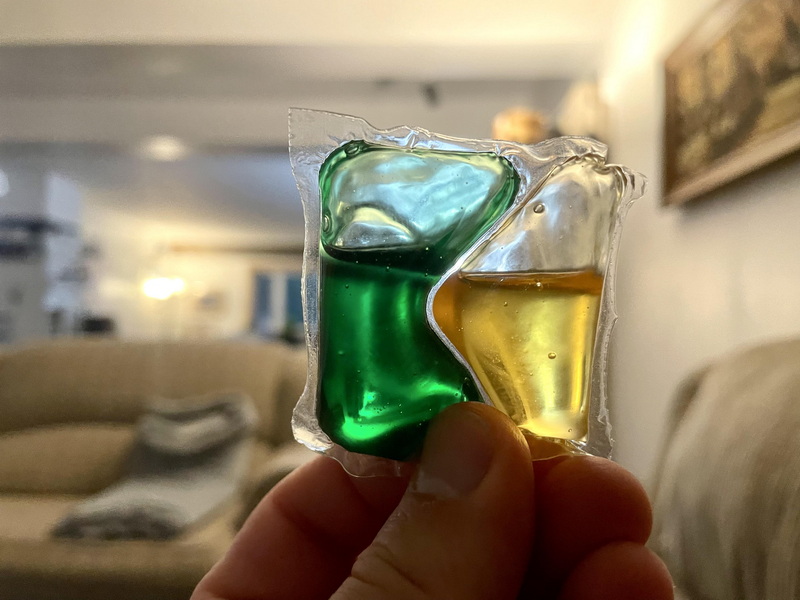
Environmental concerns about laundry pods are increasingly discussed among consumers and experts. The pods use polyvinyl alcohol (PVA) films that dissolve in water, but studies indicate PVA may not fully biodegrade in typical wastewater treatment plants. Up to 75% of PVA particles from pods may be released into the environment, contributing to microplastic pollution in waterways and oceans. These microplastics can persist in ecosystems, accumulate toxins, and enter the food chain, posing long-term ecological risks.
Pods also contain chemicals that, when discharged into aquatic environments, can harm aquatic life and contribute to water pollution. Ingredients like phosphates encourage harmful algal blooms, disrupting ecosystems. The production and packaging of pods add to their carbon footprint, as manufacturing PVA film is energy intensive and involves pollutant emissions.
Some brands are responding to environmental criticisms by developing more biodegradable pod films and reducing plastic packaging. Eco-conscious consumers often seek alternatives like plant-based detergents, laundry sheets with natural ingredients, or refills that minimize plastic waste. Despite convenience, the environmental impact drives growing demand for greener laundry solutions.
Practical advice from users helps optimize pod usage:
- Add pods directly to the washing machine drum, never the detergent drawer, to ensure proper dissolution.
- Use only one pod or per manufacturer guidelines based on load size to avoid residue.
- Pre-treat heavily soiled areas for better stain removal.
- Store pods in a sealed container, away from children and pets.
- Experiment with different brands and scents to find preferred options.
Laundry pods have transformed laundry day by offering unmatched convenience through pre-measured, mess-free detergent. While they clean effectively for everyday loads and reduce detergent waste, they may fall short with tough stains and come at a higher cost per load. Safety concerns, particularly regarding children, call for cautious storage and handling. Environmentally, pods pose challenges with microplastic pollution and chemical runoff, prompting consumer interest in greener alternatives. Laundry pods suit those who prioritize convenience but benefit from mindful use and awareness of their limitations.
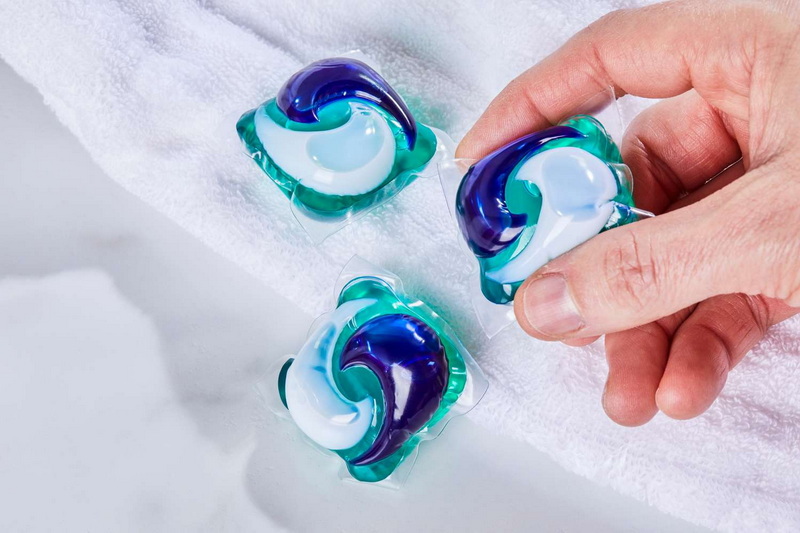
Yes, laundry pods are made for use in both high-efficiency (HE) and standard machines. It is important to follow manufacturer instructions for optimal results and safety.
Pods work best for typical dirt and odors but might not remove very tough or greasy stains well. Pre-treating stains or using additional stain removers is recommended.
Store pods in a secure, childproof container out of reach of children and pets. Avoid direct contact with eyes and mouth, and keep packaging sealed.
Laundry pods contain PVA film that does not fully biodegrade in wastewater treatment plants, contributing to microplastic pollution. Their chemical contents can also harm aquatic life.
Laundry pods generally cost more per load, but their convenience and precise dosing can offset the price for some users. Using pods selectively or combining them with other detergents can help manage costs.
[1](https://www.forbes.com/sites/jeffkart/2021/08/08/study-says-up-to-75-of-plastics-from-detergent-pods-enter-the-environment-industry-says-they-safely-biodegrade/)
[2](https://www.miraclebrand.co/blogs/journal/are-tide-pods-bad-for-the-environment)
[3](https://farmbodyskincare.com/blogs/blog/the-alarming-truth-about-laundry-detergent-pods-and-sheets)
[4](https://www.kindlaundry.com/blogs/educational/are-detergent-pods-bad-for-environment)
[5](https://www.blueland.com/articles/pods-are-plastic-bill)
[6](https://dirtylabs.com/blogs/the-dirt/ask-dr-pete-are-laundry-pods-and-sheets-really-sustainable)
[7](https://www.heysunday.com/blog/laundry-detergent-sheets-vs-pods)
[8](https://www.reddit.com/r/ZeroWaste/comments/1auz1q0/psa_to_everyone_please_dont_use_laundry_sheets_or/)
[9](https://www.outsideonline.com/outdoor-adventure/environment/sustainable-laundry-detergent/)
[10](https://www.kindlaundry.com/blogs/educational/are-detergent-pods-bad-for-environment?srsltid=AfmBOoqTBcAxvS6W4cwoVqsb8gtUX2HB3A3DBdqhbR7bY1zDAiAtgJdF)


