
Views: 222 Author: Tomorrow Publish Time: 11-25-2025 Origin: Site


Content Menu
● Understanding Laundry Pods and Dishwasher Detergents
● The Immediate Result: Excessive Suds
● What Happens Inside the Dishwasher
● Possible Damage to the Dishwasher
● Effects on Dishes and Safety Risks
● How to Clean Up After an Accident
● Safe Alternatives for Dishwashing
● The Science Behind the Foam Reaction
● Additional Extended Insights
● FAQ
>> 1. Can laundry detergent ruin my dishwasher?
>> 2. What should I do if my dishwasher overflows with foam?
>> 3. Is it dangerous to eat off dishes washed with laundry pods?
>> 4. Can dish soap be used instead of dishwasher detergent?
>> 5. How can I prevent mixing up laundry and dishwasher pods?
Laundry pods are a convenient way to wash clothes, but they are not interchangeable with dishwasher detergents. Many people mistakenly assume that because both products clean, they can substitute one for the other. This misunderstanding can lead to damage, safety risks, and a big mess in your kitchen. Understanding what happens if you put a laundry pod in a dishwasher helps you avoid expensive repairs and ensures your dishes stay safe for use.
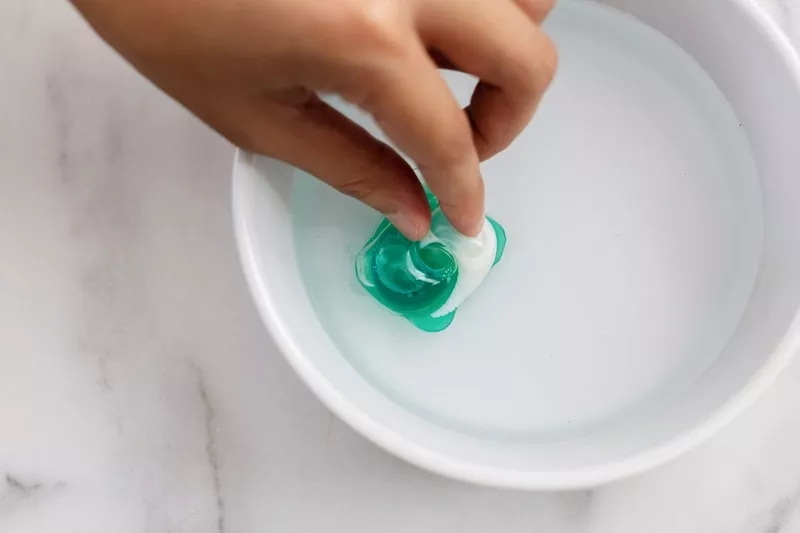
Both laundry pods and dishwasher detergents are designed to clean, but their chemical compositions are not the same. Laundry pods contain surfactants, enzymes, and fragrances that target oils, dirt, and fabric fibers. Dishwasher detergents, on the other hand, are engineered to break down grease, food particles, and minerals without producing excessive suds.
When you use a laundry pod in a washing machine, the product is dispersed in large amounts of water to rinse fabrics thoroughly. Dishwashers, however, are designed for specific low-suds detergents. Mixing the two can disrupt how the machine functions and cause unwanted reactions.
If you put a laundry pod in your dishwasher, the most immediate issue is excessive foaming. Laundry detergent produces more suds than dish detergent. When trapped inside a dishwasher, the foam can build up quickly, forcing bubbles and water out through the door seals.
This overflow results in:
- Water leaking onto your kitchen floor
- Risk of slipping or water damage to cabinets
- A non-functional wash cycle
These bubbles not only make a mess but can also reduce cleaning performance. The sensors designed for dishwashing cycles may misread the water level and halt the operation prematurely.
Inside the machine, foam interferes with spray arms, sensors, and drainage systems. Most dishwashers rely on clear water flow to rinse effectively. When filled with suds, the jets cannot spray properly, and food residue remains on dishes.
Additionally, the chemical reaction between laundry pod ingredients and high heat can result in sticky residues. This film coats the interior surfaces, clogging filters and sensors. Over time, the buildup reduces water pressure, leaving cloudy glassware and incomplete rinsing.
The pearls or capsule casing of laundry pods may not dissolve completely under the lower water volume inside a dishwasher. This partial dissolution can clog the filter, leading to costly maintenance or replacement.
Prolonged usage of laundry pods in dishwashers can cause lasting harm. The mechanical system inside a dishwasher is not designed to handle excessive foam or heavy chemical concentrations. Components at risk include:
- Water pumps that can become air-locked by foam
- Heating elements that may overheat due to residue interference
- Rubber seals that degrade faster when exposed to surfactants designed for fabrics
Long-term exposure to these incompatible chemicals weakens the machine's ability to maintain pressure and temperature balance.
Laundry pods are not food-safe. The ingredients in them are meant for textiles, not for utensils or cookware. When used in your dishwasher, detergent residues may remain on dishes. These residues may include optical brighteners and fabric perfumes not tested for ingestion safety.
Potential consequences include:
- Ingestion of non-food chemicals
- Skin irritation after handling dishes
- Alteration of food taste or smell
This poses a health risk, particularly for families with children or individuals with allergies. Your dishes may end up looking clean but could carry traces of detergent unsafe for food contact.
If you accidentally put a laundry pod in the dishwasher, do not panic. Follow these steps to minimize damage and clean the system safely:
1. Stop the dishwasher immediately. Open the door carefully and allow foam to settle.
2. Remove dishes and rinse them in warm water to eliminate any detergent residue.
3. Scoop out suds using a towel or bowl to reduce foaming.
4. Rinse the dishwasher by running an empty cycle with no detergent.
5. Use white vinegar to neutralize soap residue. Place a cup of vinegar on the top rack and run another short wash cycle.
This process helps flush out excess soap and remove any remaining stickiness inside the washer.
To prevent similar incidents, store your laundry and dishwasher pods separately. Keep them clearly labeled and away from each other to avoid confusion. Ensuring that everyone in the household understands the difference prevents costly repairs and safety hazards.
Consider posting a small label inside the cabinet or laundry area noting which pods belong to which appliance. Organization and awareness reduce the risk of accidentally mixing cleaning products.
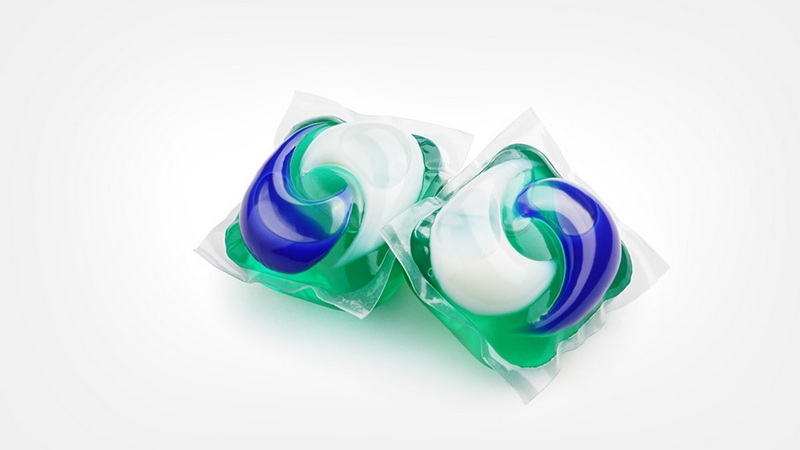
In case you run out of dishwasher detergent, it is better to hand wash dishes until you replenish supplies. Mild dish soap can be used in small amounts for handwashing but never inside a dishwasher. Alternatively, you can use:
- Baking soda for gentle scrubbing
- White vinegar to dissolve mineral deposits
- Commercial dishwasher-safe alternatives designed for low-foam cleaning
These choices keep your dishes safe and your appliance functioning as intended.
Foaming occurs because laundry detergent contains anionic and nonionic surfactants. These create stable bubbles when agitated by water and heat. Dishwashers, however, operate with high-pressure water jets that further aerate these bubbles, amplifying foam production.
Dishwasher detergents replace these surfactants with enzymes and oxygen-based bleaching agents that clean without foam. This difference explains why substituting one for the other leads to overflow. Understanding this chemistry helps consumers avoid such mistakes.
Disposing of foam-laden wastewater introduces more cleaning chemicals into the drainage system. Laundry pods may contain dyes, phosphates, and additives not optimized for kitchen wastewater treatment. Using the wrong detergent multiplies chemical waste output and may harm aquatic environments.
Keeping appliances used for specific purposes helps minimize unnecessary chemical dispersion and maintains a more eco-friendly household routine.
Laundry pods contain fabric softeners and fragrances that enhance clothing softness and smell but have no place in dishwashers. These additives can leave a sticky residue on the dishwasher walls and inside the spray arms, reducing their efficiency. Unlike laundry machines that have larger water volumes to dilute detergent, dishwashers have smaller water volumes, causing detergent pod chemicals to concentrate and overproduce suds.
Furthermore, the intense surfactants in laundry pods may corrode dishwasher components, especially plastic and rubber parts. This damage leads to leaks and mechanical failures that can shorten the dishwasher's lifespan. Repair costs resulting from these damages can be significant.
The risk of chemical residue on dishes after using laundry pods is not just theoretical. Many laundry detergents include enzymes or optical brighteners that when left on dishes, can cause skin irritation or allergic reactions upon contact with food or mouth. Residues are difficult to rinse away because laundry pods are not designed to fully dissolve under typical dishwasher temperatures and water circulations.
In the event of accidental use, thoroughly cleaning the dishwasher filter and spray arms after the vinegar rinse cycle is critical. Residual detergent pod material often clogs filters and should be manually removed to avoid further operational issues.
Lastly, educating all household members about the distinctions between cleaning products is key. Clearly segregating laundry pods and dishwasher pods physically and by signage can prevent confusion. Awareness remains the best safeguard against this common mistake, protecting both your dishwasher and your family's health.
A dishwasher and a washing machine are both cleaning tools, but each operates with specialized chemistry. Placing a laundry pod in a dishwasher triggers foaming, potential flooding, residue deposits, and health risks. Always follow appliance guidelines and use the correct product. Never interchange cleaning agents or assume they serve the same function. Protecting your dishwasher ensures cleaner dishes, safer food contact surfaces, and a longer-lasting appliance.

Yes. Laundry detergents produce excessive suds that can damage pumps, seals, and sensors, leading to expensive repairs.
Turn it off immediately, remove excess foam manually, and run an empty rinse cycle with white vinegar to eliminate residues.
Potentially. Laundry detergents contain chemicals not approved for food-contact surfaces, so residues could pose ingestion risks.
No. Even a small amount of dish soap can cause foaming and leakage. Always use detergents specifically labeled for dishwashers.
Store them separately, use clear labeling, and educate all household members about which products belong to each appliance.
[1](https://www.ufinechem.com/can-i-use-a-tide-pod-in-my-dishwasher.html)
[2](https://ecosyscleaners.com/blogs/news/can-you-use-laundry-pods-in-a-dishwasher)
[3](https://puracy.com/blogs/kitchen-cleaning-tips/are-dishwasher-detergent-pods-toxic)
[4](https://www.consumerreports.org/cro/magazine/2015/07/the-problem-with-laundry-detergent-pods/index.htm)
[5](https://www.bhg.com/are-dishwasher-pods-safe-11843274)
[6](https://www.cleaninginstitute.org/debunking-myths-about-pva-and-detergent-pods)
[7](https://cris.msu.edu/news/featured/science-vs-sensation-dishwasher-detergent-safety/)
[8](https://www.nytimes.com/wirecutter/reviews/advice-plastic-in-detergent-pods/)
[9](https://branchbasics.com/blogs/cleaning/why-human-safe-dishwashing-important)
[10](https://www.facebook.com/groups/homemakingtips/posts/1479693272727164/)


