
Views: 222 Author: Tomorrow Publish Time: 10-26-2025 Origin: Site


Content Menu
● Section 1: Understanding Dishwasher Pod Dispenser Mechanisms
● Section 2: Common Causes of Pods Popping Out
● Section 4: Fixes and Preventive Measures
● Section 5: Model-Specific Considerations
● Section 6: When to Seek Professional Help
● Section 7: Best Practices for Reliable Detergent Release
● Section 8: Behavioral Insights and User Habits
● Section 9: Troubleshooting Checklist (Expanded)
● FAQ
>> 1. Why does a dishwasher pod pop out when the door is closed?
>> 2. Can hard water cause pods to eject from the dispenser?
>> 3. Should I use oversized pods in my dishwasher?
>> 4. What maintenance steps prevent pod ejection?
>> 5. When should I replace the dispenser parts?
Dishwasher pods are designed to release detergent at the right moment to clean dishes efficiently. When a pod keeps popping out of the dispenser, it can be frustrating and wasteful. This article explains the common causes, practical fixes, and best practices to prevent pods from ejecting during cycles. By understanding the mechanics and applying targeted adjustments, you can ensure your dishwasher uses the detergent properly and achieves optimal cleaning results.
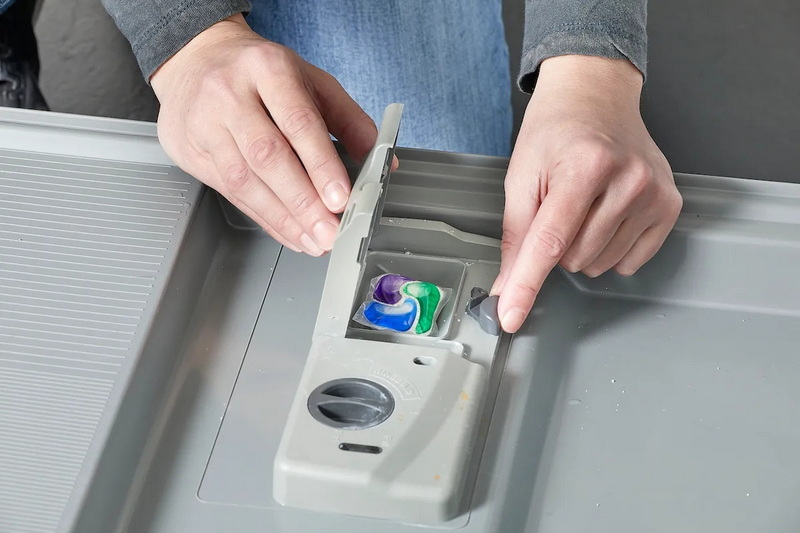
Dishwasher dispensers are designed to release detergent once the main wash begins. Most pod dispensers have a hinge lid and a locking mechanism that activates when the cycle reaches a certain water temperature and pressure. Some models use a timing device or a micro-switch to release the pod at the correct moment. If the dispenser is damaged or misaligned, pods can become stuck, pop out prematurely, or fail to release at all.
- Worn or damaged dispenser lid: A cracked or warped lid may not seal properly, allowing the pod to escape.
- Misaligned or obstructed dispenser: Food debris, hard-water deposits, or a bent latch can prevent proper closure.
- Overloading the dishwasher: Excessive dishes or bulky items block the dispenser, causing the pod to be expelled prematurely.
- Improper loading of dishes: Large items near the door can press against the dispenser, forcing the pod out.
- Faulty latch or spring: A weak or broken latch spring can fail to hold the dispenser door closed during the cycle.
- Compatibility and pod size: Some pods are larger or irregularly shaped, making them more prone to binding in certain dispensers.
- High water pressure or rapid cycle transitions: In some models, rapid changes in water pressure can eject an under-secured pod.
- Hard water with mineral buildup: Mineral deposits can interfere with the door's movement and seal.
- Inspect the dispenser door: Look for cracks, warping, or discoloration that indicates damage. Gently press to ensure it closes securely without resistance.
- Check the latch and spring: Open and close the dispenser multiple times to test the feel of the latch. If it feels loose or sticky, the latch may need replacement.
- Clear debris: Remove visible residue, soap scum, and food particles from the dispenser housing and door edge. Use a damp cloth or soft brush.
- Inspect the pod size: Compare the pod with the manufacturer's recommended dimensions. If using oversized pods, switch to a standard size.
- Verify loading technique: Ensure no items near the door press on the dispenser during the cycle.
- Run a test cycle without dishes: Use a small, controlled load or empty cycle to observe dispenser operation and confirm whether the pod releases as intended.
- Check for hard-water buildup: If you notice mineral deposits around the dispenser area, run a cleaning cycle with a dishwasher cleaner to dissolve buildup or use a manufacturer-approved vinegar flush if permitted.
- Listen for unusual sounds: Grinding, clicking, or rubbing noises during the cycle can indicate a misaligned dispenser or foreign object interference.
- Repair or replace damaged components: If the lid, latch, or spring is damaged, replace as recommended by the manufacturer. A faulty component often causes repeated pod ejections.
- Clean and recalibrate: Regularly clean the dispenser and ensure it closes firmly. Re-seat any misaligned pieces and verify the door seals are intact.
- Avoid overloading: Distribute dishes evenly and avoid placing tall items directly in front of the dispenser. Leave sufficient space for the dispenser door to close fully.
- Use appropriate pod size and type: Follow the manufacturer's guidance on pod size and compatibility. If in doubt, switch to a traditional liquid or powder detergent as a temporary measure.
- Adjust loading patterns: Place cups and small items in the upper rack and heavier items in the bottom rack to reduce pressure on the dispenser.
- Address hard-water issues: If mineral buildup is persistent, install a water-softening solution or use a detergent formulated for hard water.
- Periodic maintenance: Run a monthly cleaning cycle with a dishwasher cleaner to prevent buildup around the dispenser area.

- European vs. American models: Some dispenser designs differ significantly. Always consult the user manual for model-specific instructions, sizes, and compatibility notes.
- High-efficiency (HE) dishwashers: HE models often have more sensitive dispensers due to tighter tolerances. Follow any cautions in the manual about cycle selection and loading.
- Child safety features: Some units include child-proof locks that can affect how the dispenser opens. Ensure safety features are functioning as intended.
- If you notice persistent leakage from the dispenser or water intrusion into the pod compartment, there may be a seal or gasket issue.
- If replacement parts are not readily available or you are uncomfortable performing repairs, contact the manufacturer's service center or a qualified appliance technician.
- If the dishwasher is under warranty, consult the warranty terms before attempting any DIY fixes that could void coverage.
- Use manufacturer-approved detergents: Stick to pods recommended for your dishwasher model to minimize compatibility issues.
- Maintain consistent cleaning routines: Regular cleaning reduces buildup that can interfere with the dispenser's operation.
- Monitor dispenser performance after repairs: After replacing parts or adjusting loading, run several cycles to confirm consistent operation.
- How user habits influence dispenser reliability: Habitual loading patterns can create recurring pressure points that push the pod out. For instance, placing bulky bowls near the door or stacking items in a way that blocks the dispenser can cause repeated failures.
- The role of cycle selection: Some cycles operate with shorter washes or higher agitation, which can increase the likelihood of a pod being expelled if the dispenser is not fully secured.
- Pod formulation considerations: Some detergent pods include ingredients that swell or dissolve slowly in cold water. If a dishwasher runs a cold or half-empty cycle, the pod might not release as intended, though popping out is less common in this scenario.
- Environmental factors: Temperature and humidity around the dishwasher can affect seals and plastics over time, contributing to misalignment and premature pod ejection.
- Before every load: Inspect the dispenser lid for cracks and test the latch mechanism.
- During the cycle: Listen for the dispenser door releasing at the correct moment and observe whether the pod remains seated after cycle start.
- After a cycle: Check whether any residue remains in the dispenser cup and whether the door seals appear intact.
- Seasonal considerations: If you notice changes with the seasons, consider adjusting detergent type or water hardness treatment as outdoor water temperature and supply can influence mineral content.
A dishwasher pod that keeps popping out is usually caused by a combination of mechanical issues, loading habits, or detergent compatibility. By inspecting the dispenser, clearing debris, and adjusting loading and detergent choices, you can restore reliable release of detergent and achieve clean dishes. Regular maintenance and adhering to manufacturer guidelines are the best safeguards against future pod ejections.
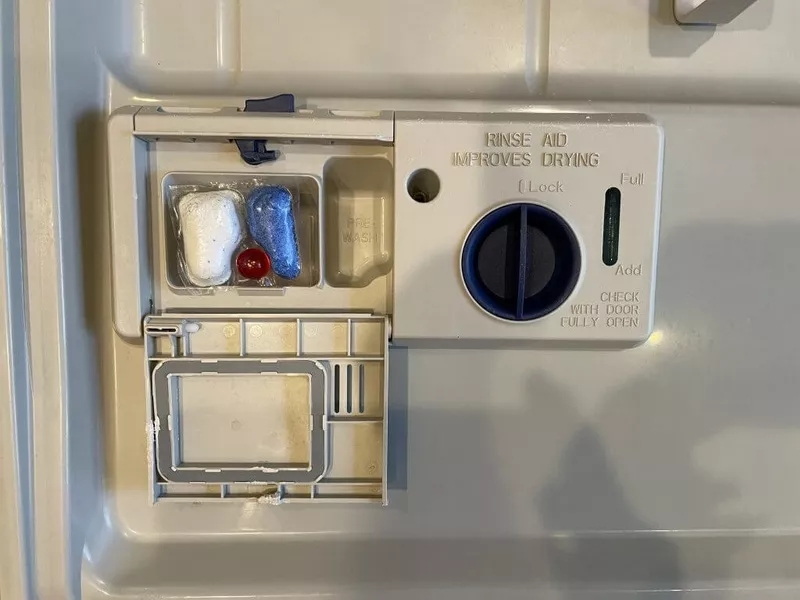
A pod may pop out if the dispenser door is damaged, misaligned, or obstructed by debris or improper loading. The door should close firmly and remain sealed during the wash cycle.
Yes, mineral buildup from hard water can interfere with the dispenser's movement and seal, increasing the likelihood of ejection. Cleaning and water-softening strategies help mitigate this.
No. Oversized pods can bind in the dispenser and be expelled prematurely. Use the pod size recommended by the manufacturer.
Regularly clean the dispenser area, check the latch and spring, avoid overloading, and run periodic cleaning cycles to reduce mineral buildup.
Replace parts such as the lid, latch, or springs if they show wear, cracks, or persistent failure to hold the door closed during cycles.


