
Views: 222 Author: Tomorrow Publish Time: 12-11-2025 Origin: Site


Content Menu
● The Origin of the Laundry Pod Challenge
● Who Was Actually Eating Laundry Pods?
>> Online Validation and Peer Influence
>> The Psychology of Risky Behavior in Teens
>> The Influence of Meme Culture and Irony
● Health Risks of Eating Laundry Pods
>> Common Health Complications
● Public and Corporate Response
● The Media's Role in Amplifying Panic
● Lessons in Digital Culture and Responsibility
● Prevention and Awareness Strategies
● FAQ
>> 1. What exactly is a laundry pod?
>> 2. Why did people start eating laundry pods?
>> 3. What should someone do if they ingest a laundry pod?
>> 4. Are laundry pods still dangerous today?
>> 5. What can parents do to prevent similar incidents?
The phrase “Who is actually eating laundry pods?” started as a surreal mix of disbelief, shock, and amusement. It references an internet phenomenon that blurred the boundary between meme culture and genuine danger. In late 2017 and early 2018, a bizarre trend called the “Tide Pod Challenge” emerged on social media platforms. Participants—mostly teenagers—recorded themselves biting or chewing on brightly colored laundry detergent pods, a product designed for cleaning clothes, not consumption.
What began as a joke quickly spiraled into a safety crisis. Poison control centers saw spikes in calls, hospitals admitted young patients with chemical burns and poisoned lungs, and news outlets worldwide sounded alarms. Behind the headlines was a troubling cultural pattern that revealed something unsettling about modern digital culture: how far people are willing to go for attention and validation online.

Laundry pods first appeared in the early 2010s, marketed as a simple, mess-free innovation for doing laundry. These compact pouches contained pre-measured amounts of concentrated detergent sealed within a dissolvable film. Their bright, swirl-patterned colors made them look almost edible, like candy or chewy gummies, especially to small children.
Initially, the main safety concern involved toddlers accidentally ingesting pods found around the house. Manufacturers responded by adding child-resistant packaging and safety warnings. Yet by 2017, the conversation took a strange turn when older children and teenagers started joking online about eating them intentionally.
Meme creators on platforms like Reddit, Twitter, and YouTube exaggerated the absurdity of the idea with captions like “forbidden fruit” or “they look so tasty.” Ironically, those jokes inspired a handful of young people to test the meme literally. Videos soon surfaced of people biting into pods for laughs or shock value. Social media algorithms amplified those clips, propelling the trend into viral infamy.
Despite widespread panic, only a small number of people truly participated in the so-called challenge. Most of the online noise came from memes, jokes, and commentary, not actual ingestion. However, that doesn't mean the behavior was insignificant. Data from the American Association of Poison Control Centers (AAPCC) showed a notable uptick in intentional exposures among teenagers during the height of the craze.
Typically, the participants shared common backgrounds and motivations:
- Age Group: Teenagers aged 13–19 were the most involved, particularly those highly active on social media.
- Gender Distribution: Slightly more males than females engaged in the stunt.
- Motivation: Gaining attention, testing boundaries, or showcasing risk-taking behavior for entertainment.
Interestingly, most reported cases occurred in North America, though isolated incidents surfaced elsewhere. The majority didn't swallow the pods fully but bit into them before spitting out the detergent. Even so, exposure to these chemicals caused severe reactions, including burns and respiratory distress.
The laundry pod challenge didn't occur in a vacuum. It represented a perfect storm of adolescent psychology, internet culture, and viral incentives.
In the digital age, attention is currency. Teenagers grow up in an environment where social platforms measure popularity through likes, shares, and followers. The feedback loops embedded in these networks can reinforce risky behaviors when they generate engagement.
When a few individuals gained notoriety for daring to eat laundry pods, others followed, trying to replicate their internet fame. Peer influence magnifies impulses, especially among youth, where the fear of missing out can outweigh common sense.
Developmentally, the adolescent brain is wired for exploration and novelty-seeking. The area responsible for decision-making, the prefrontal cortex, matures slowly compared to emotional and reward systems. This imbalance drives teens to act impulsively, prioritizing thrill over safety.
The laundry pod challenge wasn't so much a desire to consume detergent as a symbolic gesture of defiance—an act of rebellion packaged as comedy. It echoed other historical teen fads that courted danger, such as the “cinnamon challenge” or “choking game,” albeit with more alarming potential consequences.
Irony plays a central role in meme culture. Humor online often thrives on exaggeration and mock sincerity. When jokes about eating laundry pods became popular, many participants failed to recognize, or deliberately ignored, the line between satire and action. What was meant as hyperbole transformed into literal behavior—a testament to how quickly meaning can be distorted in viral communication networks.
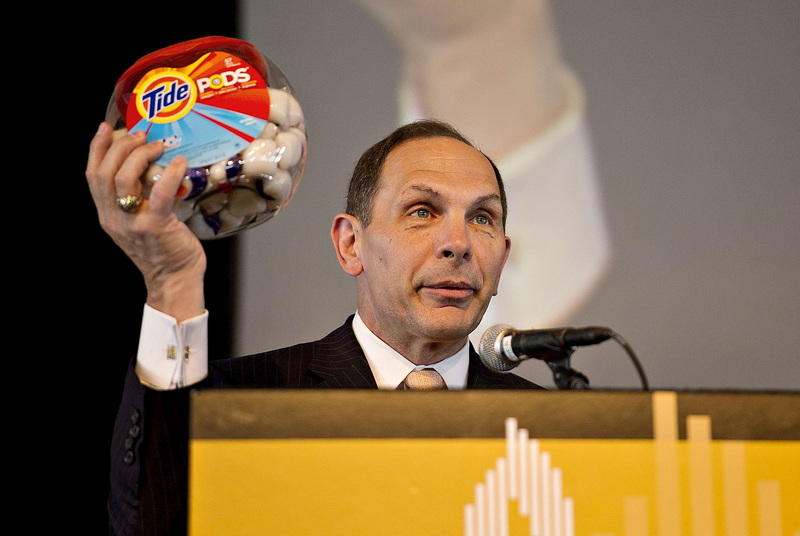
Laundry detergent pods contain a cocktail of concentrated chemicals designed to strip oil, dirt, and grease. These include surfactants, solvents, and enzymes—substances incredibly harsh on the human body. Even a single pod can deliver a toxic dose, especially in children and teens.
- Chemical burns: Direct contact causes burns to the mouth, throat, esophagus, and sometimes skin.
- Respiratory distress: Inhaling detergent vapors or aspirating during vomiting may lead to inflammation and pneumonia.
- Gastrointestinal issues: Severe nausea, vomiting, abdominal pain, and diarrhea are immediate effects.
- Neurological effects: Drowsiness, dizziness, or loss of consciousness may occur in severe poisonings.
- Long-term complications: Scarring of the esophagus, lung damage, or chronic breathing issues can persist.
Hospitals treated multiple teenagers requiring intubation or intensive care due to chemical aspiration. While fatalities were extremely rare, the suffering and medical costs were entirely preventable.
The public reaction was swift and multifaceted. Major detergent brands, particularly Tide, faced both blame and responsibility. Their parent company, Procter & Gamble, launched safety campaigns emphasizing that pods were meant for cleaning, not eating. Professional athletes and celebrities such as Rob Gronkowski appeared in videos urging people to stop the trend.
Social media platforms also took action. YouTube, for instance, banned challenge-related videos, and Twitter began removing content promoting the activity. Meme pages started mocking the challenge instead of encouraging it, gradually shifting public perception from humor to caution.
Government and nonprofit organizations, including poison control centers, expanded their outreach efforts. Educational programs in schools began addressing viral challenges, teaching students about the dangerous intersection of online fame and real-world harm.
While awareness was necessary, the media arguably magnified the hysteria. News outlets and talk shows treated the Tide Pod Challenge as proof of generational decline or the dangers of social media, often ignoring the fact that actual participation was minimal.
This sensational narrative reinforced stereotypes about teenagers while inadvertently popularizing the challenge further through constant repetition. The more “don't do it” headlines circulated, the more curious some viewers became—a phenomenon psychologists call the *forbidden fruit effect*.
Still, the publicity encouraged swift safety reforms, increased parental vigilance, and inspired public conversation about responsible media consumption.
The laundry pod incident highlights deep structural issues in the attention economy. In today's world, algorithms reward outrageous behavior because it captures audience engagement. Dangerous trends like eating detergent pods or performing extreme stunts are logical outcomes of an online culture that values clicks over caution.
1. Critical thinking must be taught early. Students should learn to question online trends and analyze the consequences before participating.
2. Media literacy is essential. Understanding how algorithms shape visibility helps demystify why certain content goes viral.
3. Design ethics matter. Product aesthetics can unintentionally create risks when they resemble candy or food. Manufacturers should anticipate misuse.
4. Digital empathy and mentorship count. Adults, influencers, and educators can model healthier ways to seek attention and validation.
As society continues to socialize online, strategies that promote emotional resilience and digital discernment are more important than ever.
Preventing future incidents requires collaboration between families, educators, corporations, and tech platforms. Strategies to mitigate harm include:
- Active parental involvement: Adolescents benefit from open discussions about peer pressure, meme culture, and self-image.
- Social media accountability: Companies can monitor dangerous content trends and intervene through warnings or content removals.
- Creative education campaigns: Short videos, infographics, and TikTok collaborations can communicate safety messages in relatable ways.
- Product redesign: Manufacturers can adopt less enticing colors or patterns and use stronger safety packaging to prevent both accidental and intentional exposure.
- Encouraging positive challenges: Youth communities can promote online trends centered on creativity, fitness, learning, or kindness rather than risk.
By combining these measures, society can not only avoid repeating the Tide Pod fiasco but also foster a generation more capable of navigating digital life wisely.
So, who was actually eating laundry pods? A very small number of young people, driven by curiosity, recklessness, and the allure of going viral. Yet their actions exposed far larger truths about the digital age—how humor, attention, and identity can intertwine to produce danger.
The Tide Pod Challenge will remain a striking case study in modern internet history—a blend of meme irony and moral panic, amplified by platforms that thrive on engagement. It reminds us that the internet is both a playground and a mirror: the content we create reveals the values we prioritize.
Ironically, the question that started as a joke—“Who is actually eating laundry pods?”—has become a symbol of why digital awareness and responsibility matter more than ever.

A laundry pod is a pre-measured capsule made of dissolvable film filled with concentrated detergent, brighteners, and softeners. It dissolves in water during the wash cycle.
The trend originated as an absurd meme that escalated into an online challenge. Some teens performed it to gain likes, followers, or attention without realizing the danger involved.
Seek emergency help immediately by contacting local poison control or calling emergency services. Do not induce vomiting, as the chemicals can cause additional burns during regurgitation.
Yes. Even with improved packaging and design, pods remain toxic if eaten or inhaled. The risk persists for children and individuals unaware of their deadly contents.
Parents can foster open dialogue about online trends, promote critical media consumption, and monitor social media usage. Keeping hazardous household products securely stored is equally vital.


