
Views: 222 Author: Tomorrow Publish Time: 12-05-2025 Origin: Site


Content Menu
● Proper Usage in Washing Machines
● What Happens During the Wash Cycle
● Journey Through Wastewater Systems
● Environmental Impact of Pods
● Disposing of Empty Packaging
● Safety Considerations for Households
● Alternatives to Traditional Pods
● Innovations in Pod Technology
● Regulatory and Advocacy Efforts
● FAQ
>> 1. Where should I put laundry pods in my washing machine?
>> 2. Are laundry pods bad for the environment?
>> 3. How do I dispose of empty laundry pod containers?
>> 4. Can I use laundry pods in any type of washing machine?
>> 5. What should I do with unused or expired laundry pods?
Laundry pods represent a modern advancement in cleaning technology, providing pre-measured doses of detergent encased in a soluble film. These compact units simplify the laundry process by eliminating the need for pouring liquids or scooping powders, reducing mess and ensuring consistent cleaning power. Users place them directly into washing machines where they dissolve during the cycle, releasing active ingredients like surfactants and enzymes.[1]
The soluble film, typically made from polyvinyl alcohol (PVA), activates upon contact with water, allowing the contents to disperse evenly throughout the load. This design suits both front-loading and top-loading machines, making pods versatile for household use. Proper placement in the drum ensures complete dissolution without residue on fabrics.[6][1]

Place laundry pods at the bottom of the washing machine drum before adding clothes to guarantee optimal dissolution. Covering the pod with laundry helps it break down effectively during the wash cycle, preventing undissolved pieces from sticking to garments. For standard loads, one pod suffices, while larger or heavily soiled loads may require two.[1][6]
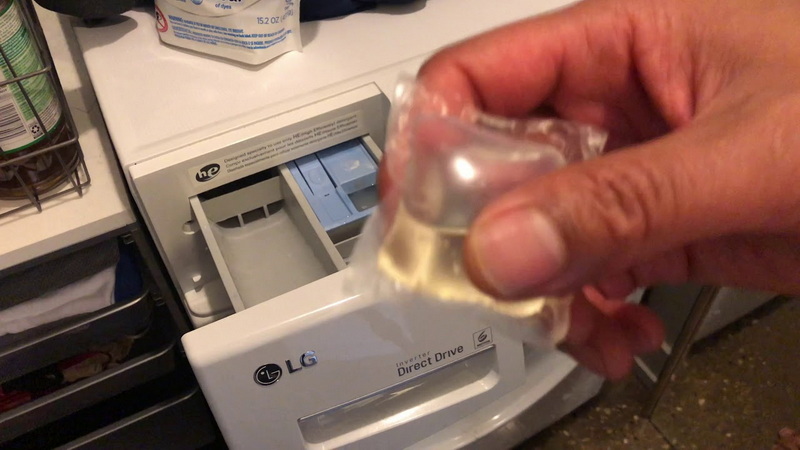
Avoid inserting pods into detergent dispensers, as they may not dissolve correctly in those compartments, leading to clogs or incomplete cleaning. Front-loaders benefit from placing the pod near the back of the drum, while top-loaders work well with central placement. Water temperature plays a role; most pods function in cold, warm, or hot cycles, though colder water might slow dissolution in lower-quality products.[1]
Follow manufacturer guidelines on pod quantity to avoid overuse, which wastes product and increases costs. Overloading the machine beyond three-quarters capacity hinders pod performance and laundry cleaning. These practices maximize efficiency and extend machine longevity.[6]
Once the wash begins, water penetrates the PVA film, causing it to dissolve within minutes and release the concentrated detergent. The surfactants lift dirt and stains, enzymes target proteins and starches, and brighteners enhance fabric appearance. This process integrates the pod contents seamlessly into the wash water.[1]
The dissolved film and detergent mixture then cleans the laundry through agitation and rinsing. Residue-free dissolution leaves no trace on clothes when used correctly, distinguishing pods from traditional detergents prone to spills. Cycle length influences performance; longer cycles ensure thorough breakdown in varying water conditions.[6][1]
After cleaning, the wastewater carrying pod remnants flows down the drain into municipal sewer systems. This step marks the transition from household use to environmental pathways, raising questions about long-term fate.[1]
Laundry pod wastewater enters treatment plants where physical, chemical, and biological processes remove contaminants. However, PVA films often persist, with studies indicating about 75% passes through untreated due to their synthetic plastic nature. These remnants fragment into microplastics and nanoplastics during treatment.[1]
Standard facilities struggle with PVA breakdown because it requires specific microbial conditions not universally present. Effluent discharged into rivers, lakes, and oceans carries these particles, contributing to aquatic pollution. Soil infiltration occurs via sludge application in agriculture, perpetuating the cycle.[1]
Research highlights PVA's slow biodegradation in natural settings, contrasting its quick solubility in controlled wash environments. Advocacy groups push for improved wastewater tech to capture such plastics, but current infrastructure lags behind pod popularity.[1]
PVA from laundry pods adds to global microplastic pollution, affecting marine life through ingestion and bioaccumulation in food chains. These tiny particles adsorb toxins, magnifying harm to ecosystems and potentially human health via seafood consumption. Annual pod use generates substantial PVA volume entering waterways.[1]
Landfill contributions come from non-dissolved packaging rather than pods themselves, exacerbating plastic waste issues. Composite materials in containers complicate recycling, often leading to landfill disposal when sorting fails. Sustainable alternatives gain traction amid these concerns.[3][1]
Consumer habits influence impact; responsible use minimizes excess detergent runoff, but PVA persistence remains a core challenge. Innovations in biodegradable films offer hope, though widespread adoption awaits regulatory and market shifts.[1]
Rinse plastic containers thoroughly to remove residue before recycling, as many local programs accept rigid detergent packaging. Check municipal guidelines for curbside options or drop-off points, flattening boxes to optimize space. Avoid contaminating streams with unrinsed items.[5][1]
Composite or film packaging poses recycling hurdles, frequently ending in landfills due to separation difficulties. Store remaining pods in original containers to prevent child access, disposing unused ones per hazardous waste rules—some areas permit drain or trash disposal in small quantities.[3][1]
Community programs vary; contact waste management for specifics on pod-related plastics. Proper sorting reduces landfill burden and supports circular economies for cleaning products.[1]
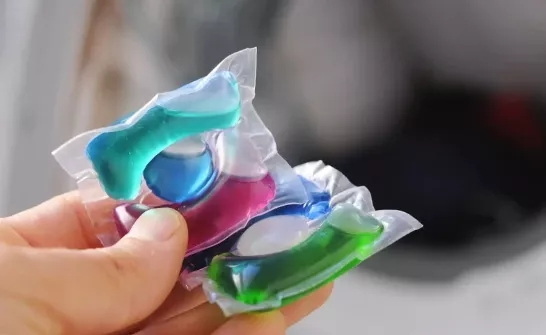
Store pods in sealed, dry containers out of children's and pets' reach, as their appealing colors and scents invite accidental ingestion. Moisture causes premature dissolution or clumping, compromising usability. Never puncture or cut pods to avoid chemical exposure.[6][1]
In case of exposure, rinse affected areas immediately and seek medical help for ingestion. Child-resistant packaging mitigates risks, but vigilance remains essential in multi-person homes. These measures ensure safe integration into routines.[1]
Match pod type to load specifics: standard for everyday whites, color-safe for delicates, heavy-duty for stains. Adjust for machine capacity to prevent under- or over-dosing. Dry hands when handling to maintain pod integrity.[6][1]
Combine with softener pods if needed, placing them separately in the drum. Test new brands on small loads to verify compatibility. These habits enhance results while conserving resources.[6]
Detergent sheets dissolve similarly but use biodegradable materials, reducing plastic concerns. Powder or liquid in recyclable packaging offers familiarity with less film waste. Refill stations cut container use, promoting sustainability.[1]
Homemade mixes from soda, borax, and flakes provide customizable, low-impact options. Eco-pods with plant-based films emerge as direct swaps. Evaluate based on needs for convenience versus environmental priorities.[1]
Manufacturers develop fully biodegradable films to replace PVA, targeting complete breakdown in treatment plants. Enzyme enhancements boost cold-water performance, saving energy. Recyclable packaging evolves with mono-materials for easier processing.[1]
Research into natural polymers advances, potentially eliminating microplastic risks. Consumer demand drives these changes, aligning convenience with ecology. Stay updated on certified green options.[1]
Agencies monitor pod safety, enforcing child-proof standards and labeling. Environmental groups lobby for PVA phase-outs, citing pollution data. Global treaties address microplastics, indirectly impacting pod design.[1]
Local bans on certain plastics spur innovation. Participation in take-back programs aids responsible end-of-life management. Informed purchasing supports progressive brands.[1]
Laundry pods streamline washing through direct drum placement and dissolution, with remnants entering wastewater systems where PVA often persists as microplastics. Proper packaging disposal via rinsing and recycling mitigates additional waste, while safety protocols protect households. Exploring biodegradable alternatives and innovations balances convenience with environmental stewardship, fostering sustainable laundry practices for future generations.[1]
Place laundry pods directly in the drum before adding clothes, at the bottom for front-loaders and centrally for top-loaders. Avoid dispensers to ensure proper dissolution and prevent residue or clogs.[6][1]
Yes, primarily due to PVA films passing through treatment as microplastics, polluting waterways and soil. Packaging waste adds challenges, though biodegradable options reduce impact.[1]
Rinse plastics thoroughly and recycle via local programs; flatten boxes. Check guidelines for composites, which may go to landfills. Unused pods follow hazardous waste rules.[3][1]
Laundry pods work in all commercial and home washers, including HE front- and top-loaders. Use correctly per load size for best results across cycle types.[1]
Consult local hazardous waste for disposal; some allow drain or trash in small amounts. Store properly to extend usability and prevent accidents.[1]
[1](https://www.ufinechem.com/where-do-laundry-pods-go.html)
[2](https://stppgroup.com/the-science-and-safety-of-laundry-detergent-pods-a-comprehensive-guide/)
[3](https://www.polyva-pvafilm.com/a-news-waste-management-in-laundry-pod-packaging.html)
[4](https://www.proudly.com.cn/the-ultimate-guide-to-laundry-pods.html)
[5](https://ca.tru.earth/blogs/tru-living/how-to-correctly-dispose-of-laundry-detergent-containers)
[6](https://www.jingliang-pod.com/how-to-use-laundry-pods-correctly-common-mistakes-and-best-practices.html)
[7](https://www.cleaninginstitute.org/understanding-products/cleaning-product-disposal)
[8](https://www.tryhampr.com/a-beginners-guide-to-using-laundry-detergent-pods/)
[9](https://www.reddit.com/r/laundry/comments/1i9r4vu/bad_laundry_detergent_disposal/)
[10](https://dadsonlaundry.com/laundry-pods-guide/)


