
Views: 222 Author: Tomorrow Publish Time: 12-03-2025 Origin: Site


Content Menu
● Why Proper Storage of Laundry Detergent Pods Matters
● Ideal Containers for Storing Bulk Laundry Detergent Pods
>> Airtight Plastic Containers
>> Glass Jars with Tight Seals
>> Original Packaging with Additional Protection
>> Lockable Storage Bins for Child Safety
● Key Environmental Conditions for Pod Storage
>> Maintain Cool, Dry Conditions
>> Block Direct Sunlight and UV Exposure
>> Isolate from Food and Other Items
● Organizing Bulk Pods Efficiently
>> Implement Clear Labeling Systems
>> Adopt Stackable and Modular Systems
>> Practice First-In, First-Out Rotation
● Safety Precautions When Handling Laundry Detergent Pods
>> Heed Manufacturer Guidelines
● Best Storage Locations in the Home
>> Controlled Garages or Basements
● Additional Tips to Extend Pod Shelf Life
● FAQ
>> 1. What is the best container to store laundry detergent pods?
>> 2. Can I store laundry pods in the bathroom?
>> 3. How long can laundry detergent pods last if properly stored?
>> 4. Are laundry detergent pods dangerous for children?
>> 5. What should I do if pods start sticking together?
Laundry detergent pods have become a modern household essential due to their convenience, pre-measured portions, and mess-free application compared to traditional liquid or powder detergents. When purchasing these pods in bulk, proper storage becomes crucial to preserve their cleaning power, fragrance, and structural integrity while ensuring household safety, particularly around children and pets.
This comprehensive guide details the best containers and methods for storing bulk laundry detergent pods, explores ideal environmental conditions, organization strategies, safety protocols, and common pitfalls to avoid. By following these recommendations, households can maximize product longevity, prevent waste, and maintain a secure laundry routine.[1][3]
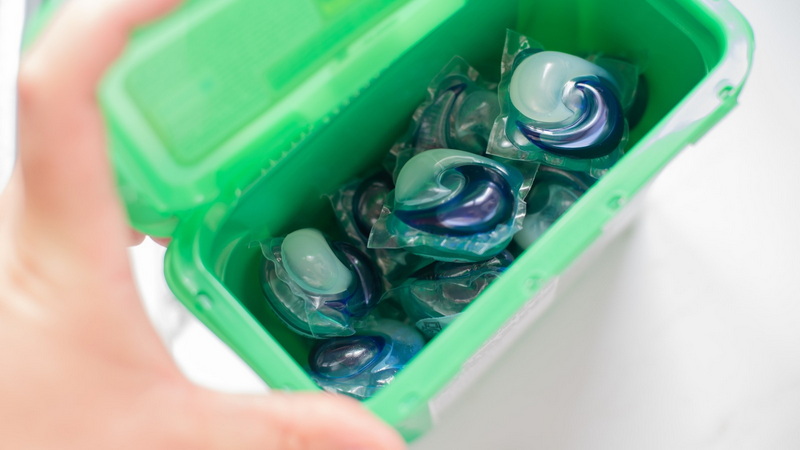
Laundry detergent pods feature a thin, water-soluble polyvinyl film that dissolves rapidly upon water contact, releasing concentrated cleaning agents. This design simplifies laundry tasks but renders pods highly vulnerable to humidity, heat, and air exposure, which can cause premature dissolution, sticking, or leakage.
Improper storage leads to several issues: pods sticking together from moisture absorption, degradation of active ingredients reducing cleaning efficacy, partial melting that creates unusable messes, and heightened safety risks from accessibility to children who may mistake colorful pods for candy. Manufacturers emphasize airtight, dry conditions to extend shelf life up to 12-18 months.[3][4][1]
Beyond performance, correct storage minimizes environmental impact by reducing product spoilage and supports cost savings for bulk buyers who rely on long-term usability.
Selecting the right container is foundational for bulk storage success. Prioritize options that block moisture, air, and light while offering durability and safety features.
Airtight plastic containers rank as the top choice for everyday bulk storage due to their affordability, lightweight design, and effective sealing mechanisms. BPA-free models with snap-lock lids and silicone gaskets create a vapor barrier that keeps humidity at bay, preventing pods from clumping or leaking.
Transparent versions allow quick inventory checks without repeated openings, ideal for busy households. For extra protection in humid climates, add silica gel packets or desiccants like DampRid inside to absorb residual moisture.[2][1]
Stackable plastic bins maximize vertical space in cabinets, making them perfect for large bulk purchases.
Glass jars, such as Mason jars with metal lids and rubber gaskets, provide an eco-friendly, premium alternative that resists chemical interactions and offers clear visibility. Their non-porous surface prevents odor retention, ensuring pods stay fresh without absorbing external scents.
Position these on stable, high shelves to avoid breakage risks, enhancing both aesthetics and functionality in organized laundry spaces. While heavier than plastic, glass excels in long-term storage for its inert properties.[1]
Rust-proof metal tins with screw-top or clamp lids deliver robust protection against light and physical damage, suitable for garages or utility areas. Food-grade stainless steel or coated aluminum prevents corrosion, maintaining pod integrity even in moderate humidity.
These containers shield against UV degradation, preserving fragrance and enzymes critical for stain removal. Avoid non-sealed tins, as they fail to block air effectively.[3]
Factory-sealed pouches or tubs remain viable for unopened bulk packs, featuring child-resistant designs tailored to pod chemistry. Once opened, transfer contents to a secondary airtight container or resealable zipper bags nested in bins for layered defense against air ingress.
This hybrid approach leverages manufacturer engineering while customizing for household needs.[4][1]
Child-proof lockable bins with dual-action latches or biometric locks prioritize safety in homes with young children or pets. These heavy-duty plastics combine airtight seals with tamper-resistant access, certified to deter accidental openings.
Ideal for floor-level storage when high shelves are unavailable, they reduce poisoning risks from ingestion, a leading concern with pod incidents.[9][2]
Container choice pairs with optimal surroundings to safeguard bulk pods comprehensively.
Aim for 20°C-25°C (68°F-77°F) in low-humidity zones, far from washers, dryers, or steamy bathrooms where condensation forms. Fluctuations accelerate film breakdown, so climate-controlled closets outperform variable garages.[1][3]
Dehumidifiers or ventilation fans help in damp regions.
UV rays degrade surfactants and dyes within pods; opt for opaque or shaded storage to block light penetration. Tinted containers add defense without compromising access.[4]
Dedicate space away from edibles to prevent cross-contamination, as pod residues pose toxicity risks if mistaken for treats. Clear labeling reinforces separation.[8][2]

Streamlined organization enhances accessibility and prevents overuse or waste.
Waterproof labels noting pod type (e.g., whites, colors, eco), purchase date, and expiration ensure quick selection and FIFO rotation. Color-coded stickers differentiate variants.[1]
Modular stackables fit tight spaces, with pull-out drawers for easy retrieval. Divide bulk into smaller subunits for weekly refills.[3]
Date containers and use oldest stock first to avoid expiration, checking quarterly for clumps signaling moisture issues.[1]
Keep a small, sealed dispenser near the washer, refilling from bulk to limit exposure. This habit preserves the main supply.[4]
Safety protocols extend storage benefits to daily use.
High shelves or locked cabinets block child and pet access; never use countertops or low drawers.[5][2][9]
Wet contact triggers dissolution; dry thoroughly before handling to avoid sticky residues or waste.[4][1]
Minimize air entry by snapping lids shut promptly, incorporating into post-laundry routines.[3]
Gentle handling avoids punctures releasing irritants; discard any compromised pods safely.[2][4]
Follow specific advice on packaging for formulation-unique needs, including usage limits.[6]
Tailor spots to home layout while upholding conditions.
High, ventilated cabinets near machines balance convenience and control.[3]
Dry, organized closets with shelving suit bulk volumes.[1]
Only if dehumidified and stable; elevate off floors.[3]
Incorporate desiccants routinely, minimize transfers, inspect for damage, and buy usage-matched quantities. Ventilation and routine cleaning of storage areas prevent buildup.[2][1]
Storing bulk laundry detergent pods correctly in airtight plastic bins, sealed glass jars, or lockable containers within cool, dry, elevated spots ensures peak performance, safety, and value. Avoiding moisture, light, and accessibility mitigates risks while optimizing organization. These practices transform bulk buying into a smart, sustainable choice for efficient laundry management.[1][3]
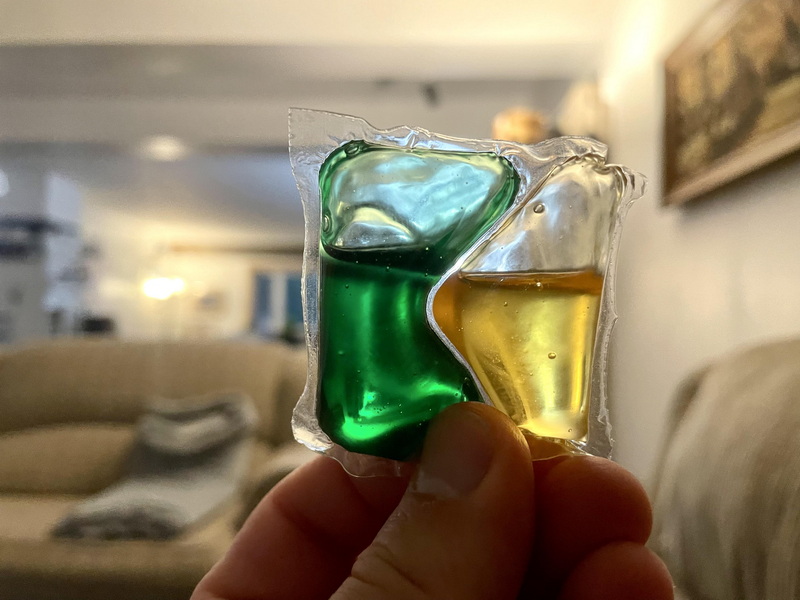
Airtight plastic or glass containers with secure, child-resistant lids protect against moisture best. Add desiccants for humid areas.[1]
No, high humidity causes sticking or dissolution. Choose dry cabinets instead.[3][1]
Up to 12-18 months in cool, airtight conditions without potency loss.[3]
Yes, their candy-like appearance risks poisoning. Use locked, high storage.[9][2]
Separate gently with dry hands and use immediately; discard severely clumped ones.[1]
[1](https://www.ufinechem.com/where-do-you-put-laundry-detergent-pods.html)
[2](https://www.ufinechem.com/how-to-make-laundry-detergent-pods-safer.html)
[3](https://ilovegain.com/en-us/tips-and-topics/safety-tips/storage-safety)
[4](https://stppgroup.com/the-science-and-safety-of-laundry-detergent-pods-a-comprehensive-guide/)
[5](https://www.ariel.co.uk/en-gb/how-to-wash/how-to-do-laundry/child-safety)
[6](https://tide.com/en-us/our-commitment/ingredients-and-safety/home-safety-tips)
[7](https://www.reddit.com/r/laundry/comments/1dh5dmn/best_way_to_store_laundry_pods_in_the_summer/)
[8](https://uihc.org/childrens/health-topics/detergent-pod-safety)
[9](https://www.healthychildren.org/English/safety-prevention/at-home/Pages/Laundry-Room-and-Detergent-Safety.aspx)
[10](https://www.reddit.com/r/laundry/comments/1929i9q/why_do_laundry_pods_say_to_store_with_the_lid_on/)


