
Views: 222 Author: Tomorrow Publish Time: 12-05-2025 Origin: Site


Content Menu
● Global History of Laundry Pods
● Laundry Pods in the European Market
● Introduction Timeline in Italy
● Key Brands and Market Entry in Italy
● Consumer Adoption Factors in Italy
● Technological Evolution of Pods in Italy
● Market Growth and Challenges
● Regulatory Framework in Europe and Italy
● Future Trends in Italian Laundry Pods
● FAQ
>> 1. When were laundry pods first introduced in Europe?
>> 2. What major brands launched pods in Italy?
>> 3. Why did Italians adopt laundry pods quickly?
>> 4. Are laundry pods environmentally friendly in Italy?
>> 5. What challenges did laundry pods face in Italy?
Laundry pods represent a significant advancement in household cleaning products, offering pre-measured doses of concentrated detergent encased in water-soluble films. These convenient packets simplify the laundry process by eliminating the need for measuring liquids or powders, reducing mess and waste. Launched globally in the early 2000s, laundry pods quickly gained traction in Europe due to their efficiency and compact design.[3][9]
The technology behind laundry pods involves polyvinyl alcohol films that dissolve rapidly in water, releasing cleaning agents, enzymes, and softeners. This innovation addressed consumer demands for time-saving solutions in busy households. In Italy, as part of the broader European market, laundry pods aligned with evolving preferences for concentrated, eco-friendly detergents.[1][5]
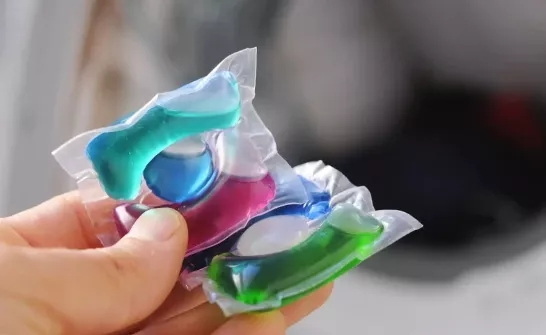
Laundry detergent pods trace their origins to earlier innovations like compacted granular tabs introduced by Procter & Gamble in the 1960s under the Salvo brand. These early tablets aimed to provide precise dosing but faded from markets by the 1970s due to dissolution issues in washers. The modern pod era began in Europe during the late 1990s and early 2000s with powder soluble sachets and liquid capsules.[3]
Unilever and Henkel pioneered liquid laundry pods in Western Europe under brands like Persil in the 1990s, with widespread adoption following the launch of Liquitabs in 2001. Procter & Gamble's Tide Pods, known as Ariel Pods in Europe, debuted in February 2012, revolutionizing the industry with multi-chamber designs for washing, softening, and stain removal. By the 2010s, pods captured significant market share, estimated at 15% of the U.S. laundry detergent sector alone.[6][3]
Europe led the concentration trend, with liquid detergent concentration rates nearing 80%, far ahead of other regions. Single-dose products like pods grew rapidly, driven by apartment living and communal laundry habits that favored portable formats. This global momentum set the stage for Italy's integration into the pod revolution.[9][1]
Liquid detergent capsules entered European markets in the early 2000s as compact, user-friendly options for laundry and dishwashing. Brands like Ariel and Persil dominated, offering innovations such as multi-chamber pods that combined cleaning and fabric care in one unit. By 2012, Procter & Gamble's Ariel Pods became a benchmark, promoted heavily across the continent.[9][3]
European consumers embraced pods for their precision dosing, which minimized overuse and environmental impact compared to traditional powders and liquids. Market reports highlighted pods' 20% share in concentrated detergent sales, fueled by urban lifestyles requiring easy-to-transport products. Safety standards evolved alongside popularity, with industry groups like A.I.S.E. implementing stewardship programs to address child safety concerns.[1][9]
Italy, with its mix of urban apartments and family-oriented households, mirrored these trends. Domestic brands like Spuma di Sciampagna and Felce Azzurra, established in the late 19th and early 20th centuries, initially focused on liquids and powders but adapted to modern formats. The shift to pods reflected broader EU regulations on detergent concentration and sustainability.[7]
Laundry pods arrived in Italy shortly after their European rollout, with major brands introducing versions around the early 2010s. Ariel Pods, from Procter & Gamble, led the charge, leveraging the 2012 global launch to penetrate Italian shelves quickly. Persil and Dash followed suit, offering localized variants tailored to Mediterranean laundry habits like frequent washing of delicate fabrics.[5]
By 2014, pods were firmly established in Italian supermarkets and online platforms, coinciding with rising demand for concentrated products. This timing aligned with EU-wide pushes for eco-doses, where Italy's market saw pods as ideal for small-load washers common in compact homes. Sales data from the period indicate rapid uptake, driven by advertising campaigns emphasizing convenience.[5][9]
The exact debut is tied to 2001's Liquitabs launch across Europe, but Italy-specific commercialization peaked post-2012 with Ariel's dominance. Local manufacturers integrated pod technology by mid-decade, blending it with traditional Italian scents and formulas. This phased entry ensured pods complemented rather than replaced established liquid detergents.[3][5]
Procter & Gamble's Ariel Pods marked the pivotal entry, available in Italy by 2012-2013, featuring triple-action chambers for deep clean, color protection, and freshness. Unilever's Persil pods followed, emphasizing enzyme-based stain removal suited to Italian cuisine stains like tomato sauce. Henkel's Dash pods targeted budget-conscious families with effective, affordable options.[5]
Italian brands responded dynamically. Paglieri's Felce Azzurra, originating in 1876, expanded into pods by the mid-2010s, incorporating fern-inspired fragrances popular locally. Spuma di Sciampagna, acquired in 1989, launched pod lines focusing on foam-rich cleaning for hand-wash traditions still prevalent in rural areas. These adaptations boosted acceptance among consumers loyal to "made in Italy" products.[7]
International players like WinPods entered later, around 2014-2018, highlighting multi-functional beads. By 2020, pods held a notable share in Italy's €1 billion-plus laundry market, with e-commerce platforms accelerating growth through promotions. Brand diversity ensured pods appealed to varied demographics, from millennials to seniors.[1][5]
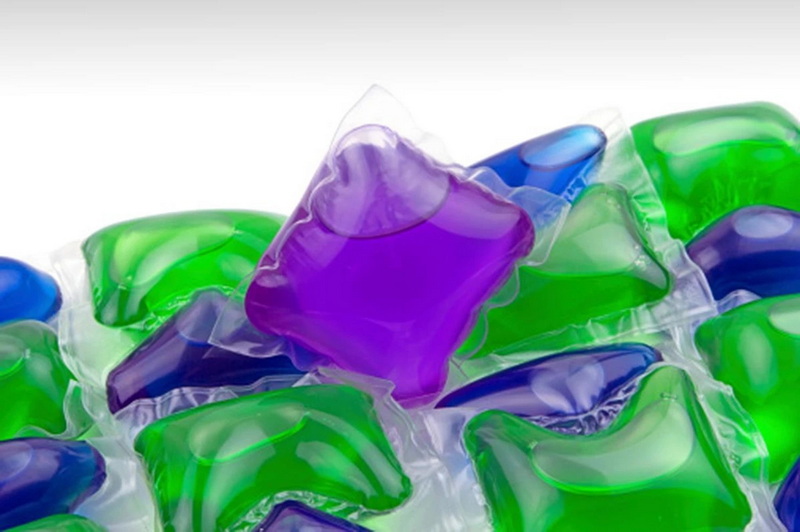
Italians adopted laundry pods due to urban living constraints, where space-saving products shone in apartments with front-loading machines. The "sophisticated laziness" trend—prioritizing convenience without quality loss—resonated, as pods eliminated measuring and cap-twisting hassles. Social media, akin to China's Xiaohongshu influence, played a role via Italian influencers showcasing pod ease.[1]
Environmental awareness drove uptake, with pods' concentrated formula reducing packaging and water in production. Italian households, washing frequently due to Mediterranean climates, appreciated precise dosing for energy-efficient cycles. Surveys from the era showed 20-30% preference shifts toward pods by 2015, especially in northern cities like Milan.[9][1]
Challenges included initial skepticism over dissolution in hard water areas like Sicily, addressed by formula tweaks. Safety campaigns mitigated child ingestion risks, similar to U.S. efforts post-2012. Overall, pods integrated seamlessly into Italy's laundry culture by the late 2010s.[3]
Early Italian pods used single-chamber designs for basic cleaning, evolving to dual- and triple-chamber by 2015 for comprehensive care. Water-soluble films improved for cold-water efficacy, vital in energy-conscious Italy. Additives like antibacterial agents met post-pandemic demands, mirroring global trends.[1]
Multi-color coding aided sorting, with blue for whites and green for colors, catering to Italian fashion sensibilities. Biodegradable films emerged by 2020, aligning with EU green directives. Manufacturing localized in northern Italy reduced costs, enhancing competitiveness against imports.[10]
Innovations included scented variants evoking citrus groves, boosting repeat purchases. Pod sizes adapted for small European washers, typically one pod per 4-5 kg load. These advancements solidified pods' position, with market growth projected at 5-7% annually through 2025.[6][10]
Italy's laundry pod market expanded from niche in 2012 to mainstream by 2018, fueled by retail expansions in Coop and Esselunga chains. Online sales surged during COVID-19, with platforms like Amazon.it reporting 50% YoY growth. Pods captured 15-20% of concentrated segments, challenging liquids' dominance.[10][1]
Challenges encompassed safety regulations, prompting child-resistant packaging by 2015. Price premiums deterred low-income households, though private labels like those from Conad bridged gaps. Competition from eco-powders persisted in southern regions. Despite hurdles, pods' convenience ensured sustained growth.[9]
Economic factors like inflation in 2022-2023 temporarily slowed premium pod sales, but recovery followed with value packs. Projections indicate pods reaching 25% market share by 2030, driven by sustainability mandates.[10]
EU detergents regulation (EC) No 648/2004 mandated ingredient labeling and biodegradability, accelerating pod standardization. A.I.S.E.'s stewardship since the early 2000s focused on capsule safety, influencing Italian implementations. National standards aligned, ensuring pods met pH and efficacy tests.[9]
Italy enforced child-safety via packaging laws post-2015 incidents, mirroring U.S. Poison Prevention Packaging Act. MISE standards, effective 2022, added active substance metrics, stabilizing quality. These measures built consumer trust, propelling adoption.[1]
Sustainability leads trends, with plant-based films and zero-plastic pushes by 2025. Smart pods with app-linked dosing emerge for connected homes. Customization via subscription models grows, targeting busy professionals in Rome and Turin.[10]
Health-focused formulas, like hypoallergenic variants, cater to sensitive skin prevalent in Italy. Market consolidation sees mergers among local brands. Pods will likely dominate 30% of sales by decade's end, blending tradition with innovation.[10]
Laundry pods emerged in Italy around 2012, following Europe's early 2000s innovations, transforming daily chores with unmatched convenience and efficiency. Brands like Ariel and Persil drove adoption, overcoming challenges through technological and regulatory advancements. As sustainability and smart features evolve, pods remain integral to Italy's modern laundry landscape, promising continued growth and consumer satisfaction.[5][3][9]
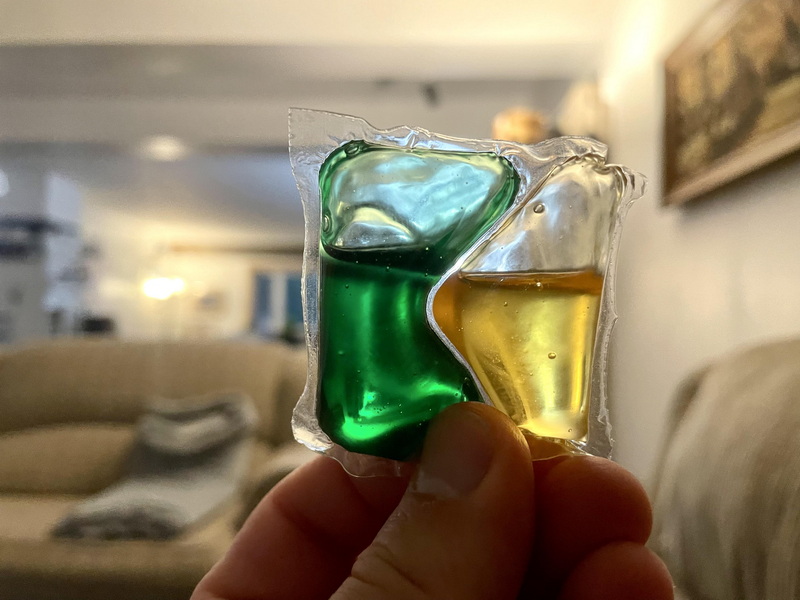
Laundry pods, specifically liquid capsules, entered European markets in the early 2000s, with Liquitabs launching in 2001. Powder sachets appeared in the late 1990s in the UK, setting precedents for Italy and others.[3][9]
Ariel Pods by Procter & Gamble led in 2012-2013, followed by Persil from Unilever and Dash from Henkel. Local brands like Felce Azzurra adapted later.[7][5]
Urban lifestyles, precise dosing, and portability suited apartment living and frequent washing. Convenience outweighed initial costs, boosted by marketing.[5][1]
Concentrated formulas reduce waste, with biodegradable films advancing per EU rules. They use less water in production than liquids.[9][10]
Safety concerns led to regulations, while hard water and prices posed hurdles. Innovations and education resolved most issues.[1][9]
[1](https://www.gzwinpods.com/it/laundry-pod-sales-driven-by-sophisticated-laziness/)
[2](https://www.gzwinpods.com/ja/laundry-pod-sales-driven-by-sophisticated-laziness/)
[3](https://en.wikipedia.org/wiki/Laundry_detergent_pod)
[4](https://www.gzwinpods.com/laundry-pod-sales-driven-by-sophisticated-laziness/)
[5](https://www.watersolubleplastics.com/a-news-when-did-laundry-pods-come-out-in-italy-proudly)
[6](https://www.polyva-pvafilm.com/history-of-laundry-detergents-and-the-invention-of-pods.html)
[7](https://www.bell-italia.com/blog/en/home-care/italian-detergents-laundry-and-household-detergents-5-brands-that-are-appreciated-all-over-the-world)
[8](https://www.linkedin.com/pulse/what-laundry-pods-uses-how-works-top-companies-2025-elevatenew-duiye)
[9](https://aise.eu/priorities/product-stewardship/industry-stewardship-programmes/liquid-detergent-capsules/)
[10](https://www.whitecatusa.com/Laundry-Pod-Trends-Adapting-to-Consumer-Preferences-in-the-Global-Market)


