
Views: 222 Author: Tomorrow Publish Time: 11-21-2025 Origin: Site


Content Menu
● Chemical Composition and Its Risks
>> Common Ingredients and Their Hazards
>> 5. Long-Term Health Effects
● How to Use Laundry Pods Safely
● Regulatory Measures and Industry Initiatives
● Consumer Awareness and Education
● FAQ
>> 1. What happens if laundry pod detergent touches the skin?
>> 2. Are laundry pods safe for septic systems?
>> 3. Can laundry pods harm the environment?
>> 4. What should I do if a child swallows a laundry pod?
>> 5. How can I store laundry pods safely?
Laundry pods have become a symbol of modern convenience, offering pre-measured doses of detergent that reduce waste and simplify washing chores. However, beneath their sleek design and vibrant packaging lies a set of serious safety concerns. These small, colorful capsules pose threats not only to young children and pets but also to environmental and health safety. Understanding the dangers of laundry pods can help consumers make safer, more informed choices for their households.

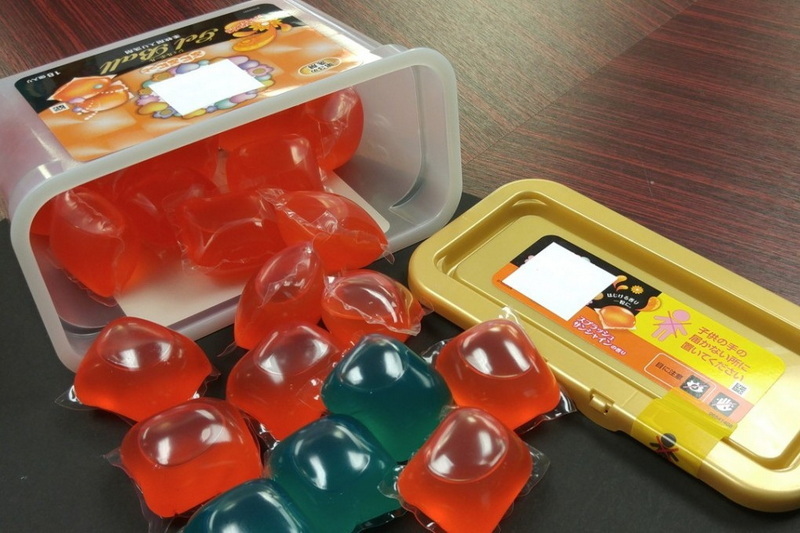
Laundry pods, also known as detergent capsules or packs, are small, water-soluble pouches containing concentrated liquid or powder detergent. A typical pod is made of polyvinyl alcohol (PVA) film, which dissolves quickly in water during washing cycles. Inside, manufacturers blend surfactants, enzymes, softening agents, brighteners, fragrances, and other additives to enhance cleaning performance.
The innovation of laundry pods lies in their convenience. Users no longer need to measure detergent or risk spills. However, this same convenience hides dangers linked to chemical concentration and improper handling.
The main risk of laundry pods stems from their intense chemical content. Each pod contains highly concentrated detergent, meaning exposure leads to more severe reactions than regular diluted detergent.
- Surfactants: Efficient cleaners but can cause skin and eye irritation upon direct contact.
- Enzymes: Break down proteins and starches but may trigger allergic reactions or asthma when inhaled as residue.
- Fragrances and dyes: Create appealing scents and colors but can irritate sensitive skin or cause contact dermatitis.
- PVA film: Safe when used correctly but may contribute to microplastic pollution if not fully degraded in wastewater.
Due to these concentrations, accidental ingestion or skin exposure—even in small amounts—can result in serious harm.
Laundry pods often resemble candies or colorful toys, especially to young children. When swallowed, the concentrated detergent can cause mouth burns, vomiting, difficulty breathing, or even central nervous system depression. Cases reported to poison control centers have shown severe symptoms after consuming only one pod. Between 2012 and 2017, U.S. poison control centers received nearly 73,000 calls involving laundry pod exposures, resulting in several severe cases and some fatalities, mostly involving young children and adults with dementia.[1][4]
If a pod bursts near the face or leaks during handling, the pressurized detergent may shoot into the eyes, leading to redness, pain, and chemical burns. Such injuries require immediate rinsing with water and professional medical attention. Eye injuries from laundry pods are increasing, with some 700 cases visiting emergency rooms annually for related incidents.[1]
Direct contact with the pod's contents can lead to redness, rashes, or itching. Individuals with sensitive or damaged skin are particularly vulnerable. Prolonged exposure can remove natural oils, resulting in dryness or inflammation. Liquid detergent on the skin can cause irritation and sometimes allergic reactions.[2]
Opening pods prematurely or rupturing them releases detergent vapors or aerosols. Breathing these can irritate the nose, throat, and lungs, especially for people with allergies or asthma. Occupational safety also concerns workers who handle these chemicals regularly.[6]
Although short-term injuries are more common, frequent exposure to detergent chemicals may contribute to allergic sensitization or respiratory issues. The exact long-term impact remains under study but highlights caution, especially for vulnerable groups.[1]

The vibrant colors and soft texture of laundry pods attract children and animals. Toddlers may mistake them for candy, while pets might treat them as chew toys. In both cases, ingestion or rupturing can cause poisoning and internal injuries.
Despite manufacturer efforts to improve packaging and add bittering agents, incidents continue to occur. Child-resistant containers and warning labels are standard but not failproof. Supervising children and storing pods safely are crucial preventive actions.[7][1]
Laundry pods also pose potential risks to ecosystems. Although the PVA film is designed to dissolve, incomplete degradation can occur in lower temperature cycles, releasing microplastics into waterways. Furthermore, detergents contain surfactants that, when discharged into rivers or oceans, can disrupt aquatic habitats by reducing oxygen levels and harming fish and plant life.
Many wastewater treatment facilities cannot fully remove detergent residues, resulting in water pollution. Over time, the accumulation affects aquatic biodiversity and may even impact drinking water safety in some regions.[6]
Despite their risks, laundry pods can be used safely when handled responsibly. The following precautions can reduce hazards:
1. Store out of reach. Keep pods in locked cabinets away from children and pets.
2. Handle with dry hands. Wet hands can cause the pod film to dissolve prematurely.
3. Do not puncture. Avoid squeezing, cutting, or biting the pods.
4. Use one pod per load. Overuse increases chemical residue on clothes.
5. Close containers tightly. Prevent moisture and accidental spills.
6. Dispose responsibly. Follow local waste and recycling guidelines for packaging.
Education about the dangers and proper usage remains critical to safety.
Consumers seeking safer or eco-friendly alternatives can consider:
- Liquid or powder detergents. They allow more control over dosage and reduce chemical concentration.
- Eco-certified detergents. These contain biodegradable ingredients and minimal fragrances.
- Homemade detergents. When formulated correctly, they can be effective and less toxic.
- Laundry sheets or strips. Also pre-measured but often made using gentler ingredients with recyclable packaging.
Regulators worldwide have recognized laundry pod hazards. The U.S. Consumer Product Safety Commission (CPSC) and European Chemicals Agency (ECHA) have encouraged stronger labeling, opaque packaging, and safety locks. Many manufacturers now include child-resistant closures, bitter-tasting coatings, and warning labels.
Despite voluntary standards implemented since 2015, such as opaque containers and bitter coatings, some safety concerns persist. Between 2015 and 2017, exposures among children under six decreased by approximately 18%, with a 53% decline in accident rates overall, demonstrating some progress. Yet, exposures among older children and adults, especially with dementia, have risen.[3][2][1]
Consumers are encouraged to buy from reputable manufacturers complying with safety standards.
Public education campaigns help reduce poisoning cases. Families, healthcare providers, and poison control centers promote awareness about pod risks and first aid in case of exposure. Early intervention significantly improves outcomes following ingestion or contact.
A strong understanding of product risk leads to safer practices in every household. Manufacturers, retailers, and consumers share responsibility for ensuring laundry pods clean clothes without endangering health or the environment.[2][1]
While laundry pods provide an efficient and mess-free way to do laundry, their convenience comes with hidden dangers. The high chemical concentration can harm humans, animals, and the environment if used carelessly. Awareness, supervision, and adherence to safety guidelines can mitigate most risks. Choosing eco-friendly detergent alternatives further reduces exposure while supporting sustainable living. Safety and responsibility should always guide every wash cycle.
If detergent from a pod contacts the skin, it may cause irritation or redness. Immediate washing with water helps relieve discomfort. Persistent symptoms require medical advice.[2]
Most high-quality pods are safe for septic systems when used correctly. Repeated overuse or incomplete dissolution can disrupt bacterial balance, so following dosage instructions is important.[6]
Yes. Incomplete breakdown of pod film and detergent chemicals can harm aquatic life and contribute to microplastic pollution. Choosing biodegradable pods reduces environmental impact.[6]
Call emergency services or poison control immediately. Do not induce vomiting or give food or drink unless advised. Keep the product label available for reference.[4]
Store pods in airtight, child-resistant containers, high cabinets, or locked drawers away from moisture and heat. Avoid leaving pods accessible to children or pets.[1]
[1](https://www.cbsnews.com/news/laundry-pods-still-a-serious-safety-risk-for-kids-some-people-with-dementia-study/)
[2](https://www.consumerreports.org/cro/magazine/2015/07/the-problem-with-laundry-detergent-pods/index.htm)
[3](https://www.safetyandhealthmagazine.com/articles/25071-its-not-just-kids-laundry-pod-related-poisonings-up-among-adults-study-shows)
[4](https://www.ufinechem.com/how-many-laundry-pod-deaths.html)
[5](https://www.youtube.com/watch?v=Nyb73JJY-5w)
[6](https://stppgroup.com/the-science-and-safety-of-laundry-detergent-pods-a-comprehensive-guide/)
[7](https://en.wikipedia.org/wiki/Consumption_of_Tide_Pods)
[8](https://www.nationwidechildrens.org/research/areas-of-research/center-for-injury-research-and-policy/injury-topics/home-safety/laundry-pods)
[9](https://www.youtube.com/watch?v=DS6JOC8_9b4)
[10](https://6abc.com/laundry-detergent-pods-consumer-reports-children-poisoned/856596/)


