
Views: 222 Author: Tomorrow Publish Time: 01-26-2026 Origin: Site


Content Menu
● What Are Detergent Enzymes and How Do They Work?
● Global Market Outlook for Detergent Enzymes
● Top 5 Detergent Enzyme Manufacturers in the World
>> 1. Dongguan UFine Daily Chemical Co., Ltd. (China) – OEM Enzyme Detergent Solution Provider
>> 2. Novozymes (Denmark) – Global Leader in Biological Enzyme Innovation
>> 3. BASF (Germany) – High-Performance Enzyme Blends for Liquid and Powder Detergents
>> 4. DuPont (IFF) – Long-Standing Innovator in Detergent Enzyme Systems
>> 5. AB Enzymes (Germany) – Customized Enzyme Solutions for Niche and Tailor-Made Detergents
● Summary Table: Leading Detergent Enzyme Manufacturers
● How to Choose the Right Detergent Enzyme Manufacturer
>> 1. Manufacturing Capacity and Supply Reliability
>> 2. Innovation and Technical Support
>> 4. Regulatory and Sustainability Requirements
>> 5. Integration With OEM Detergent Production
● Practical Steps to Integrate Enzymes into Your Detergent OEM Project
>> 1. Define Market and Product Positioning
>> 2. Specify Target Stain Profile and Wash Conditions
>> 3. Choose Enzyme Types and Combinations
>> 4. Pilot Formulation and Laboratory Testing
>> 5. Stability, Packaging, and Shelf-Life Optimization
>> 6. Scale-Up and Regulatory Compliance
● Matching Enzyme Suppliers With OEM Detergent Factories
● Where to Use Visuals and Charts in the Article
● Take Action: Launch Your Enzyme-Based Detergent Line With UFine
● FAQs About Detergent Enzymes and OEM Manufacturing
>> 1. Are enzyme-based detergents more environmentally friendly than traditional formulas?
>> 2. Can enzymes be used in both powder and liquid detergents?
>> 3. How do OEM factories handle enzyme stability during production and storage?
>> 4. What is the typical lead time for an OEM enzyme-based detergent project?
>> 5. Do small or medium-sized brands benefit from working with top global enzyme suppliers?
Detergent enzymes are now at the core of high-performance laundry and dishwashing formulas because they boost cleaning power at lower temperatures, protect fabrics, and support more sustainable formulations. For OEM, private label, and bulk detergent buyers, choosing the right detergent enzyme manufacturer directly influences cleaning performance, product positioning, and long-term brand reputation.
This guide reviews the top 5 detergent enzyme manufacturers in the world, explains their strengths, and adds OEM-focused insights so you can match the right supplier to your business model. It also includes practical selection criteria, current market trends, and a clear call-to-action for brands seeking a flexible OEM detergent partner in China.
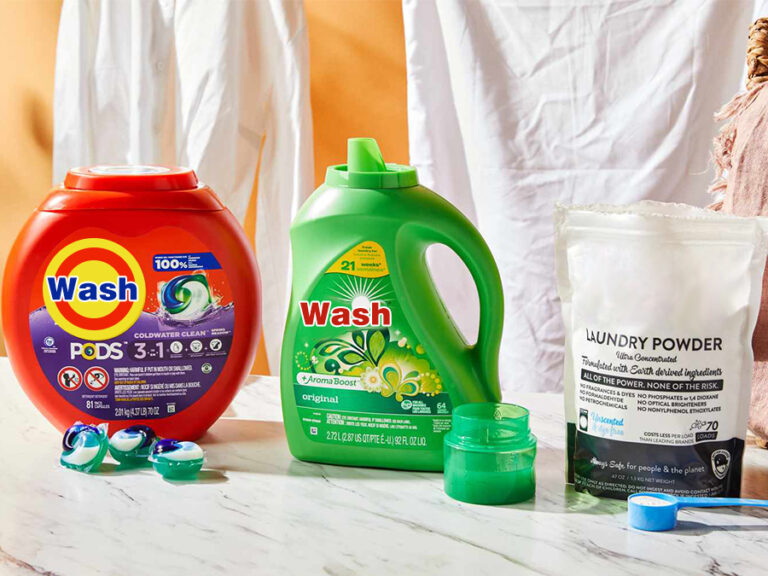
Detergent enzymes are biological catalysts that target specific types of stains such as proteins, starch, oils, and cellulose-based residues. By breaking down these soils into smaller, water-soluble fragments, enzymes allow surfactants and builders to remove stains more efficiently even in cold or short wash cycles.
Key enzyme types used in modern detergents include:
- Proteases – act on protein-based stains like blood, sweat, milk, and egg.
- Amylases – break down starch residues from foods such as rice, pasta, and sauces.
- Lipases – target oily and fatty stains from cooking oil, butter, and skin sebum.
- Cellulases – help remove microfibrils and fuzz from cotton, enhancing fabric brightness and softness.
Because enzymes work at relatively low dosages yet deliver strong performance, they support more concentrated, eco-friendlier, and cost-effective detergent formulations.
The global market for enzymes for laundry detergents is expected to maintain steady growth over the next decade. This trend is driven by rising demand for compact detergents, cold-water washing, energy savings, and stricter sustainability targets from retailers and regulators.
Several long-term trends are shaping the competitive landscape:
- Shift from traditional chemicals to bio-derived enzymes that offer better biodegradability and lower toxicity.
- Strong adoption in North America and Europe, with high growth in Asia-Pacific and Latin America due to urbanization and income growth.
- Increasing collaboration between enzyme manufacturers and OEM detergent factories to co-develop tailor-made enzyme systems for specific markets and wash habits.
For detergent OEM brands, this means enzyme choices will increasingly affect not only cleaning performance but also environmental claims, certifications, and market access.
Dongguan UFine Daily Chemical Co., Ltd. is a specialized OEM and ODM factory in China focusing on household dishwashing and laundry detergents, with deep experience in enzyme-based formulations for global markets. The company provides integrated services that include formula design, raw material sourcing, packaging development, and export documentation for international brands, wholesalers, and importers.
Key advantages for overseas brands include:
- Strategic cooperation with leading global chemical and enzyme suppliers, ensuring stable access to high-quality enzymes and essential raw materials.
- A modern factory site of over 20,000 square meters with advanced production lines and strict quality control systems for powder, liquid, pod, sheet, and dishwashing detergents.
- Full OEM and ODM services from custom formula development and stability optimization to packaging customization and branding support.
UFine is particularly suitable for businesses that want to launch or upgrade their own enzyme-based laundry or dishwasher detergents under private label, while keeping flexible minimum order quantities, balanced cost-performance, and professional technical support.
Novozymes, headquartered in Denmark, is widely recognized as a global leader in industrial enzymes and biological solutions. It supplies enzyme systems for laundry and automatic dishwashing detergents in a broad range of countries, with a strong emphasis on sustainability and performance.
Highlights of Novozymes in the detergent enzyme field include:
- A large global workforce and extensive network of production sites, laboratories, and technical centers across multiple regions.
- A strong focus on high-efficiency biological detergents, eco-friendly enzyme systems, and solutions that enable cold-water washing and reduced environmental impact.
- Close technical collaboration with detergent manufacturers to create multi-enzyme systems optimized for specific stain profiles and washing conditions.
Typical detergent enzyme portfolio:
- Proteases for deep protein stain removal.
- Amylases for starch-heavy diets.
- Cellulases for fabric care, color renewal, and anti-pilling.
- Lipases for tough grease and fat stains.
Novozymes is often selected by OEM brands that need premium performance, strong sustainability messaging, and robust technical support for complex multi-enzyme formulations.
BASF, based in Germany, is a global chemical group with extensive operations and a strong presence in the home care and industrial cleaning sector. Among its broad portfolio, BASF provides detergent enzymes engineered for performance, stability, and compatibility across powder, liquid, capsule, and other modern formats.
Core strengths in detergent enzymes include:
- Fermentation-based production with strict quality and consistency control, ensuring stable enzyme activity from batch to batch.
- Enzymes tailored for cold-water cleaning, which help reduce energy consumption in home and commercial laundry applications.
- Bio-based stain removal technologies, enzyme stabilizers, and formulation aids suited to concentrated and compact detergents.
BASF is particularly attractive for OEM projects where cost-effectiveness, high-volume supply, and integration with other chemical ingredients such as surfactants, polymers, and builders are critical.
The former DuPont Industrial Biosciences business, now part of International Flavors & Fragrances (IFF), maintains a strong position in the detergent enzyme market. With decades of experience in enzyme development, this business unit focuses on laundry and automatic dishwashing applications that demand advanced performance and clear sustainability benefits.
Key capabilities include:
- Advanced proteases that serve as the backbone for many multi-enzymatic laundry systems.
- Starch-targeting amylases that enhance removal of food-based stains common in household laundry.
- Stabilized enzyme cocktails optimized for liquid detergents, pods, and unit-dose formats, where enzyme protection is essential for shelf life.
DuPont (IFF) is a preferred partner for eco-conscious brands that require both high performance and documented environmental advantages, especially in mature markets such as North America and Europe.
AB Enzymes, a subsidiary of ABF Ingredients, offers versatile enzyme solutions for multiple industries, including detergents. The company is known for its ability to design customized enzyme systems that match specific substrates, wash conditions, and market demands.
Important points about AB Enzymes:
- A long history in industrial biotechnology and enzyme development, serving customers in numerous regions worldwide.
- A strong R&D focus on enzyme stability, substrate specificity, and tailor-made blends to solve targeted cleaning or fabric-care challenges.
- Flexible cooperation models that allow detergent formulators and OEM factories to fine-tune enzyme combinations for different water qualities, washing temperatures, and consumer habits.
Representative product lines for detergents include proteases and other specialized enzymes that can be integrated into formulations to provide targeted stain removal and fabric performance benefits. For OEM brands seeking niche performance advantages or regional differentiation, AB Enzymes is a strong candidate.
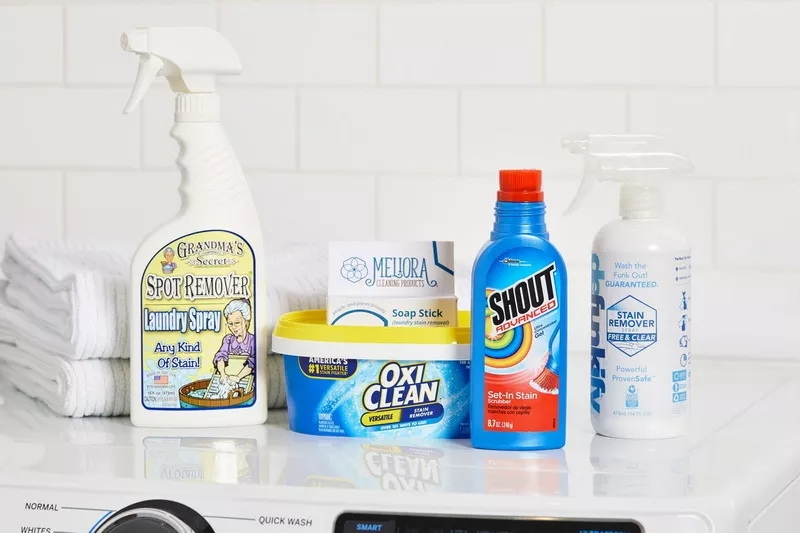
| Manufacturer | Headquarters | Main Strengths | Typical Key Markets |
|---|---|---|---|
| Dongguan UFine Daily Chemical Co., Ltd. | China | OEM enzyme detergents, flexible private label solutions | Global OEM, importers, wholesalers |
| Novozymes | Denmark | Biological enzyme innovation, sustainability leadership | Global, multi-region presence |
| BASF | Germany | Cold-water enzyme tech, stable blends, chemical synergy | Global, mass market and branded products |
| DuPont (IFF) | USA | Advanced multi-enzyme systems, eco-conscious solutions | North America, Europe, Asia |
| AB Enzymes | Germany | Customized, niche enzyme solutions, high R&D focus | Europe, Asia, Latin America |
Selecting a detergent enzyme partner is not only about price; it must align with your target markets, product positioning, and OEM supply chain. The following factors are essential when comparing manufacturers and planning OEM projects.
Choose manufacturers and OEM partners that can support your current demand and future growth. High-volume projects benefit from partners with large production capacity and strong logistics.
If your differentiation depends on advanced stain removal, fabric care, or unique sustainability claims, prioritize suppliers with strong R&D capabilities and technical service teams.
When you need tailor-made enzyme blends for specific substrates, water types, or washing temperatures, work with manufacturers that offer formulation flexibility and custom development.
For products targeting strict markets, ensure your enzyme supplier provides the required documentation for biodegradability, safety, and environmental claims.
Aim for close collaboration between enzyme suppliers and OEM detergent factories, so lab formulations can be translated into stable, mass-produced products with consistent quality.
For brands planning a new enzyme-based detergent line, the project lifecycle typically follows several practical steps. Understanding these steps helps you manage time, cost, and technical risks more effectively.
Decide whether your detergent will emphasize eco-friendliness, powerful stain removal, fabric care, fragrance experience, or value pricing. Clarify your target consumer segments and sales channels.
Analyze how and where your end consumers wash: cold or warm water, machine type, typical stains such as food, outdoor mud, or body soils, and dominant fabrics like cotton, synthetics, or blends.
Based on your market and stain profile, your OEM or enzyme partner will recommend protease, amylase, lipase, cellulase, or multi-enzymatic systems. This stage balances cleaning performance, cost, and marketing claims.
Run controlled washing tests comparing different enzyme dosages and combinations versus non-enzyme formulas or existing benchmarks. Validate performance on key stains and fabrics.
Work with your OEM factory to ensure that enzymes remain active in your chosen format—powder, liquid, pod, or sheet—throughout the intended shelf life and under realistic storage conditions.
Once performance and stability are confirmed, scale up to industrial production. Prepare all documentation required by local regulations, retailers, and any voluntary eco-label standards.
A clear, step-by-step process reduces risk and helps position your new product line with solid, evidence-based benefits in the market.
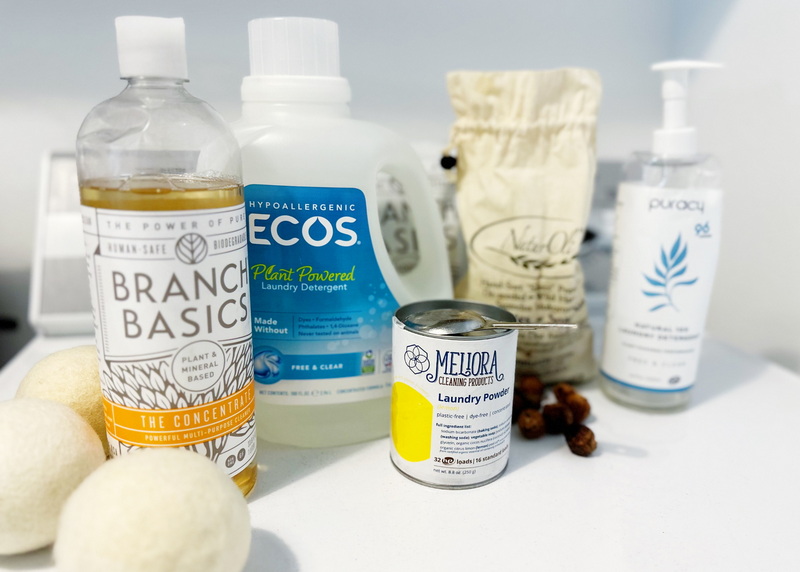
To maximize performance and cost-efficiency, many brands select a two-layer partnership: a global enzyme manufacturer and a specialized OEM detergent factory. The goal is to combine enzyme innovation with agile, export-ready production and market-specific customization.
A practical matching strategy might include:
- Working with Novozymes or DuPont (IFF) when your brand needs cutting-edge multi-enzymatic systems and strong sustainability storytelling for premium segments.
- Combining BASF enzymes with a Chinese OEM factory such as Dongguan UFine Daily Chemical to balance performance, cost, and scalability for mass-market private label ranges.
- Leveraging AB Enzymes for niche or regional specialties, then integrating these into customized OEM formulations adapted to local water quality and washing behavior.
By aligning enzyme suppliers and OEM partners at the start of the project, brands can shorten development timelines, avoid reformulation loops, and reach the market faster with a more competitive product.
To strengthen user experience and clarify complex information, consider inserting visuals at the following points:
- After the global market outlook section, add a line or bar chart showing detergent enzyme market growth over time, including revenue and growth rate.
- Next to the summary table, create an icon-based infographic that highlights each manufacturer's key strength, such as innovation, customization, or scale.
- In the OEM project steps section, include a process flow diagram illustrating the journey from concept and formulation to pilot testing, scale-up, and launch.
These visuals make it easier for readers to scan the article and understand core ideas quickly, especially on mobile devices or when comparing multiple OEM options.
If you are a detergent brand owner, importer, or wholesaler planning to build or upgrade your own enzyme-based laundry or dishwashing product line, now is the time to move from research to execution. By partnering with an experienced OEM factory such as Dongguan UFine Daily Chemical Co., Ltd., you can combine high-quality enzyme technologies with flexible private label solutions, tailored formulations, and reliable export-oriented production.
Reach out to UFine to discuss your project requirements, target markets, and performance goals. Their team can provide sample formulas at different price points, support lab testing and pilot orders, and guide you smoothly from concept to mass production. Taking this step will help you bring high-performance, enzyme-based detergents to your market faster, with a strong foundation for long-term brand growth.
Contact us to get more information!
Enzyme-based detergents often allow effective cleaning at lower temperatures and with lower dosages. This can help reduce energy use and overall chemical load in wastewater compared with purely chemical formulations. However, complete environmental impact depends on the full formula, packaging, and consumer usage patterns.
Yes, detergent enzymes are widely used in powders, liquids, pods, and even sheets. The main difference lies in formulation strategies and stabilizers, because liquid products and unit-dose formats require special protection to maintain enzyme activity over the entire shelf life.
Professional OEM factories manage enzyme stability by controlling process conditions, including temperature, pH, and mixing order. They also use appropriate stabilizers or encapsulation technologies and design packaging that protects the product from moisture, heat, and light.
Lead time depends on project complexity, but after formula confirmation, experienced OEM factories can often complete production within a few weeks for standard orders. Initial stages such as formula development, testing, and packaging design may require additional time before the first mass-production run.
Yes, small and medium-sized brands can benefit significantly. When their OEM factory cooperates with major enzyme manufacturers, these brands gain access to advanced technologies, technical support, and proven enzyme systems without needing to manage large direct contracts or in-house R&D capabilities.
1. https://vigour-group.com/insights/top-5-detergent-enzymes-manufacturers-in-the-world/
2. https://www.futuremarketinsights.com/reports/enzymes-for-laundry-detergent-market
3. https://www.gminsights.com/industry-analysis/bio-derived-enzymes-for-detergents-market
4. https://www.ufinechem.com
5. https://www.ufinechem.com/laundry-detergent.html
6. https://www.ufinechem.com/dishwasher-detergent.html
7. https://www.linkedin.com/pulse/top-detergent-enzymes-companies-how-compare-them-2025-vgjxf


