
Views: 222 Author: Tomorrow Publish Time: 11-13-2025 Origin: Site


Content Menu
● How Much Detergent Do You Really Need?
● Pods Versus Traditional Detergent
● The Case for Using Three Pods
● Potential Risks of Overusing Pods
● Practical Guidelines for Optimal Use
● Alternatives and Complements to Pods
● Practical Scenarios and Recommendations
● Environmental and Health Considerations
● FAQ
>> 1. How many laundry pods should I use for a standard load?
>> 2. Can using three pods damage my washing machine?
>> 3. Do laundry pods work in all types of washers?
>> 4. Will three pods clean better on hard water?
>> 5. Are there environmental risks to using laundry pods?
Laundry pods have become a recognizable convenience in households worldwide. They promise easy, mess-free dosing and consistent results, sparking both enthusiasm and debate among consumers. The Reddit community, known for its candid discussions and practical troubleshooting, often turns to questions about the optimal number of pods to use for different laundry loads, fabrics, and water conditions. This article explores the topic with a data-informed mindset, examining factors such as load size, soil level, water hardness, detergent concentration, and the environmental implications of pod usage. It also looks at common misconceptions and provides practical guidance for readers who want to optimize their laundry routine without overusing products.

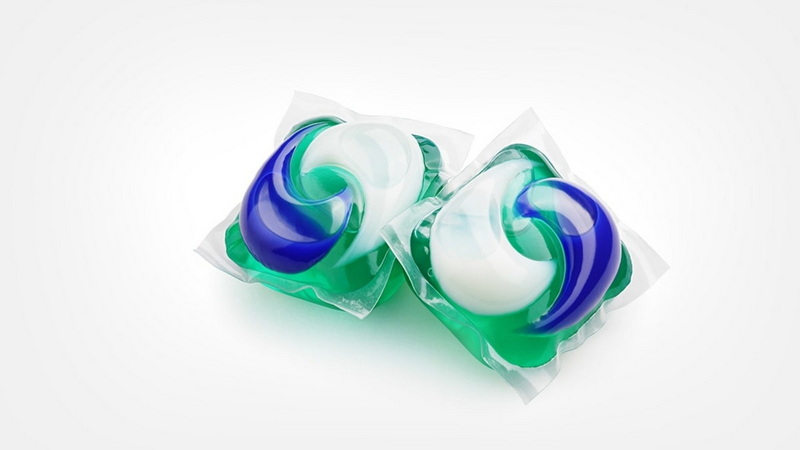
Laundry pods emerged as a modern solution to measuring detergent. Each pod contains a pre-measured amount of concentrated detergent, and some formulations combine stain remover, brighteners, and scents in a single packet. The appeal lies in simplicity: no spill risk, convenient dosing, and the potential for consistent results across loads. Reddit threads frequently discuss whether pods improve washing performance or simply serve as a marketing gimmick, with opinions ranging from strong endorsement to cautious skepticism.
Detergent needs depend on several variables:
- Load size: Larger loads typically require more detergent, but pod-based systems are designed around standard load sizes.
- Soil level: Heavily soiled fabrics may seem to demand more cleaning power, though many pods are formulated for routine soil and can be paired with pre-treaters for tougher stains.
- Water hardness: Hard water reduces detergent efficiency, sometimes necessitating higher usage or longer wash cycles.
- Washer type and efficiency: High-efficiency (HE) machines use less water, which can influence how detergent is distributed and effective.
Some Reddit discussions compare pods to traditional liquid or powder detergents. Pods offer neatness and measurement accuracy, but they can be less flexible in adjusting for unusual loads or water conditions. Traditional detergents allow dosing adjustments on a per-load basis, which can be beneficial in households with diverse washing needs. Both formats have their advantages, and the choice often comes down to personal preference, machine compatibility, and budget considerations.
Three pods may be appropriate in certain circumstances:
- Very large or heavily soiled loads, where a standard pod might not provide sufficient cleaning power.
- Heavily mineralized water or older, less efficient washers that benefit from additional cleaning agents.
- Specific fabric types that tend to hold more dirt or oils, requiring extra detergent to achieve desired results.
However, using three pods routinely can also lead to over-dosing. Excess detergent can leave residue on clothes, contribute to build-up in washing machines, and increase economic and environmental costs.
Overuse of laundry pods can have several drawbacks:
- Residue on fabrics: Excess detergent may leave white or cloudy streaks, especially on dark or synthetics.
- Increased rinse cycles: More detergent requires more water to rinse out completely, which can strain water resources in drought-prone areas.
- Machine wear: Soapy residue can accumulate in dispensers and hoses, potentially reducing washing efficiency over time.
- Environmental impact: Detergent runoff contributes to wastewater contamination and can affect aquatic ecosystems.
To determine whether three pods are appropriate for a given load, consider the following guidelines:
- Follow the product's recommended dosage, adjusting only for unusual circumstances.
- For large or heavily soiled loads, use a second pod only if the manufacturer explicitly supports it for that formulation.
- If using HE washers, ensure pods are designed for HE machines and are placed so they dissolve properly in the wash cycle.
- Periodically run an extra rinse cycle if you notice residue on clothing after washing.
- Use a pre-treating stain remover for tough spots rather than increasing the number of pods.
If you want flexibility beyond what a standard pod provides, consider:
- Liquid detergents with adjustable dosing for different load sizes and soil levels.
- Powder detergents designed for cold-water or high-efficiency washers, which can be dosed per load.
- Stain pretreaters and enzyme-based cleaners to tackle stubborn soils without increasing overall detergent usage.
- Washing technique adjustments, such as selecting appropriate water temperature and cycle length, to improve results with the same amount of detergent.
- Small, lightly soiled loads in HE machines: One pod or the manufacturer's recommended amount.
- Medium loads with average soil: One pod, sometimes a second only if the load is larger or dirtier than typical.
- Very large loads or heavy soils: Evaluate the detergent's guidance; consider a second pod only if specified.
- Hard water areas: Use water conditioner or a detergent formulated for hard water, and consider extra rinsing if residue is a concern.
Detergent pods are designed for convenience and consistent dosing, but consumers should be mindful of environmental and health implications. Proper disposal, avoiding direct contact with skin during handling, and minimizing excess usage help reduce environmental footprints. Selecting formulations with biodegradable ingredients and minimal phosphates (where applicable) supports more sustainable laundry practices.
Reddit communities often emphasize practical testing and personal experience. Threads may reveal that different brands and formulations behave differently in various machines and water conditions. Users frequently share tips about stain removal, mold prevention in dispensers, and the best practices for loading detergent pods in different washers.
Three laundry pods are not inherently excessive, but they are not universally appropriate for all loads. The optimal number depends on load size, soil level, water hardness, washer type, and the specific detergent formulation. Consumers should follow product recommendations, assess results, and adjust usage based on practical outcomes rather than a one-size-fits-all rule. When in doubt, start with the recommended amount, test with one pod, and consider alternates or additional rinsing if residue or inadequate cleaning is observed.
For a standard load, follow the detergent's recommended dosage; typically one pod is sufficient, but some formulations may require more for larger or heavily soiled loads.
Using more than the recommended amount can cause residue and buildup, potentially affecting efficiency. Only use extra pods if the product guidelines specifically allow it.
Most pods are designed for both standard and high-efficiency machines, but always confirm the product's compatibility with your washer model.
Hard water can reduce detergent efficiency. If you live in a hard-water area, consider a detergent formulated for hard water and possibly an extra rinse to remove residue.
Excess detergent increases rinse water load and can contribute to environmental impact. Use only the recommended amount and choose environmentally friendly formulations when possible.


