
Views: 222 Author: Tomorrow Publish Time: 01-13-2026 Origin: Site


Content Menu
● What High-Quality Laundry Detergent Means
● Visual Appearance and Physical Properties
>> Powder Detergent Indicators
>> Liquid and Gel Detergent Indicators
● pH Range and Fabric Compatibility
● Stain Removal Power and Real-World Performance
● Formulation and Ingredient Signals
● Cost per Wash Versus Price per Kilogram
● Practical Evaluation Checklist for Industrial Users
>> Data Tracking and Documentation
● Compliance, Safety, and Environmental Aspects
>> Regulatory and Label Considerations
>> Skin and Health Considerations
● Call to Action: Upgrade Your Detergent Quality Strategy with an OEM Partner
● FAQs About Identifying Laundry Detergent Quality
>> 1. How can industrial users quickly judge detergent quality?
>> 2. Why is cost per wash more important than price per kilogram?
>> 3. What pH range is generally suitable for most fabric detergents?
>> 4. How do enzymes improve detergent performance?
>> 5. Why should laundries perform repeated wash testing?
Choosing high-quality laundry detergent is critical for industrial laundries, hotels, hospitals, and brands working with OEM factories, because detergent directly affects cleanliness, fabric lifespan, operating cost, and end-customer satisfaction. Evaluation should focus on formula performance, pH, appearance, safety, and long-term cost per wash under real production conditions.[1][2][3]
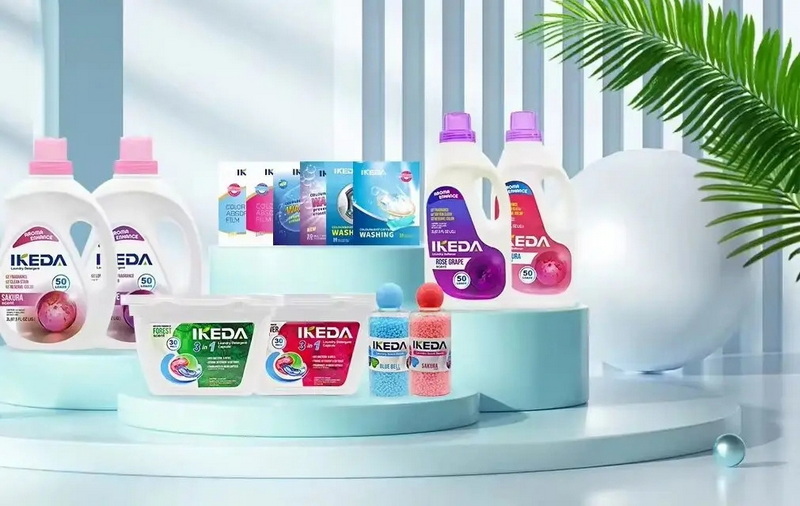
A high-quality detergent consistently delivers clean fabrics with minimal residue, protects fibers and colors, and keeps washing machines running efficiently at the lowest possible cost per kilogram of textiles. In professional and OEM scenarios, this relies on stable formulation, reliable supply, and technical support for dosage, process design, and performance testing.[4][5][2][1]
Key characteristics include:[6][1]
- Strong stain removal at standard and low temperatures
- Controlled pH suitable for the specific textile and process
- Low residue and foam that rinses easily
- Safe, compliant ingredients for skin and environment
- Consistent performance over many wash cycles
Appearance is a fast first step to screen detergent quality, especially for powders used in large-volume laundry operations.[7][1]
High-quality detergent powder typically shows:[1][6]
- Uniform particles with even granule size and minimal dust
- Clean color without gray or yellow discoloration
- Good flowability, not sticky or heavily caked
- No visible impurities such as foreign particles or fibers
Common negative signs are caking, uneven speckles, and heavy dust, which may indicate poor moisture control, cheap fillers, or unstable mixing.[7][1]
For liquid and gel detergents, important indicators include:[5][7]
- Clear or uniformly opaque liquid without stratification or oil separation
- Stable color without obvious fading or settling after storage
- No foreign particles or visible clumps in the container
Separation into layers or sediment after short storage often points to poor emulsification or unbalanced raw material ratios.[5][7]

The pH value of a detergent solution is a key indicator of suitability for specific fabrics and processes.[8][1]
pH can be checked quickly using test paper or a pH meter:[8][1]
- Silk and delicate detergent: pH 7.0–7.5
- General fabric / industrial detergent: pH 9.5–11.0
High-quality detergents usually operate in a slightly alkaline range during the main wash, while properly rinsed fabrics return close to neutral, around pH 7.0–7.5, to support skin comfort and fabric safety.[6][1]
pH influences detergency, fabric damage, and skin tolerance:[4][8]
- Alkaline detergents are effective on grease and protein-based soils
- Excessive alkalinity can damage fibers, especially wool, silk, and elastic materials
- Residual high pH on fabrics may increase skin irritation risk
For sensitive skin or baby applications, controlled pH, mild surfactants, and carefully selected preservatives are important aspects of perceived quality.[2][8]
Stain removal power depends on surfactants, enzymes, builders, bleaching systems, and process parameters.[7][5]
Standardized testing uses pre-stained swatches and controlled wash conditions:[9][2]
- Identical machines and programs
- Controlled temperature, water hardness, and load composition
- Pre-stained fabrics with sebum, food, grass, and cosmetic soils
- Objective cleanliness measurements using instruments rather than visual judgment
Such methods allow direct comparison of detergents under consistent conditions.[10][9]
In day-to-day industrial use, practical indicators include:[3][1]
- Residual soil after main wash at recommended dosage
- Fabric appearance and odor: white items should look bright, colored items vivid, with no musty or chemical smell after drying
- Foam height that remains controlled to avoid rinsing issues and mechanical problems
- Rewash rate and complaint records from end users
Tracking these indicators over time gives a realistic view of performance in real operations.[2][9]
Understanding typical ingredient systems helps buyers identify high-performance detergents.[6][7]
Effective detergents commonly include:[11][7][6]
- Surfactants to remove oils and particulate soils
- Enzymes to target protein, starch, and fat stains at lower temperatures
- Builders to soften water and stabilize alkalinity
- Bleaching agents to support whiteness and colored stain removal
- Optical brighteners for enhanced whiteness perception
- Polymers to keep detached soil suspended and reduce redeposition
A balanced system of these components usually indicates stronger and more stable performance across different soil types and water qualities.[12][6]
Modern enzyme blends can deliver strong cleaning in cold- and warm-water cycles.[13][12]
Benefits include:[13][11]
- Effective cleaning at temperatures as low as about 20°C
- Reduced energy usage and lower utility costs
- Better fabric care with reduced color fading and fiber damage
Combining enzymes with suitable surfactants and stabilizers supports both performance and sustainability goals.[12][13]
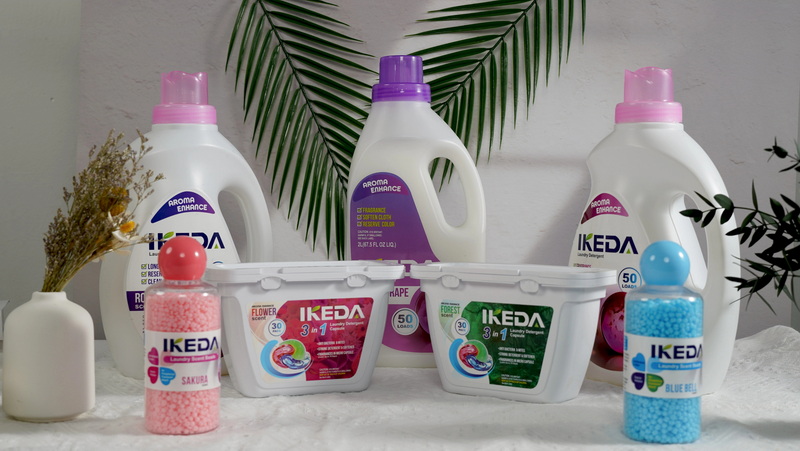
Unit price alone does not reflect real cost.[14][1]
A simple example shows the concept:[1]
- Product A: 6.8 yuan/kg, dosage 0.5 kg per load
- Product B: 5.6 yuan/kg, dosage 0.7 kg per load
Cost per wash is:[1]
- A: 6.8 × 0.5 = 3.4 yuan
- B: 5.6 × 0.7 = 3.92 yuan
Although B has a lower price per kilogram, A delivers the same visible result with lower total cost per wash.[14][1]
| Metric | Detergent A | Detergent B |
|---|---|---|
| Price per kg | 6.8 yuan/kg | 5.6 yuan/kg |
| Dosage per 100 kg of textiles | 0.5 kg | 0.7 kg |
| Detergent cost per wash | 3.4 yuan | 3.92 yuan |
| Visible cleaning result | Similar | Similar |
For industrial buyers, focusing on cost per kilogram of textiles cleaned provides a more accurate measure of value.[3][1]
A structured checklist helps evaluate new detergents efficiently.[9][1]
1. Appearance and handling
Inspect uniformity of powder or liquid, flowability, packaging, and storage stability.[7][1]
2. pH test at working concentration
Measure solution pH and confirm that it matches fabric and process requirements.[8][1]
3. Trial wash on representative loads
Use recommended dosage, monitor stain removal, odor, and fabric feel.[3][9]
4. Foam and rinsing behavior
Check that foam does not exceed reasonable levels and that it rinses out in the set number of rinses.[4][1]
5. Residual pH on textiles
After multiple rinse cycles, verify that fabric pH is near neutral.[8][1]
6. Cost-per-wash calculation
Combine dosage and price to calculate cost per wash or per kilogram of textiles.[14][1]
7. Repeated wash test
Track whiteness, color retention, and hand-feel over dozens of cycles on marked test fabrics.[2][9]
To support quality management, it is helpful to:[10][9]
- Record product name, batch number, dosage, and key process parameters
- Keep before-and-after photos for test fabrics
- Track complaints, rewash rates, and any machine issues after switching detergents
Such records strengthen decision-making and support audits from large institutional customers.[10][2]
Quality today also involves regulation, environmental impact, and user safety.[15][2]
Well-designed detergents comply with relevant regional rules and standards:[15][6]
- Accurate ingredient and hazard labeling
- Clear usage and safety instructions
- Compliance with limits on certain builders, preservatives, and other regulated substances
Third-party certifications and eco-labels can provide additional evidence of performance and environmental responsibility.[15][2]
Skin-friendly characteristics are important in daily and institutional laundry.[16][2]
Recommendations include:[16][2]
- Using hypoallergenic or fragrance-free lines for sensitive users
- Ensuring low residue via appropriate rinsing and balanced pH
- Avoiding unnecessary dyes or known sensitizers in specialized products
These factors contribute to perceived quality and long-term user trust.[16][2]
For importers, distributors, and private-label brands that want stronger cleaning performance, stable supply, and better cost control, it is time to review current laundry detergent portfolios and evaluation methods. By working with an experienced OEM factory, it becomes possible to develop customized formulas, verify performance through structured testing, and optimize cost per wash for different segments and markets. Reach out to your OEM partner with clear targets for pH, stain removal, energy-saving performance, and regulatory compliance, and start co-developing next-generation laundry detergents that enhance both business results and end-user satisfaction.[13][12][7][6]
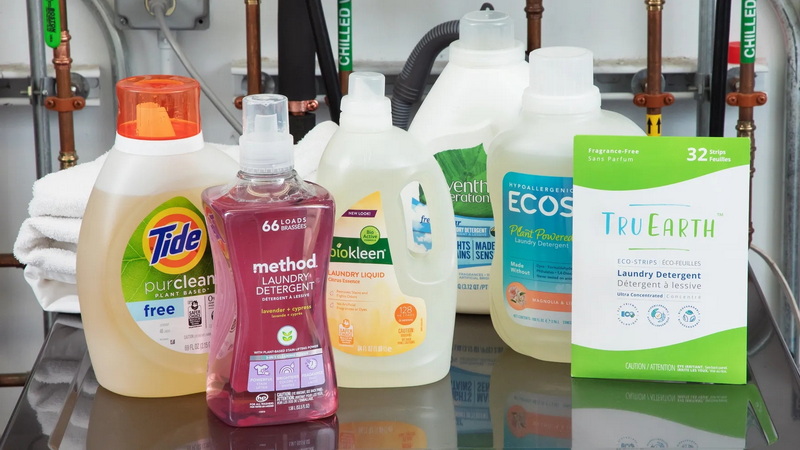
The fastest checks are appearance, pH at working concentration, actual cleaning on a representative load, foam behavior, and fabric condition after drying, including odor, whiteness, and hand-feel.[3][1]
Cost per wash reflects real consumption, because a more concentrated or efficient product may need less dosage and therefore deliver lower total cost, even if its unit price is higher.[14][1]
Many fabric detergents for industrial washing operate in a slightly alkaline range around 9.5–11.0 during the main wash, while properly rinsed textiles should return near neutral.[1][8]
Enzymes help break down protein, starch, and fat stains at moderate temperatures, supporting strong cleaning in cold- and warm-water cycles and enabling energy savings and better fabric care.[11][13]
Repeated wash testing on marked fabrics over dozens of cycles reveals long-term effects on whiteness, color retention, and fabric strength, which are not visible from a single wash.[2][9]
[1](https://.com/insights/3-key-ways-to-identify-the-quality-of-laundry-detergent/)
[2](https://www.consumer.org.nz/products/laundry-detergents/guide)
[3](https://www.washco.co.uk/resource/commercial-laundry-detergent-advice/)
[4](https://www.cnzjmb.com/the-effects-of-ph-on-detergent-powder-production.html)
[5](https://yeserchem.com/a-comprehensive-guide-to-liquid-detergent-viscosity-understanding-the-importance-factors-and-applications/)
[6](https://stppgroup.com/unlocking-the-science-behind-superior-washing-powders-the-key-physical-and-chemical-indicators/)
[7](https://en.psgraw.com/wp-content/uploads/2021/12/book_Laundry-Detergents.pdf)
[8](https://oxabiotech.com/en/the-importance-of-ph-in-laundry-detergents-and-how-it-affects-textiles/)
[9](https://www.choice.com.au/home-and-living/laundry-and-cleaning/laundry-detergents/articles/how-we-test-laundry-detergents)
[10](https://www.gencat.cat/mediamb/impresos/qamb/006_washtest.pdf)
[11](https://vtrbiotech.com/enzymes-for-laundry-detergent/)
[12](https://stppgroup.com/the-enzyme-revolution-in-laundry-detergents-efficient-low-temperature-and-eco-friendly-cleaning/)
[13](https://www.biolaxienzymes.com/cold-wash-chemistry-enzymatic-pathways-for-low-temperature-cleaning/)
[14](https://www.astralhygiene.co.uk/chemicals/laundry-cleaning/product/jeyes-concentrated-nonbio-laundry-detergent)
[15](https://www.euroconsumers.org/clean-project-how-to-know-how-clean-a-detergent-actually-is/)
[16](https://tesla.info/en/why-is-it-important-to-choose-the-right-laundry-detergent/)
[17](https://www.sciencedirect.com/science/article/pii/S2405844020307064)
[18](https://delphiseco.com/collections/commercial-laundry-detergents)
[19](https://www.easychemtrade.co.uk/products/commercial-laundry/)


