
Views: 222 Author: Tomorrow Publish Time: 01-24-2026 Origin: Site


Content Menu
● Primary Keywords and Target Readers
● What Makes a Great Soap for Pressure Washers?
● 7 Best Soaps for Pressure Washers in 2026
>> 1. Dongguan UFine Daily Chemical Co.,Ltd. Custom Pressure Washer Soap
>> 2. Gentle Liquid Laundry-Type Soap for Multi-Use Cleaning
>> 3. Multi-Surface Pressure Washer Cleaner
>> 4. Biodegradable Eco-Friendly Pressure Washer Soap
>> 5. Heavy-Duty Concrete and Driveway Pressure Washer Soap
>> 6. Premium Vehicle Wash Soap for Pressure Washers
>> 7. Natural Deck and Fence Cleaner
● Comparison Table: Main Types of Pressure Washer Soap
● How to Choose the Best Soap for Your Pressure Washer
>> 1. Match the Soap to Your Surface
>> 2. Define Cleaning Intensity and Frequency
>> 3. Consider Environmental and Regulatory Requirements
>> 4. Verify Equipment Compatibility
>> 5. Analyze Cost per Liter of Ready-to-Use Solution
● How to Use Pressure Washer Soap Safely and Effectively
● Safety and Equipment Protection Tips
● OEM and Private Label Pressure Washer Soaps
● Why Work with a Specialized OEM Factory?
● How Dongguan UFine Daily Chemical Co.,Ltd. Supports OEM Projects
● OEM Project Roadmap (From Idea to Shelf)
● Where to Place Visuals and Charts
● Clear Call to Action: Build Your Own Pressure Washer Soap Line
● FAQs About Soaps for Pressure Washers
>> 1: Can I use any regular soap in my pressure washer?
>> 2: How much pressure washer soap should I use?
>> 3: Which soap is best for washing cars with a pressure washer?
>> 4: Are eco-friendly pressure washer soaps effective?
>> 5: How can I create my own private label pressure washer soap?
Choosing the best soap for a pressure washer is critical if you want fast cleaning, protected surfaces, and efficient chemical usage in residential or professional projects. For brand owners, wholesalers, and importers, it is also a strategic decision that affects customer satisfaction, cost per job, and product positioning in your portfolio.
In this upgraded guide, you will find the 7 best pressure washer soaps, clear selection criteria, practical dilution and usage tips, and how a Chinese OEM factory like Dongguan UFine Daily Chemical Co.,Ltd. can help you develop customized pressure washer detergents for your target markets.
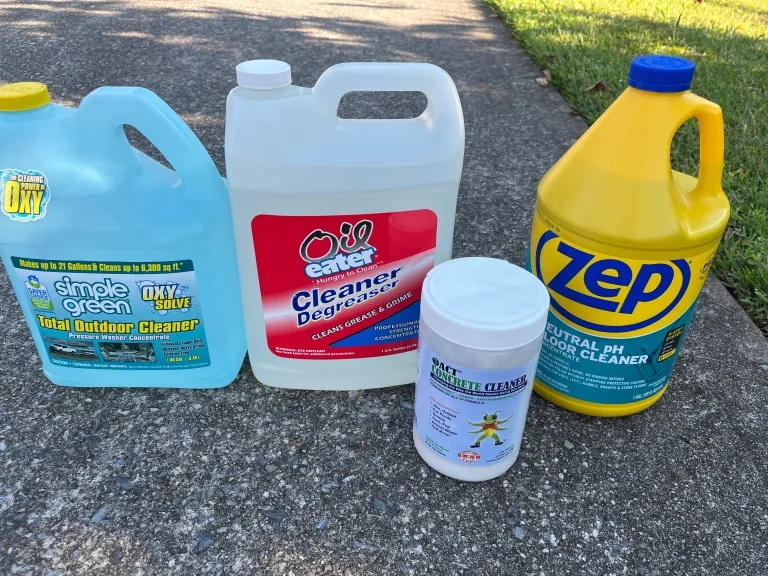
Primary keyword: best soap for pressure washer
Secondary keywords: pressure washer detergent, high pressure washer soap, pressure washer cleaning solution, OEM pressure washer soap, pressure washer soap for cars, eco friendly pressure washer detergent
This article is written for:
- Brand owners and private label companies in the cleaning industry.
- Wholesalers and importers looking for reliable pressure washer soap OEM manufacturers.
- Professional cleaning companies and facility managers who want better product performance and value.
A high-quality pressure washer soap must clean effectively while protecting surfaces and equipment and complying with local regulations. Before checking the 7 best soaps, it is important to understand the core evaluation criteria.
- Cleaning power: Ability to remove grease, traffic film, algae, mold, and mineral deposits without excessive mechanical scrubbing.
- Surface compatibility: Safe for the intended substrates such as car paint, coated metals, composite decks, natural stone, tiles, and machinery.
- Foam level and rinsability: Stable foam for dwell time, but easy rinsing with minimal residue or streaks.
- Concentration and dilution ratio: Highly concentrated products reduce shipping volume and cost per liter of ready-to-use solution.
- Environmental profile: Biodegradable ingredients, lower phosphates and solvents, and reduced impact on soil and water systems when possible.
- Equipment compatibility: Designed specifically for pressure washers, with controlled foam and corrosion-safe ingredients for pumps, hoses, and seals.
- Regulatory compliance: Alignment with local chemical safety and labeling rules.
For OEM buyers, you should also consider branding flexibility, fragrance customization, packaging formats, and minimum order quantity (MOQ).
The following seven product types cover the most common cleaning scenarios, from delicate car washing to industrial degreasing. Names are generalized to focus on performance and application so you can benchmark or design similar OEM formulations with your supplier.
This category represents customized pressure washer soaps developed by Dongguan UFine Daily Chemical Co.,Ltd. for different surfaces and markets. These OEM products can be tailored as vehicle foams, multi-surface cleaners, eco formulas, or industrial degreasers under your own brand.
Best for:
- Brands and distributors that want their own private label pressure washer soap line.
- Projects that require differentiated performance, fragrances, and packaging.
Key advantages:
- Custom formulations for specific surfaces and climates.
- Ability to match or exceed local benchmark products.
- Flexible packaging from small retail bottles to bulk drums.
OEM tip: Work with the UFine R&D team to define cleaning strength, pH range, eco profile, and fragrance, then test samples against your current reference products.
This category is inspired by mild liquid detergents that can double as a light-duty pressure washer soap for fabrics, outdoor furniture covers, and sensitive painted surfaces. It offers deep cleaning with color protection and is often based on well-balanced surfactant systems with lower alkalinity.
Best for:
- Outdoor fabrics, tents, awnings, cushions.
- Light soil on painted metal or plastic surfaces.
Key advantages:
- Gentle on colors and coatings while still removing common dirt and light grease.
- Suitable for mixed-use cleaning where harsh degreasers are not needed.
OEM tip: You can request different fragrances, dyes, and viscosity levels for better brand differentiation.
A multi-surface pressure washer soap is designed for patios, driveways, walls, and general outdoor cleaning. It typically combines surfactants, builders, and sometimes mild solvents to handle common residential and light commercial dirt.
Best for:
- Patios, pavers, facades, garden walls.
- Light oil spots and atmospheric pollution on hard surfaces.
Key advantages:
- High versatility – one product for large parts of the site.
- Moderate foam, good rinsability, and balanced alkalinity for cement-based surfaces.
OEM tip: For professional cleaning companies, consider offering concentrated multi-surface detergents in 10–25 L drums with clear dilution guides per task.
Many commercial and municipal customers now prefer biodegradable, low-impact pressure washer detergents for outdoor cleaning near gardens, drains, or waterways. These soaps use more readily biodegradable surfactants and avoid heavy phosphates or certain solvents.
Best for:
- Environmentally sensitive areas such as parks, schools, and residential neighborhoods.
- Brands targeting “green” positioning and eco labels.
Key advantages:
- Lower environmental footprint while still providing good cleaning power.
- Strong marketing potential for eco-focused private labels.
OEM tip: Work with your OEM partner to define which eco claims you can defend (for example phosphate-free, readily biodegradable surfactants, plant-based ingredients) and ensure documentation is available.
Heavy-duty soaps are high-alkaline pressure washer detergents designed to tackle oil, tire marks, mold, and industrial dirt on concrete. They are popular among contractors cleaning loading bays, garages, and industrial yards.
Best for:
- Concrete driveways, parking decks, factory floors.
- Areas with embedded grease, oil, or rubber marks.
Key advantages:
- Strong degreasing and soil removal even on tough stains.
- Reduces mechanical labor when used with appropriate dwell time and pressure.
OEM tip: Some markets need non-caustic heavy-duty formulations for safety and regulatory reasons; discuss alkalinity levels and safety labeling with your OEM lab team.
Automotive users need a special pressure washer soap for cars that removes road film without damaging clear coats, plastics, or wax layers. Many products are designed for foam cannons and high-foam applications.
Best for:
- Passenger cars, SUVs, trucks, and fleets.
- Car washes, detailing studios, and DIY users with foam guns.
Key advantages:
- Streak-free gloss with lubricating foam to minimize micro-scratches.
- Often pH-balanced; compatible with modern paint finishes and coatings.
OEM tip: Automotive soaps are ideal for strong branding: vivid colors, signature fragrances, and visually appealing packaging such as 1 L bottles and 5 L jerrycans.
Wood decks and fences require a more controlled, surface-safe pressure washer detergent that helps remove algae, mold, and weathered dirt without excessive fiber damage. These products often blend surfactants with gentle oxidizing or anti-fungal components compatible with wood.
Best for:
- Timber decks, wooden fences, outdoor furniture.
- Pre-treatment before staining or sealing.
Key advantages:
- Targeted removal of organic growth such as moss and mildew.
- Supports longer intervals between deep cleans when combined with proper sealing.
OEM tip: If you sell into DIY retail channels, a deck and fence pressure washer cleaner can be a strong niche SKU with clear instructions and before/after photography on the label.
Soap Type | Main Application | Key Strength | Eco Profile |
Dongguan UFine custom pressure washer soap | Private label lines for multiple surfaces | Custom performance and branding flexibility | Configurable (standard or eco ranges) |
Gentle laundry type liquid | Fabrics, light dirt on painted surfaces | Color and coating protection | Medium (depends on formula) |
Multi surface cleaner | Patios, facades, general outdoor areas | High versatility and balanced performance | Medium |
Biodegradable eco soap | Sensitive environments, eco brands | Lower environmental impact | High (biodegradable systems) |
Heavy duty concrete soap | Drives, industrial floors, garages | Strong degreasing and stain removal | Low–medium (typically more alkaline) |
Premium vehicle wash | Cars, trucks, fleets | Glossy, streak free finish | Medium (varies by brand) |
Natural deck & fence cleaner | Wooden decks, fences, furniture | Targeted algae and mold removal | Medium–high (if low toxicity system) |
Choosing the best soap for a pressure washer depends on surface type, soil level, and work environment. The following checklist helps both end users and professional buyers make consistent decisions.
- For vehicles, use a dedicated car pressure washer soap that is pH-balanced and paint-safe.
- For concrete and masonry, choose heavy-duty alkaline detergents optimized for oil and dirt removal.
- For wood, use a deck and fence cleaner that targets organic growth while limiting fiber damage.
- Occasional residential cleaning can use multi-surface or gentle soaps with moderate strength.
- Regular professional work may justify specialized products, such as separate vehicle, concrete, and industrial degreasers, to minimize time per job.
- Check if local rules favor biodegradable or low-phosphate detergents in outdoor use.
- For public facilities or eco-labeled projects, eco-friendly pressure washer soaps can strengthen your offer.
- Confirm that your pressure washer can handle detergents, because some models lack detergent tanks.
- Check manufacturer instructions for maximum allowed chemical and temperature levels.
- Compare products using price per diluted liter rather than price per container.
- Highly concentrated soaps can lower storage and freight costs, especially when imported in bulk.
Correct application is as important as product selection if you want consistent results and safe operation. Below is a simple step-by-step procedure you can adapt to different soap types.
1. Read the label instructions for dilution ratios and compatible surfaces.
2. Prepare the solution according to the recommended dilution, mixing the specified volume of soap with water in the detergent tank or foam cannon.
3. Pre-rinse the surface with clean water to remove loose dirt and cool hot surfaces.
4. Apply the detergent using low pressure or a foam nozzle to cover the area evenly.
5. Allow proper dwell time without letting the product dry on the surface.
6. Agitate if needed with a soft brush or pad on heavily soiled areas.
7. Rinse thoroughly with high pressure, working from top to bottom for vertical surfaces.
- Always wear appropriate PPE such as gloves and eye protection, especially with heavy-duty or alkaline detergents.
- Avoid using household products like undiluted bleach or random soaps that can damage seals, hoses, or pumps.
- Rinse the detergent system with clean water after each use to extend the life of your pressure washer.
For brands and distributors, the real value is not only choosing the best pressure washer soap, but building a coherent product line with reliable OEM production behind it.
An experienced OEM manufacturer can help you design pressure washer soaps tailored to your market, including vehicle, patio, eco, and industrial ranges under your own brand. With a strong R&D team and quality systems, the factory can support consistent batches, competitive costs, and flexible packaging formats.
Key OEM advantages:
- Custom formulations for different surfaces and climates.
- Multiple packaging options from small retail bottles to industrial drums.
- Technical support, certificates, and documentation for regulatory compliance.
Dongguan UFine Daily Chemical Co.,Ltd. is a Chinese manufacturer focused on laundry detergents, dishwasher products, and full-house cleaning solutions, with a strong OEM and ODM orientation. The company works with international partners on customized detergents, eco-friendly formulas, and different fragrance and packaging combinations.
For pressure washer soaps, this type of factory can:
- Develop surface-specific formulations, such as vehicle foam, concrete cleaner, deck cleaner, and industrial degreaser.
- Offer eco-friendly and high-performance variants for different market segments.
- Provide OEM services including private label design, filling, and logistics coordination.
If you plan to launch your own pressure washer soap line, you can follow this simplified roadmap with your OEM partner:
1. Market and product definition
Define target surfaces and customer segments such as DIY users, professionals, and B2B accounts.
2. Formula briefing and sample development
Discuss cleaning performance targets, fragrance, color, eco requirements, and budget per liter.
3. Lab samples and testing
Test performance with your pressure washer equipment in real conditions and compare against local benchmarks.
4. Regulatory and documentation alignment
Confirm labeling language, safety data sheets, and export or import requirements.
5. Packaging and branding
Choose bottle or drum sizes, caps, and label design consistent with your product family.
6. Trial order and scale-up
Start with a pilot batch, collect feedback, and then scale to regular shipments.
To improve user experience and engagement, you can enrich this article with well-placed images and charts.
Recommended visual placements:
- Near the top: an infographic comparing key criteria such as cleaning power, eco profile, and cost per liter for pressure washer soaps.
- In the “7 best soaps” section: product-style images illustrating each use scenario including car washing, concrete cleaning, deck cleaning, and machinery cleaning.
- Around the comparison table: a simple bar chart showing relative cleaning strength versus eco profile for each soap type.
- In the OEM section: a process diagram of the OEM project roadmap from concept to delivery.
If you are a brand owner, wholesaler, or importer, now is an ideal moment to expand your pressure washer cleaning range with specialized and eco-friendly soaps. A capable OEM partner can help you combine high performance, attractive branding, and competitive cost per job in your local market.
If you want to develop or upgrade your pressure washer soap portfolio, consider working with a professional OEM factory such as Dongguan UFine Daily Chemical Co.,Ltd. to design custom formulas, packaging, and private label solutions aligned with your positioning. Prepare your target surfaces, performance expectations, and annual volume forecast, then contact the OEM team to request samples, technical support, and a tailored proposal for your next pressure washer soap project.
Contact us to get more information!
In most cases you should not use random household soaps in a pressure washer, because they may foam excessively, damage seals, or leave heavy residues on surfaces. It is safer to use detergents specifically labeled for pressure washers and compatible with your machine type.
The right amount depends on the product concentration and soil level, so you must follow the dilution instructions on the label. Many concentrated products are mixed with water in a separate tank or foam cannon, using a relatively small volume of soap per liter of ready-to-use solution.
For cars, the best choice is a pH-balanced automotive pressure washer soap designed for clear coats and plastics. These products generate lubricating foam, help prevent micro-scratches, and rinse off without leaving streaks on the paint.
Modern biodegradable detergents can provide strong cleaning performance while using more environmentally conscious ingredients. For extremely heavy industrial soils, conventional heavy-duty formulations may still be more efficient, so you should choose based on application and local requirements.
To build a private label line, you can partner with an OEM factory that already produces detergents and full-house cleaning products. You define your target surfaces, branding, and budget, and the OEM partner develops formulas, provides samples, and manages production and packaging under your brand.
1. https://vigour-group.com/fr/insights/les-7-meilleurs-savons-pour-nettoyeur-haute-pression-testes-et-evalues/
2. https://washchems.com/fr/pages/how-to-use
3. https://www.ufinechem.com
4. https://www.ufinechem.com/washing-machine-detergent.html
5. https://www.ufinechem.com/aboutus.html
6. https://clean-equipements.com/blogs/news/quel-detergent-nettoyeur-haute-pression
7. https://www.agrieuro.fr/accessoires-pour-nettoyeurs-hp-eau-chaude/detergents-et-sable-pour-nettoyeurs-hp-c-67_47_617_434.html
8. https://www.delcourt.fr/blog/Quel-produit-mettre-dans-un-nettoyeur-haute-pression--n127


