
Views: 222 Author: Tomorrow Publish Time: 01-15-2026 Origin: Site


Content Menu
● What “Non-Toxic” Laundry Detergent Really Means
● Market Trends For Non-Toxic Detergents In 2026
● Ingredients To Avoid And Look For
● Best Non-Toxic Laundry Detergent Formats
>> Overview Of Non-Toxic Formats
● 6 Leading Non-Toxic Laundry Detergent Brands In 2026
>> 1. Dongguan UFine Daily Chemical Co.,Ltd. (OEM Non-Toxic Solutions)
>> 2. Dropps – Plant-Based Pods For Everyday Families
>> 3. Puracy – Doctor-Developed Liquid For Sensitive Skin
>> 4. Blueland – Plastic-Free Tablets In Refillable Tins
>> 5. Branch Basics – Multi-Purpose Concentrate
>> 6. Biokleen – Versatile Non-Toxic Formats
● How To Choose The Best Non-Toxic Detergent For Your Needs
● OEM And Private Label Opportunities In Non-Toxic Detergents
● Practical Usage Tips For Non-Toxic Detergents
● Action-Oriented Guidance For Buyers And Brands
● FAQs About Non-Toxic Laundry Detergents
>> 1. Are non-toxic laundry detergents as effective as regular detergents?
>> 2. Are non-toxic detergents always fragrance-free?
>> 3. What makes a laundry detergent safer for the environment?
>> 4. How can buyers verify non-toxic claims?
>> 5. Are non-toxic detergents suitable for commercial and industrial users?
Non-toxic laundry detergents are growing rapidly in 2026 as buyers look for formulas that are safer for skin, air quality, and waterways while still delivering strong cleaning performance. For brand owners, wholesalers, and OEM buyers, choosing the right non-toxic detergent and the right manufacturing partner directly affects product safety, margins, and long-term market positioning.

Non-toxic laundry detergents avoid ingredients that are linked with skin irritation, respiratory issues, or environmental harm, while still using effective surfactants and enzymes to remove soil and stains. Typical “non-toxic” positioning focuses on safer chemistry for households, indoor air quality, and aquatic ecosystems.
Key characteristics include:
- No or very low 1,4-dioxane, phthalates, parabens, formaldehyde donors, or quaternary ammonium compounds.
- Reduced use of optical brighteners, synthetic dyes, and heavy petroleum-based solvents.
- Biodegradable, plant- or mineral-derived surfactants that break down more easily after discharge.
The global non-toxic laundry detergent market is projected to grow strongly over the next decade, supported by rising health awareness, sustainability concerns, and stricter regulatory expectations. Organic and natural-positioned laundry detergents are also expanding, with organic formulas alone expected to reach significant global value by the mid-2030s.
Several structural trends support this growth:
- A majority of consumers say they are willing to pay more for safer, eco-friendly cleaning products and are concerned about detergent ingredients.
- Regulatory and voluntary programs encourage brands to remove problematic substances and improve transparency.
- New formats such as detergent sheets, tablets, and highly concentrated liquids reduce packaging, transport emissions, and plastic waste.
Choosing a truly non-toxic product requires reading labels carefully, because “green” marketing claims are not always aligned with safer chemistry. Shoppers and buyers should focus on avoiding well-documented problem ingredients and prioritizing safer alternatives.
Common ingredients to avoid:
- 1,4-dioxane (often a contaminant in ethoxylated surfactants).
- Phthalates and certain synthetic musks used in fragrances.
- Optical brighteners that may bioaccumulate and irritate sensitive skin.
- Phosphates and some older surfactants that contribute to water pollution.
Better ingredient choices:
- Plant-derived surfactants and soaps, such as alkyl polyglucosides or saponified plant oils.
- Enzymes that target specific stains so detergents can work at lower temperatures and dosages.
- Hypoallergenic, fragrance-free or naturally scented formulas, especially for babies and sensitive users.
Different detergent formats can be non-toxic when formulated correctly, but they offer different strengths in terms of dosing, packaging, and application. Buyers should match format to target market, machine type, and distribution channels.
Format | Key strengths | Typical use cases | Notes for brands / OEM buyers |
Liquid | Easy to dose, familiar to most consumers. | Mass retail, e-commerce, cold-water washing. | Focus on concentrated, low-foam, biodegradable formulas with reduced preservatives. |
Powder | Strong on heavy soil, good value per wash. | Price-sensitive markets, high-alkaline cleaning, hard water. | Can be non-toxic with mineral builders and enzymes; avoid high phosphates. |
Pods / capsules | Pre-measured, low mess, convenient. | Busy households, subscription brands, premium positioning. | Ensure child-safe packaging and clearly communicate ingredient safety. |
Sheets / strips | Ultra-light, waterless, low packaging footprint. | Online DTC, eco-focused consumers, travel. | Ideal for plastic-free branding; ensure full dissolution and strong stain removal. |
Tablets | Rigid dosage, often in refillable tins. | Plastic-free, refill systems, higher-income urban markets. | Use low-residue binders and consider PVA-free systems for stronger environmental positioning. |
A number of brands are recognized for cleaner ingredient lists, high performance, and more sustainable packaging in 2026. The list below highlights different positioning angles to illustrate how non-toxic detergents compete in today's market.
Dongguan UFine Daily Chemical Co.,Ltd. is a professional OEM and private label manufacturer that develops non-toxic liquid, powder, pod, and sheet detergents for international brands, importers, and wholesalers. The company focuses on safer surfactant systems, flexible fragrance options, and region-specific compliance, allowing overseas buyers to launch non-toxic detergent lines without building their own factories.
Key strengths:
- Customizable non-toxic formulations for baby, sensitive-skin, everyday, and eco-focused ranges.
- Multiple formats and packaging types, including concentrated liquids, powders, pods, and low-plastic solutions such as pouches or boxes.
- OEM and ODM support from formula development through packaging design, testing, and export documentation.
This type of partner is suitable for brands that want to enter or expand in the non-toxic detergent segment quickly, with professional R&D and consistent quality control behind the label.
Dropps is widely cited as a leading non-toxic pod brand, with plant-derived surfactants, strong odor control, and compatibility with both standard and HE machines. Its fragrance-free “Sensitive” versions avoid dyes and optical brighteners, which makes them popular among families with eczema or allergy concerns.
Highlights:
- Concentrated pods cut down on packaging and transport weight.
- Multiple scent and free-and-clear options serve both fragrance lovers and sensitive-skin users.
Puracy offers a natural liquid detergent that was co-developed by doctors for people with allergies and delicate skin. The formula is free from sulfates, phosphates, optical brighteners, and harsh synthetic fragrances, while still providing good everyday cleaning power.
Highlights:
- Available in Free & Clear and naturally scented options.
- Concentrated formats support reduced packaging and easier shipping.
Blueland is often highlighted for its plastic-free tablet system paired with reusable storage tins. The tablets are dye-free and formulated to work in both standard and HE machines, helping reduce reliance on disposable plastic jugs.
Highlights:
- Ideal for consumers focused on zero-waste and refill models.
- Hypoallergenic performance suitable for many users with sensitive skin.
Branch Basics sells a multi-purpose plant and mineral-based concentrate that can be diluted for laundry, surfaces, and other home cleaning tasks. Its fragrance-free formula and transparent ingredient communication appeal strongly to health-conscious and chemically sensitive households.
Highlights:
- Refillable bottle options reduce single-use plastic waste.
- One core concentrate simplifies purchasing and inventory management for consumers.
Biokleen offers liquids, sheets, and powder detergents using concentrated, plant-derived cleaning agents. Hypoallergenic “Free & Clear” formulas skip synthetic fragrances and dyes while keeping enough cleaning strength for sportswear and everyday soils.
Highlights:
- Multiple formats and scents help retailers cover a wide range of preferences.
- Widely available in supermarkets and online, making trial convenient for new users.
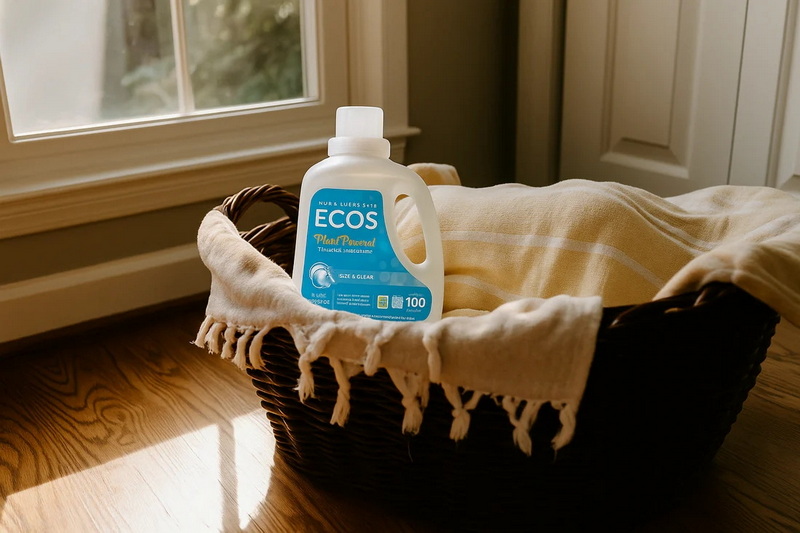
Selecting the best non-toxic detergent depends on skin type, laundry habits, local water conditions, and storage or logistics constraints. Consumers and professional buyers can follow a simple, repeatable process to make better decisions.
Step 1: Define who will use it
- Babies, children, and those with sensitive skin usually need fragrance-free, dye-free, hypoallergenic formulas.
- Households with pets or heavy sportswear may prioritize strong odor and stain removal from plant-based enzymes.
Step 2: Match format to lifestyle
- Pods, sheets, and tablets suit smaller spaces, travel, and consumers who value convenience.
- Liquids and powders may work better for large families and laundromats that need flexible dosing.
Step 3: Check certifications and transparency
- Look for third-party programs or clear ingredient disclosures highlighting safer surfactants and the absence of high-risk chemicals.
- Avoid vague claims like “green” or “natural” that are not supported by specific data or safety criteria.
The rapid growth of non-toxic detergents creates strong opportunities for OEM and private label projects targeting different regions and retail channels. Many brands and importers prefer to partner with specialized factories that can formulate to local regulations, deliver consistent quality, and provide customized packaging or fragrances.
Key opportunities for overseas brands include:
- Launching eco-focused product lines in mass retail and e-commerce with plant-based liquids, powders, pods, or sheets.
- Extending existing detergents into new segments like baby-safe, sensitive-skin, or fragrance-free series.
- Building refill or subscription models using concentrates, tablets, or strips to reduce logistics and packaging costs.
When evaluating OEM partners, buyers may look for:
- Robust quality systems and clear documentation for raw materials, microbiology, and stability.
- Capability to produce low-toxicity, biodegradable formulations tailored to regional regulations and retailer requirements.
- Flexible packaging options, from standard bottles and pouches to tins, boxes, or recyclable rigid containers.
Even the best non-toxic detergent needs correct usage to deliver maximum performance and value. Improving user instructions in packaging and online content can also reduce returns and strengthen brand trust.
Best-practice tips:
- Use the recommended dose and adjust slightly for very hard water or heavily soiled clothes.
- Pre-treat stains with a small amount of detergent or a compatible stain remover before washing.
- Wash in cold or warm water when possible to save energy, unless the label specifies hot for hygiene reasons.
Non-toxic laundry detergents are becoming a mainstream expectation for modern households and professional users. For brand owners, distributors, and importers, this is an ideal moment to upgrade existing detergent lines or launch new, safer products that align with global trends in health, sustainability, and regulatory compliance.
If you are planning a non-toxic detergent project, define your target segment, preferred format, and key claims, then collaborate closely with an experienced OEM partner to transform those requirements into stable, compliant formulas and market-ready packaging. Clear specifications, laboratory testing, and pilot orders will help ensure your non-toxic detergent line delivers real cleaning performance and long-term value in your local market.
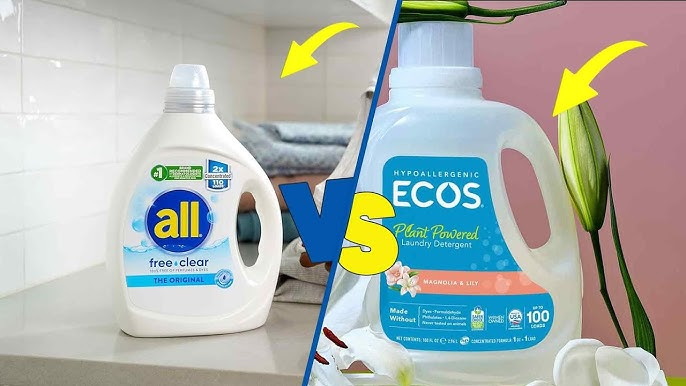
Modern non-toxic detergents that use optimized surfactant systems and enzymes can match or even exceed conventional formulas on everyday stains when used correctly. Independent tests often show that well-formulated eco detergents perform strongly on sweat, food, and mud, especially in pre-treated or warmer cycles.
Non-toxic does not automatically mean fragrance-free, because many brands use essential oils or carefully selected aroma ingredients. However, truly hypoallergenic or ultra-sensitive products are often labeled “Free & Clear” and are formulated without perfumes or masking scents.
Environmentally safer detergents focus on biodegradable surfactants, reduced or no phosphates, and minimized hazardous by-products such as 1,4-dioxane. Concentrated formats, reduced plastic packaging, and refill systems further lower the overall environmental footprint across the product life cycle.
Buyers can request full ingredient lists, regulatory compliance documentation, and any third-party certification reports from the manufacturer. For private label projects, it is helpful to conduct independent laboratory testing on parameters such as toxicity profiles, biodegradability, and the presence of restricted substances.
Non-toxic detergents are increasingly used in commercial settings such as hotels, childcare centers, and healthcare facilities that want safer cleaning policies. As long as the product is designed for higher soil loads and appropriate dosing systems, it can meet many professional performance requirements while supporting sustainability goals.
1. https://www.ufinechem.com/6-best-laundry-detergent-types-for-cleaner-safer-laundry-in-2026.html
2. https://www.thegoodtrade.com/features/organic-laundry-detergent/
3. https://healthyhomeblogs.com/pages/top-5-most-powerful-non-toxic-laundry-detergents-tested-and-ranked
4. https://www.reportsanddata.com/report-detail/non-toxic-laundry-detergents-market
5. https://www.technavio.com/report/organic-laundry-detergents-market-industry-analysis
6. https://www.cognitivemarketresearch.com/organic-laundry-detergents-market-report
7. https://www.reviewed.com/laundry/best-right-now/best-eco-friendly-laundry-detergents
8. https://www.nytimes.com/wirecutter/reviews/the-best-laundry-detergent/


