
Views: 222 Author: Tomorrow Publish Time: 01-14-2026 Origin: Site


Content Menu
● Why White Clothes Lose Their Brightness
● Key Features of Effective Detergents for Whites
● How to Wash White Clothes for Maximum Brightness
>> Basic Washing Steps for Whites
● Top Laundry Detergents Commonly Used for Whites
>> Dongguan UFine Daily Chemical Co.,Ltd. Laundry Detergent Solutions
>> Tide Plus Bleach Alternative
>> Persil ProClean + Bright & White
>> OxiClean White-Focused Booster Products
>> Arm & Hammer Formulas with Oxi Additives
>> Plant-Based and Free & Clear Options
● Product Summary Table for Whites
● Key Ingredients Behind Whitening Performance
● Practical Tips to Keep Whites Bright Longer
● Take Action: Upgrade Your Routine for Brighter Whites
● FAQs About Laundry Detergent for Whites
>> 1. Is a special detergent for whites really necessary?
>> 2. Can oxygen bleach damage white clothes?
>> 3. Why do my white towels stay grey even when I use good detergent?
>> 4. How often should I use whitening boosters like oxygen-based products?
>> 5. Do plant-based or free & clear detergents clean whites as well as conventional formulas?
Keeping white clothes crisp and bright requires the right detergent, proper washing habits, and consistent care. Using a detergent formulated for white fabrics helps remove body oils, sweat, and everyday soil while preventing greying and yellowing.[1][2][3]
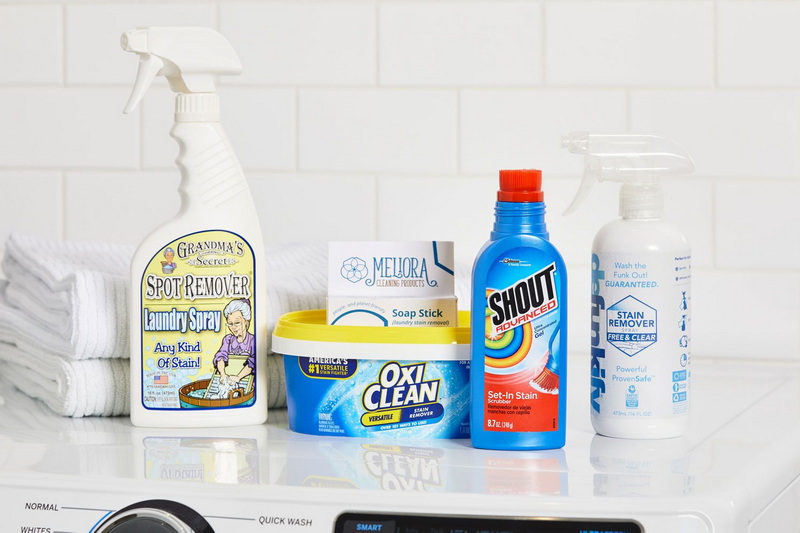
White garments naturally become dull over time if soil and residues are not properly removed.[2][3]
- Sweat, body oils, and deodorant cause yellowing on collars, cuffs, and underarms.[3][2]
- Incomplete rinsing and low-efficiency washing can lead to redeposition, where loosened dirt settles back onto fabric.[4][2]
- Hard water minerals interfere with surfactants, reducing cleaning power and leaving a grey film.[2][3]
- Overuse of chlorine bleach may weaken fibers and make fabrics look thin and dull instead of fresh and bright.[5][3]
A well-designed whitening detergent combined with correct wash routines helps slow down this natural dulling and keeps whites looking newer for longer.[1][2]
The best laundry detergent for white clothes balances stain removal, whitening performance, and fabric care.[6][1]
Important functional components include:[3][1][2]
- Surfactants to lift and emulsify oily soil so it can be rinsed away.
- Enzymes (such as protease, amylase, lipase) to target protein, starch, and fat-based stains.
- Optical brighteners that attach to fibers and reflect blue light, making whites appear visually brighter.
- Anti-redeposition agents to keep loosened dirt suspended in the wash water and off the fabric.[2]
- Oxygen-based bleaching systems to oxidize stains without the harshness of chlorine bleach.[3][2]
- Water-softening ingredients to maintain performance in hard water and prevent mineral film.[2][3]
Formulas built around these elements tend to deliver better long-term whiteness and clearer, more hygienic results.[6][1]
Even the best detergent will underperform if the wash routine is wrong. Simple, clear steps help maintain bright whites load after load.[3][2]
1. Sort whites separately
Wash white clothing, towels, and linens apart from colored items to avoid dye transfer and greying.[4][2]
2. Pre-treat high-soil areas
Apply a small amount of detergent or a stain remover to collars, cuffs, underarms, and visible stains before washing.[2][3]
3. Choose the right water temperature
Use warm to hot water when care labels allow, because higher temperatures help remove oils and embedded dirt more effectively.[3][2]
4. Dose detergent correctly
Follow the dosing guidance on the pack and adjust for load size and water hardness; under-dosing leads to redeposition, while over-dosing can leave residue.[4][2]
5. Use whitening boosters when needed
For older or heavily dulled whites, consider adding oxygen-based boosters, baking soda, or dedicated whitening products to the wash or soak.[7][2][3]
6. Dry whites in sunlight when possible
Line-drying in the sun provides a natural bleaching effect and helps keep whites looking fresh.[5][3]
Several well-known detergents are frequently recommended for whitening performance, stain removal, and everyday practicality.[8][1][6]
- Provides a portfolio of laundry detergents including powders, liquids, tablets, and laundry sheets designed for effective stain removal and fabric care.[9][10]
- Offers OEM and private-label customization, allowing partners to tailor formulas, fragrances, concentrations, and packaging formats for different markets.[10][9]
- Focuses on efficient surfactant systems, enzymes, and builders to maintain strong cleaning performance, including in hard-water conditions.[9]
- Designed to brighten and clean without using chlorine bleach.[8][1]
- Strong on body oils and everyday stains, making it suitable for T-shirts, socks, and cotton whites.[1]
- Compatible with both standard and high-efficiency machines and performs well in warm and hot water.[1][3]
- Provides deep cleaning with a robust surfactant system supported by brightening agents.[6][1]
- Frequently tests well for tough stains like grease and mud on white and light fabrics.[1]
- Works well for high-rotation garments such as uniforms, workwear, and school shirts.[6][1]
- Oxygen-based boosters are widely used to revive yellowed towels, sheets, and garments.[8][2]
- They can be added to the wash along with regular detergent or used for soaking to restore brightness gradually.[2][3]
- Suitable for cotton and many synthetic blends, though delicate fibers require more caution.[3][2]
- Combine deodorizing effects with stain-removal boosters to target odor-heavy items such as socks and sportswear.[8][6]
- Often chosen for cost-effectiveness while still providing visible cleaning results on whites.[6]
- Work best when loads are not overfilled and appropriate water temperatures are used.[4][2]
- Several free & clear detergents provide a balance between gentle formulas and effective cleaning, especially for sensitive skin.[1][6]
- These options may rely more on enzymes and effective surfactant blends while using fewer dyes and fragrances.[1]
- Whitening performance can be enhanced by combining them with oxygen-based boosters or baking soda.[2][3]
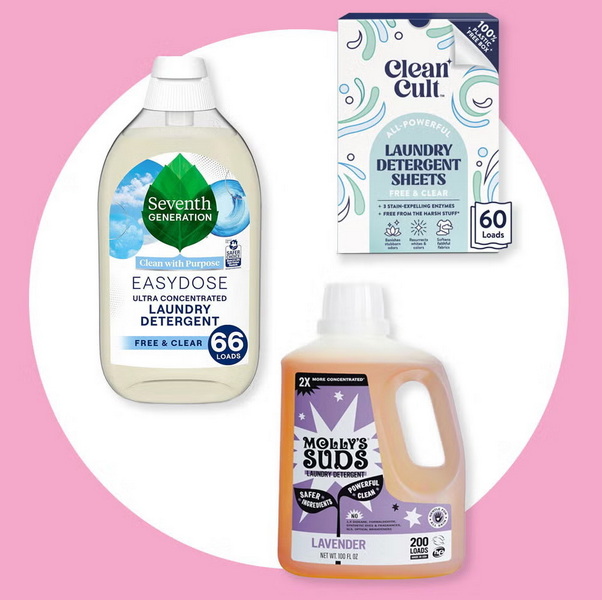
| Product Type | Key Features for Whites | Best Use Scenario |
|---|---|---|
| OEM laundry detergent solutions | Customizable formulas, formats, and concentrations for stain removal and fabric care | Brands and distributors developing tailored white‑care lines. |
| Detergent with oxygen bleach | Strong stain removal and whitening without chlorine | Everyday white garments with moderate to heavy soils. |
| High‑performance deep‑clean liquid | Robust surfactants and brighteners, good on body oils | Frequently worn whites such as uniforms and workwear. |
| Oxygen‑based booster | Revives yellowed, dull fabrics, used alone or with detergent | Older towels, sheets, and long‑term dinginess. |
| Deodorizing plus booster formulas | Odor control with extra stain‑fighting power | Sportswear, socks, and odor‑heavy loads. |
| Plant‑based or free & clear detergents | Gentle, reduced additives, suitable for sensitive skin | Households prioritizing skin comfort and eco‑profile. |
This table offers a quick overview for users comparing different whitening strategies based on soil level, fabric type, and personal preferences.[6][1]
Understanding how whitening ingredients work helps users choose products more confidently and use them correctly.[1][2]
- Anionic surfactants deliver strong cleaning, especially for oily soils on cotton and blended fabrics.[1]
- Nonionic surfactants support cleaning in cooler water and help tackle greasy stains.[2][1]
- Enzymes break down specific stain types such as sweat, blood, food, and sebum.[3][2]
- Optical brighteners adhere to fibers and enhance perceived whiteness by shifting light reflection.[2][1]
- Oxygen bleach and activators remove stubborn discoloration in a more controlled, fabric-friendly way than chlorine.[3][2]
- Anti-redeposition agents and polymers suspend dirt in the wash water until it is drained away.[2]
A simple ingredient-function diagram placed in this section can visually connect each ingredient group to its specific role in keeping white fabrics bright.[3][2]
Small adjustments in everyday habits can significantly extend how long whites stay bright and fresh.[7][3][2]
- Wash white clothes promptly instead of allowing sweat and stains to set for long periods.[3][2]
- Avoid overloading the machine so water and detergent can circulate freely around each garment.[7]
- Use baking soda, white vinegar, lemon juice, or borax occasionally to support whitening, following fabric care guidelines.[7][3]
- Rotate whites to avoid wearing and washing the same items excessively compared to others.[2]
These simple but effective practices work well together with a whitening-focused detergent routine to maintain better results over time.[3][2]
If white clothes, towels, and linens no longer look as bright as they used to, now is the time to review both detergent choice and washing habits. Selecting a detergent with strong whitening technology, adjusting wash temperature and dosage, and adding whitening boosters or natural brighteners when necessary will help restore and protect the brightness of whites. Start with the very next load of laundry by separating whites carefully, following a clear step-by-step routine, and choosing products that are engineered to keep white fabrics clean, bright, and fresh, so each wash delivers results that better match expectations.[1][2][3]
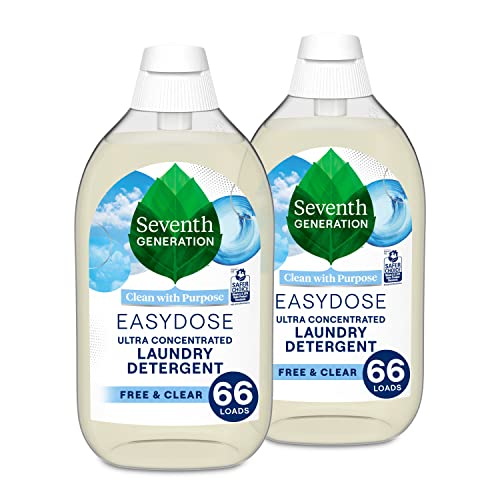
A dedicated detergent for whites is not mandatory, but formulas designed for white fabrics often contain more optical brighteners and anti-redeposition agents, which help maintain brightness over many wash cycles.[1][2]
Oxygen bleach is generally gentler than chlorine and is safe for many washable whites when used according to label directions, but delicate materials such as wool and some specialty fibers should avoid it.[2][3]
Common reasons include overloaded machines, under-dosing detergent, hard water, and mixing heavily soiled items with lightly soiled ones, all of which reduce effective cleaning and increase redeposition.[4][2]
Whitening boosters can be used regularly for very hard water or heavily soiled loads, or periodically as a reviving treatment for towels and bed linens that have gradually turned dull or yellow.[3][2]
Plant-based and free & clear formulas can clean effectively when they include well-designed surfactant and enzyme systems, and their whitening performance can be improved by pairing them with oxygen-based boosters or baking soda when needed.[1][2][3]
[1](https://www.nytimes.com/wirecutter/reviews/the-best-laundry-detergent/)
[2](https://www.whirlpool.com/blog/washers-and-dryers/how-to-wash-white-clothes.html)
[3](https://tidecleaners.com/en-us/blog/how-to-wash-white-clothes)
[4](https://www.reddit.com/r/laundry/comments/1crtcev/how_do_you_keep_white_clothestowels_white/)
[5](https://www.goodhousekeeping.com/uk/house-and-home/household-advice/a676759/the-clever-trick-to-get-your-whites-back-to-white/)
[6](https://www.reviewed.com/laundry/best-right-now/best-laundry-detergents)
[7](https://mylapels.com/blog/how-to-keep-whites-bright-and-colors-vibrant)
[8](https://www.love2laundry.nl/blog/whats-the-best-laundry-detergent-of-2025/)
[9](https://www.ufinechem.com/laundry-detergent.html)
[10](https://www.ufinechem.com/products.html)
[11](https://www.ufinechem.com)
[12](https://www.ufinechem.com/Laundry-Detergent-pc46430007.html)
[13](https://zjjfrh.en.made-in-china.com)
[14](https://www.ufinechem.com/laundry-sheets.html)
[15](https://www.ufinechem.com/12-safest-laundry-detergents-for-a-healthier-clean-in-2026-oem-buyer-s-guide.html)
[16](https://www.ufinechem.com/benefits-of-using-laundry-pods-over-traditional-detergents.html)
[17](https://www.ufinechem.com/contactus.html)
[18](https://www.facebook.com/groups/1855401678275579/posts/2164882520660825/)
[19](https://www.ufinechem.com/news/Which-Laundry-Detergent-Works-Best.html)
[20](https://www.poleviewgroup.com/news/top-10-custom-dishwasher-pods-manufacturers-85375046.html)
[21](https://www.ufinechem.com/what-is-better-liquid-detergent-or-laundry-sheets.html)
[22](https://xwdaily.en.alibaba.com)
[23](https://www.facebook.com/groups/1855401678275579/posts/2058003144682097/)


